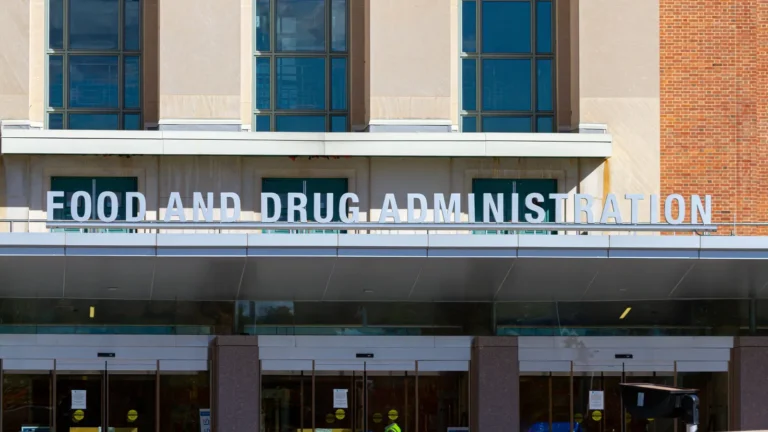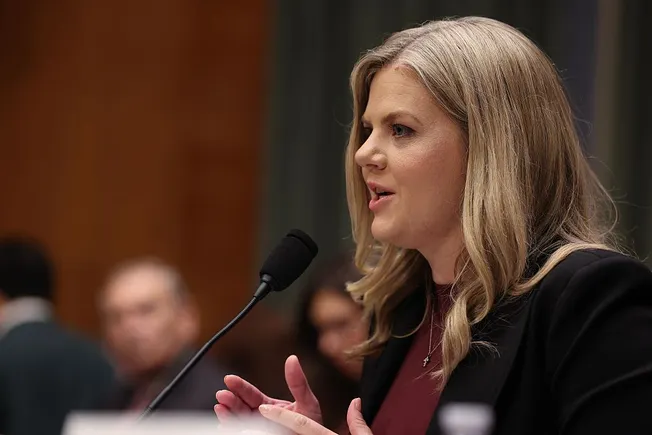
In a high-stakes confirmation hearing that underscored the deepening divide between scientific autonomy and political oversight, Heidi Overton, President Donald Trump’s nominee for Commissioner of the Food and Drug Administration (FDA), faced intense scrutiny from a Senate committee. As the agency attempts to recover from a turbulent 18-month period defined by leadership turnover, staff attrition, and accusations of political interference, Overton’s testimony provided a glimpse into how she might navigate the conflicting pressures of a White House administration skeptical of established medical consensus and a pharmaceutical industry desperate for regulatory stability.
The Nominee: Bridging Policy and Practice
Heidi Overton, a physician currently serving as a White House domestic policy adviser, has been tapped by President Trump to helm the FDA. Her nomination follows a period of intense volatility within the agency. If confirmed, Overton would succeed Kyle Diamantas, who has served as the acting commissioner since the sudden resignation of Trump’s first appointee, Martin Makary, in May.
Overton’s background is rooted in both medicine and the conservative policy sphere. Having served as a White House fellow during the latter years of Trump’s first term, she subsequently transitioned to the America First Policy Institute—a conservative think tank—before rejoining the current administration. Her nomination is seen by many as an attempt by the White House to install a loyalist who can align the agency with the administration’s "America First" biotechnology agenda while managing the political friction inherent in the current health policy landscape.
Chronology of a Turbulent Era
To understand the weight of Overton’s potential appointment, one must examine the state of the FDA over the last year and a half. Under the tenure of Martin Makary, the agency faced unprecedented scrutiny. Senior staff departures and accusations of politically influenced decision-making left the agency’s credibility strained.
- May 2026: Martin Makary resigns as FDA Commissioner amid internal friction and mounting criticism from industry stakeholders. Kyle Diamantas is named acting commissioner.
- Summer 2026: The FDA struggles with morale issues, including layoffs and public spats over the agency’s regulatory rigor.
- August 2026: The White House issues an executive order targeting the childhood immunization schedule, specifically requesting that the MMR vaccine be bifurcated into separate shots—a move President Trump justified by labeling the combined vaccine "lethal."
- September 2026: In a bid for stability, the Department of Health and Human Services (HHS) confirms Michael Davis and Karim Mikhail as permanent directors of the FDA’s two primary drug offices. The move is met with relief by industry analysts who view them as "traditional" regulators.
- October 2026: Heidi Overton undergoes her Senate confirmation hearing, where her past political writings and loyalty to the administration’s vaccine rhetoric become the central point of contention.
Vaccine Policy and the Spectre of Political Pressure
The most explosive moments of the hearing occurred when members of the Senate Health, Education, Labor, and Pensions (HELP) Committee, led by Chairman Bill Cassidy (R-La.), pressed Overton on the administration’s stance on vaccines. The committee, balanced with 12 Republicans and 11 Democrats, holds the keys to her confirmation.
Senator Cassidy, who has been openly critical of the influence exerted by HHS Secretary Robert F. Kennedy Jr. over public health policy, questioned Overton on the safety of the MMR vaccine. Referencing a moment where Overton stood behind President Trump as he called the vaccine "potentially lethal," Cassidy demanded clarity.
"Is the MMR vaccine safe and effective?" Cassidy asked.
Overton offered a direct affirmation, stating that the MMR shot is "safe and effective" and remains the "best tool right now in the public health response to the measles outbreak." She further committed to following the law regarding "individual product determinations," suggesting that she would prioritize clinical data over executive mandates.
However, the committee remained skeptical. Cassidy reminded the room of his previous dealings with Secretary Kennedy, who had offered private assurances that he would respect the scientific process, only to later claim he was compelled by the President to act otherwise. "Secretary Kennedy gave me guarantees," Cassidy noted. "Later, he did not keep those. I asked him why not. He said that the president had told him to do something, and as opposed to keeping his promise to me… he had to do what the president told him to do."
The Mifepristone Debate
Beyond vaccines, the committee grilled Overton on the future of mifepristone, the abortion pill currently authorized for use via mail and telehealth. While clinical data and decades of usage have established the drug’s safety profile, it remains a primary target for anti-abortion advocacy groups.
Overton’s past writings at the America First Policy Institute—where she characterized the drug as "dangerous"—were brought to the forefront. When questioned, she acknowledged that the FDA has historically determined that mifepristone meets safety and efficacy standards, but she refused to commit to maintaining the current access, stating she did not want to "prejudge" the results of an ongoing agency safety study. This non-committal stance suggests that while she may not immediately move to ban the drug, she may be amenable to a review process that could eventually lead to new, more restrictive administrative hurdles.
Countering China and Driving Innovation
Despite the ideological clashes, there was significant common ground regarding the future of U.S. biotechnology. Overton signaled a strong commitment to "Operation Trialblazer," an initiative designed to accelerate early-stage drug research and streamline the approval process.
This focus is a direct response to the rapid ascent of China’s biotechnology sector. As Chinese firms have aggressively pursued drug licensing deals and expanded their influence in global pharmaceutical pipelines, U.S. lawmakers are increasingly concerned about losing the competitive edge.
"If I have the privilege of being confirmed, I will work with the dedicated career professionals to make sure every aspect of clinical trials and drug development is optimized," Overton stated. "This will not only bring development back to the United States; it will bring cures to patients faster."
This sentiment was welcomed by Wall Street analysts. RBC Capital Markets analyst Brian Abrahams described the hearing as a "net positive," noting that Overton’s focus on regulatory flexibility and her stated reliance on career staff could provide the industry with the predictability it has lacked for months.
Implications for the Future of the FDA
The implications of Overton’s confirmation extend far beyond the agency’s internal bureaucracy. If she is confirmed, the FDA will enter a period of "controlled innovation." On one hand, her commitment to industry-friendly reforms and speeding up clinical trials could lead to a banner era for domestic drug development. On the other, the risk of a "shadow" regulatory process—where decisions on vaccines or sensitive health products are filtered through the ideological lens of the White House—remains high.
The next few months are critical. Whether the Senate moves to a vote before or after the November midterm elections remains an open question, and the timing could drastically alter the political calculus. For the biotech industry, the stakes are existential: the sector needs an FDA that is both fast enough to compete with international rivals and rigorous enough to maintain the public’s trust.
Overton concluded her testimony by reaffirming her intent to serve as a steward of the agency’s mission. However, as the history of the current administration shows, the gap between a nominee’s promises in a hearing room and the realities of executive pressure is often wide. As the committee weighs her record against her rhetoric, the American public—and the global pharmaceutical industry—awaits a decision that will define the regulatory landscape for years to come.