






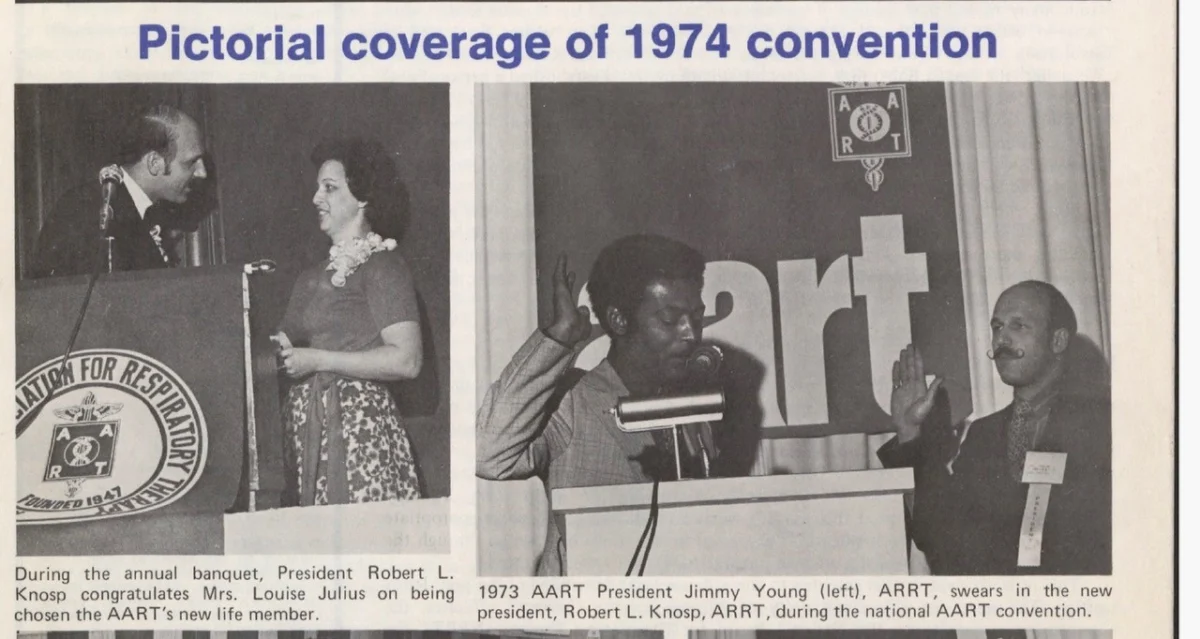
The respiratory care profession is defined not only by the critical, life-saving interventions performed at the bedside but by the visionary leaders who build the frameworks in which those interventions occur. At the pinnacle of this professional recognition stands the Jimmy A. Young Award, the highest honor bestowed by the American Association for Respiratory Care (AARC). Named in memory of a former AARC president who dedicated his life to the elevation of the field, the award honors those whose sustained, transformative contributions have permanently altered the landscape of respiratory therapy.
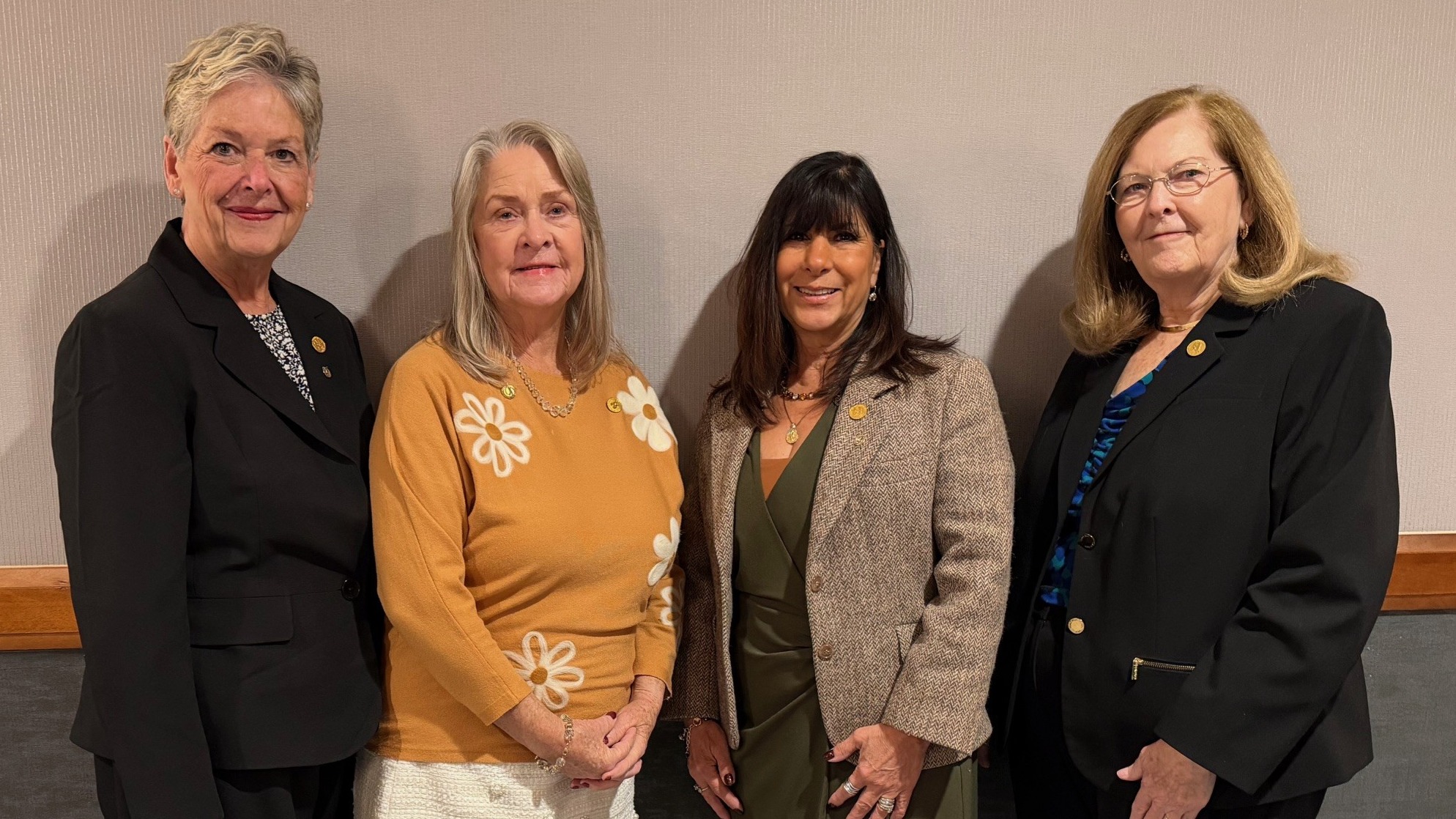
In a landmark retrospective, Lisa Weisenberger, AARC Director of Content and Communications, facilitated a profound conversation with four of the five women who have achieved this singular honor: Dianne Lewis, MS, RRT, FAARC (2025); Trudy Watson, BS, RRT, FAARC (2018); Margaret Traband, MEd, RRT, FAARC (2011); and Teresa Volsko, MBA, MHHS, LSSBB, RRT, FAARC (2020). Their collective insights serve as a blueprint for the future of the profession, offering a rare look at how to navigate the complexities of a high-stakes medical field while breaking systemic barriers.
The Genesis of Impact: A Chronology of Leadership
To understand the weight of the Jimmy A. Young Award, one must look at the historical trajectory of its recipients. While the award has been presented for decades, the inclusion of women in its top tier of winners mirrors the broader evolution of gender dynamics in medicine.
The story of female leadership in this space began early, notably with Louise Julius, who, alongside her husband John, received the award in 1988. However, the path to such recognition was rarely linear. For the four women gathered for this retrospective, the journey was marked by a steady progression from local clinical excellence to national policy advocacy.
- The Early Foundations: Margaret Traband began her journey in 1972, an era where the profession was still defining its identity. She emphasizes that her work was never motivated by the desire for accolades. Instead, she focused on "doing the most good" within state societies, proving that national influence is often forged through years of local, consistent advocacy.
- Standardizing Care: Dianne Lewis, the most recent recipient (2025), represents the institutional maturation of the field. Her career is defined by her pivotal work on the Clinical Practice Guidelines Steering Committee. Under her leadership, her team authored the first clinical practice guidelines for the association—a monumental step that transitioned respiratory care from a collection of fragmented practices into a standardized, evidence-based science.
- The Cultural Shift: Leaders like Teresa Volsko and Trudy Watson represent the modern era of the profession—a time characterized by deliberate mentorship and the dismantling of the "glass ceiling." They reflect a generation that transitioned from competing for the lone seat at the table to actively pulling other women into the room.
Supporting Data: The Changing Face of the Workforce
While respiratory therapy has historically boasted a higher percentage of women than many other medical specialties, the demographic shift at the leadership level has been more recent. Historically, the executive suites of professional organizations were predominantly male-led.
According to data discussed during the panel, the transition of women into leadership roles within the AARC and its affiliates has not been a passive process but a result of deliberate professional networking and advocacy. Watson highlights that the shift is measurable: as women began to seek positions in the House of Delegates and steering committees, the culture of the organization evolved from a "gatekeeping" model to one of inclusive growth.
This is supported by the changing nature of the workforce itself. As clinical demands grew, so did the need for administrative, educational, and research-based leadership—areas where these four women have excelled. The data indicates that today’s respiratory care landscape is no longer just about the technical administration of care; it is about the management of complex healthcare systems, policy influence, and pedagogical innovation, all of which are now heavily influenced by a diverse leadership cohort.
Official Responses: Wisdom from the Vanguard
The panel discussion provided a platform for these leaders to offer more than just historical context; they provided a tactical roadmap for the next generation of respiratory therapists.
On Mastering the Art of Networking
Trudy Watson is emphatic about the necessity of visibility. She argues that competence alone is insufficient in a modern healthcare environment. "Get involved so your name is known and you are trusted within your own organization," she advises. This involves not only clinical excellence but also active participation in related organizations, such as the American Lung Association. The "silent expert" is an endangered species; in the modern era, influence requires a professional footprint.
On the Necessity of Being "Over-Prepared"
Margaret Traband reflects on the rigorous academic culture of the 1970s, specifically the "Journal Clubs." For Traband, the secret to longevity is an unyielding commitment to current research. "Being over-prepared is status quo for most of us," she notes. "You have to be well-versed, so you don’t come off half-prepared." This rigor is what guards the professional credibility of the respiratory therapist when they stand before hospital boards or legislative bodies.
On Leading from the Bedside
Teresa Volsko challenges the common misconception that leadership requires an executive title. "Don’t let the fact that you have the title of a clinical respiratory therapist stop you from doing great things. Lead where you are," she says. This philosophy democratizes leadership, suggesting that every therapist has the capacity to influence patient outcomes, team culture, and departmental efficiency regardless of their place on the organizational chart.
Implications: The Dual Reality of the Modern Profession
The retrospective also addressed the stark, dual reality facing respiratory care today. On one hand, the profession is experiencing massive growth. As Dianne Lewis noted, the next decade offers an abundance of career opportunities and clinical autonomy. The need for respiratory experts has never been higher, particularly in light of global health trends and an aging population.
On the other hand, this demand is coupled with significant pressure. Watson pointed to the critical bottleneck in education: "finding the students to fill the seats in the classroom" to meet the projected workforce demand is a primary concern for the AARC.
Furthermore, the post-pandemic era has introduced a profound sense of burnout. The clinical intensity of the last several years has taken a toll on the workforce. Traband offered a poignant, grounded perspective for those feeling the strain:
"The further away you get from the bedside, the less positive reinforcement happens. Take the time to reflect at the end of the day. Know that you’ve alleviated breathlessness and calmed patients. Steep in that moment."
This reminder serves as the foundation for the "Legacy of Service" that all four women embody. They argue that the emotional resilience of the therapist is a clinical asset, one that must be nurtured through reflection and a renewed focus on the profound impact of the work.
A Vision for the Future
The Jimmy A. Young Award recipients are more than just professionals who reached the summit of their careers; they are the architects of the contemporary respiratory therapy profession. By breaking the glass ceiling, they have ensured that the table is now wider and more accessible.
The implications of their careers are clear: the future of respiratory care will be defined by those who can bridge the gap between clinical excellence and systemic advocacy. As the profession looks toward the horizon, the lessons provided by Lewis, Watson, Traband, and Volsko remain the gold standard. They remind us that while the tools of the trade—the ventilators, the pharmacology, the diagnostic tech—will continue to evolve, the core tenets of the profession remain unchanged: a commitment to the patient, a dedication to rigorous preparation, and the courage to lead from wherever you stand.
As these leaders have demonstrated, the Jimmy A. Young Award is not merely a trophy to be displayed; it is a call to action. It challenges the next generation of respiratory therapists to step into the light, engage with the broader medical community, and continue the work of advancing a profession that is, at its heart, the very breath of modern medicine.