By Editorial Staff | Published June 30, 2026
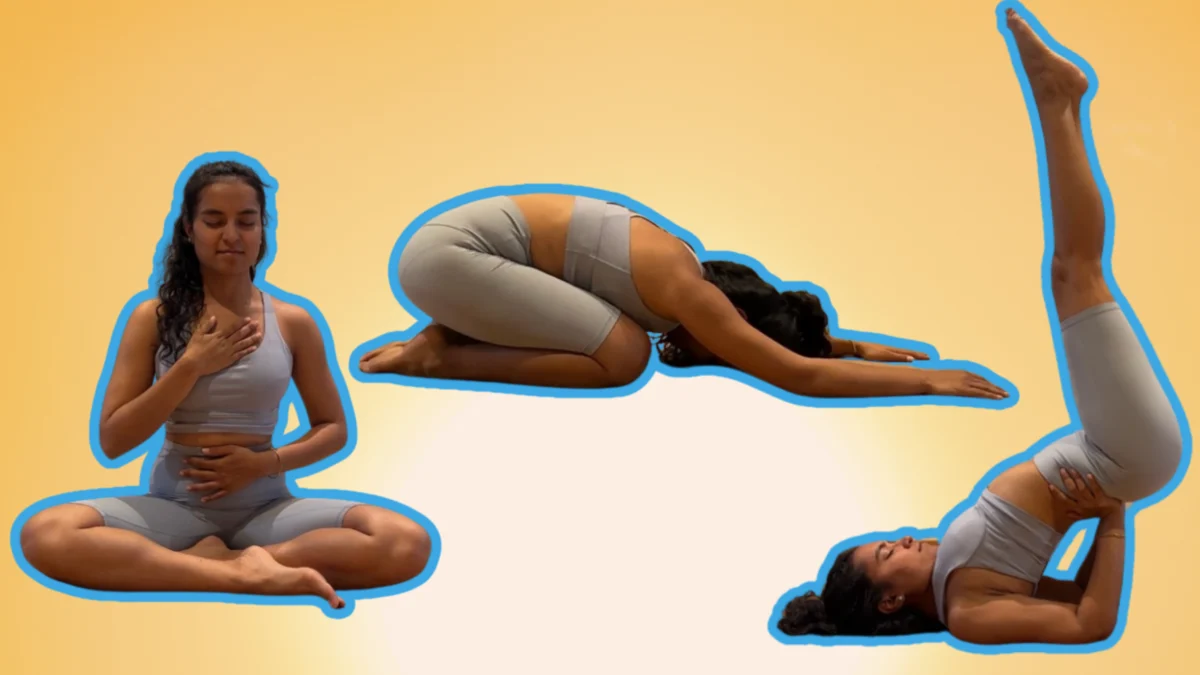
As global temperatures continue to climb and heatwaves become a recurring feature of the summer months, the search for effective, sustainable cooling methods has moved beyond air conditioning and ice packs. While external solutions are necessary, there is a growing body of evidence—rooted in both ancient yogic tradition and modern physiological science—that suggests humans possess an internal "thermostat" that can be adjusted through intentional movement and breathwork.
By shifting the body into a parasympathetic state, practitioners can lower their heart rate, relax skeletal muscles, and, according to recent studies, marginally reduce their core body temperature. In this comprehensive guide, we explore seven specific yoga poses and pranayama (breathwork) techniques designed to help you maintain equilibrium even when the mercury rises.
The Physiology of Cooling: Shifting the Nervous System
When we experience extreme heat, our bodies often react with a sympathetic nervous system response—the "fight or flight" mode. This increases heart rate, triggers perspiration, and can lead to a heightened sense of anxiety, which paradoxically makes the heat feel more oppressive.
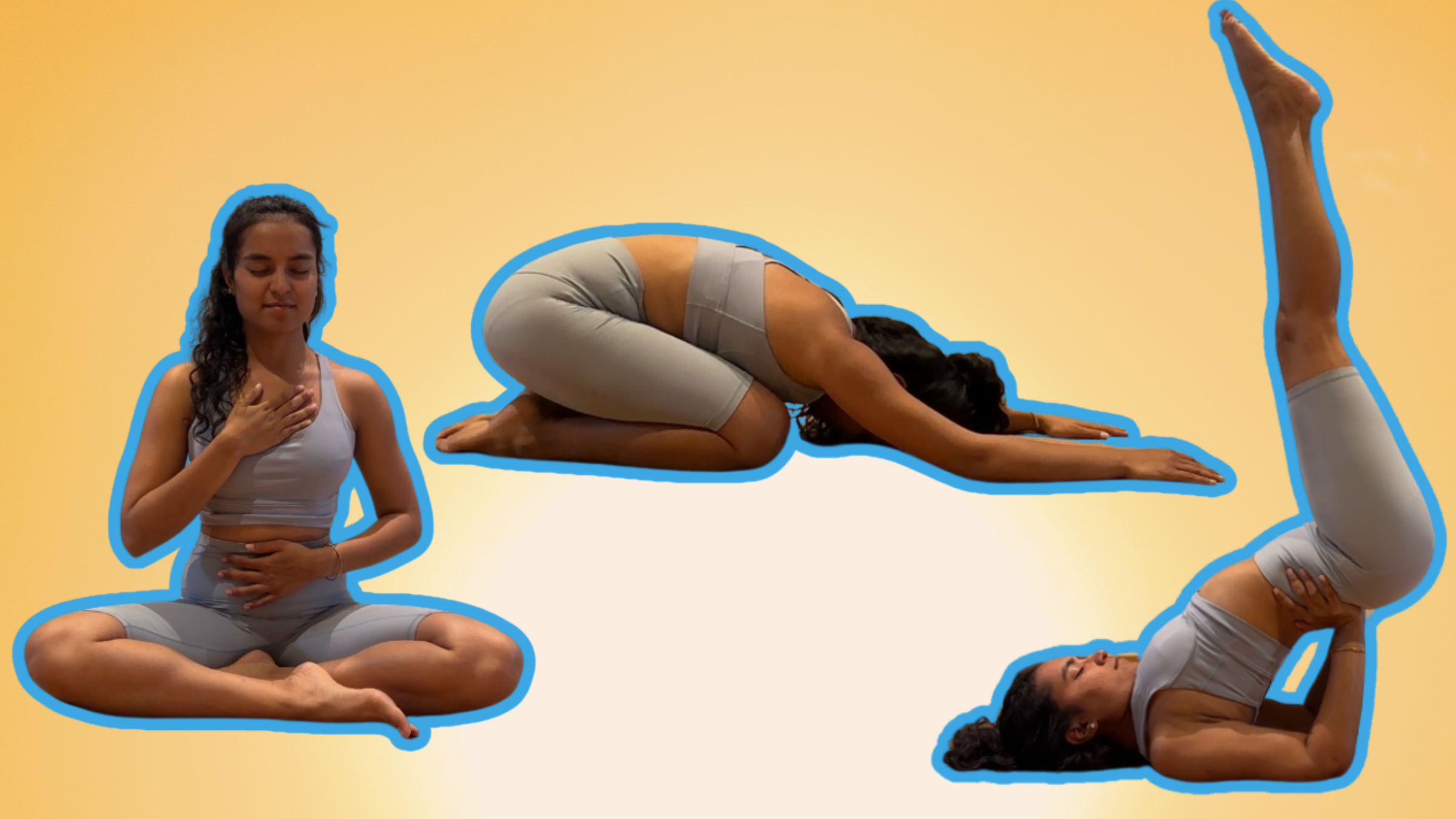
Yoga offers a counter-strategy. By engaging in restorative poses and cooling breathwork, we stimulate the vagus nerve, which activates the parasympathetic nervous system (the "rest and digest" mode). Research published in ResearchGate regarding energy expenditure and body temperature during yoga breathing confirms that these techniques are not merely meditative; they have measurable physiological impacts on how our bodies manage thermal stress. When the body enters this state, the metabolic rate slows, muscle tension dissipates, and the internal environment becomes significantly more hospitable.
7 Cooling Yoga Poses & Breathwork Techniques
The following techniques are accessible to practitioners of all levels. Whether you are recovering from a high-intensity interval training (HIIT) session in the sun or simply seeking refuge from a sweltering afternoon, these methods offer a bridge to restoration.
1. Child’s Pose (Balasana)
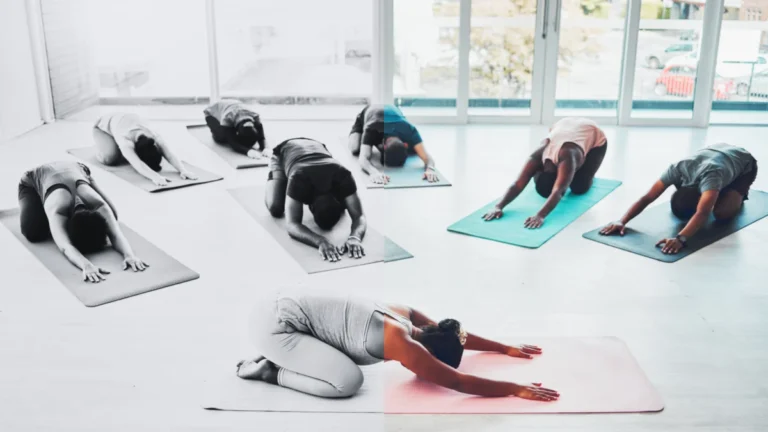
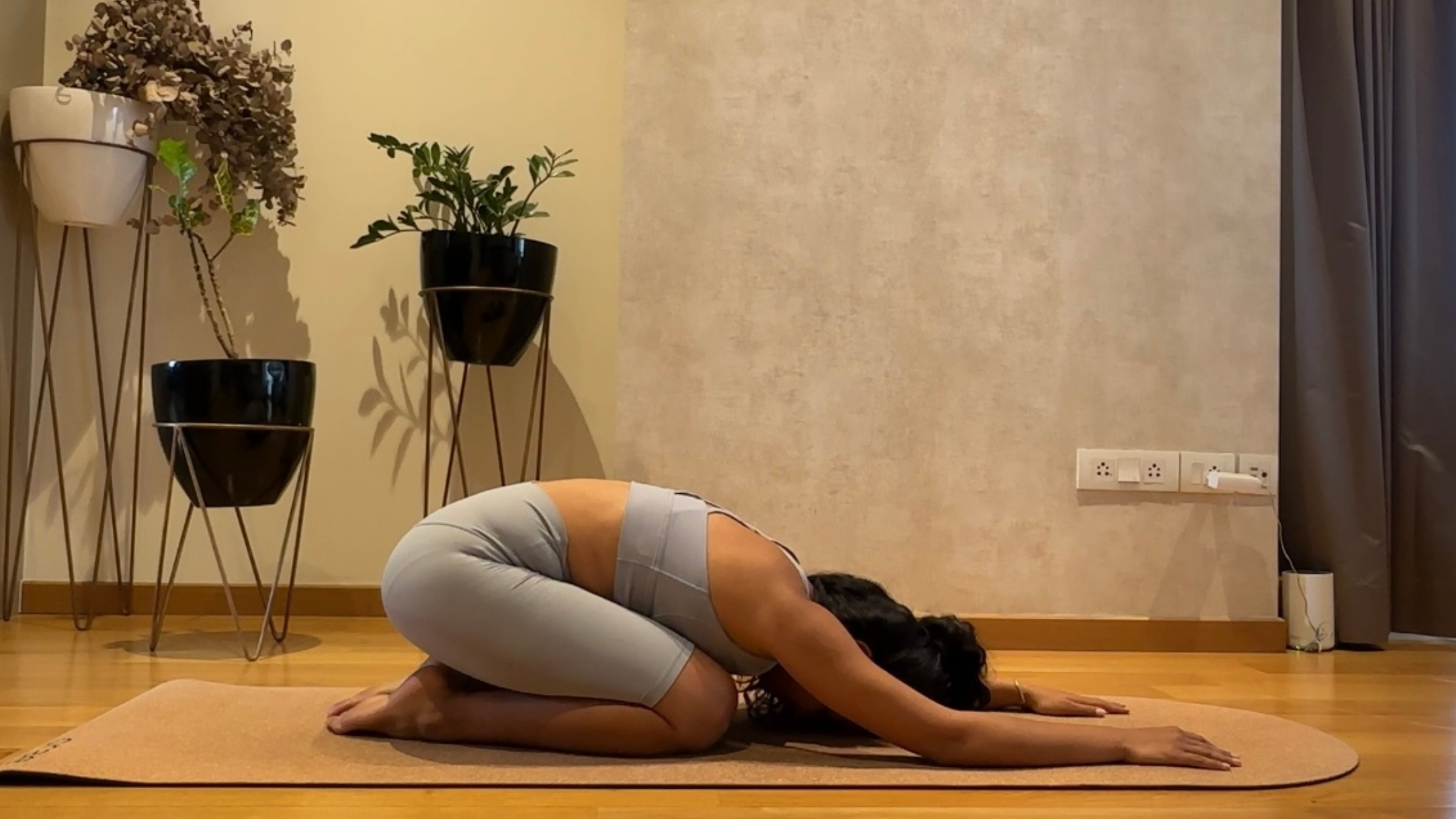
Child’s Pose is the quintessential restorative posture. In a traditional Vinyasa class, instructors frequently use this pose to allow students to recover their breath. Its cooling efficacy lies in its grounding nature; by lowering the head toward the earth and folding the body inward, we signal to the nervous system that it is safe to power down.
- How to: Begin on your hands and knees. Bring your big toes to touch and widen your knees to the edges of the mat. Extend your arms forward, walking your fingertips away from your torso as you lower your chest into the space between your thighs. Rest your forehead on the mat or a block. Close your eyes and visualize the heat leaving your body through your palms and forehead.
2. Crocodile Pose (Makarasana)
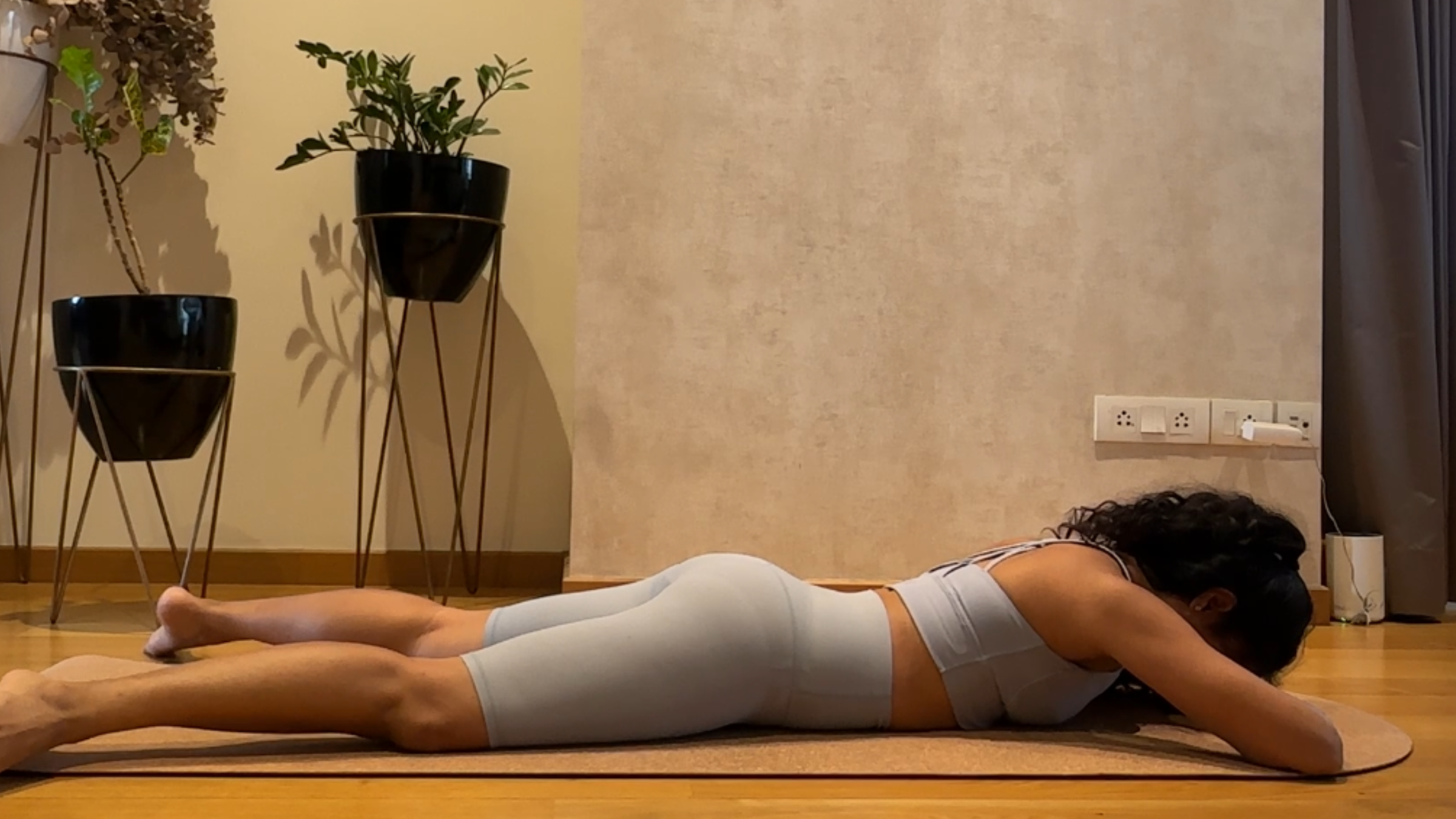
Surrendering effort is the quickest way to lower body temperature. Crocodile Pose requires the practitioner to relinquish all muscular engagement, allowing the floor to support the entire weight of the body. This is particularly effective for heat-induced fatigue.
- How to: Lie prone on your belly, extending your legs straight behind you at hip-distance or wider. Stack your hands, palms facing the mat, and rest your forehead on your top hand. Release the tension in your shoulders and glutes. Stay here for three to five minutes, focusing on the sensation of your belly pressing against the floor with every breath.
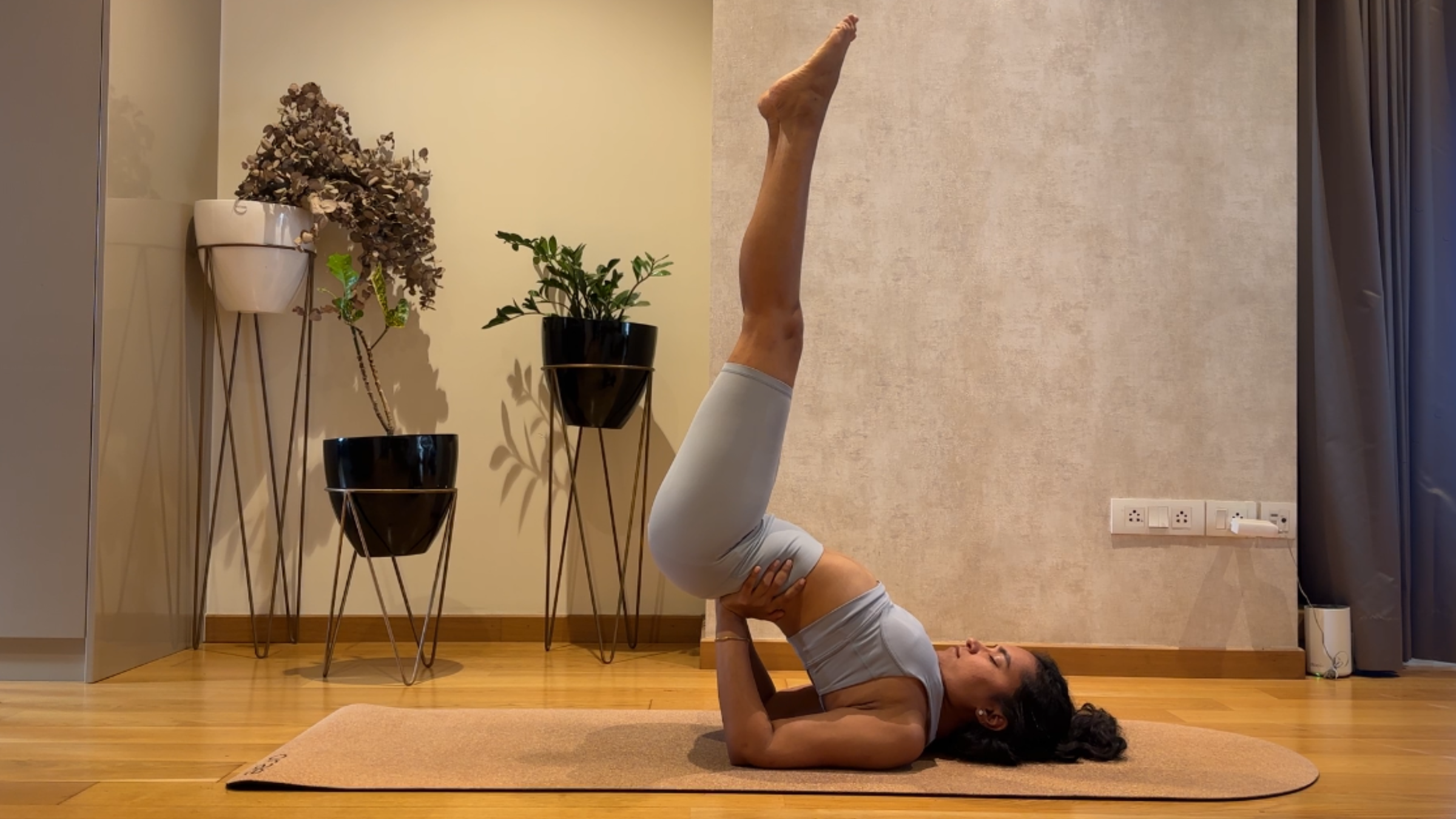
3. Waterfall Pose (Viparita Karani Variation)
Often associated with the grounding of energy, Waterfall is a variation of the classic "Legs Up the Wall" pose. It is considered a mudra, or energetic gesture, designed to draw excess heat and nervous energy away from the head and heart, directing it toward the pelvis and legs.
- How to: Lie on your back with knees bent and feet flat. Lift your hips and support them with your hands, keeping your elbows grounded on the mat. Extend one leg at a time toward the ceiling. Your arms act as a kickstand for your hips. By elevating the limbs, you encourage venous return, which helps the body process thermal stress more efficiently.
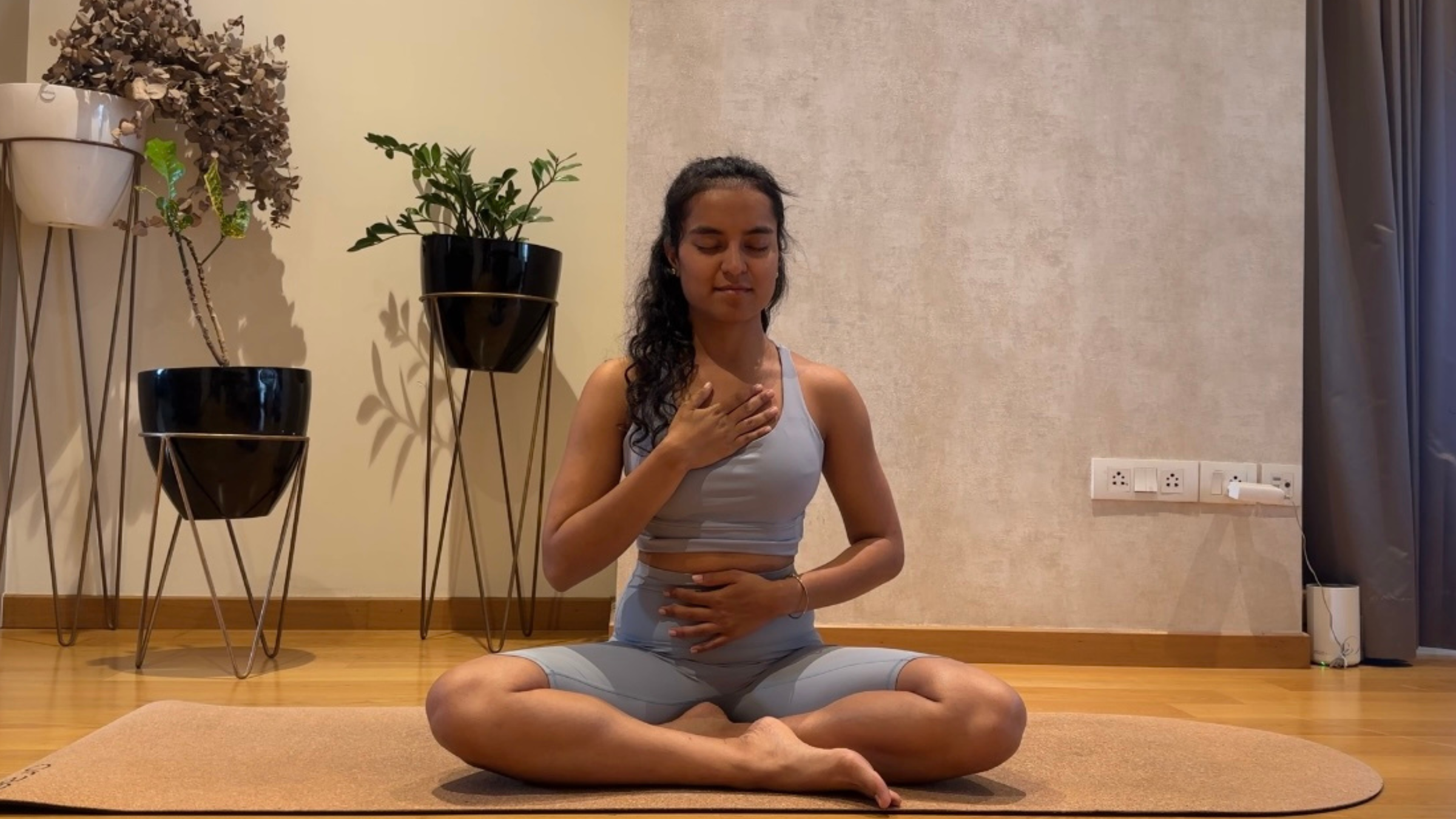
4. Belly Breathing (Dirga Pranayama)
Belly breathing, or diaphragmatic breathing, is a fundamental tool for autonomic regulation. By focusing on the expansion of the abdomen, we stimulate the diaphragm, which is the primary driver of the parasympathetic response.
- How to: Sit comfortably, spine tall. Place one hand on your belly and one on your chest. Inhale deeply, feeling your belly rise against your palm. Pause, then exhale slowly. Focus on making the exhalation twice as long as the inhalation. The lengthened exhale is the key to signaling the body to "chill out."
5. Moon Channel Breathing (Chandra Nadi Pranayama)
In yogic philosophy, the left nostril is associated with the Ida Nadi, or the "Moon Channel," which is believed to be cooling, calming, and feminine. This practice is specifically recommended for times of intense heat or mental agitation.
- How to: Curl the fingers of your right hand into a loose fist. Use your right thumb to gently close your right nostril. Breathe exclusively through the left nostril for several minutes. You will find that this simple restriction changes the rhythm of your nervous system, promoting a sense of internal stillness.
6. Cooling Breath (Shitali Pranayama)
Shitali is perhaps the most famous "cooling" technique in the yoga canon. The practice is traditionally thought to pull moisture from the surrounding air, creating a cooling sensation in the throat and lungs.
- How to: Extend your tongue and curl the sides inward to create a tube shape. If you cannot curl your tongue, simply pucker your lips as if you were drinking through a straw. Inhale deeply through the mouth, making a soft hissing sound. Close your lips and exhale through your nose. Repeat for 5–10 cycles.
7. Corpse Pose (Savasana)
Savasana is not just "resting"; it is the deliberate practice of total integration. Because the body temperature naturally drops when we enter deep relaxation, Savasana is the perfect conclusion to a cooling sequence.
- How to: Lie flat on your back, feet falling open and arms resting at your sides, palms up. Scan your body for any residual tension—perhaps in the jaw, the space between the eyebrows, or the shoulders—and release it. Stay here for at least 5–10 minutes.
Implications and Practical Application
The integration of these techniques into a daily routine serves as a buffer against the physical stressors of modern life. While the practice of these poses does not replace the need for hydration or basic heat safety (such as staying in the shade and consuming water), it provides an essential toolkit for "internal cooling."
Medical experts often note that the primary challenge of heatwaves is not just the physical temperature, but the resulting spike in cortisol and inflammatory markers. By incorporating these yoga-based interventions, individuals can actively lower their physiological arousal.
Furthermore, these practices offer a sense of agency. In a climate where we often feel like victims of our environment, the ability to regulate one’s own internal state through something as simple as a breath or a posture is an empowering shift in perspective.
A Note on Safety
While these techniques are generally safe, always listen to your body. If you are experiencing symptoms of heat exhaustion—such as dizziness, rapid pulse, or nausea—seek medical attention immediately. Use these yoga practices as a preventive and restorative measure, not as a replacement for medical care in emergency situations.
As we look toward the future, it is clear that the wisdom of ancient traditions will play an increasingly vital role in how we navigate the environmental challenges of the 21st century. By returning to the breath and the body, we find that the capacity to cool down is always, quite literally, within us.