


Published August 10, 2026
In our modern, high-speed world, we often carry the weight of our daily responsibilities directly in our shoulders, upper backs, and chests. Between long hours hunched over keyboards and the physical tension accumulated from stress, the feeling of "needing more space" in the body has become a universal experience. Addressing this specific physical and mental fatigue, a new 20-minute Vinyasa flow has been released, designed to pivot away from the typical "work-hard" mentality of exercise, focusing instead on the cultivation of expansion, ease, and bodily awareness.
The Philosophy of Expansion
The core intention behind this routine is not merely to perform traditional asanas, but to find a sense of liberty within the physical frame. By integrating creative arm variations and unexpected transitions, the sequence encourages practitioners to stop "muscling through" their practice and start breathing into areas of restriction.
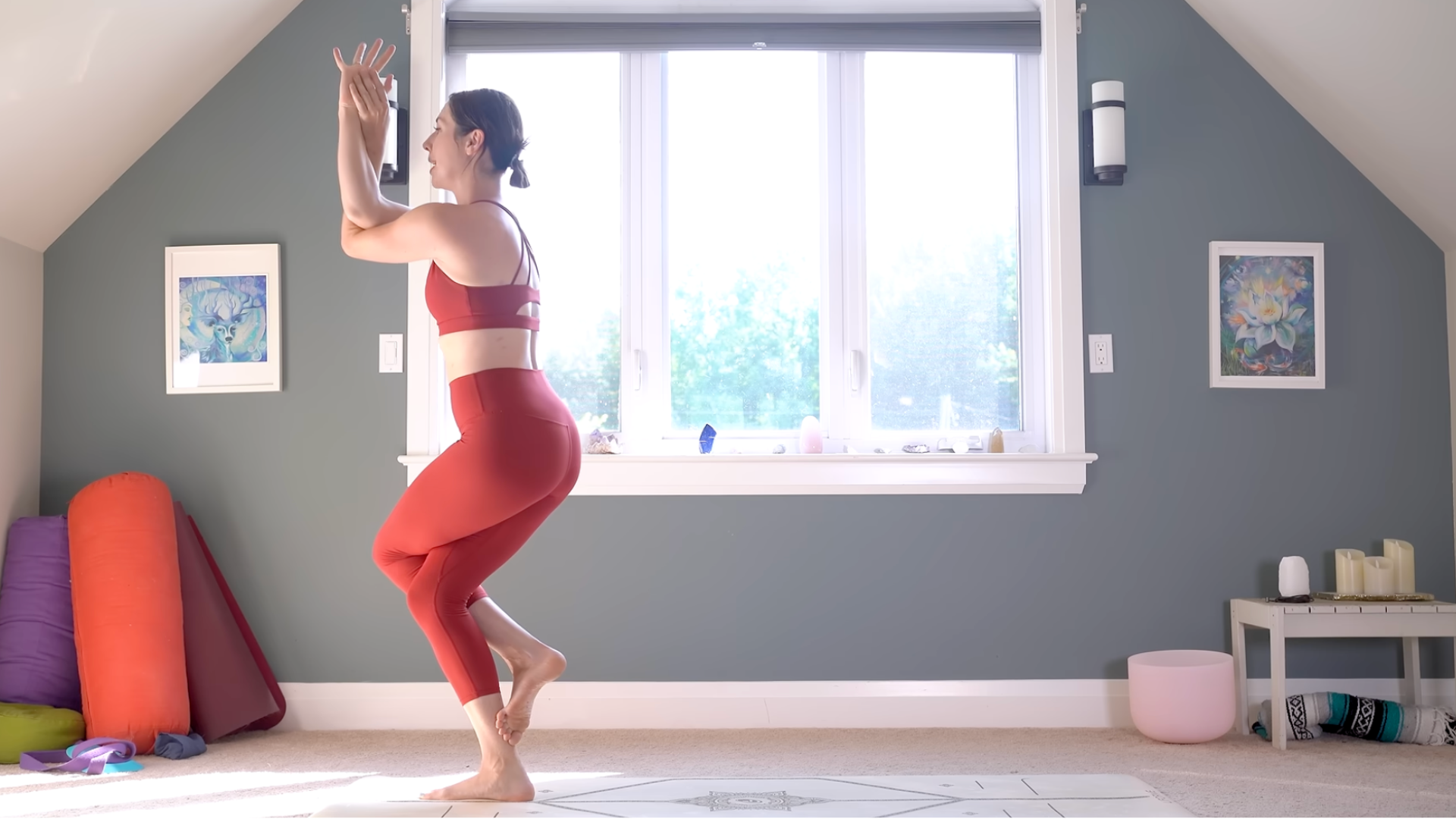
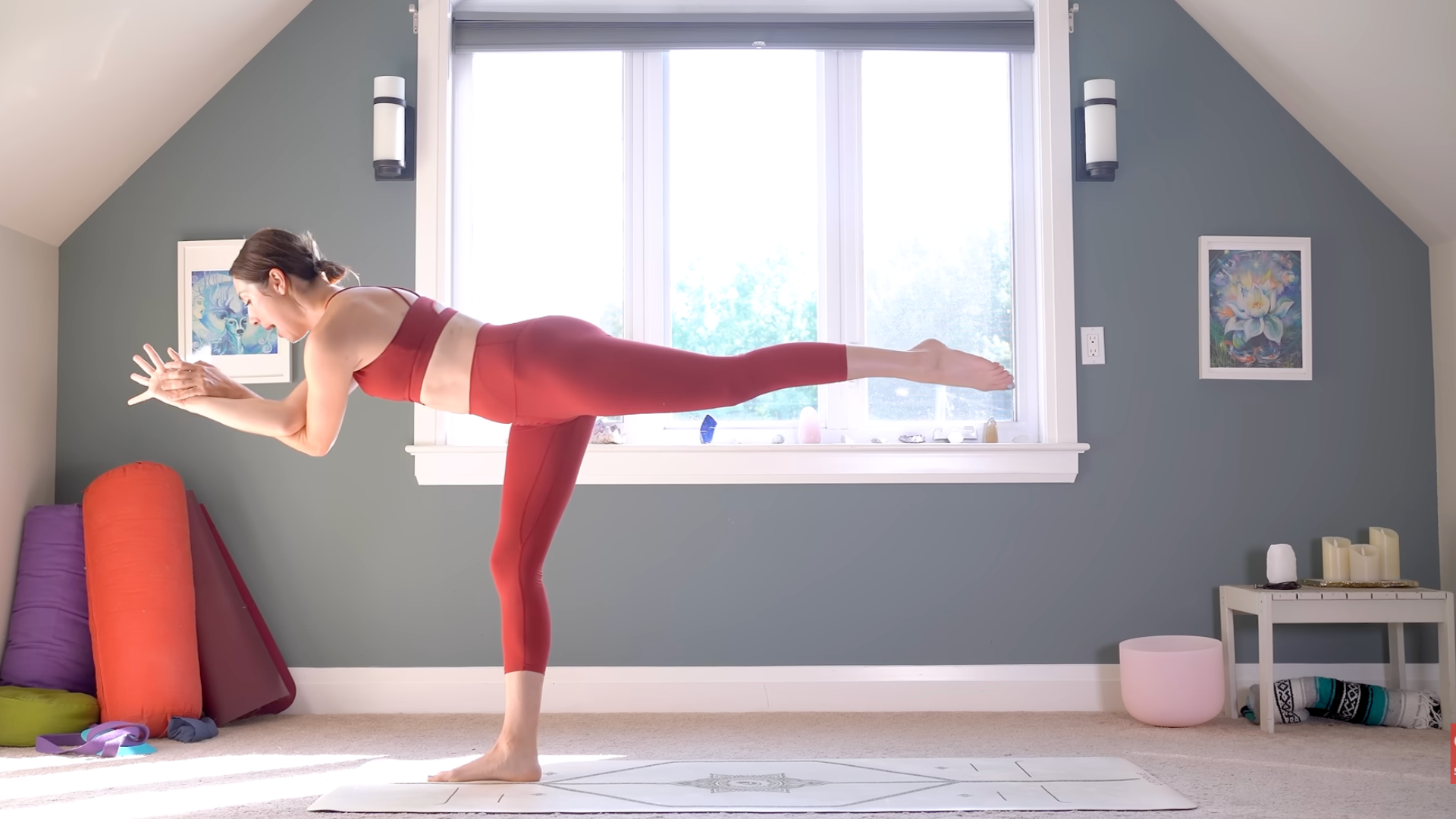
While the flow is comprehensive—incorporating essential hip openers, hamstring stretches, and balancing challenges—the "North Star" of the session remains the upper body. By manipulating familiar poses like Eagle and Warrior 3 with unique arm binds, the routine forces the practitioner to broaden the upper back and open the thoracic spine, creating a tangible sense of roominess that lingers long after the mat is rolled up.
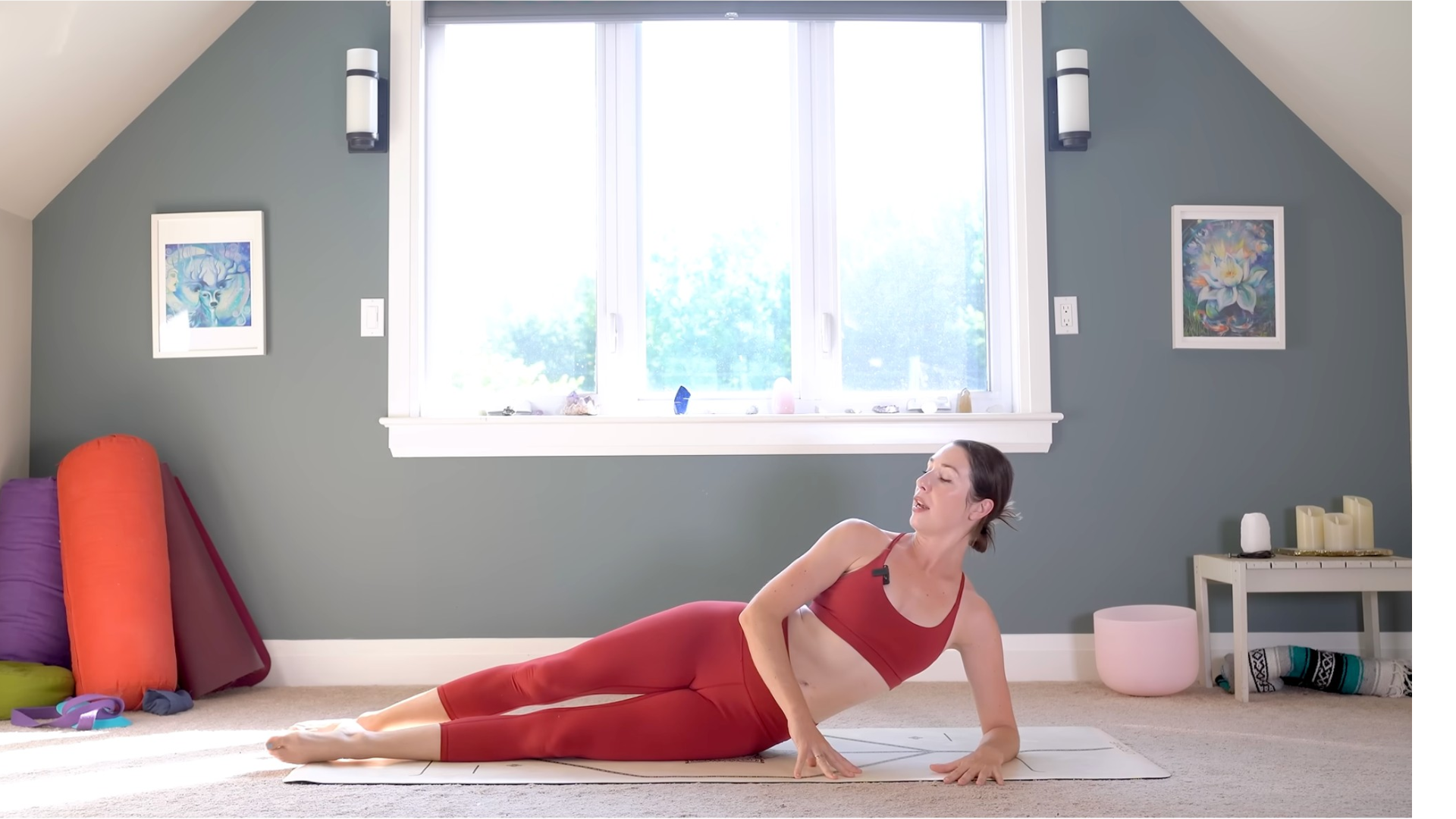
A Chronology of the 20-Minute Flow
This sequence is strategically paced to transition the body from a state of rest to active expansion, and finally, to deep integration.
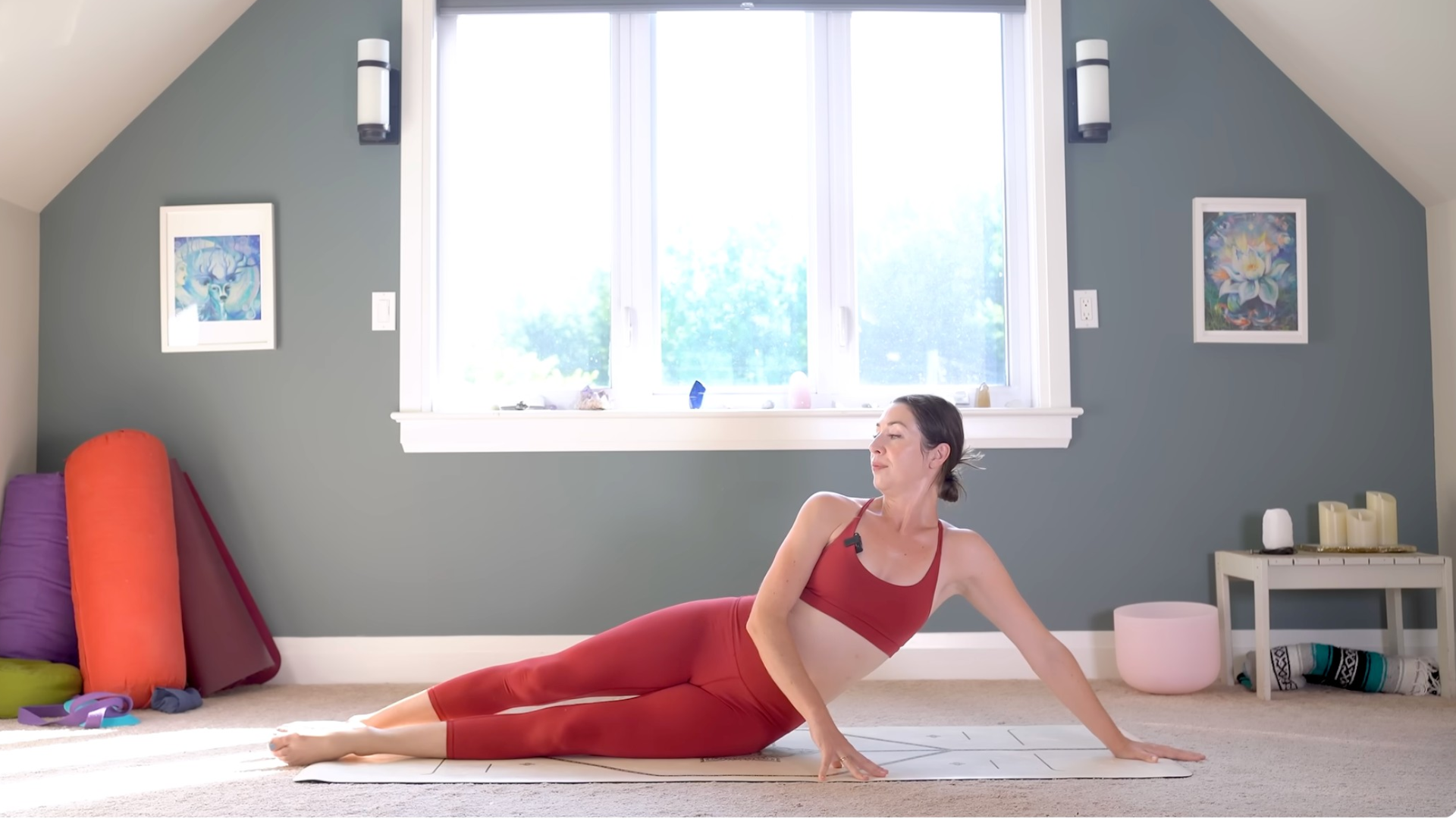
Phase 1: Reclining Foundations
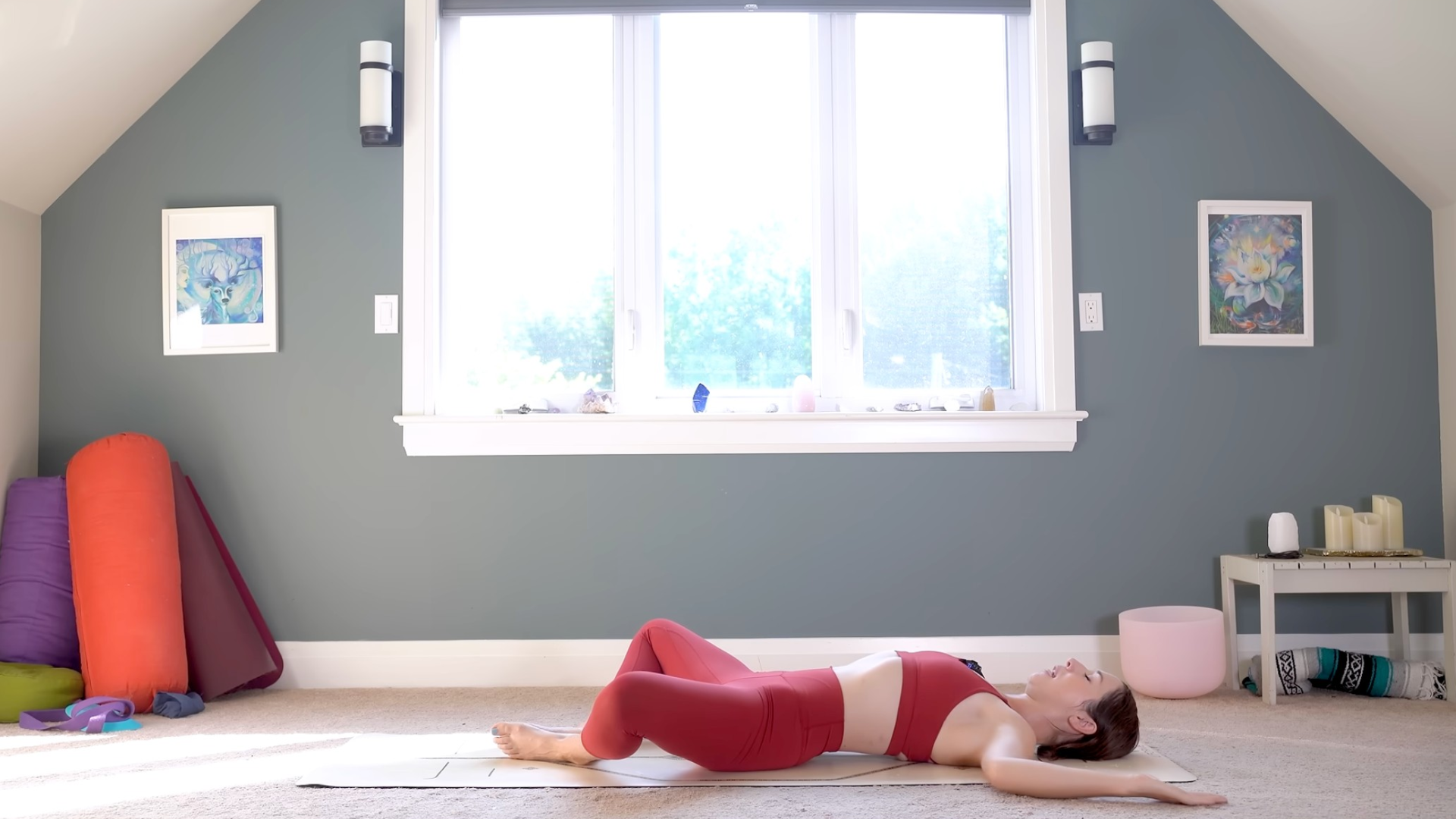
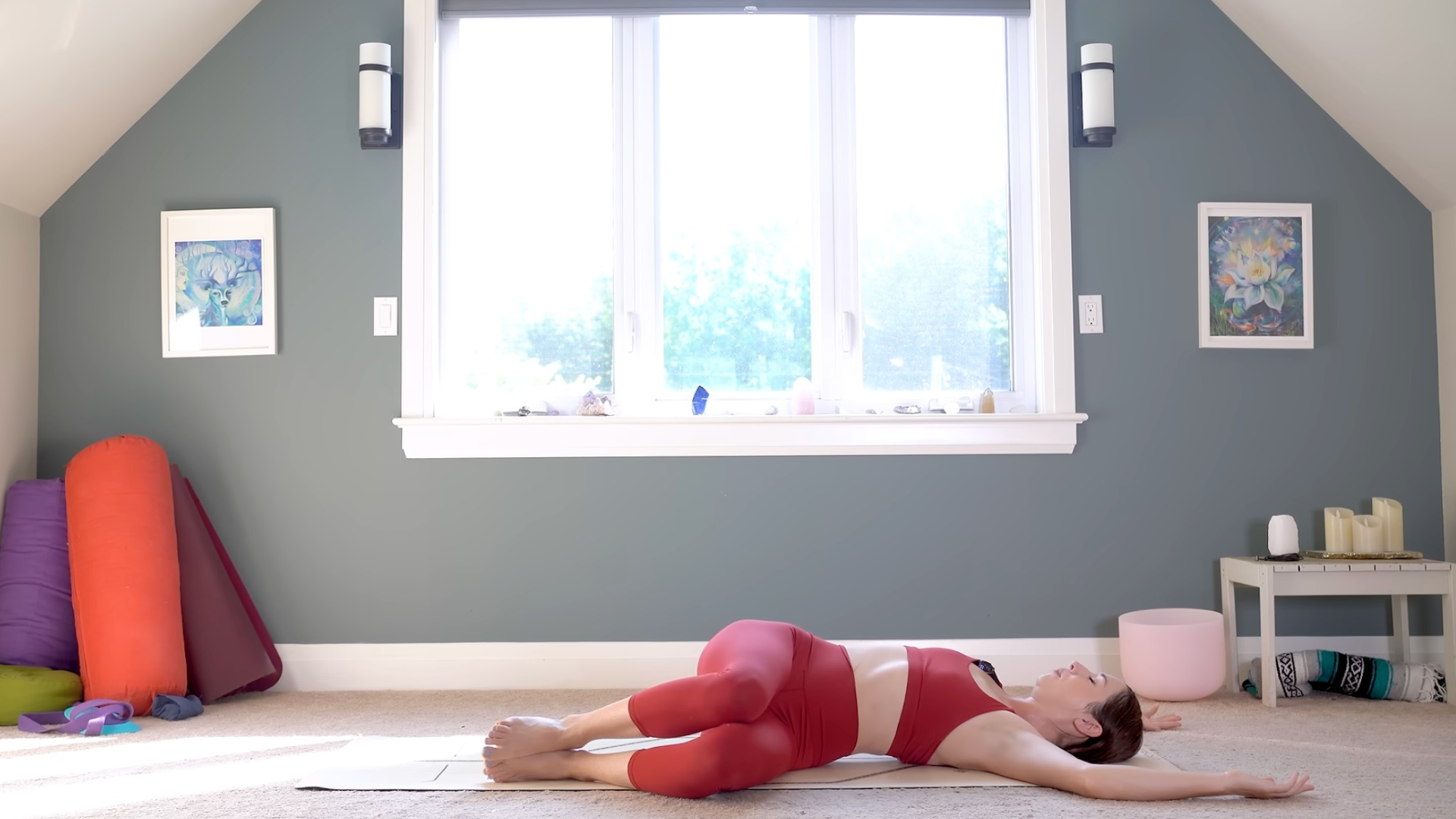
The practice begins on the back, emphasizing the ground as a source of support. In Reclining Bound Angle Pose, the practitioner is introduced to dynamic cactus arms. By sliding the arms along the floor while in a cactus shape, one creates a rhythmic, fluid motion that releases the pectoral muscles. This is followed by Reclining Twists, which act as a gentle bridge, prepping the spine for the more intense movements to come.
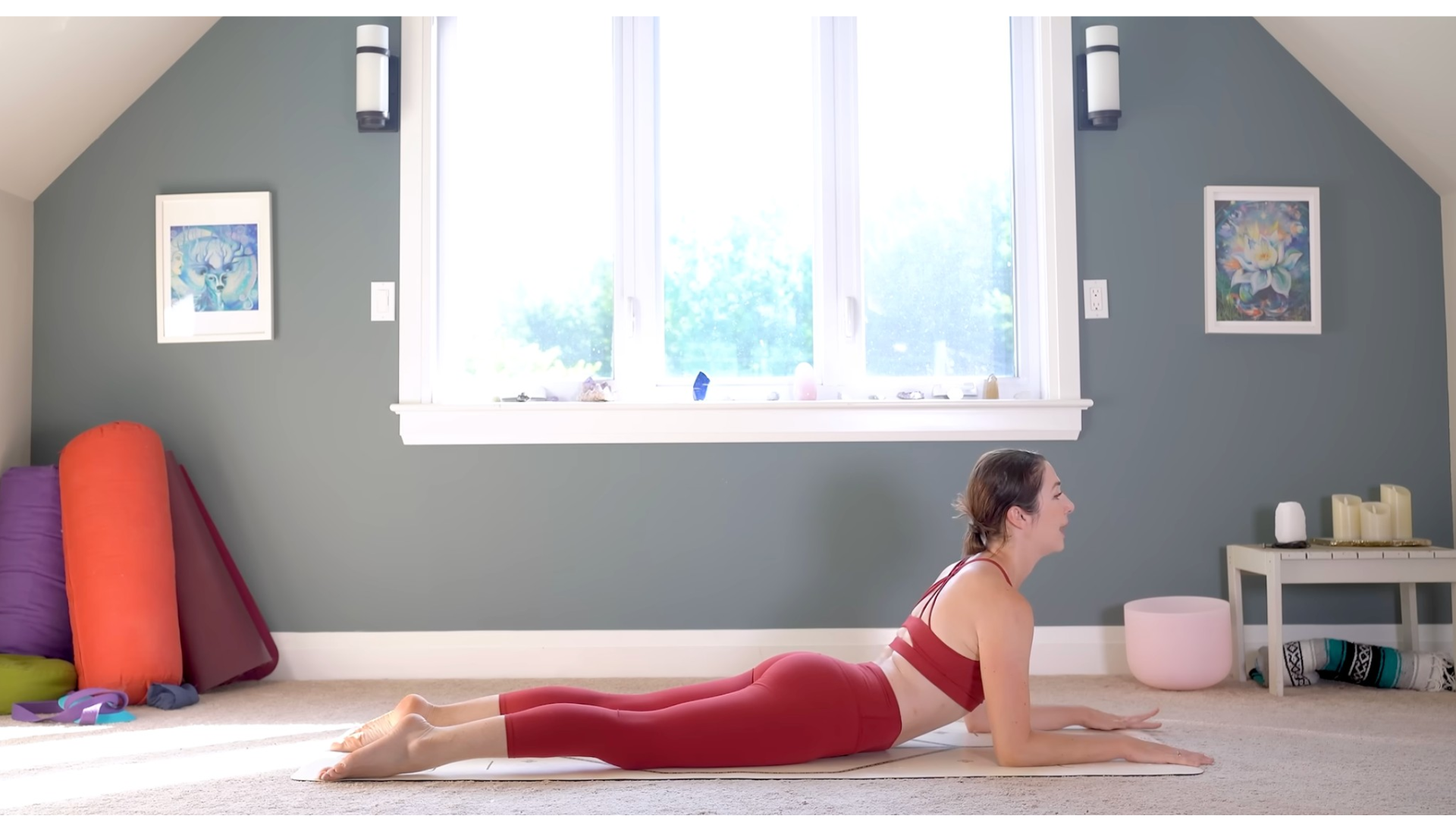
Phase 2: The Sphinx and the Spine
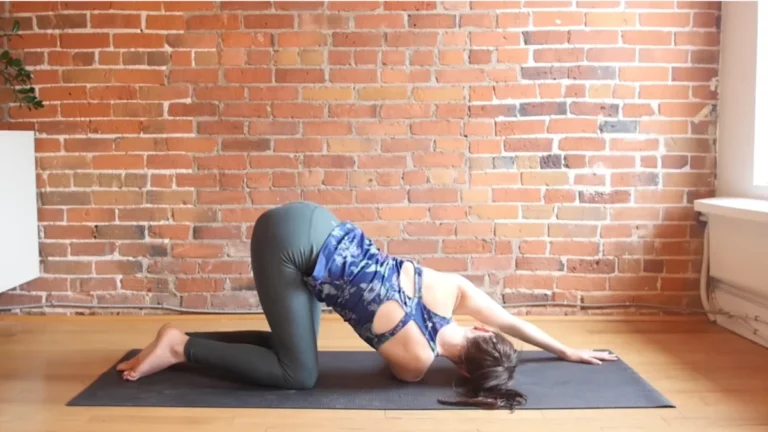
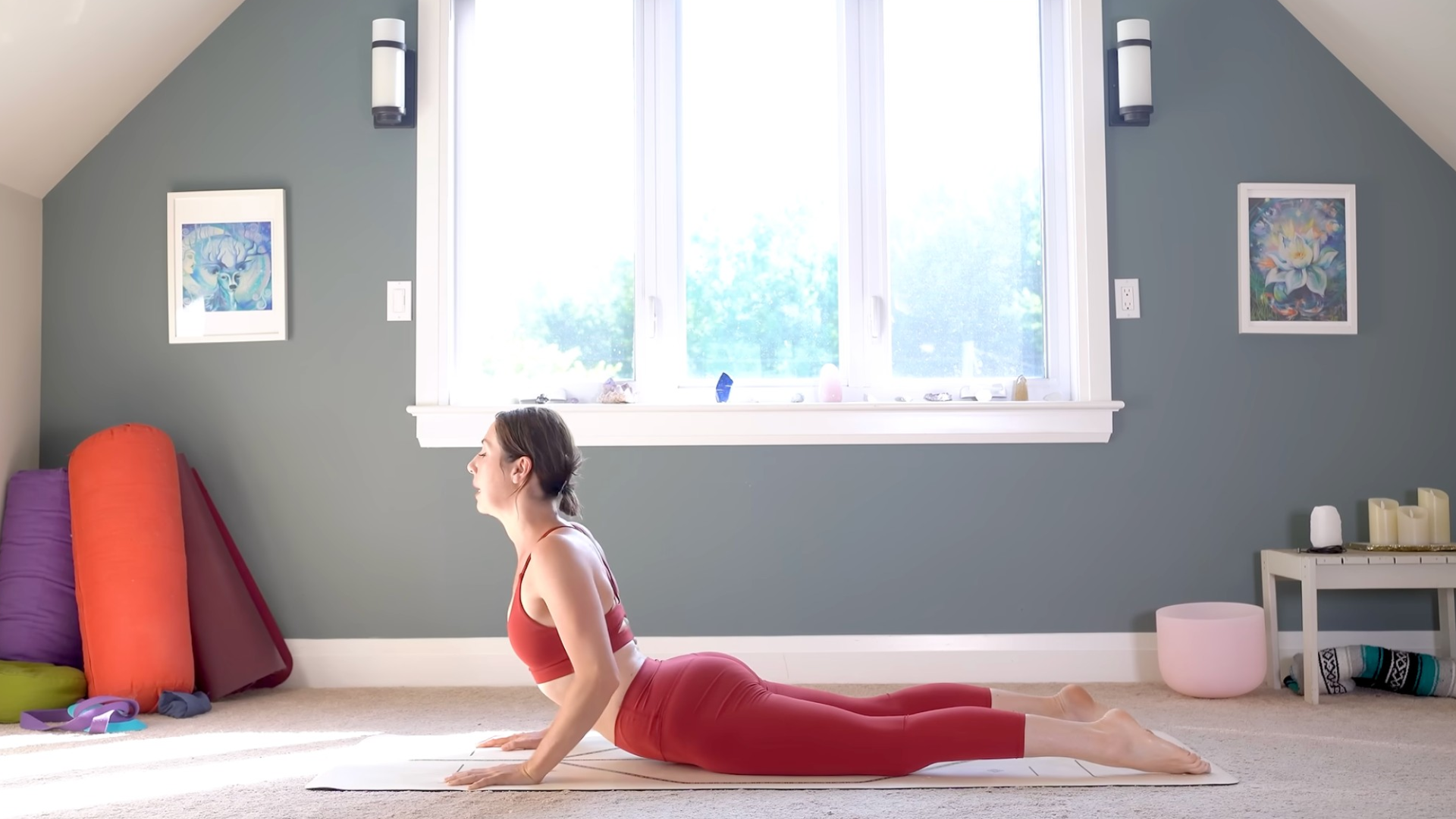
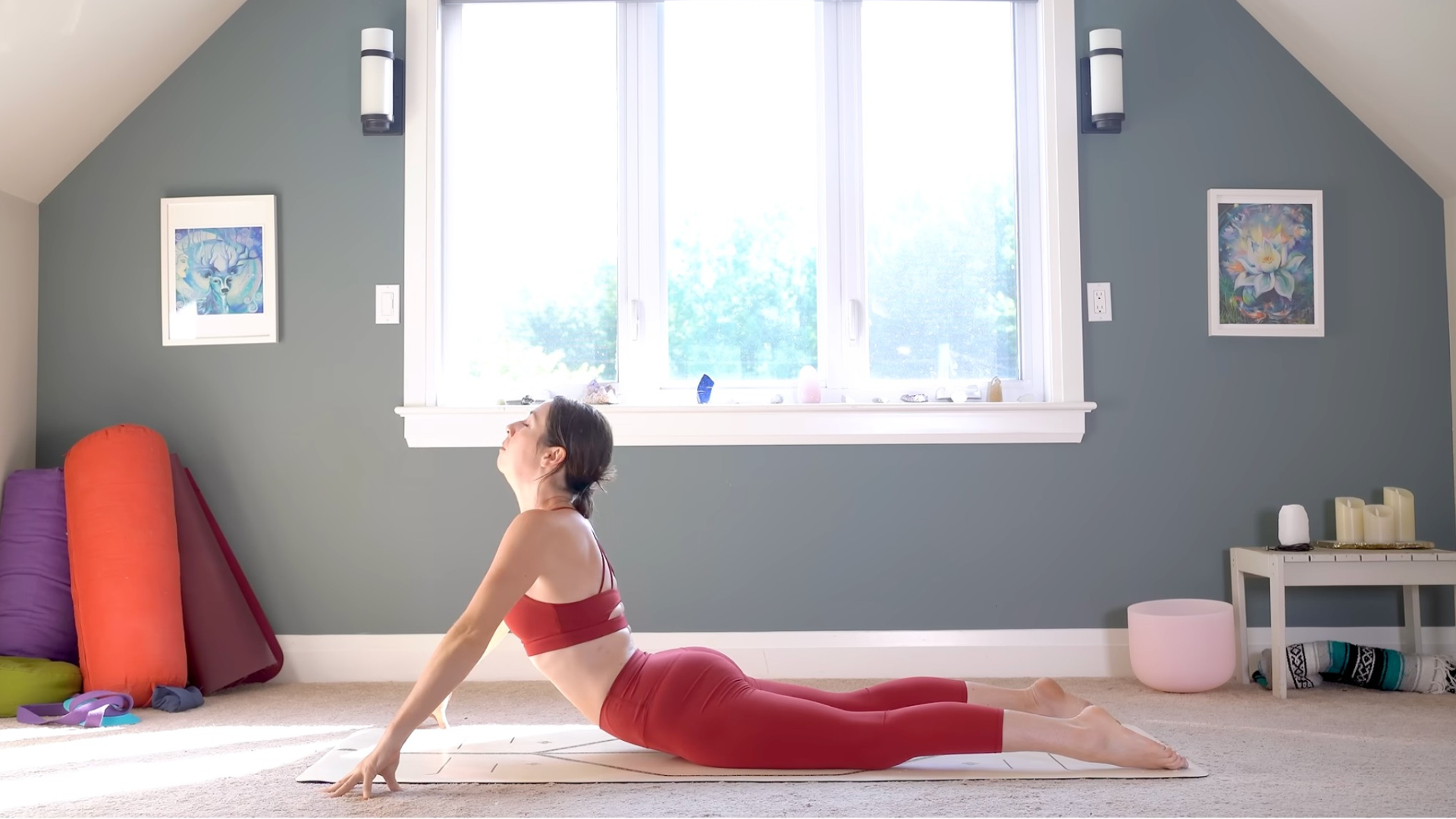
Moving from the floor, the practitioner enters a series of Side Sphinx and Full Sphinx poses. These variations are critical for those who spend their days in a forward-sloping posture. By propping the body on the elbows or palms, the practitioner learns to "pull the heart forward," effectively counteracting the slump of the shoulders.
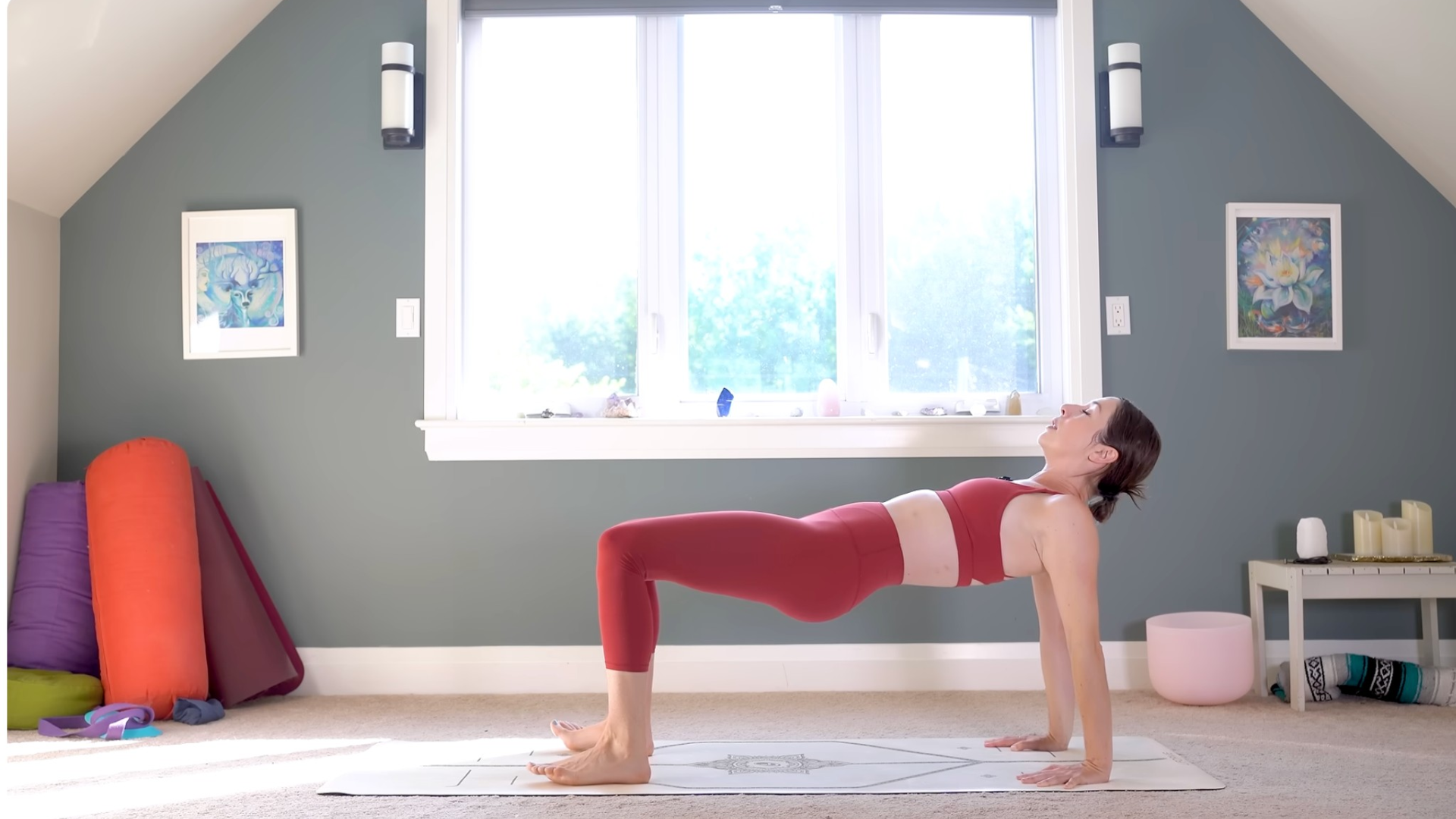
Phase 3: Building Heat and Balance
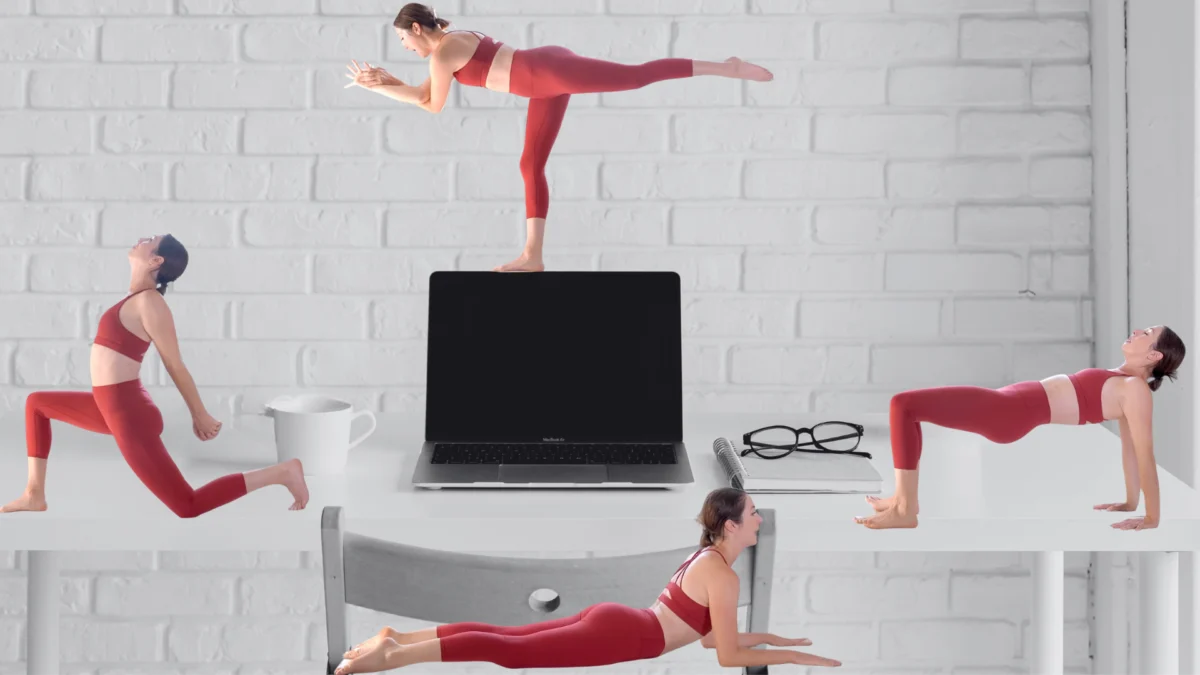
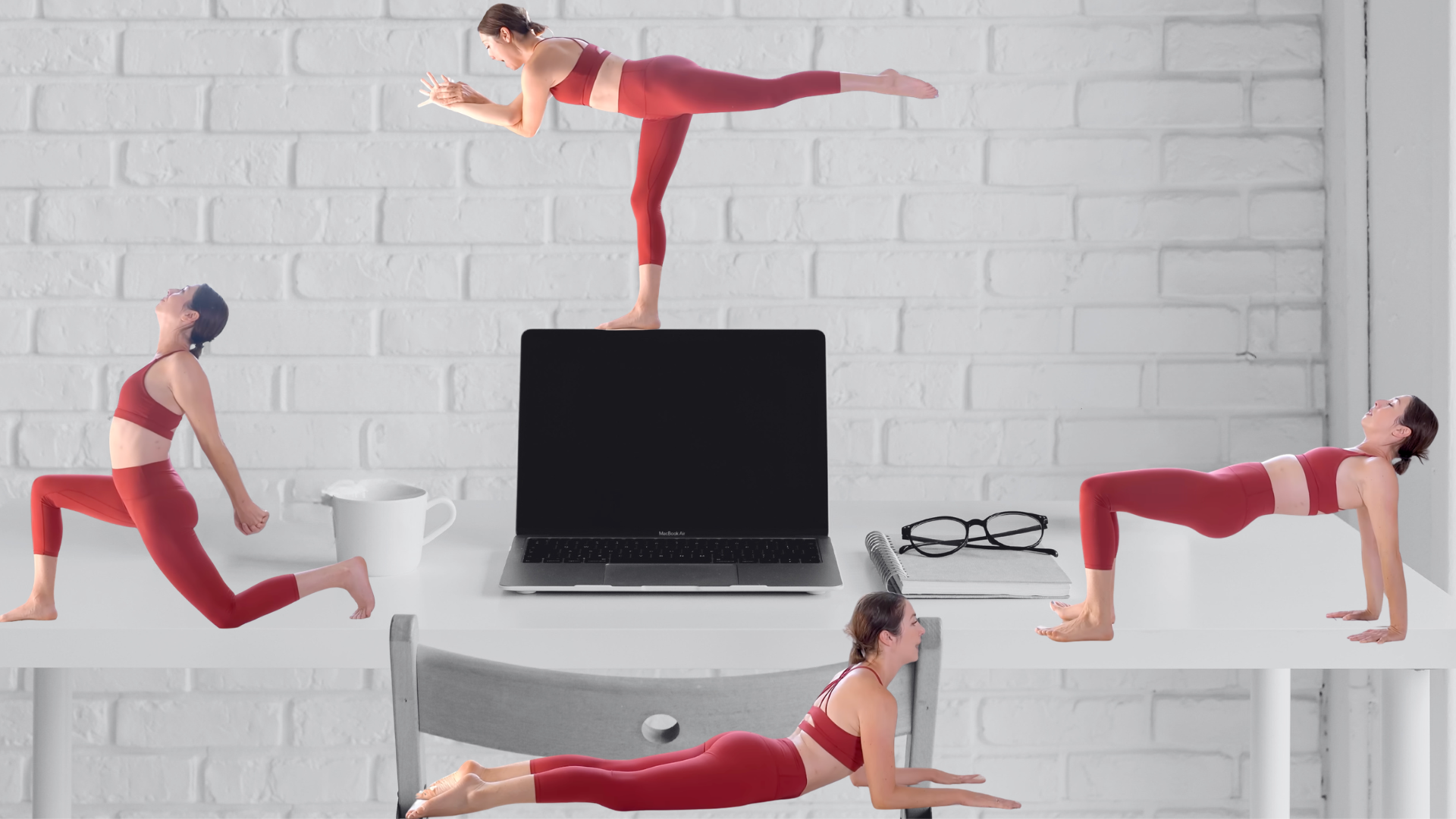
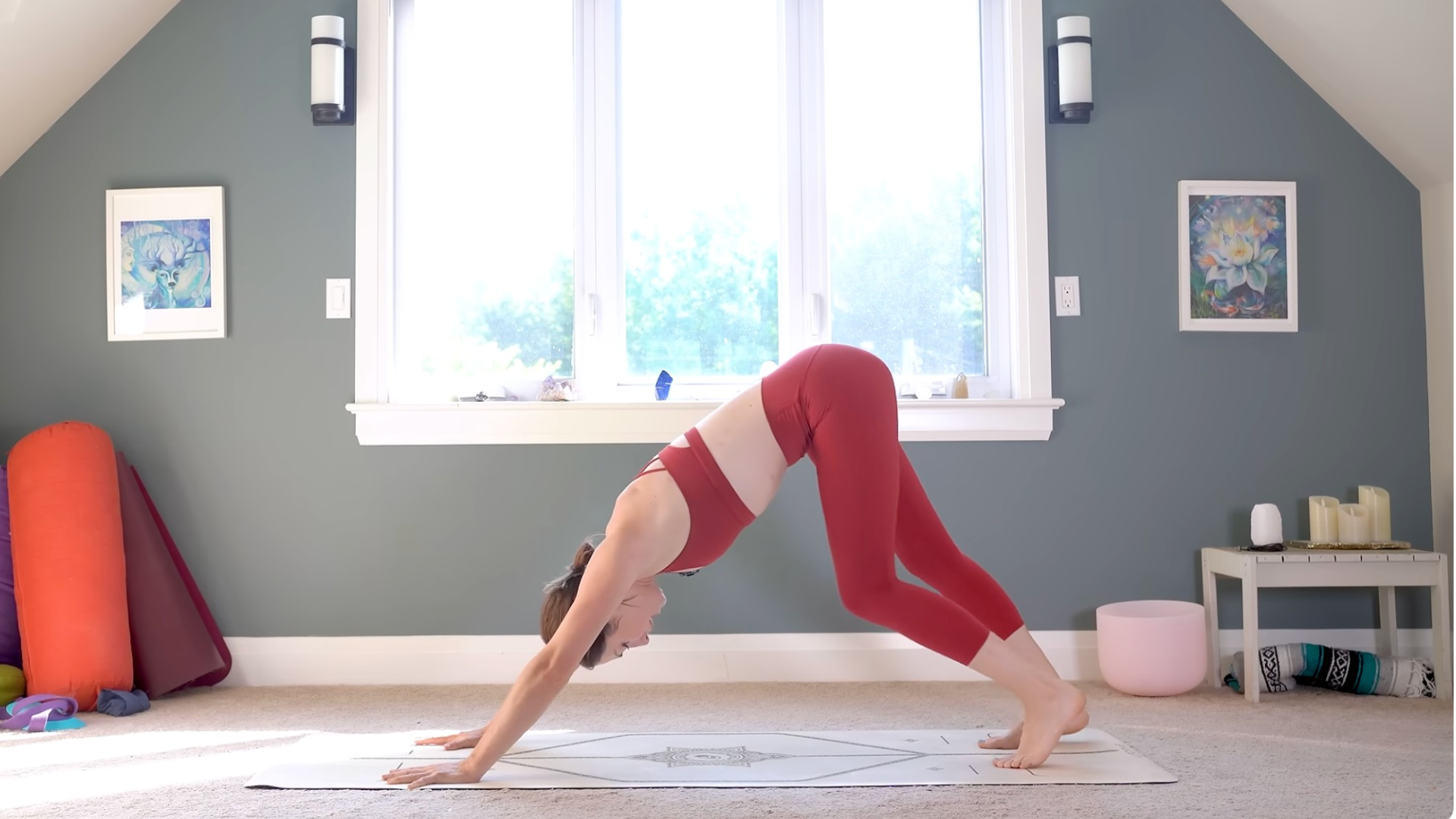
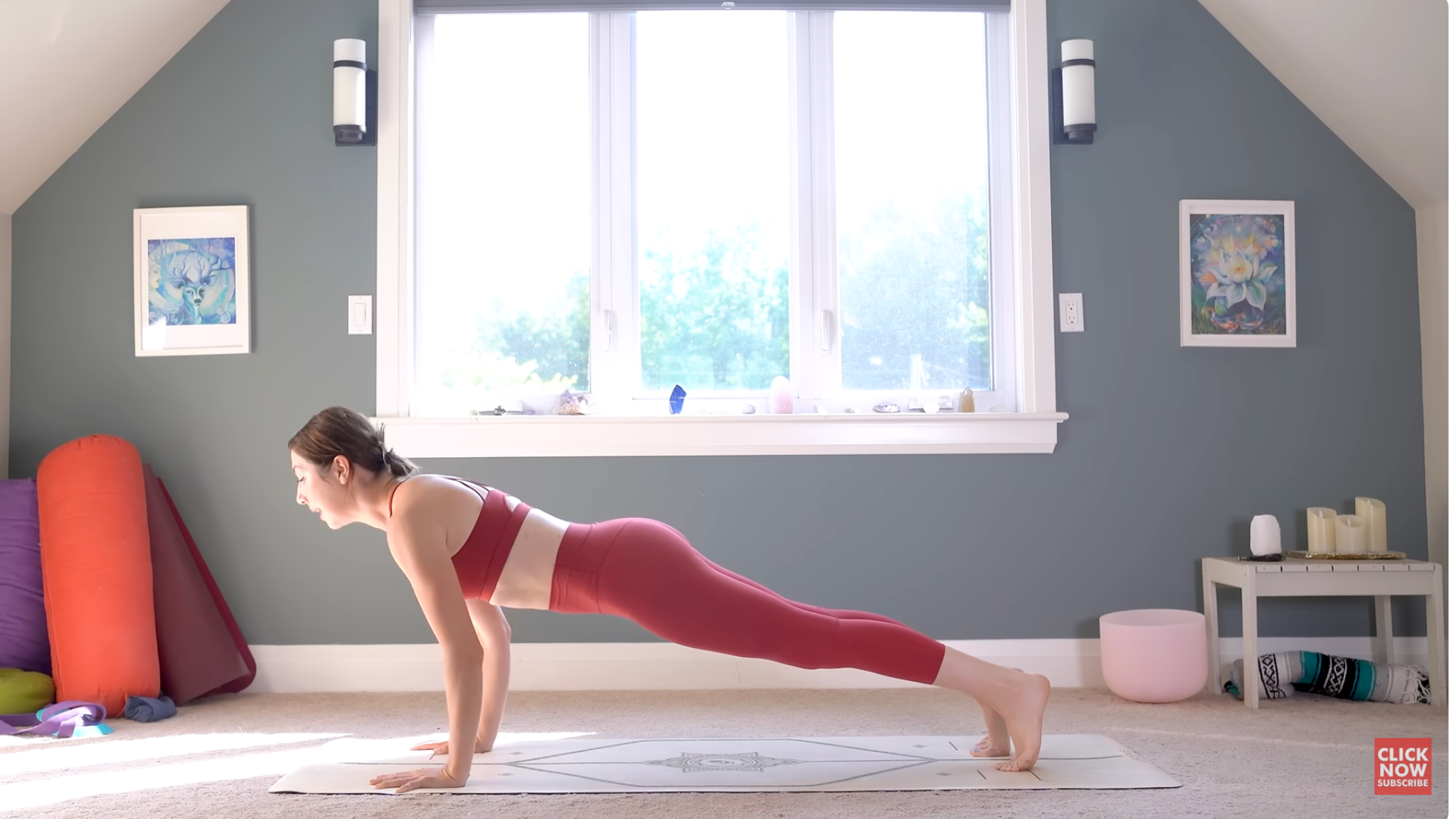
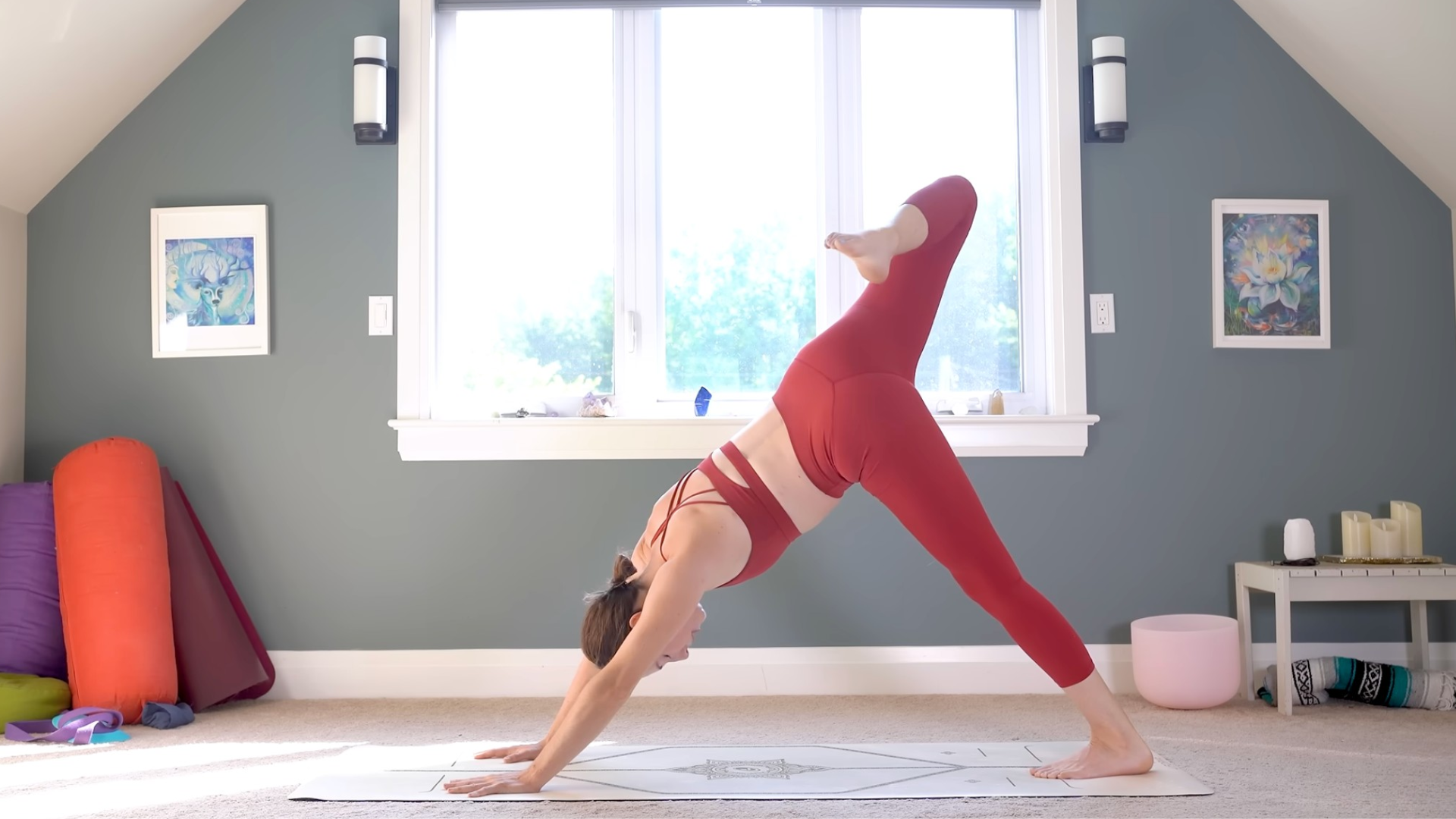
Transitioning into Reverse Tabletop, the sequence introduces a challenge for shoulder mobility. This is followed by the traditional Downward-Facing Dog, which is used as a restorative reset button. The flow then moves into a series of Cobra poses, utilizing the concept of "movement as a wave" to ensure the backbends are fluid rather than rigid.
Phase 4: The Peak Sequence (Eagle and Warrior 3)
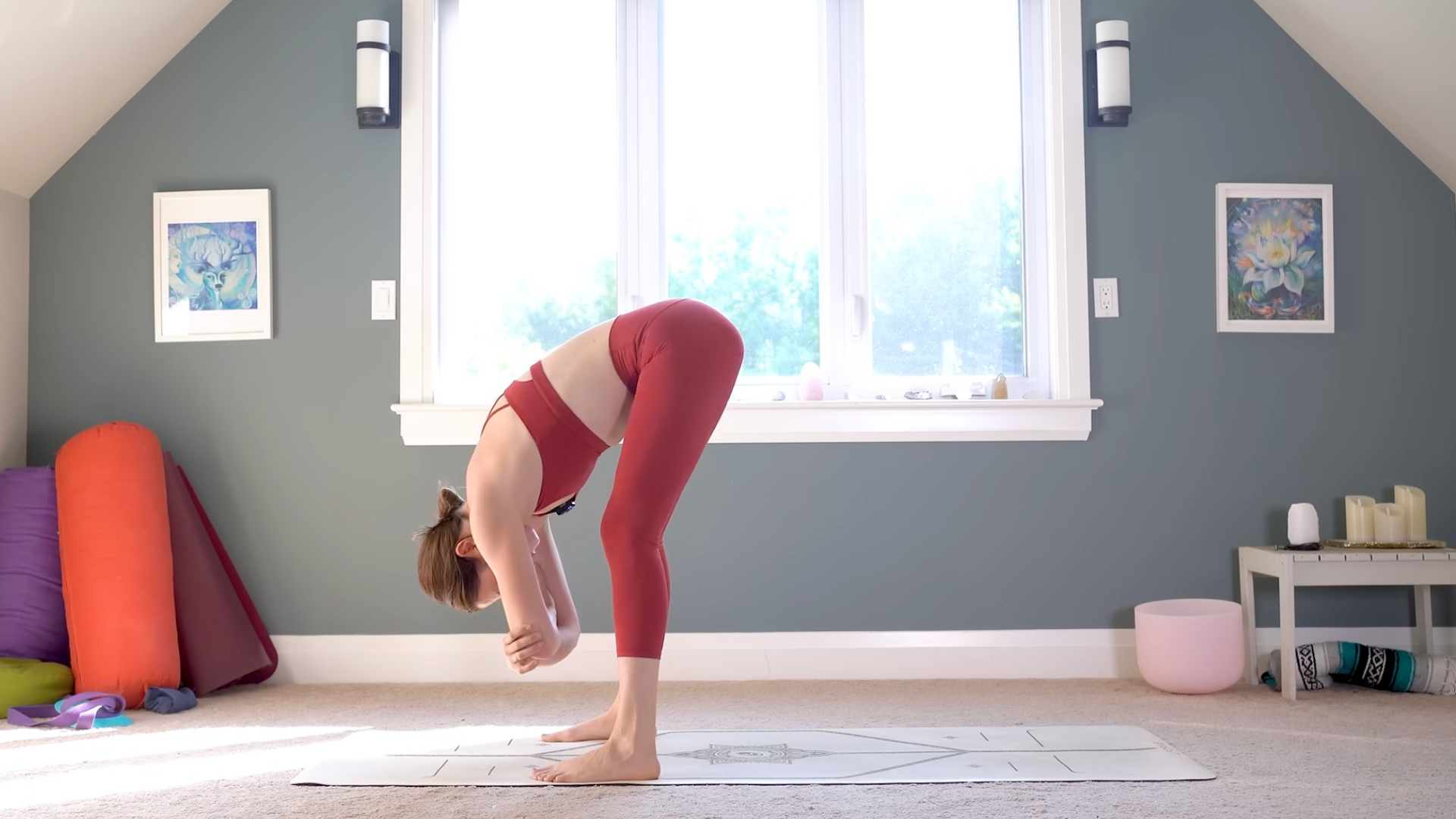
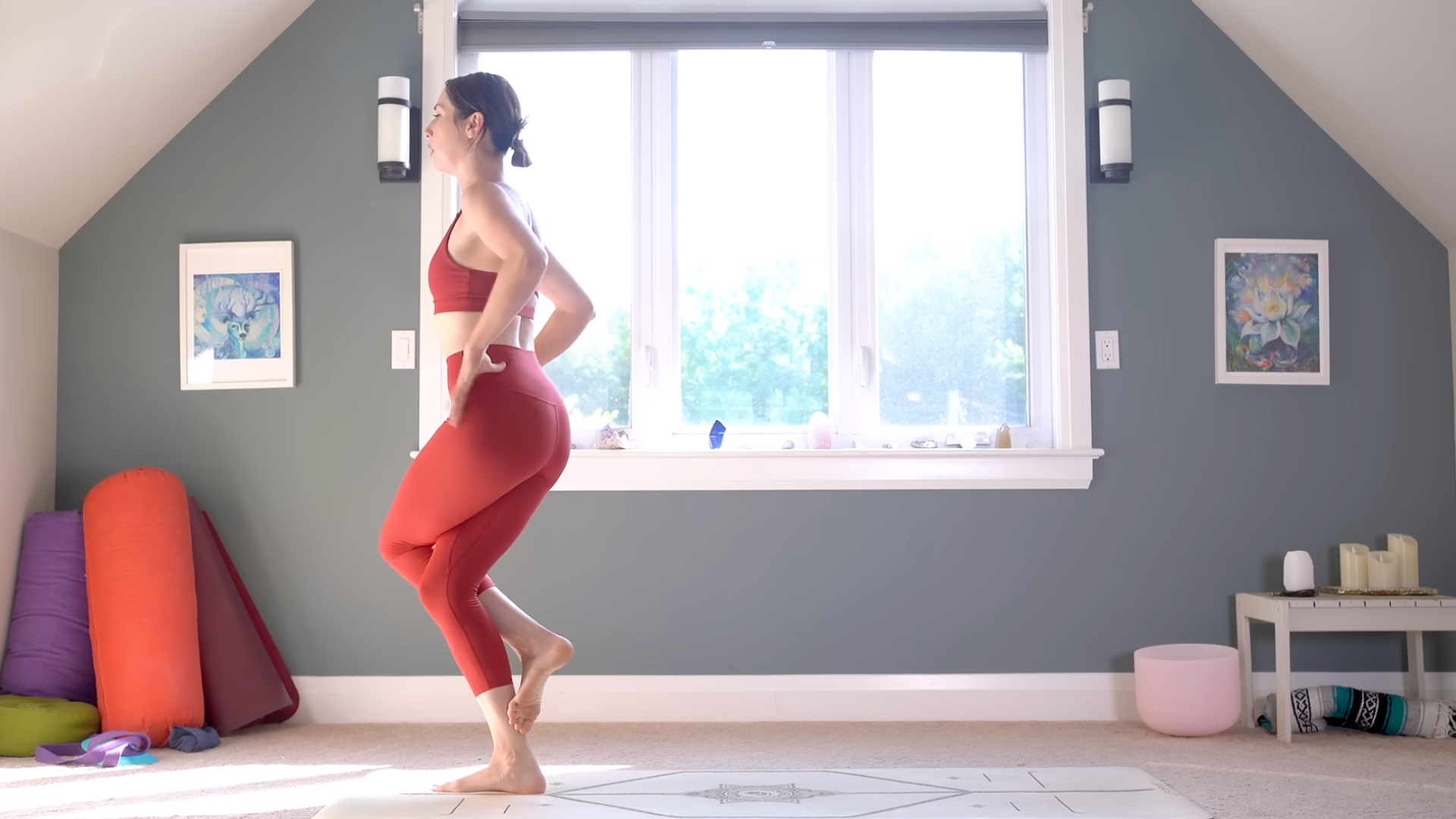
The centerpiece of the routine involves a transition between Eagle Pose and Warrior 3. By maintaining the "Eagle bind" (crossing the arms) throughout the transition to Warrior 3, the practitioner is forced to broaden the shoulder blades against the resistance of the bind. This specific sequence concludes with a High Lunge that utilizes the same arm positioning, before opening the chest wide to feel the sudden relief and space created by the release.
Phase 5: Deep Integration and Savasana
The final portion of the class focuses on Pigeon Pose and Half Happy Baby. These poses address the lower body tension, ensuring the hips—the emotional storage center of the body—are balanced with the openness of the chest. The practice culminates in Savasana, with an option to keep the arms extended overhead to continue the shoulder opening, allowing for a total, systemic release of tension.
Supporting Data: Why Breath and Mobility Matter
The effectiveness of this 20-minute flow lies in the synergy between mechanical movement and controlled respiration. According to exercise physiologists, "spaciousness" in the chest—often referred to as thoracic mobility—is the single most important factor in respiratory efficiency. When the pectoralis minor and major muscles are tight, they pull the shoulders forward, restricting the diaphragm’s ability to expand fully.
By using the "cactus arm" dynamic movement, the practitioner engages in active stretching. Unlike static stretching, which can sometimes trigger a protective guarding response in the nervous system, active, movement-based stretching encourages the nervous system to "let go" of stored tension. The inclusion of the "full inhalation and total depletion" of breath serves as a physiological reset, downregulating the sympathetic nervous system (fight-or-flight) and upregulating the parasympathetic system (rest-and-digest).
Perspectives from the Mat: Expert Insight
Yoga With Kassandra, the creator of this specific sequence, emphasizes that this routine is not about aesthetic perfection or hitting the "deepest" expression of a pose. "The goal is to feel comfortable in your own body," says the instructor.
She notes that for many, the "limitations" they feel in their practice are simply areas where they haven’t yet learned to breathe. "When we move into a bind, like in Eagle pose, we feel compression. That compression is just as important as expansion. By contrasting the two, we make the final ‘opening’ of the chest feel even more profound."
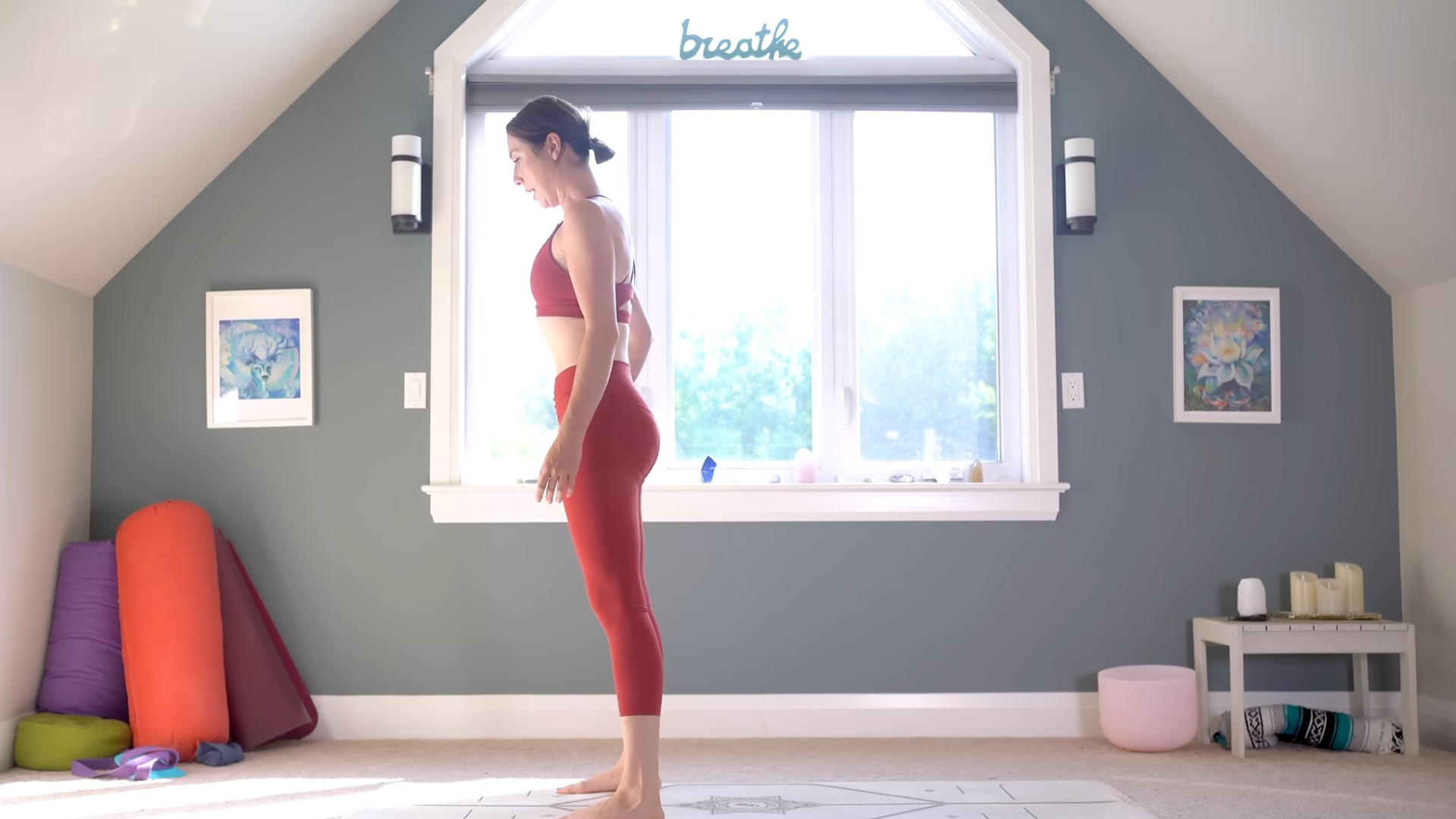
For beginners, the advice is consistent: do not rush the transitions. If a pose requires more stability, the practitioner is encouraged to use props like blocks or straps. However, the routine is intentionally minimalist—no props are strictly required—to ensure that accessibility remains high, regardless of where the practitioner is practicing.
Implications for Daily Life
The implications of a daily 20-minute practice of this nature are significant. By prioritizing chest and shoulder mobility, practitioners can expect:
- Improved Postural Awareness: The conscious effort to pull the heart forward during the Sphinx and Cobra phases translates into a subconscious tendency to sit and stand with better alignment throughout the workday.
- Reduction in Chronic Tension Headaches: Many tension headaches are the result of "tech neck" and rounded shoulders. By opening the upper back and neck, the structural load on the cervical spine is reduced.
- Increased Emotional Regulation: The act of taking up space—physically extending the arms, opening the chest, and breathing deeply—has been shown in behavioral studies to lower cortisol levels. When we expand our physical presence, we often find a corresponding expansion in our capacity to handle stressful situations.
- Mental Clarity: By ending the session with a slow, deliberate Savasana, the brain is allowed to transition from the "doing" mode into a "being" mode, providing a mental clarity that can sustain the practitioner for the remainder of their day.
Conclusion: A Call to Action
The 20-minute Vinyasa flow provides a scalable solution to the modern epidemic of physical restriction. Whether you are a seasoned yogi or someone who has never stepped onto a mat, the sequence offers a pathway to feeling more at home in your body.
As you navigate the poses, remember that the goal is not to reach a destination, but to find a sense of ease in the transition. The next time you find yourself feeling tight, hunched, or overwhelmed, consider taking 20 minutes to reclaim your space. The mat is waiting, and the room you are looking for is already there—you just need to breathe into it.