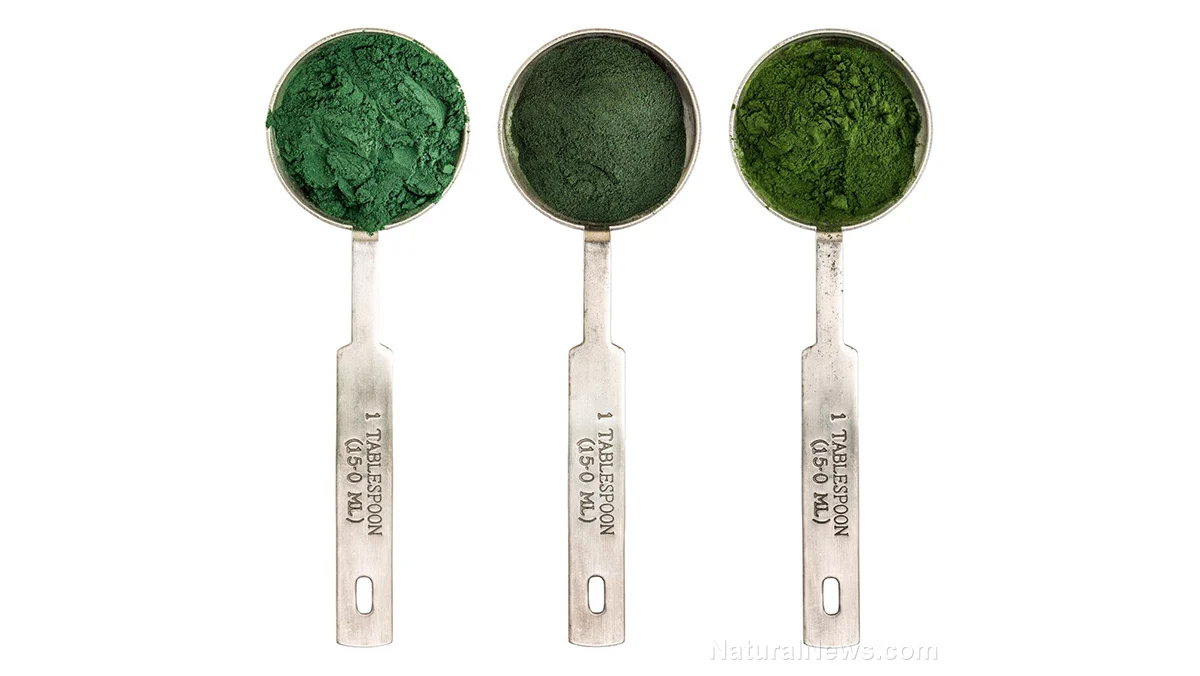
In the traditional landscape of emergency preparedness, the survivalist’s pantry is often defined by bulk supplies of dry rice, beans, canned vegetables, and freeze-dried meals. The focus has historically been on caloric density and shelf stability. However, a burgeoning movement in nutritional science, spearheaded by health advocate and researcher Mike Adams, is challenging this conventional wisdom. In the latest installment of his educational series UNBREAKABLE, Adams argues that when facing a biological crisis—be it radiation exposure, environmental toxins, or systemic cellular stress—calories are secondary to the microscopic requirements of DNA repair.
The Molecular Imperative: Why DNA Integrity Matters
The central thesis of Chapter 8 of UNBREAKABLE, which aired on September 5, shifts the survival conversation from "how many calories do I have?" to "how can I maintain my nucleotide pool?"
DNA is the blueprint of life, yet it is under constant assault. Whether through ionizing radiation, oxidative stress, or chemical pollutants, the integrity of our genetic material is frequently compromised. The body possesses sophisticated machinery to repair these double-strand breaks and mutations, but this machinery—enzymes like BRCA1, 53BP1, and CHK1—requires raw materials to function. If the "nucleotide pool"—the reservoir of building blocks (nucleic acids) available to the cell—is depleted, the body’s ability to patch its genetic code is severely hampered.
Adams posits that in a catastrophic scenario, the most valuable food items are not the ones that merely fill the stomach, but those that provide the high-density nucleic acids and biochemical precursors necessary to sustain the body’s innate repair pathways.
The Algae Duo: Chlorella and Spirulina as Biological Anchors
At the heart of this unconventional survival strategy lie two ancient organisms: chlorella and spirulina. While often relegated to the "superfood" aisles of health food stores, Adams suggests they should be treated as essential strategic reserves.
Chlorella: The Nucleotide Powerhouse
Adams describes chlorella as arguably the most potent food source for supporting DNA integrity. Its primary advantage is an unusually high concentration of RNA and DNA, providing a direct supply of the building blocks required for cellular replication and repair. In a scenario where the body is struggling to replace damaged tissues, the concentrated nutrients in chlorella offer a distinct biological advantage that traditional survival grains cannot replicate.
Spirulina: Beyond the Building Blocks
Complementing chlorella, spirulina provides a broader range of protective compounds. The episode emphasizes the role of phycocyanin—a potent antioxidant pigment—and gamma-linolenic acid (GLA). Research, some of which draws parallels to the experiences of radiation-exposed patients following the 1986 Chernobyl disaster, suggests that these components may help mitigate oxidative damage. By incorporating both algae, the strategist creates a "survival stack" that offers both the raw materials for repair and the protective scaffolding to prevent further damage.
A Chronology of the "Unbreakable" Paradigm
The shift toward focusing on genetic resilience didn’t happen overnight. It is the culmination of years of observation regarding environmental stressors and the body’s physiological limits.
- Pre-2020: Growing awareness of environmental toxins and the impact of synthetic chemicals on human health begins to influence the survivalist movement.
- 2020–2023: The global biological crises highlight the importance of immune system resilience, prompting researchers to look deeper into cellular repair mechanisms.
- September 5, 2024: The release of Chapter 8 of UNBREAKABLE formalizes the concept of "nucleotide pool maintenance," providing a structured guide for what Adams calls "genetic preparedness."
- The Future: The adoption of this protocol marks a transition toward a more scientific, proactive approach to long-term health in an increasingly volatile world.
The "Unconventional" Pantry: From Sardines to Organ Meats
If algae are the bedrock, the rest of the diet proposed by Adams consists of nutrient-dense, bioavailable foods that are often overlooked in standard emergency kits.
The Role of Marine-Derived Nucleotides
Sardines, anchovies, and mackerel are highlighted for their superior ability to provide dietary nucleotides. Unlike plant-based sources, these fatty fish offer a concentrated dose of DNA and RNA alongside essential omega-3 fatty acids, which play a crucial role in reducing systemic inflammation—an essential prerequisite for effective cellular repair.
Organ Meats and Secondary Sources
Often discarded in Western diets, organ meats are championed here as nutritional powerhouses. They provide a dense array of vitamins, minerals, and amino acids that are difficult to synthesize elsewhere. Furthermore, the protocol suggests:
- Brewer’s Yeast: A source of B-vitamins and nucleic acids.
- Wheat Germ and Mushrooms: Additional plant-based contributors to the nucleotide pool.
- Egg Yolks: Included for their high choline and nutrient profile, supporting metabolic functions necessary for cellular health.
Glutamine vs. MSG
The episode takes pains to distinguish between beneficial, naturally occurring glutamine and the controversial additive monosodium glutamate (MSG). By focusing on whole foods—beef, chicken, fish, eggs, and dairy—individuals can acquire the glutamine necessary for metabolic processes without the potential downsides associated with isolated chemical additives.
Implications for Public Health and Emergency Preparedness
The implications of this strategy are profound. If we accept the premise that DNA integrity is a primary factor in survival, the current standard for emergency stockpiling is woefully inadequate.
Rethinking Resource Allocation
For governments and individuals alike, the strategy suggests a pivot in food security planning. Rather than relying solely on cheap, carbohydrate-heavy staples, preparedness programs might benefit from incorporating nutrient-dense, shelf-stable options that support physiological resilience. This is particularly relevant in the context of increasing concerns over nuclear fallout, environmental pollution, and long-term exposure to ionizing radiation.
The Science of Genetic Preparedness
The UNBREAKABLE course acts as a bridge between high-level molecular biology and practical, daily application. By educating the public on mechanisms such as Non-Homologous End Joining (NHEJ) and Homologous Recombination—the body’s natural methods for repairing DNA breaks—Adams empowers individuals to take a more active role in their own biological defense. The integration of 53BP1 and CHK1 signaling pathways into the discourse illustrates that this is not just a diet plan; it is a framework for genetic survival.
Critical Analysis and Scientific Context
While the dietary recommendations provided by Adams are grounded in the known nutritional benefits of the mentioned foods, the application of these foods as a "shield" against catastrophic environmental events is a burgeoning field of study.
Nutritionists generally agree that a diet rich in whole, unprocessed foods supports general health and improves the body’s resilience to stress. However, the specific claims regarding "nucleotide pool maintenance" as a survival strategy represent a forward-thinking, albeit highly specialized, area of research. The inclusion of chlorella and spirulina in medical research, particularly concerning heavy metal chelation and radiation mitigation, provides a degree of empirical support for these claims, though experts often call for more extensive human clinical trials to establish definitive protocols.
Looking Ahead: The "UNBREAKABLE" Framework
The UNBREAKABLE course, consisting of 13 chapters, offers a comprehensive deep dive into these concepts. It moves beyond just "what to eat" to explore the "why" and "how" of cellular resilience.
For those looking to expand their knowledge of DNA repair pathways, the course provides a detailed look at:
- DNA Damage and Repair: Understanding how double-strand breaks occur and how the body fixes them.
- Environmental Stressors: Identifying the external factors—from nuclear fallout to modern toxins—that challenge genetic integrity.
- Nutritional Strategies: Implementing the specific "survival stack" of foods designed to support the body’s innate repair machinery.
As the world faces unpredictable environmental challenges, the shift toward a focus on genetic and cellular health appears to be a necessary evolution in human survival tactics. By viewing the body not just as a machine that needs fuel, but as a complex biological system that needs specific building blocks to repair its own code, we open a new chapter in personal health sovereignty.
For those interested in exploring these protocols further, the UNBREAKABLE package available on BrightU serves as a foundational guide for anyone looking to bolster their biological defenses against the challenges of the modern era. In an age of uncertainty, the most durable armor may not be found in steel or shelter, but in the microscopic resilience of our own DNA.