In a significant stride for metabolic and cardiovascular medicine, an international research consortium has unveiled promising preclinical evidence regarding an experimental therapeutic agent known as IC7Fc. While originally identified for its potential to manage type 2 diabetes, new data suggests the drug possesses a dual-action capability that could fundamentally reshape the landscape of heart disease treatment.
The study, published in the peer-reviewed journal Science Advances, details how IC7Fc functions not only to regulate metabolic markers but also to actively reduce arterial inflammation and lipid accumulation—the primary drivers of atherosclerosis. As cardiovascular disease remains the leading cause of mortality globally, the discovery of a molecule that addresses these underlying pathologies without necessarily requiring weight loss could represent a major breakthrough for a broad spectrum of patients.
The Genesis of a Medical Innovation: A Chronological Overview
The development of IC7Fc is the culmination of years of collaborative research involving Leiden University Medical Centre in the Netherlands, the Monash Institute of Pharmaceutical Sciences (MIPS) in Australia, and various global partners.
Early Foundations in Metabolic Health
The journey of IC7Fc began with a focus on metabolic disorders. Researchers identified the drug as a chimeric protein engineered to modulate cytokine signaling pathways. Early investigations into the molecule were centered on type 2 diabetes, a condition characterized by insulin resistance and chronic inflammation. Initial trials successfully demonstrated that IC7Fc could improve glycemic control and assist in metabolic homeostasis.
Expanding the Therapeutic Horizon
Following the success of initial metabolic studies, the research team, led by Professor Mark Febbraio of MIPS, hypothesized that the drug’s anti-inflammatory properties might have implications beyond blood sugar management. Given that atherosclerosis—the hardening and narrowing of arteries—is fundamentally an inflammatory condition, the team pivoted to investigate the cardiovascular potential of the drug.
The Current Breakthrough
The most recent study represents a pivotal shift from clinical observations of diabetes to targeted cardiovascular research. By testing the drug on lean mice models genetically predisposed to hypercholesterolemia and cardiovascular disease, the team isolated the drug’s cardiovascular effects from its previously documented weight-loss properties. The results confirmed that the drug’s ability to improve heart health is independent of body mass index (BMI), a finding that significantly widens the potential patient population for the therapy.
Supporting Data: Mechanisms of Action
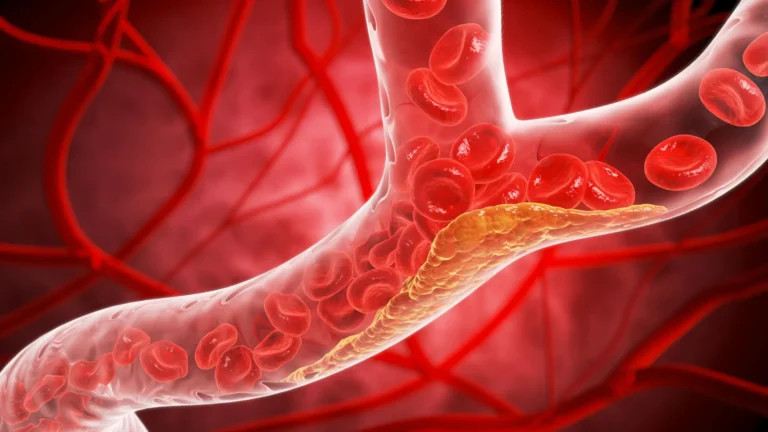
To understand the efficacy of IC7Fc, one must look at the physiological mechanisms of atherosclerosis. Cardiovascular disease often stems from the accumulation of fatty plaques within the arterial walls. This process is exacerbated by high levels of circulating triglycerides and LDL cholesterol, combined with systemic inflammation that recruits immune cells to the arterial lining.
Lipid Regulation and Inflammation
The data from the Science Advances study indicates that IC7Fc operates through a sophisticated modulation of the body’s inflammatory response. In the study, mice treated with IC7Fc showed:
- Significant reductions in triglycerides: By lowering blood fats, the drug reduces the "fuel" available for plaque formation.
- Decreased Cholesterol Accumulation: The drug effectively lowered systemic cholesterol, preventing the lipid-laden deposits that lead to arterial blockages.
- Reduced Vascular Inflammation: By suppressing specific inflammatory cytokines, the drug prevented the "priming" of blood vessels that makes them susceptible to plaque attachment.
The Lean vs. Obese Paradigm
One of the most compelling aspects of the data is the distinction between the drug’s effects on obese versus lean subjects. Previous iterations of the research showed that in obese mice, IC7Fc induced weight loss and reduced appetite. However, in the recent trial—which utilized lean, genetically predisposed mice—the drug provided cardiovascular protection without altering body weight or food intake. This is a critical distinction, as it suggests the drug can be administered to patients with heart disease who are not overweight, avoiding the unintended consequences of prescribing weight-loss-focused treatments to individuals who do not require them.
Official Responses and Expert Perspectives
Professor Mark Febbraio, a lead architect of the IC7Fc development program, has been at the forefront of articulating the significance of these findings. According to Professor Febbraio, the medical community has long sought a "silver bullet" for heart disease, yet the reality of cardiovascular health is that it is a multifaceted condition that often requires a multi-pronged approach.
Insights from Professor Mark Febbraio
"Heart disease remains the world’s biggest killer, driven largely by atherosclerosis," Professor Febbraio noted in a press release accompanying the study. "Even with common treatments that lower blood pressure and cholesterol, such as statins and ACE inhibitors, many people remain at high risk. There is a clear, unmet need for therapies that target the underlying biology of artery clogging rather than just managing the symptoms."
Regarding the dual-action potential of the drug, Febbraio added, "These results suggest IC7Fc could offer a dual benefit—helping reduce obesity in some, while protecting the heart in others. It is an exciting step toward a treatment that targets both metabolic and cardiovascular disease, which are frequently co-morbidities."
Scientific Community Reaction
Independent experts in the field of cardiovascular pharmacology have cautiously welcomed the findings. The ability to separate weight-loss effects from anti-atherosclerotic effects is being hailed as a major design achievement. While the scientific community remains cautious—as preclinical mouse models do not always perfectly translate to human physiology—the precision of the drug’s action has generated significant interest among pharmaceutical developers.
Clinical Implications and Future Directions
The implications of this research are profound. If these results can be replicated in human clinical trials, IC7Fc could transition from an experimental compound to a cornerstone therapy for patients at high risk for heart attacks and strokes.
Addressing the "Residual Risk"
Current cardiovascular standard-of-care treatments focus heavily on lowering lipids. However, even when patients reach target cholesterol levels, a "residual risk" of cardiovascular events remains. This residual risk is often attributed to chronic low-grade inflammation. Because IC7Fc addresses inflammation alongside cholesterol, it potentially targets this gap in care, offering a more comprehensive protective mechanism.
The Path Toward Human Trials
Transitioning from preclinical success to human application is a rigorous, multi-stage process. The next steps for the research team will involve:
- Safety and Toxicology Profiling: Ensuring that the molecule does not trigger adverse immune responses in humans.
- Pharmacokinetic Studies: Determining the optimal dosage and delivery method for human patients.
- Phase I/II Clinical Trials: Assessing safety and initial efficacy in human volunteers.
A Personalized Medicine Approach
The versatility of IC7Fc suggests a future where medicine is more personalized. For an obese patient with type 2 diabetes, the drug could provide the benefit of weight management and glucose control. For a lean patient with familial hypercholesterolemia or chronic inflammation, the drug could act as a targeted cardiovascular protectant. This "flexible therapy" model aligns with the growing trend toward precision medicine, where treatments are tailored to the specific metabolic and inflammatory profile of the individual patient.
Conclusion
The discovery that IC7Fc acts as a dual-benefit agent is a testament to the power of modern molecular medicine. By decoupling the metabolic benefits of the drug from its cardiovascular protective effects, researchers have opened a new door in the treatment of atherosclerosis. While there is still a significant road ahead, including the long and complex process of clinical trials, the promise shown by IC7Fc offers a glimmer of hope for millions. In a world where heart disease continues to claim lives at an alarming rate, the development of such innovative, targeted therapies is not just a scientific achievement—it is a public health necessity. As the research moves toward the next phase, the global medical community will be watching closely, waiting to see if this experimental compound can live up to its potential as a transformative tool in the fight against the world’s leading killer.