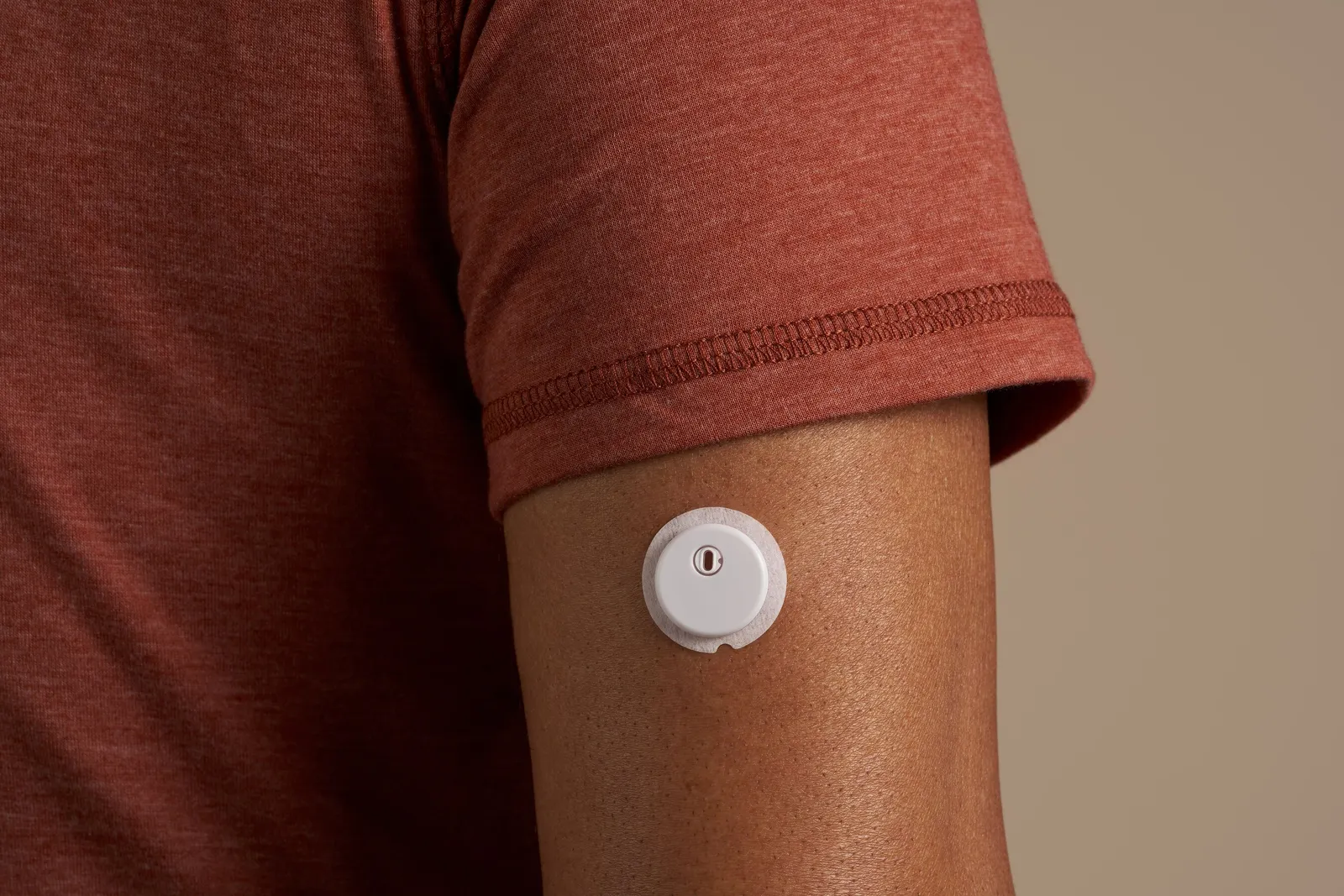
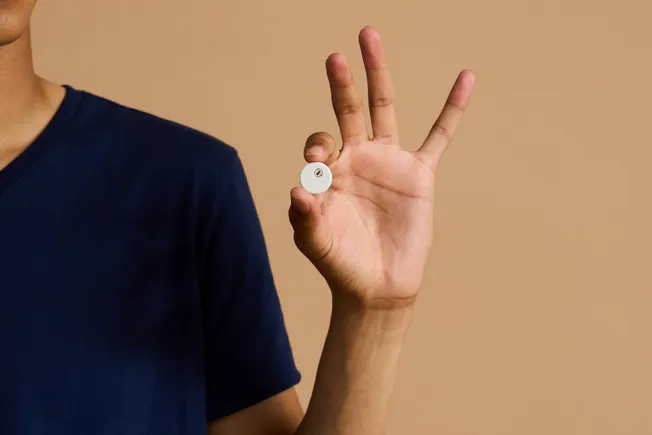
The landscape of diabetes technology is on the precipice of a significant transformation. Abbott, a global leader in medical devices, is preparing to introduce a dual-analyte sensor—the Libre Duo—to the United States market. This device, which recently secured the CE mark in Europe, represents the first foray into mainstream, continuous monitoring of both glucose and ketones. By providing real-time data on these two critical metrics, the technology aims to act as an early-warning system against one of the most dangerous complications of diabetes: diabetic ketoacidosis (DKA).
As Abbott navigates the FDA approval process, with expectations for a U.S. launch before the end of the year, the medical community is grappling with the logistical, clinical, and ethical implications of this new diagnostic frontier.
The Evolution of Monitoring: A Chronology
The journey toward the Libre Duo began with the global success of Abbott’s FreeStyle Libre line, which revolutionized diabetes care by eliminating the need for routine finger-prick blood glucose tests.
- Early 2024: Abbott receives the CE mark in Europe for the Libre Duo, marking the regulatory milestone required for continental distribution.
- Mid-2024: Preparations for European rollout commence, with the device being positioned for both adults (15-day version) and pediatric users (10-day version).
- Late 2024: Abbott submits its formal application to the U.S. Food and Drug Administration (FDA).
- The Path Ahead: Clinical and advocacy groups, including Breakthrough T1D, have begun the process of establishing universal guidelines for interpreting continuous ketone data, anticipating a U.S. commercial launch by year-end.
The Clinical Imperative: Why Ketones Matter
To understand the significance of the Libre Duo, one must understand the danger of DKA. DKA occurs when the body, lacking sufficient insulin, begins to break down fat for energy at an unsustainable rate, leading to the accumulation of acidic compounds known as ketones. In severe cases, this can lead to cerebral edema, coma, and death.
Currently, ketone monitoring is largely reactive. Patients often rely on urine test strips—which provide lagging, historical data—or blood ketone meters that require manual intervention. Both methods suffer from significant compliance issues; patients often fail to test until symptoms are already acute.
"People don’t think about measuring their ketones," says Jennifer Sherr, medical director of pediatric diabetes at Yale University School of Medicine. "It’s a missed opportunity."
By integrating this measurement into a continuous monitor, Abbott hopes to transition the patient experience from reactive to proactive. However, the medical community remains divided on the interpretation of this data. Ketones are a non-specific byproduct of fat metabolism. As Dr. Rayhan Lal, an assistant professor and endocrinologist at Stanford Health Care, points out, high ketones can be triggered by a variety of factors—from intense exercise to dietary changes—making the data potentially ambiguous without proper context.
Official Responses and Strategic Vision
Abbott has positioned the Libre Duo not as a replacement for glucose monitoring, but as an essential augmentation. Dr. Alisa Schiffman, senior medical director of Abbott Diabetes Care and a pediatric endocrinologist, likens the dual-analyte system to an automotive dashboard.
"We know that DKA is the most common hyperglycemic emergency for people living with diabetes," Schiffman notes. In her analogy, glucose data serves as the speedometer—the metric that requires constant attention—while the ketone monitor functions as the "check engine light." It is not designed to be a number the user obsesses over every minute, but rather a vital indicator that alerts the user to an underlying physiological issue that warrants investigation.
The company is currently working with regulators to ensure the device’s labeling is precise. Abbott’s primary goal is to secure approval for users who are at high risk for DKA, including those who rely on insulin pumps or other glucose-lowering medications.
Technical Limitations and Data Overload
One of the most pressing concerns voiced by clinicians is the risk of "data fatigue." Modern continuous glucose monitors (CGMs) already provide an immense volume of information, and adding a second stream of data necessitates a careful design strategy.
"We want to make sure that these devices are well-received by the community and they provide actionable alerts," says Brynn Marks, senior director of medical affairs for the non-profit organization Breakthrough T1D.
Technically, there is a consensus that monitoring ketones every five minutes—as is standard for glucose—would be excessive. Experts like Diana Isaacs, a pharmacist and director of education and training in diabetes technology at the Cleveland Clinic, suggest that an updated reading every few hours would suffice. The challenge for developers lies in creating an interface that suppresses "noise" while highlighting "signals."
Furthermore, there is the technical hurdle of the analytes themselves. Dr. Lal notes that while clinicians would ideally want to measure insulin levels directly, the current chemical technology favors ketones. "This is exactly why lactate and ketones get picked up on; those are easier analytes than, say, detecting insulin, which is hard but useful," he explains. The industry is effectively working within the constraints of what is physically possible to sense through the interstitial fluid.
Implications for Healthcare Standards
The impending arrival of the Libre Duo has forced a rapid evolution in clinical guidelines. In January, Breakthrough T1D published an international consensus recommendation in The Lancet, setting a formal threshold for "urgent high" ketones at 3 mmol/L. While the document acknowledges that scientific evidence for this specific threshold remains limited, it provides a much-needed baseline for clinicians who have previously been operating without a standardized framework.
The implications for daily management are profound. If a patient sees elevated ketones, the protocol could involve:
- Troubleshooting: Checking for infusion set failures in insulin pumps.
- Assessment: Evaluating recent caloric intake or physical activity levels.
- Intervention: Administering corrective insulin and monitoring the downward trend of the ketone levels.
Yet, as Dr. Lal cautions, a value in isolation can be misleading. A child playing soccer may show high ketones due to physical exertion, while a sedentary patient might show low levels despite being in a dangerous state of insulin deficiency. Therefore, the device must be paired with robust patient education to ensure that users do not take inappropriate corrective actions based on raw data alone.
The Cost Factor: A Gateway to Accessibility
Perhaps the most significant question for patients is the price point and insurance reimbursement. Abbott has built a reputation for accessibility; its current CGM offerings are often priced to be affordable for cash-paying patients. However, the addition of a secondary sensor adds manufacturing and regulatory complexity.
"That’s really going to impact how many people choose to use this new technology," says Isaacs.
Abbott has pledged to work closely with payers, but the company has not yet released specific pricing for the U.S. market. The success of the Libre Duo will depend largely on whether insurance providers recognize the long-term cost savings associated with preventing DKA-related hospitalizations. If the device can demonstrate a clear reduction in emergency room visits, insurers may be more willing to cover the cost, making it a standard of care rather than a niche luxury.
Conclusion: A New Era of Vigilance
As the industry prepares for the Libre Duo, the focus is shifting from simply tracking glucose levels to gaining a more holistic understanding of metabolic health. While questions remain regarding the specificity of ketone data and the potential for clinical misinterpretation, the move represents a major step toward a more autonomous and informed patient experience.
For people living with diabetes, the promise is simple: a "check engine light" that offers peace of mind in an otherwise unpredictable daily struggle. As technology continues to close the gap between patient data and clinical action, the Libre Duo stands as a testament to the ongoing effort to make the lives of those with diabetes safer, more manageable, and significantly more predictable. Whether the technology will fundamentally alter the trajectory of DKA prevention remains to be seen, but the medical community is clearly ready to begin the experiment.