For decades, the public perception of Alzheimer’s disease has been narrowly defined by a single, devastating symptom: the erosion of memory. While cognitive decline is the hallmark of the condition, it is only one facet of a complex, multifaceted pathology. For the millions of families acting as caregivers, the true struggle often lies not in the forgetting, but in the harrowing behavioral and emotional symptoms that frequently accompany the disease.
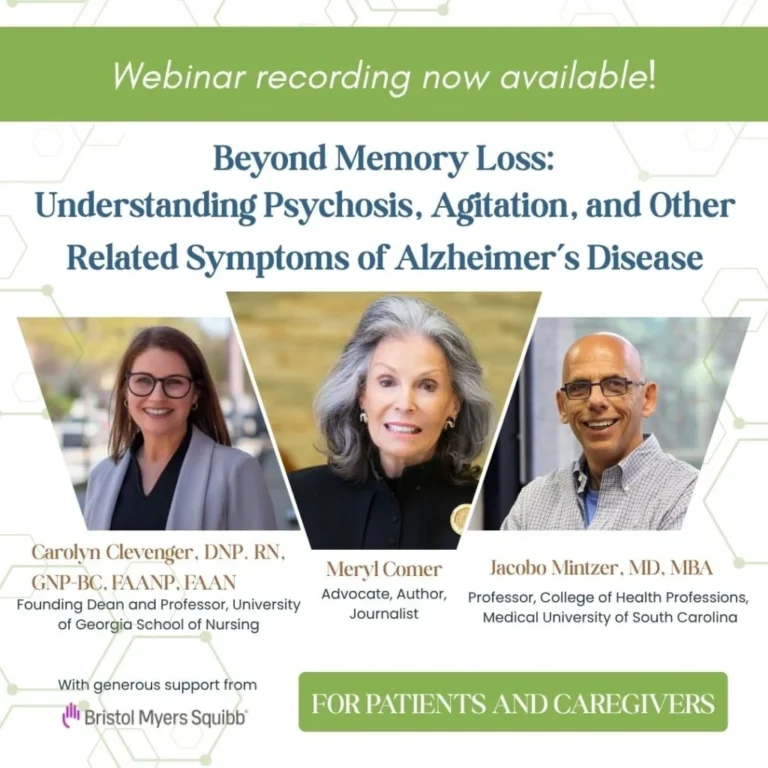
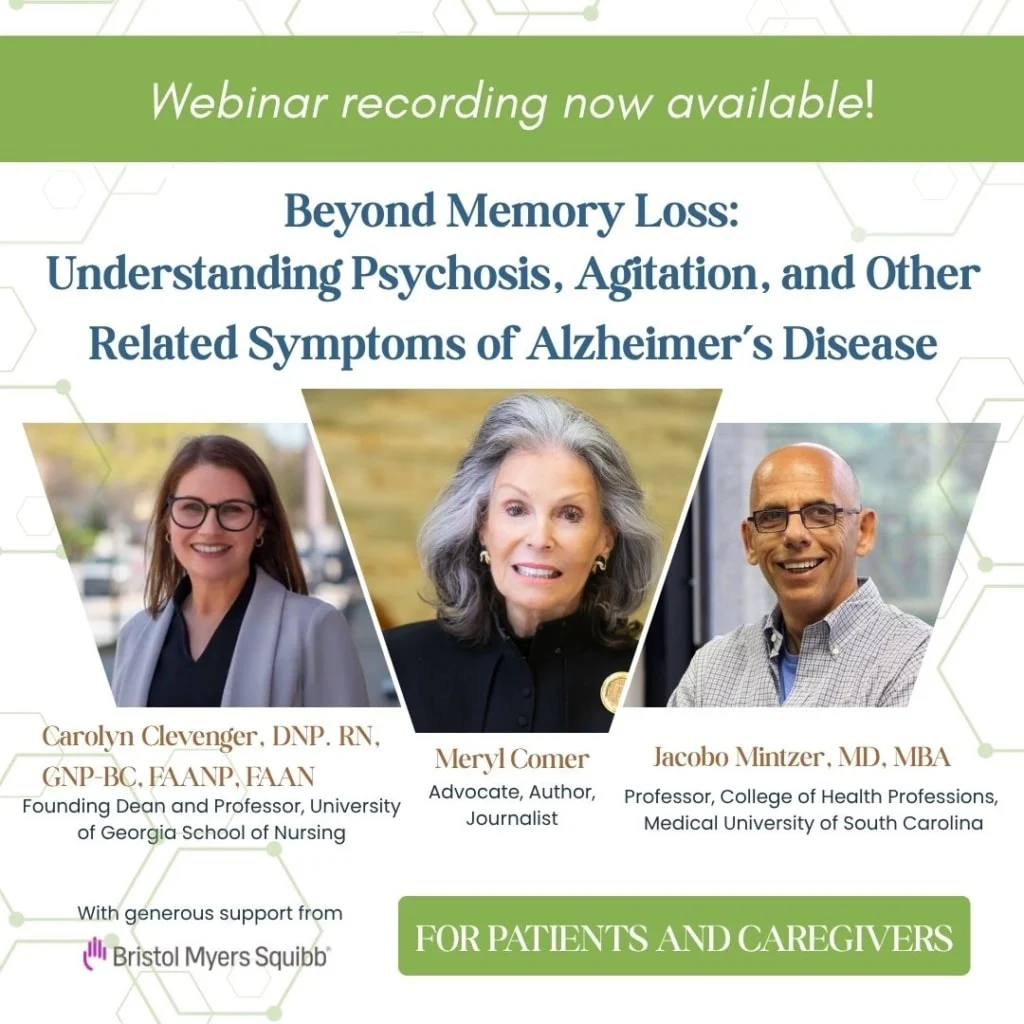
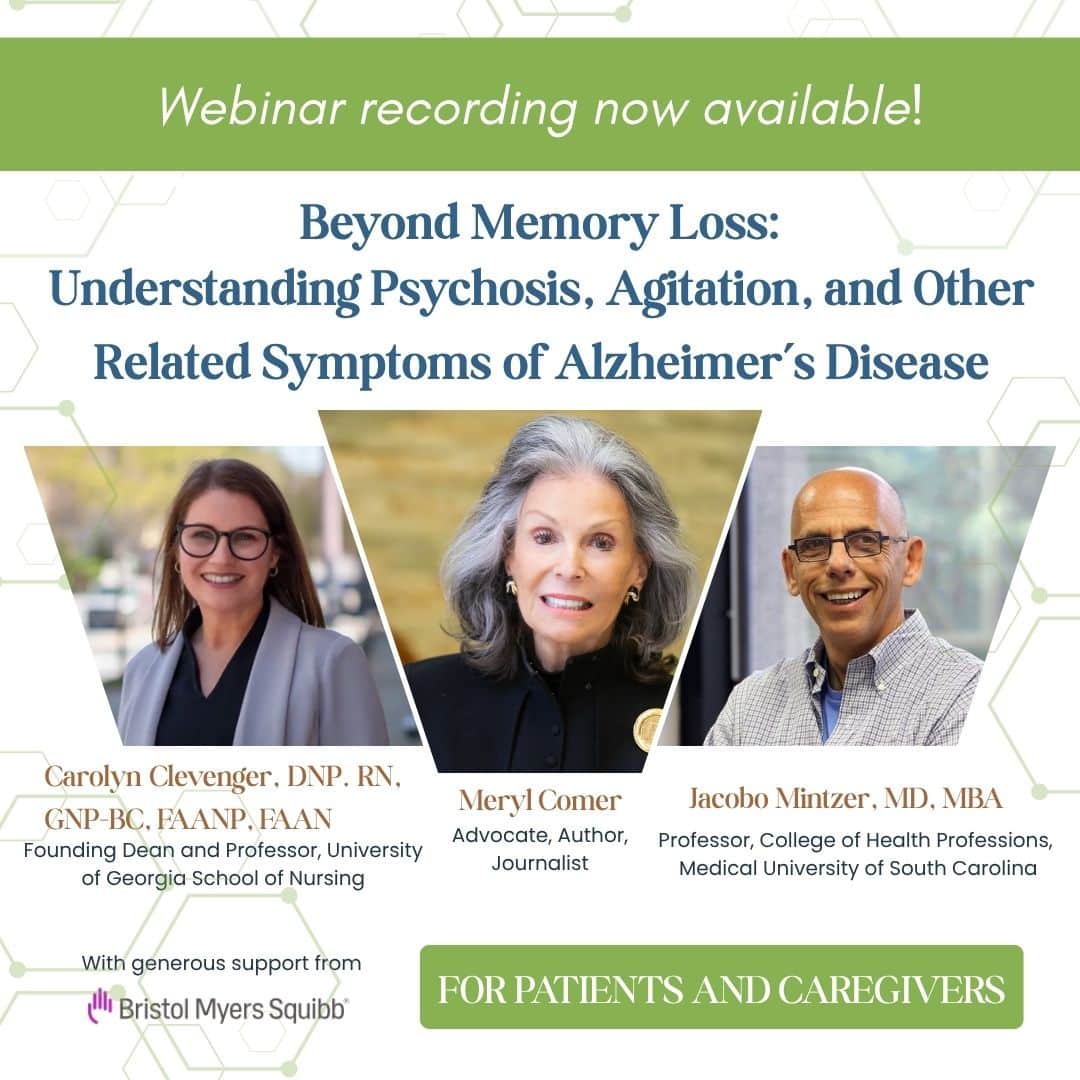
Recognizing an urgent need to bridge the gap between clinical understanding and caregiver support, the Alliance for Aging Research recently hosted a landmark webinar titled, “Beyond Memory Loss: Understanding Psychosis, Agitation, and Other Symptoms in Alzheimer’s Disease.” Supported by Bristol Myers Squibb, the initiative seeks to dismantle the stigma surrounding neuropsychiatric symptoms (NPS) and provide a lifeline to those navigating the often-isolated world of Alzheimer’s care.
The Scope of the Challenge: Main Facts
Alzheimer’s disease affects millions of families globally, yet the dialogue surrounding it remains incomplete. When we discuss Alzheimer’s, we typically discuss cognitive impairment. However, clinicians are increasingly focused on Neuropsychiatric Symptoms (NPS)—a suite of behavioral challenges that include:
- Psychosis: Delusions and hallucinations that can manifest as seeing or hearing things that are not present.
- Agitation: Sudden outbursts, irritability, or physical aggression that can be profoundly distressing for both the patient and the caregiver.
- Apathy: A profound loss of motivation or interest, often mistaken for clinical depression.
- Sleep Disturbances and Wandering: Disruptions in circadian rhythms and physical behaviors that pose significant safety risks.
These symptoms are not merely "difficult behaviors"—they are clinical manifestations of brain changes. By reclassifying these episodes as medical symptoms rather than willful, defiant choices, the Alliance aims to fundamentally alter how society treats, manages, and supports patients living with Alzheimer’s.
A Chronology of the Initiative
The road to the webinar was a deliberate, three-month endeavor designed to ensure that the information shared was not only accurate but deeply empathetic to the caregiver experience.
- Phase 1: Needs Assessment. The Alliance identified a critical deficit in resources for caregivers managing the "hidden" symptoms of dementia. They recognized that while medical guidelines exist for cognitive decline, practical guidance for managing psychosis and agitation in the home setting was lacking.
- Phase 2: Expert Collaboration. The Alliance assembled a panel of leading voices, including Meryl Comer, a renowned advocate and caregiver; Dr. Carolyn Clevenger, a specialist in gerontological nursing; and Dr. Jacobo Mintzer, an expert in geriatric neuropsychiatry.
- Phase 3: Execution. The webinar was launched to a massive digital audience, drawing over 3,000 live attendees—a testament to the pent-up demand for guidance in this area.
- Phase 4: Ongoing Impact. Since the event’s conclusion, the recording has garnered nearly 30,000 views, indicating that the content has moved beyond a one-time event to become a foundational educational resource for the Alzheimer’s community.
Supporting Data: Why This Conversation Matters
The sheer volume of engagement with this webinar underscores a silent epidemic. Caregiving for an individual with Alzheimer’s-related psychosis is one of the most isolating experiences a person can face.
According to data presented during the webinar, the physical and emotional toll on caregivers is staggering. When a patient enters a state of agitation or psychosis, the caregiver is often the primary target of the resulting emotional turbulence. Many caregivers report feelings of helplessness, fear, and profound exhaustion.
The webinar served as a validation point. By providing actionable, evidence-based strategies—such as treating wandering as a communication of a physical need rather than a "problem behavior," or utilizing the therapeutic power of music to redirect distress—the panelists moved the needle from passive observation to active, informed caregiving.
Expert Perspectives: Shifting the Narrative
The panel discussion, led by Meryl Comer, Dr. Carolyn Clevenger, and Dr. Jacobo Mintzer, centered on a single, transformative thesis: These behaviors are symptoms, not choices.
The Reality of Living with the Disease
Meryl Comer provided a raw, unfiltered look at the reality of caregiving. She described the experience of "living inside her husband’s version of reality," detailing the emotional erosion that occurs when a loved one is no longer tethered to the same truth as their caregiver. Her testimony was a powerful reminder that the "patient" is not the only person affected by the disease; the caregiver is a secondary patient in terms of mental health and physical resilience.
Clinical Management and Assessment
Dr. Mintzer and Dr. Clevenger provided a roadmap for assessment. They emphasized that caregivers must be proactive in clinical settings. Often, when a patient sees a doctor, they may not exhibit symptoms during the visit. The panelists urged families to:
- Document everything: Keep a log of behaviors, triggers, and time of day.
- Ask for specific support: Do not settle for vague advice. Push for a comprehensive review of medication, safety strategies, and environmental modifications.
- Prioritize the "why": Every behavior has a root cause. Is the patient hungry? Are they in pain? Are they overstimulated? Identifying the trigger is the first step toward effective management.
Implications for the Future of Care
The success of this initiative has broad implications for how health systems, policymakers, and families approach Alzheimer’s.
Reducing Stigma
Stigma remains a primary barrier to seeking help. When behaviors are dismissed as "willful" or "difficult," families may feel shame and withdraw from support systems. By framing these symptoms as biological outcomes of neurodegeneration, the Alliance is helping to normalize the conversation. This destigmatization is critical for encouraging families to seek professional help sooner, which can lead to earlier intervention and better quality of life for both the patient and the caregiver.
Empowering the Caregiver
The closing sentiment of the webinar, delivered by Dr. Clevenger, resonated deeply with the audience: "What you’re doing is hard, and you’re doing it well."
This validation is not merely sentimental; it is a clinical necessity. Burnout is a major cause of hospitalization and institutionalization for Alzheimer’s patients. When caregivers feel competent, supported, and heard, they are better equipped to provide long-term care at home, which remains the goal for many families.
Moving Toward Holistic Care
The future of Alzheimer’s treatment must move toward a holistic model. While drug development for amyloid plaques and tau proteins continues to advance, the daily management of symptoms like agitation and psychosis is the current "front line" of the disease. The Alliance’s initiative proves that there is an urgent appetite for education that treats the patient as a whole human being and the caregiver as an essential partner in the care triad.
Conclusion: A Call to Action
The journey of an Alzheimer’s caregiver is fraught with challenges that the general public rarely sees. However, the overwhelming response to the Beyond Memory Loss webinar suggests that the conversation is changing.
Families are no longer content to suffer in silence. They are seeking the tools to understand the physiological basis of their loved ones’ behaviors, and they are demanding support that acknowledges the intensity of their daily lives. By providing this platform, the Alliance for Aging Research has not only educated thousands but has also built a community of support that is vital in the face of such a formidable disease.
For those currently navigating these waters, the message is clear: You are not alone, these behaviors are not your fault, and there are resources available to help you navigate this complex landscape.
To learn more about managing these symptoms and to view the comprehensive resources provided, you can watch the full recording of the webinar here.
Katrin Werner-Perez serves as the Director of Health Programs at the Alliance for Aging Research, overseeing initiatives dedicated to improving the health and independence of older adults.