For millennia, contemplative practices—meditation, focused breathwork, and mindfulness—have been regarded as spiritual or philosophical tools for personal cultivation. Today, however, the veil between ancient tradition and modern molecular biology is thinning. A groundbreaking study conducted by researchers at the University of California San Diego (UCSD) has provided the most comprehensive evidence to date that a seven-day intensive retreat can trigger measurable, systemic biological shifts that extend far beyond the temporary tranquility of a "stress-relief" session.
The study, published in Communications Biology, suggests that the human body possesses an inherent, latent capacity to reorganize its own internal environment—from neuroplasticity in the brain to the molecular signaling within our blood—simply through the power of conscious experience and focused practice.
Main Facts: A New Frontier in Mind-Body Medicine
The research, supported by the InnerScience Research Fund, marks a significant departure from traditional wellness studies. Rather than focusing on a single variable, the UCSD team performed a wide-lens analysis of 20 healthy adults who underwent a rigorous, seven-day residential program led by neuroscientist and author Dr. Joe Dispenza.
The core finding is that intensive mind-body interventions can induce a "whole-body scale" transformation. Researchers observed significant modifications in:
- Brain Activity: A reduction in internal "mental chatter" and increased network integration.
- Blood Chemistry: Shifts in metabolic and immune-related signaling molecules.
- Molecular Resilience: Enhanced neuroplasticity and the activation of natural pain-control pathways.
- Metabolic Flexibility: A shift in cellular energy production, favoring more efficient glucose utilization.
Unlike previous studies that might look at heart rate or cortisol levels, this research looked at the molecular fingerprints of the participants, effectively demonstrating that our conscious state is not just a byproduct of biology, but an active participant in shaping it.
Chronology: The Seven-Day Transformation
The participants were immersed in a highly structured, week-long environment designed to facilitate a profound shift in consciousness. The program was not a casual retreat; it was a intensive, daily discipline.
- Day 1-2: Induction and Alignment: The program began with intense didactic learning, where participants engaged with neuroscience education and established an initial baseline of expectation. The use of "open-label placebos"—where participants are fully informed they are receiving no active medical substance—was utilized to harness the power of expectation and social interaction, demonstrating that the human brain can initiate biological change when the subject is an active, conscious participant in their own healing.
- Day 3-5: The Deep Dive: Over the course of 33 hours of guided meditation and group healing practices, participants moved beyond standard mindfulness. The regimen encouraged participants to enter altered states of consciousness, aiming to bypass the "analytical mind."
- Day 6-7: Integration: As the retreat concluded, the final measurements were taken. Scientists compared the post-retreat data against the pre-retreat baselines collected through fMRI scans and blood draws, capturing the "before and after" snapshot of the participants’ physiology.
Supporting Data: The Science of the "Internal Pharmacy"
The data provided by the UCSD researchers reads like a blueprint for self-regulation. By analyzing the plasma and brain scans of the participants, the team uncovered several key biological mechanisms:
Neuroplasticity and the Brain
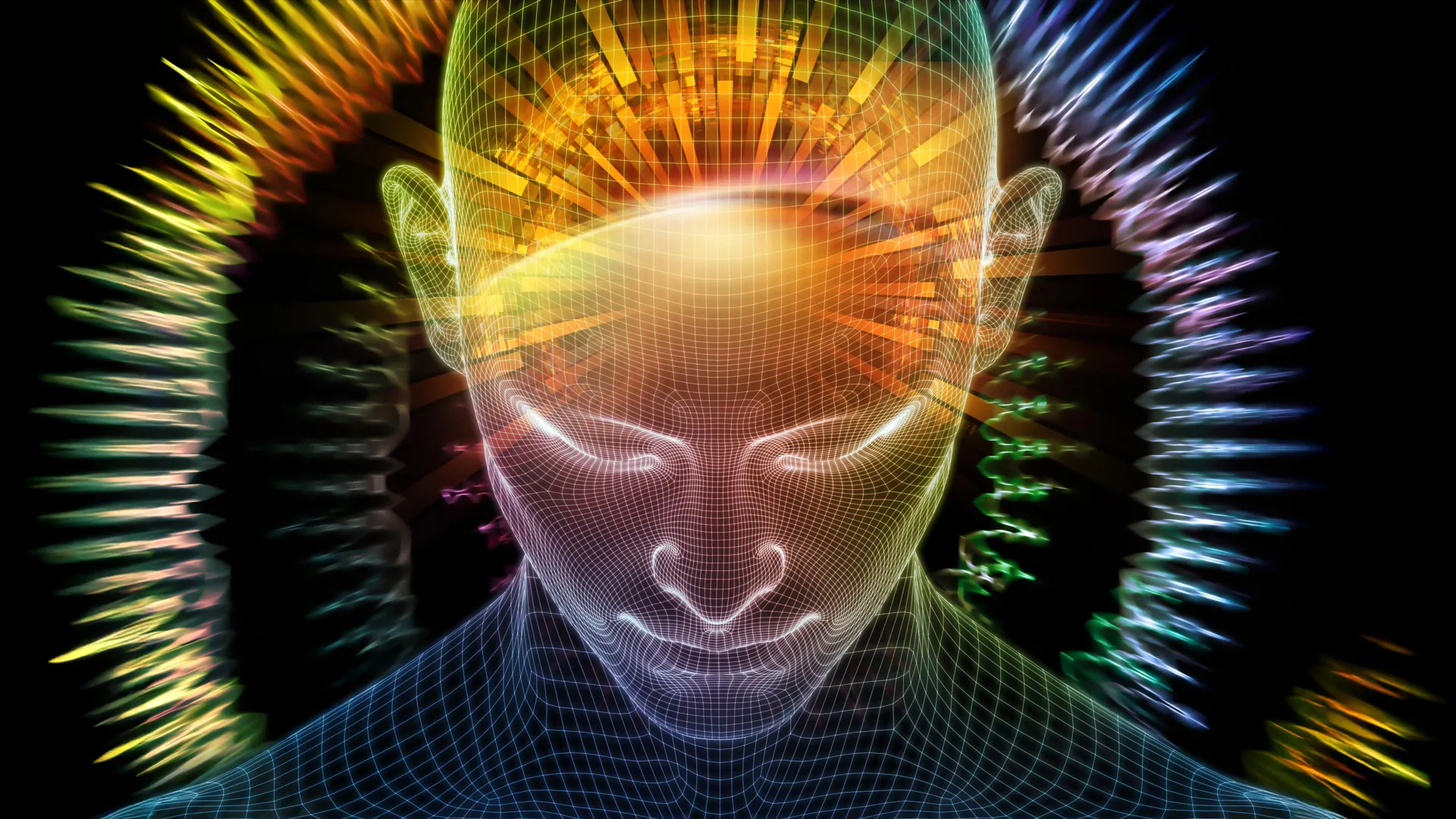
Perhaps the most striking finding involved the brain’s adaptability. fMRI scans revealed that the default mode network—the region responsible for the "chatter" of the ego and wandering thoughts—became quieter. Simultaneously, there was an increase in brain connectivity, suggesting that the brain had become more efficient. In lab tests, when researchers exposed neurons to the blood plasma of these participants, the neurons grew longer branches and formed more complex connections, a classic hallmark of neuroplasticity.
The Body’s Natural Pharmacy
The study confirmed that the body acts as its own pharmaceutical laboratory. Participants showed increased concentrations of endogenous opioids—naturally occurring chemicals that bind to the same receptors as morphine or oxycodone. This suggests that through intensive practice, the body can upregulate its own pain-management systems without the side effects of external medication.
Metabolic and Immune Shifts
The blood plasma analysis revealed that cells underwent a metabolic shift, increasing glycolytic activity. This indicates a move toward a more flexible, adaptive state. Furthermore, the immune system displayed a dual-response: an increase in both inflammatory and anti-inflammatory signals. Researchers interpreted this not as a sign of illness, but as a "refined" or "adaptive" immune response, suggesting the body was actively recalibrating its defenses.
Official Responses: Redefining the Possible
The senior study author, Hemal H. Patel, Ph.D., a professor of anesthesiology at the UC San Diego School of Medicine, underscored the gravity of these findings. "This isn’t about just stress relief or relaxation," Dr. Patel stated. "This is about fundamentally changing how the brain engages with reality and quantifying these changes biologically."
Dr. Patel emphasized the importance of the multi-systemic nature of the results. "We’ve known for years that practices like meditation can influence health, but what’s striking is that combining multiple mind-body practices into a single retreat produced changes across so many biological systems that we could measure directly in the brain and blood."
Alex Jinich-Diamant, the first author of the study and a doctoral student at UCSD, framed the research as a bridge between the subjective and the objective. "This study shows that our minds and bodies are deeply interconnected," he said. "What we believe, how we focus our attention, and the practices we participate in can leave measurable fingerprints on our biology. It’s an exciting step toward understanding how conscious experience and physical health are intertwined."
Implications: A New Era of Preventative Health
The implications of this research are vast, particularly for fields dealing with chronic, stress-related, or inflammatory conditions.
Chronic Pain Management
The discovery that meditation can naturally increase endogenous opioid levels offers a potential non-pharmacological pathway for chronic pain management. In a world currently struggling with the opioid crisis, the idea that the human body can be trained to produce its own pain-mitigating chemicals is a beacon of hope for clinicians.
Psychedelic Parallels
One of the most intriguing aspects of the study was the observed overlap between the neural connectivity patterns of the participants and those documented in users of psychedelic substances like psilocybin. The researchers noted that the "mystical experiences" reported by participants—feelings of unity and transcendence—corresponded with the degree of biological change. This suggests that the brain’s state of "mystical consciousness" is a biological trigger that can be reached via different pathways, whether through pharmacology or dedicated mental practice.
Future Clinical Directions
Despite the excitement, the researchers maintain a cautious, scientific tone. As this study focused on healthy adults, the next logical step is to transition these protocols into controlled clinical trials for patients with specific diagnoses, such as autoimmune diseases, mood disorders, or chronic pain syndromes.
The team also acknowledges the need for "deconvolution" studies. Because the retreat combined multiple interventions—meditation, community, education, and expectation—it remains unclear which specific component is the "active ingredient." Future research aims to isolate these factors to see if the same results can be achieved with shorter, more accessible programs.
Conclusion: The Fingerprints of Consciousness
The UCSD study serves as a foundational piece of evidence that our internal experience is not a passive event. It is a biological driver. By demonstrating that we can influence our metabolism, our immune system, and our very neural architecture through focused intention, researchers are opening a door to a new, empowering era of medicine. While there is much left to learn about the duration and replicability of these changes, the message is clear: the bridge between mind and matter is built of biology, and we may be far more capable of walking across it than we ever imagined.