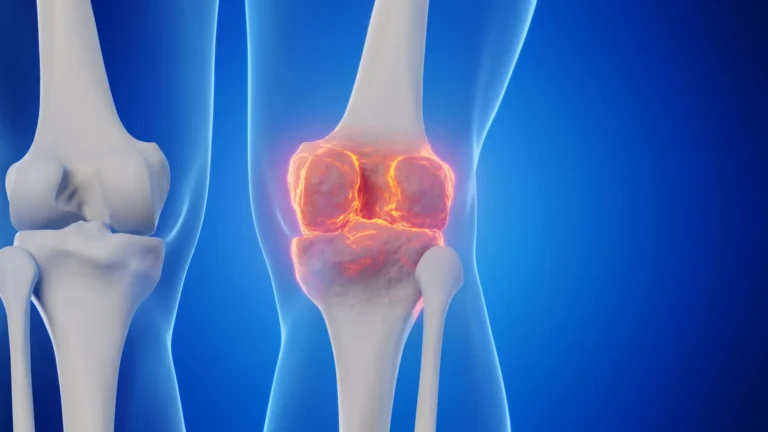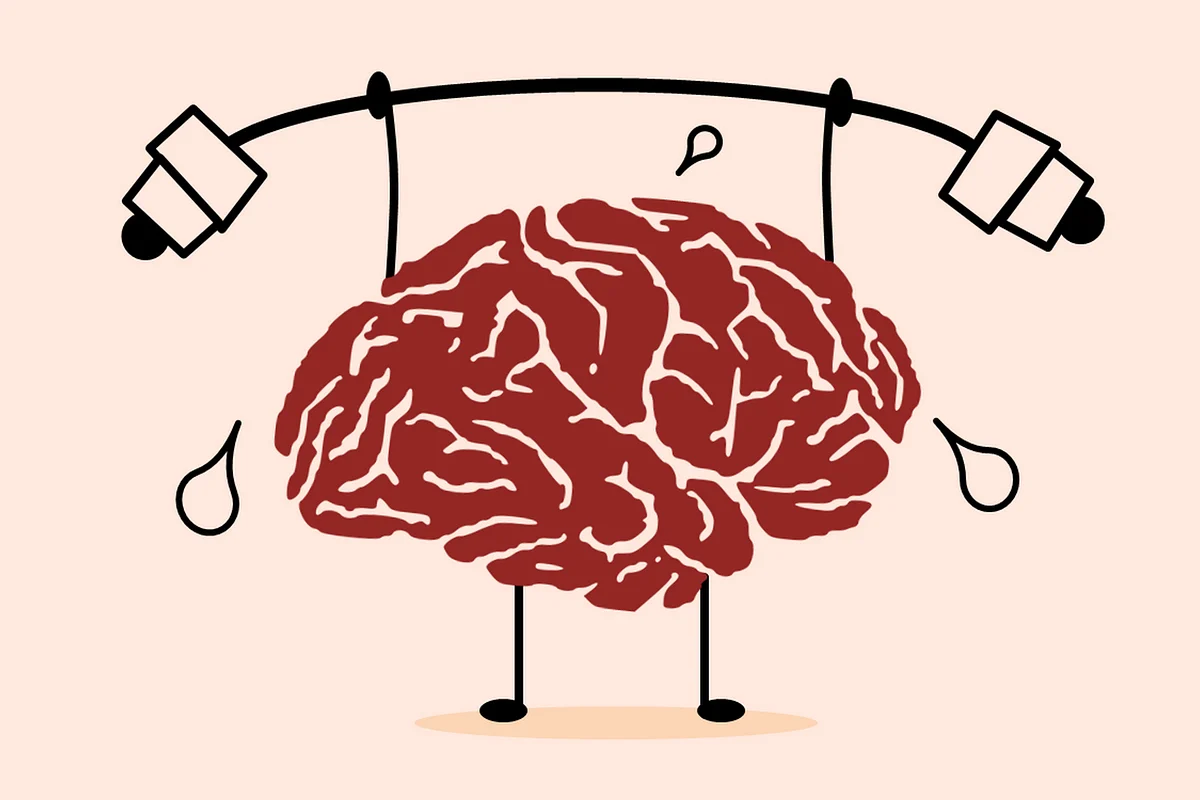
When most people lace up their sneakers or head to the gym, the internal monologue usually centers on aesthetic goals: burning calories, building muscle, or improving cardiovascular endurance. We are culturally conditioned to view exercise as a physical endeavor—a way to sculpt the body and protect the heart. However, a growing body of neuroscientific research suggests that we have been looking at the equation backward. While the physical benefits are undeniable, the most profound transformations occur above the shoulders.
Exercise is now widely considered by the scientific community to be one of the most potent, non-pharmacological interventions for maintaining cognitive vitality, stabilizing mood, and sharpening executive function. In an era defined by sedentary desk jobs and digital overload, movement has shifted from a "fitness choice" to a biological necessity for the modern brain.
The Neurobiological Mechanism: Why Movement Matters
To understand how exercise transforms the mind, one must look at the physiological cascading effects triggered by physical exertion. When you engage in activity, your heart rate elevates, forcing a surge of oxygen-rich blood into the brain. This is not merely "clearing the head"; it is a systemic delivery of vital nutrients and glucose that brain cells require to function at peak efficiency.
The Role of "Brain Fertilizer"
Perhaps the most significant discovery in recent neuroscience is the role of Brain-Derived Neurotrophic Factor (BDNF). Often described by researchers as "fertilizer for the brain," BDNF is a protein that plays a critical role in neuroplasticity. It encourages the growth of new neurons—a process known as neurogenesis—and strengthens the synapses, or connections, between existing cells.
When we exercise, the brain releases BDNF, which acts as a protective shield for existing neurons while fostering the creation of new ones. This biological upgrade makes it easier for the brain to learn new information, adapt to changing circumstances, and retain complex memories. Consequently, individuals who maintain regular physical activity often report heightened mental clarity, faster processing speeds, and improved concentration.
A Chronology of Discovery: From "Fitness" to "Cognitive Medicine"
The journey of understanding exercise as a cognitive tool has evolved significantly over the last few decades.
- The 1980s and 90s: Research primarily focused on the cardiovascular benefits of aerobics. Scientists began noticing incidental reports of lower stress levels in active populations but lacked the imaging technology to explain the "why."
- The Early 2000s: The advent of sophisticated fMRI and PET scans allowed researchers to visualize brain volume changes. Studies began to show that regular aerobic exercise was linked to larger hippocampal volume—the region of the brain critical for memory—in older adults.
- The 2010s: The focus shifted to the molecular level. The discovery of BDNF and its relationship to muscle contraction fundamentally changed the medical community’s perception of exercise. It was no longer just about "getting fit"; it was about hormonal and chemical regulation.
- Present Day: Physical activity is now being integrated into clinical guidelines for the prevention of cognitive decline. Major health organizations are increasingly framing exercise as a frontline defense against neurodegenerative diseases like Alzheimer’s and dementia.
The Chemistry of Mood: Regulating the Mental Landscape
Beyond the structural growth of the brain, exercise serves as a powerful regulator of the body’s emotional chemistry. Modern life often traps the human nervous system in a cycle of chronic stress, characterized by elevated levels of cortisol. Physical activity acts as a physiological "reset button."
The Neurotransmitter Symphony
During a moderate workout, the body orchestrates a complex release of neurotransmitters:
- Endorphins: Often called the body’s natural painkillers, these chemicals provide a sense of well-being and euphoria.
- Serotonin and Dopamine: These "feel-good" chemicals help regulate mood, motivation, and sleep cycles.
- Cortisol Reduction: Perhaps most importantly, consistent exercise lowers the resting levels of cortisol. By physically processing the stress hormones that accumulate throughout a workday, exercise prevents the "burnout" effect, leading to a calmer, more optimistic emotional state.
Research has consistently shown that even a single session of moderate exercise can mitigate symptoms of acute anxiety. When performed regularly over weeks and months, it serves as a robust prophylactic against clinical depression, rivaling the efficacy of some pharmacological interventions in mild-to-moderate cases.
Implications for Productivity and Executive Function
If you have ever found yourself staring at a computer screen, unable to solve a problem, you have experienced the "mental block." The solution is often not to stare longer, but to move.
Physical activity enhances executive function—the high-level cognitive processes responsible for planning, working memory, inhibitory control, and decision-making. When we walk, cycle, or stretch, we stimulate the prefrontal cortex, the area of the brain responsible for these tasks.
This is why many of history’s greatest thinkers were notorious "walkers." Movement facilitates the cross-pollination of ideas by allowing the brain to switch from a "focused" mode to a "diffused" mode, enabling creative connections that are otherwise inaccessible during deep-focus work. For the modern worker, a ten-minute walk is not "lost time"—it is a tactical investment in the quality of the work that follows.
Official Guidelines and Practical Application
The prevailing narrative that one must train like a professional athlete to see cognitive results is a myth that prevents many from starting. The current Physical Activity Guidelines recommend at least 150 minutes of moderate-intensity activity per week, but the data suggests that "every minute counts."
Breaking the Sedentary Cycle
Prolonged sitting is now frequently referred to as the "new smoking" due to its impact on circulation and metabolic health. The implications are clear: the human brain evolved to operate while in motion. To combat the cognitive fatigue associated with sedentary work, experts suggest "micro-dosing" movement:
- The Office Reset: A five-minute walk every hour to stimulate circulation.
- Dynamic Meetings: Conducting phone calls while walking.
- The Post-Dinner Ritual: A brief walk to assist in glucose metabolism and mental decompression.
By breaking up periods of sitting, individuals can maintain higher levels of mental alertness throughout the day, avoiding the typical afternoon "slump."
Long-Term Cognitive Protection: The Dementia Defense
Perhaps the most compelling argument for lifelong physical activity is its role in "cognitive reserve." As we age, our brains naturally undergo structural changes. However, active individuals tend to experience significantly slower rates of cognitive decline.
Regular movement supports brain health through multiple pathways:
- Vascular Health: What is good for the heart is good for the brain. Healthy blood vessels ensure that the brain is not deprived of the oxygen it needs to stave off atrophy.
- Inflammation Reduction: Chronic inflammation is a hallmark of many age-related diseases. Exercise acts as an anti-inflammatory, protecting the brain from systemic damage.
- Insulin Sensitivity: By improving how the body processes glucose, exercise prevents the metabolic spikes that have been linked to an increased risk of Alzheimer’s disease.
Conclusion: A New Perspective on Movement
The next time you find yourself debating whether to squeeze in a workout, it is time to recalibrate your motivation. Stop thinking about the calories you are burning and start thinking about the cognitive assets you are protecting.
Whether it is a brisk walk through the park, a session at the gym, or a dance class, every movement is an investment in your mental future. You are building a sharper, more resilient brain that will serve you for decades to come. Your muscles may get stronger, but your brain—the command center of your entire life—is the real winner. The path to a healthier, happier, and more productive life does not require a complex, expensive protocol. It simply requires the decision to keep moving.