Published August 9, 2026
In the modern world, we are conditioned to believe that stability is synonymous with rigidity. We view the unmoving object—the stone, the fortress, the perfectly still posture—as the ultimate representation of strength. However, the laws of physics and the wisdom of ancient movement traditions suggest an entirely different reality: true stability is not found in the absence of movement, but in the intelligent, adaptive management of it.
Whether you are navigating the high-stakes environment of a Manhattan skyscraper or balancing on a yoga mat in a quiet studio, the secret to remaining upright is not to fight the wind, but to sway with it.
The Engineering of Sway: Lessons from the Skyline
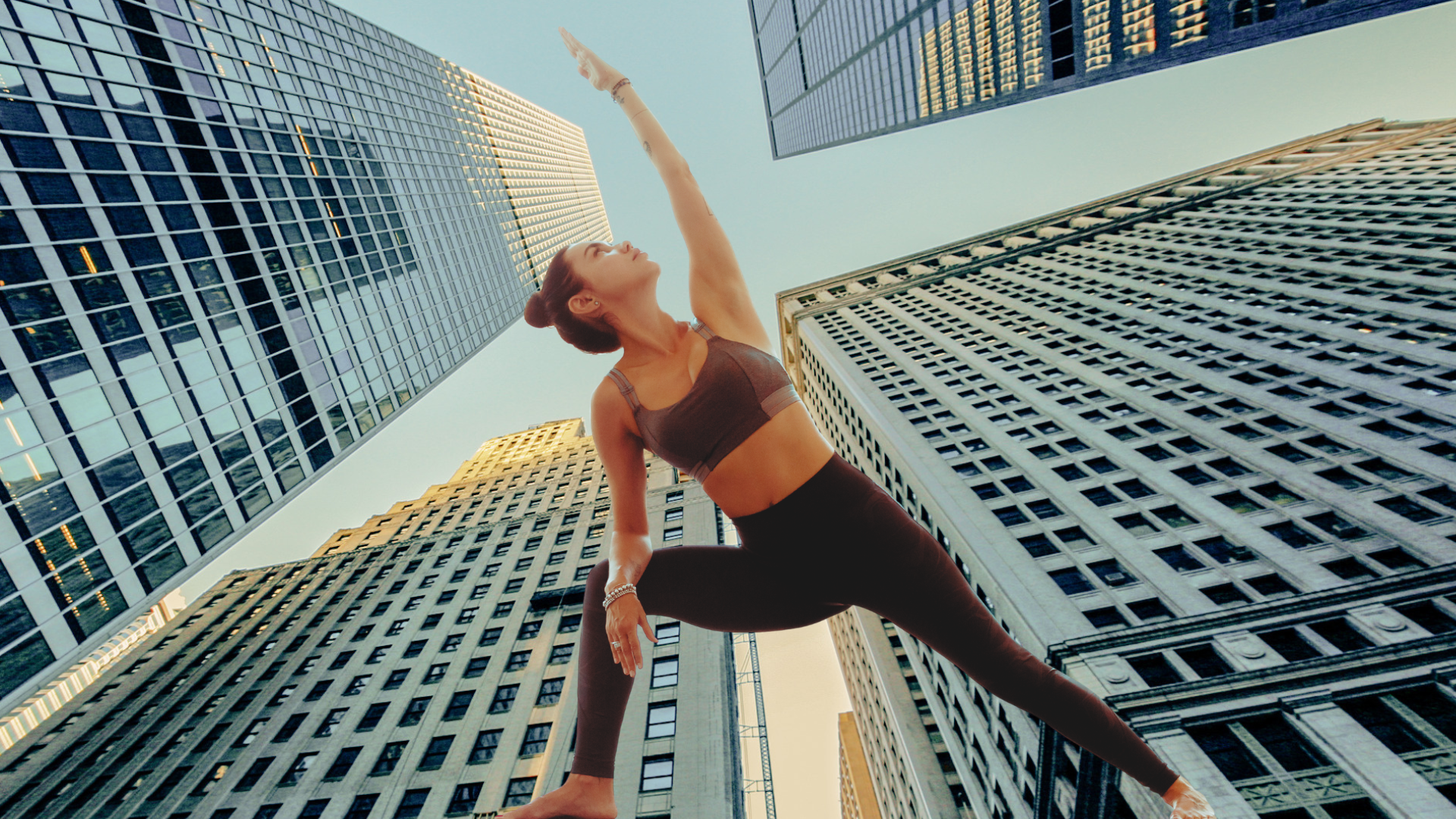
When I first moved to New York City, the experience of working in a high-rise was, at times, physically disorienting. During particularly gusty days, the building would exhibit a subtle, rhythmic sway. Initially, I dismissed it as a trick of the mind or a byproduct of fatigue. However, after hours of frantic research, I discovered a fundamental principle of structural engineering: skyscrapers are designed to move.
If a building were constructed with absolute rigidity, it would eventually succumb to the forces of nature. When high winds hit a static structure, the energy has nowhere to go but into the materials themselves, eventually causing steel to fatigue and glass to shatter. By incorporating flexibility—engineers call this “dampening”—the building can absorb kinetic energy and dissipate it safely. The sway is not a sign of weakness; it is the building’s primary mechanism of survival.
Chronology of a Concept: From Architecture to Asana
The realization that human bodies function much like these towering structures did not come to me in a classroom, but on a yoga mat. As I deepened my practice, I began to hear teachers instruct students to “embrace the wobble” during challenging balancing poses.
Historically, yoga has been viewed as a pursuit of stillness—the Sthira (steadiness) in Sthira Sukham Asanam. Yet, a common mistake for practitioners is to interpret steadiness as a frozen, locked-joint state. Attempting to remain perfectly still in a posture often leads to muscle tension and a loss of balance, as the body loses its ability to make the micro-adjustments necessary to stay upright.
Over the years, the evolution of this understanding has moved from the physical to the philosophical. We have learned that the "wobble" is a form of active listening. It is the body’s way of communicating with gravity, making thousands of tiny calculations per second to keep the center of mass over the base of support. To eliminate the wobble is to eliminate the intelligence of the nervous system.
Supporting Data: The Physics of Equilibrium
Why does rigidity fail where flexibility succeeds? The answer lies in the relationship between force and leverage.
In biomechanics, rigidity creates a "brittle" system. When we lock our joints—a common tendency in Mountain Pose or Warrior II—we bypass the stabilizing musculature that surrounds the joint. Instead, the force of our body weight and gravity is transferred directly into the connective tissues and bones.
Contrast this with a system that incorporates "micromovements." By allowing a slight bend in the knees or a subtle oscillation in the torso, we activate the proprioceptive feedback loop. Studies in vestibular balance have shown that individuals who allow for a natural "sway envelope" maintain better overall equilibrium than those who attempt to hold their center of mass at a single, fixed coordinate. In essence, the sway is the equilibrium.
Official Perspectives: The Expert View on Adaptive Stability
Leading physical therapists and yoga experts have long advocated for this "dynamic stability." Dr. Elena Rossi, a specialist in neuromuscular movement, notes: “When a patient comes in complaining of instability, they are almost always trying to over-stabilize. They are holding their breath, locking their knees, and tightening their core to the point of restriction. We teach them that stability is a verb, not a noun. It is something you do, not something you possess.”
From the perspective of structural biology, our bodies are tensegrity structures—a complex network of compression elements (bones) and tension elements (muscles and fascia). Like a tent held up by ropes, if one side of the structure experiences a shift in tension, the others must compensate. Rigid, unyielding structures lack the "give" necessary to redistribute that tension, whereas an adaptive body thrives under the same conditions.
4 Yoga Poses to Help You Find Steadiness Despite Movement
To move beyond the theoretical and into the practical, we can utilize specific yoga postures to train our nervous system to embrace the wobble. As you practice these, focus on a slow, steady rhythm of breath, which acts as the “internal stabilizer” for your physical frame.
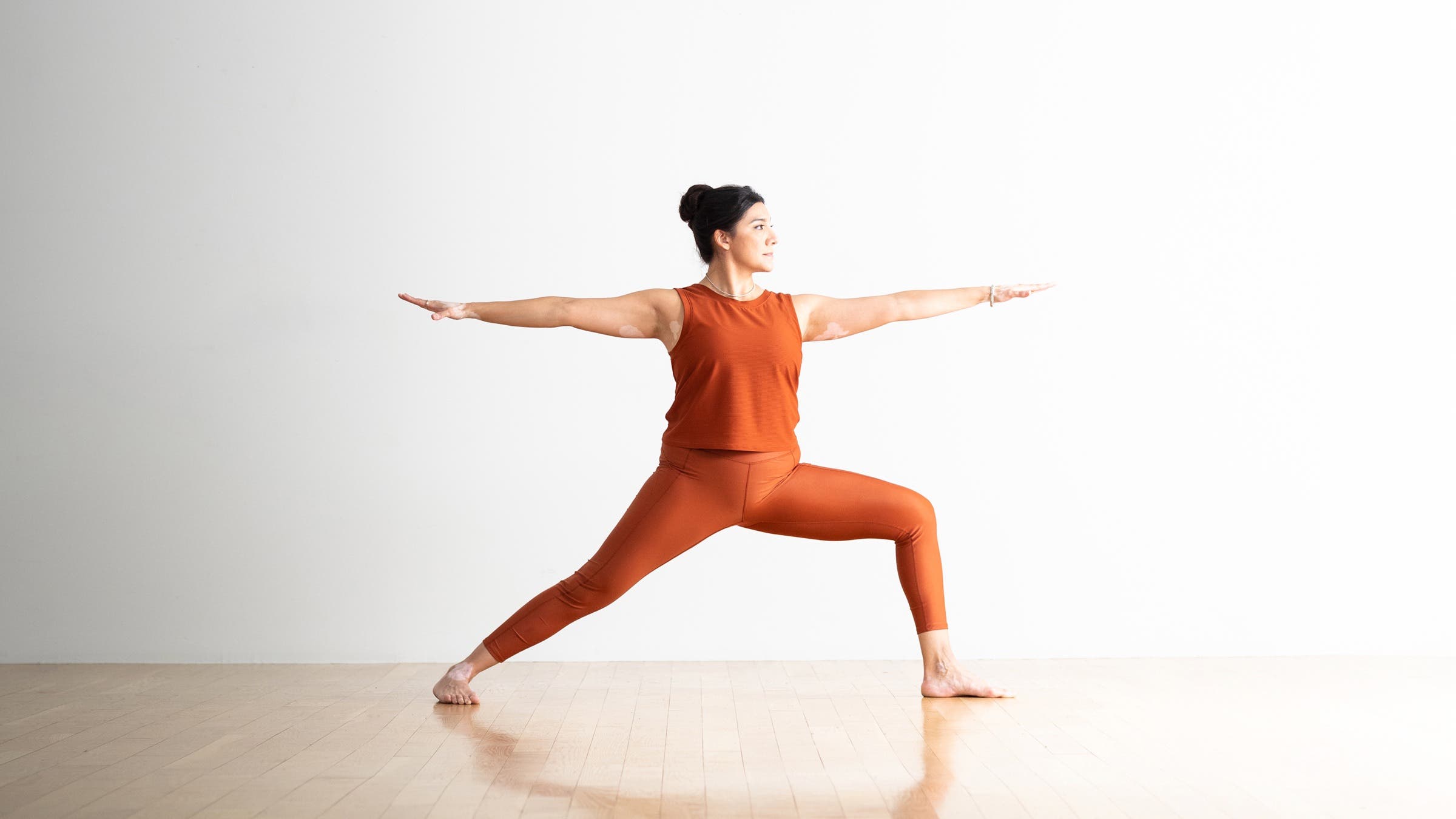
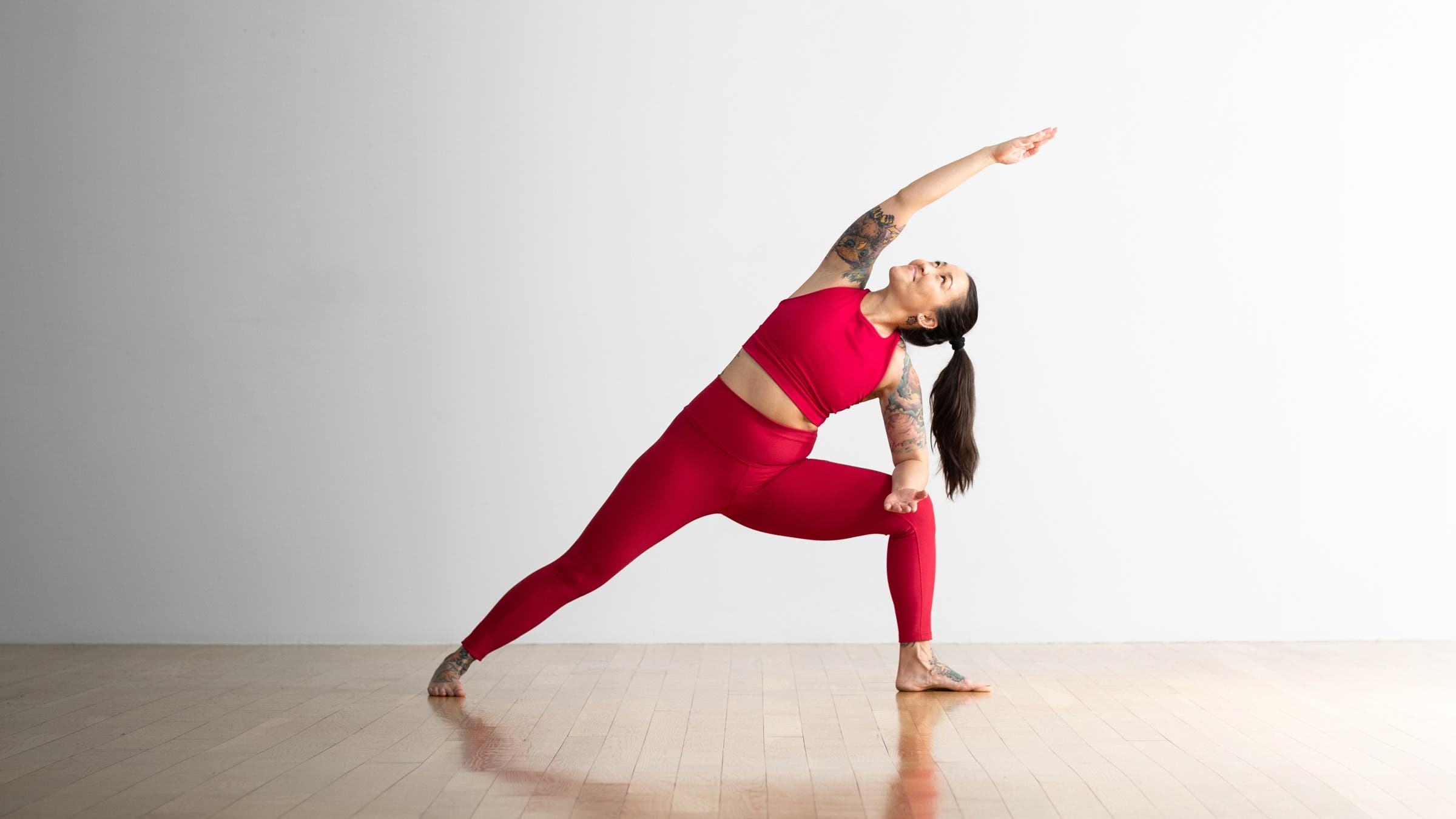
1. Warrior 2 to Extended Side Angle
Start in Warrior 2, grounding your feet firmly. As you transition into Extended Side Angle, do not view the movement as a shift from one static pose to another. Instead, maintain the "micromovements" of pressing the outer edge of your back foot into the mat while spiraling your chest. This creates a push-pull dynamic that keeps you grounded while allowing the spine to elongate.
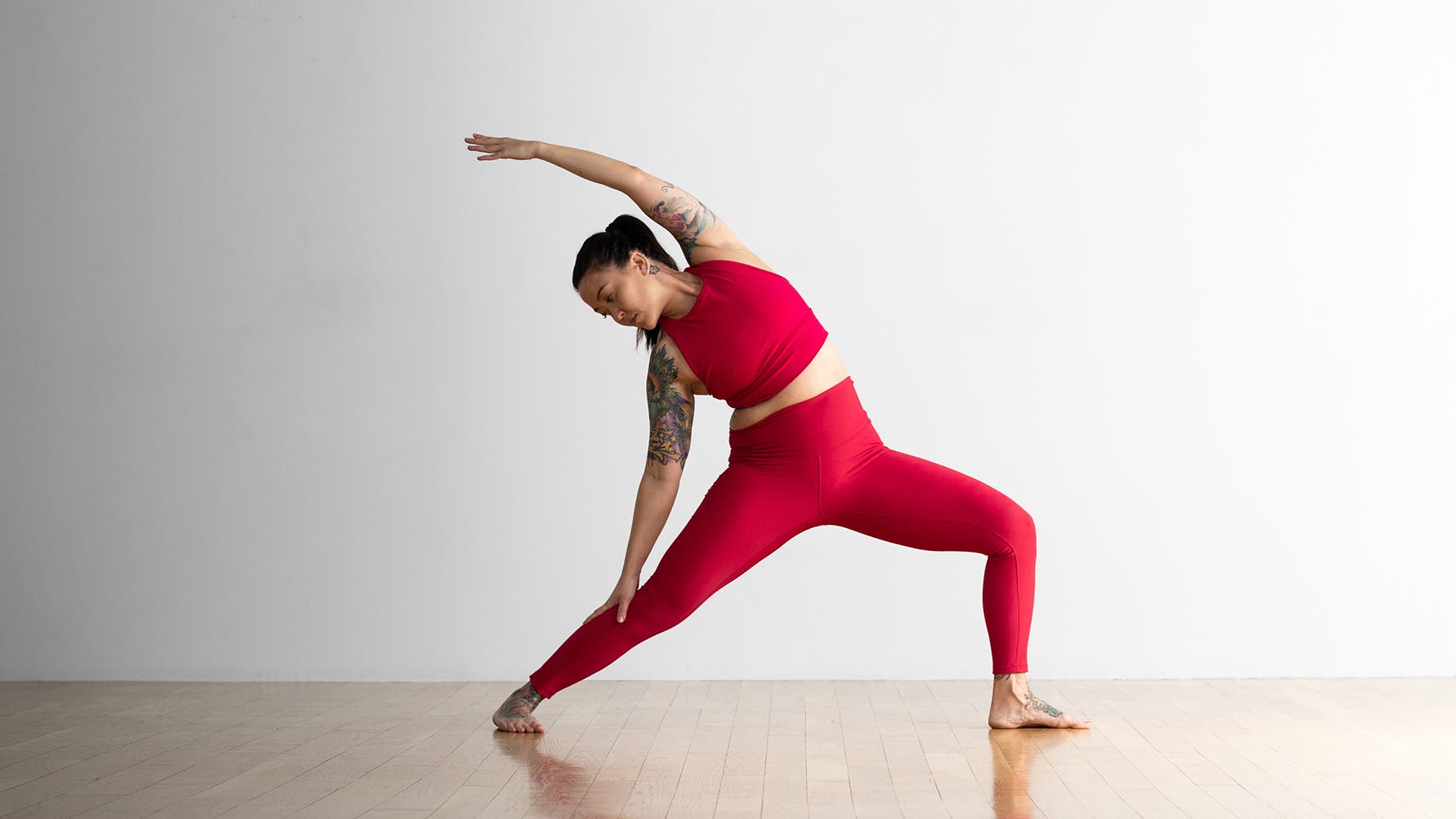
2. Warrior 2 to Reverse Warrior
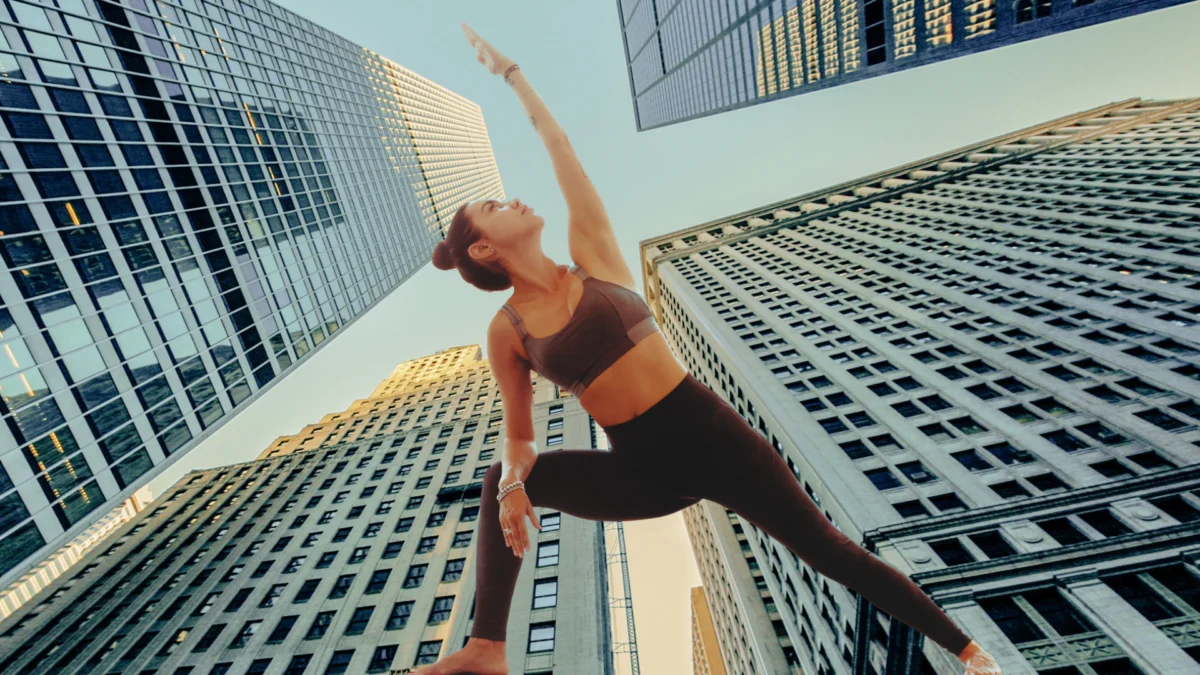
Reverse Warrior is a test of your ability to remain rooted while shifting your center of gravity. As you reach your top arm overhead, resist the urge to lock the front knee. Focus on the pressure distribution between the pinky toe and the big toe mound of your back foot. By shifting your emphasis between these two points, you are actively participating in the "wobble" rather than being a victim to it.
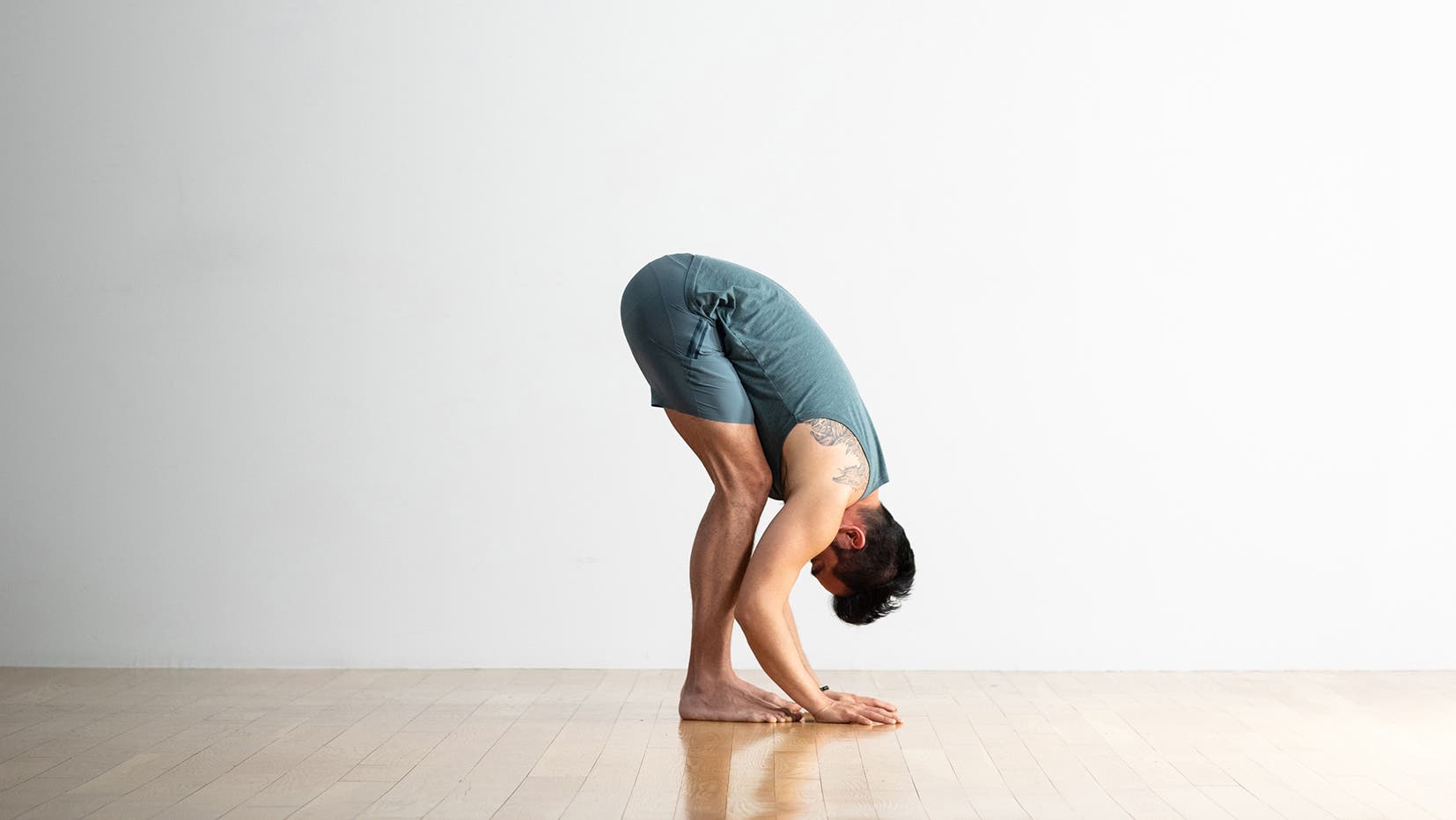
3. Standing Forward Bend (Uttanasana)
Often mistaken as a purely passive pose, the forward bend is an excellent opportunity to explore internal stability. By keeping a micro-bend in the knees and swaying the upper body slightly, you move away from the expectation of "perfect" alignment. This practice encourages you to notice where the stretch feels most intense, directing your breath to those areas of resistance. It teaches us that what feels stable one day may feel different the next, and that adapting to that change is the key to longevity in practice.
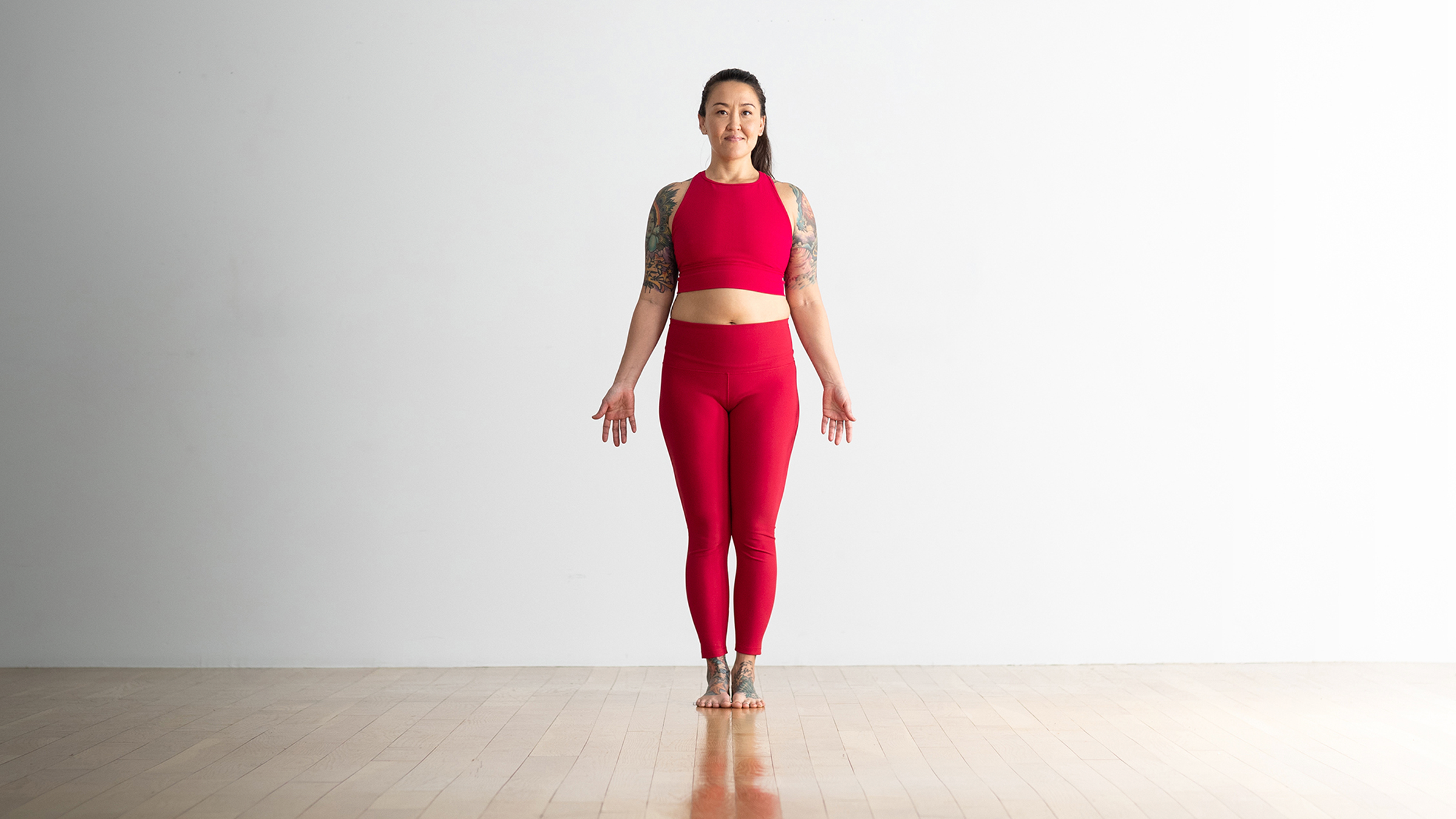
4. Mountain Pose to Tree Pose
Mountain Pose is the foundation of all standing work. By placing your hands on your hips and pressing into the outer edges of your feet, you cultivate an external rotation that stabilizes the hips. As you transition into Tree Pose, avoid the tendency to "grip" the floor with your toes. Instead, treat the standing leg and the lifted foot as two parts of a single, communicating system. If you begin to lean, use your hip muscles to make a subtle adjustment—a tiny, intentional sway—rather than trying to force yourself back to a center that no longer exists.
Implications: Stability in Life and Beyond
The implications of "steadfast flexibility" extend far beyond the walls of a yoga studio. In an era defined by rapid technological change, economic volatility, and unpredictable global events, the human tendency is to "hunker down"—to become rigid in our thinking, our habits, and our defenses.
However, the skyscraper model reminds us that the most resilient systems are those that can bend without breaking. When we prioritize rigidity over flexibility in our professional lives, we become prone to burnout. When we prioritize it in our personal relationships, we become prone to conflict.
Learning to let ourselves veer in one direction or another—to accept that "wobble" is a natural part of the human experience—is the ultimate practice of resilience. It is not an abandonment of our values or our goals, but an acknowledgment that we are dynamic beings living in a dynamic world. By cultivating the ability to bend, we ensure that when the winds of life blow hardest, we do not shatter. Instead, we remain standing, rooted in the knowledge that our ability to move is exactly what keeps us secure.