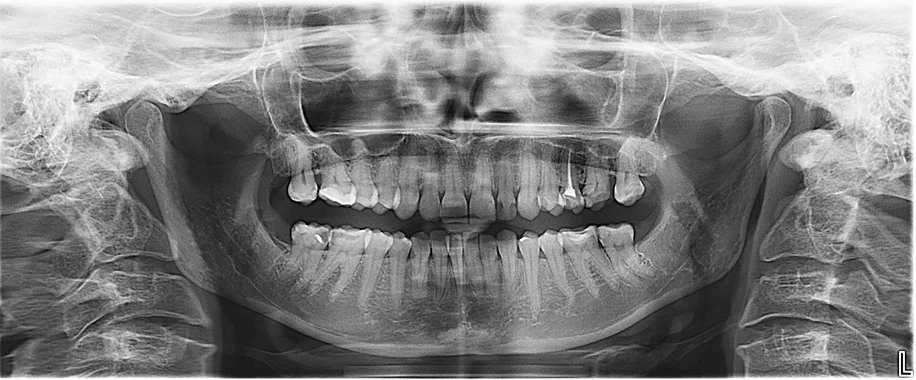
In the wake of National Dental Care Month, the oral health industry is experiencing a long-overdue paradigm shift. For decades, the pillars of preventive dentistry have been clearly defined: brush twice daily, floss consistently, and attend regular hygiene appointments to stave off decay and periodontal disease. While these practices remain the essential foundation of dental health, a growing chorus of clinicians and researchers argues that this traditional definition of "prevention" is incomplete.
As dentistry moves toward an era of personalized, data-driven medicine, the industry is confronting a significant blind spot: the mechanics of the bite. Despite flawless hygiene, a significant portion of the population continues to suffer from persistent, unexplained oral distress—ranging from fractured implants and worn enamel to chronic temporomandibular disorders (TMD) and debilitating jaw tension. The culprit, experts suggest, is often hidden in the invisible, dynamic forces of the occlusion that traditional diagnostic tools simply cannot capture.
The Main Facts: The Limits of Traditional Diagnostics
The fundamental challenge in modern dentistry lies in the disparity between the sophistication of restorative materials and the archaic nature of diagnostic tools. For over a century, the primary method for evaluating a patient’s bite—the way the upper and lower teeth meet—has been articulating paper.
When a patient bites down on this inked film, the clinician looks for visual marks to determine where the teeth contact. While this method is effective for identifying static contact points, it is fundamentally flawed when it comes to dynamic function. Articulating paper cannot measure the timing of a bite, the specific force distribution across the dental arch, or the duration of contact during the rapid, repetitive motions of chewing and swallowing.
This subjective "ink-mark" interpretation leaves clinicians guessing. When a patient returns with a fractured crown or persistent muscle pain after a procedure, the clinician often relies on trial-and-error adjustments. This cycle—adjust, test, readjust—is not only inefficient but can inadvertently introduce further imbalances into the system, leading to the "repeat bite adjustment" trap that plagues many dental practices.
Chronology: From Subjective Marks to Digital Precision
The evolution of occlusal analysis has been a slow transition from analog to digital, mirroring the broader technological revolution in healthcare.
- The Era of Subjectivity (Early 20th Century – 1980s): Diagnosis relied almost exclusively on articulating paper and the clinician’s tactile feel. Treatment was largely corrective, addressing symptoms as they arose.
- The Dawn of Computerized Occlusion (1984 – 1990s): The introduction of early T-Scan technology marked the first time clinicians could move beyond ink marks to view bite data on a screen. Dr. Robert B. Kerstein, a pioneer in this field, began his clinical studies with the first generation of these tools in 1984, laying the groundwork for a new, data-driven understanding of occlusal force.
- The Academic Integration (2000s): Throughout the early 2000s, clinical research began to link chronic TMD and restorative failures to force-timing imbalances that were invisible to the naked eye. Academic institutions, including Tufts University, began incorporating these findings into prosthodontic curricula.
- The Precision Medicine Era (Present Day): Today, we are in the age of the "digital patient." With high-resolution sensors and real-time analytical software, clinicians can now visualize the "occlusal footprint" of a patient’s bite, enabling a level of precision that was previously impossible.
Supporting Data: The Case for Objective Measurement
The impact of bite dysfunction is not merely a cosmetic or minor inconvenience; it is a significant public health concern. According to data from the National Institute of Dental and Craniofacial Research (NIDCR), an estimated 5–10% of the American population suffers from temporomandibular disorders. For these patients, the struggle to find relief is often long and expensive.
Traditional approaches to TMD—frequently involving splints, medications, or even Botox—are often symptomatic, meaning they treat the pain but not the underlying cause. However, data from practitioners utilizing digital occlusal analysis suggests a different path. By identifying specific force imbalances (hyper-contacts) that occur during the chewing cycle, clinicians can make targeted, microscopic adjustments.
Clinical outcomes documented over the last four decades indicate that objective measurement leads to:
- Reduced Treatment Time: By eliminating the guesswork of grinding down "high spots" based on intuition, chair time is significantly reduced.
- Increased Longevity of Restorations: Crowns, bridges, and implants are less likely to fracture when the bite forces are distributed evenly, preventing the destructive leverage that leads to mechanical failure.
- Predictability: Digital records provide a baseline, allowing clinicians to track changes in a patient’s bite over years, shifting the focus from reactive treatment to proactive maintenance.
Official Perspectives and Expert Advocacy
Dr. Robert B. Kerstein, a leading authority in Computerized Occlusal Analysis, argues that the dental profession must evolve its definition of "preventive care." In his view, the absence of decay does not automatically equate to the presence of health.
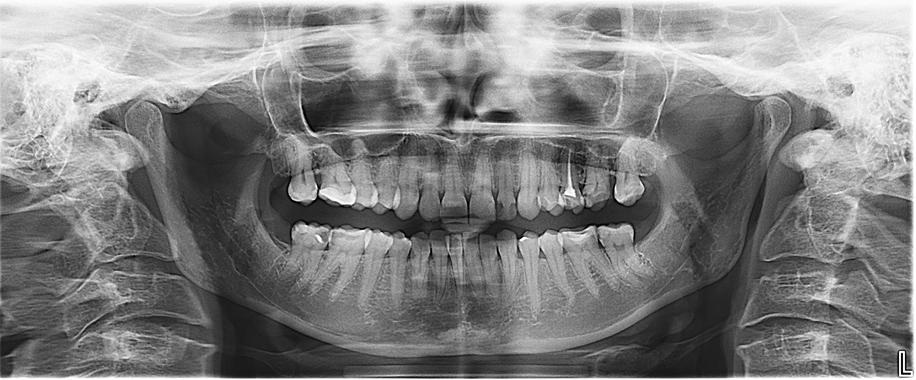
"We have spent decades focusing on the health of the enamel and the gums," Dr. Kerstein notes. "But the teeth are part of a complex musculoskeletal system. If that system is out of balance—if the force of the bite is being directed into the wrong teeth or the jaw joints at the wrong time—no amount of flossing will prevent the long-term structural degradation of that system."
Dr. Kerstein’s decades of research have focused on training clinicians to view the mouth as a dynamic, moving entity rather than a static image. His work advocates for a "measured approach," where the treatment plan is dictated by the data provided by digital sensors, rather than the subjective "feel" of the clinician. This transition, he argues, is essential for the next generation of dentistry, which must prioritize the preservation of tooth structure over the necessity of future repairs.
Implications for the Future of Dentistry
The implications of this shift are profound, affecting everything from patient care standards to the business models of dental practices.
1. A New Definition of Prevention
True preventive dentistry should encompass the entire masticatory system. This means that at a routine check-up, a patient should receive more than just a cavity screening and a cleaning. They should receive a functional assessment to ensure that the muscles of the jaw are not being overworked and that the teeth are not being subjected to damaging, asymmetric forces.
2. Economic Efficiency
For the patient, this means fewer repeat visits for bite adjustments, fewer broken crowns, and a lower long-term cost for dental care. For the clinician, moving away from subjective methods improves the predictability of treatment, leading to higher patient satisfaction and reduced liability associated with failed restorations.
3. Addressing the TMD Epidemic
By treating the underlying mechanical dysfunction rather than masking the symptoms, digital occlusal analysis offers a pathway to relief for the millions of Americans suffering from chronic TMD. This is a critical development, as it shifts the burden of care away from long-term pharmaceutical reliance toward a restorative, mechanical solution.
4. Integration into General Practice
As the technology becomes more accessible, it is likely to move from the specialized realm of prosthodontics into the standard workflow of general dental practices. The goal is to make digital occlusal analysis as routine as taking a digital X-ray. When a dentist can show a patient the precise data of their bite on a screen, it enhances communication, builds trust, and helps the patient understand the "why" behind recommended treatment.
Conclusion: The Path Forward
The dental industry stands at a crossroads. While the traditional message of "brush and floss" will always remain relevant, it is no longer the ceiling of what is possible in oral health. The future of the field lies in the integration of digital, objective, and precise technologies that treat the mouth as a functional, dynamic system.
By looking beyond the teeth to the underlying mechanics of the bite, clinicians can identify dysfunction before it manifests as chronic pain, tooth wear, or restorative catastrophe. This evolution represents the true spirit of preventive care: the ability to intervene early, guided by data, to ensure that the patient’s smile is not only healthy and bright but also structurally sound for a lifetime. As we move further into the 21st century, the message to the industry is clear: the next generation of oral wellness will be measured in millisecond timing and force distribution—the invisible keys to a lifetime of dental stability.