










When the Human Genome Project concluded in 2003, having successfully sequenced the entire genetic blueprint of a human being, the scientific community was gripped by a wave of optimism. The prevailing belief was that we had unlocked the master key to human health. If we could identify the genetic roots of disease, we could effectively "edit" our way to immortality or at least eradicate hereditary ailments.
Two decades later, the reality has proven far more nuanced. Genetics, it turns out, accounts for only about 10% of our disease risk. The remaining 90% is governed by the "exposome"—the sum total of environmental factors we encounter throughout our lives. Among these, diet stands as the single most significant variable. Yet, despite the massive proliferation of nutritional advice, public health initiatives, and dietary guidelines, obesity and diet-related metabolic diseases are currently rising at an alarming rate. It has become increasingly clear that our traditional framework for understanding food—based solely on calories and a handful of essential vitamins—is fundamentally incomplete.
The Chronology of Nutritional Misunderstanding
To understand why we are struggling to manage modern health, we must look at how our definition of "nutrition" has evolved:
- The Early 20th Century (The Era of Deficiency): Nutritional science was born out of a need to solve acute deficiencies. Discoveries focused on identifying singular nutrients like Vitamin C for scurvy or B12 for anemia. This era established the "reductionist" model: food is fuel, and nutrients are building blocks.
- The Mid-20th Century (The Macronutrient Focus): As chronic diseases began to eclipse infectious ones, the focus shifted to macronutrients. We entered the era of low-fat, low-sugar, and high-protein mandates. The goal was simplicity: count the calories, manage the macros.
- The 2003 Genome Milestone: The mapping of the human genome shifted focus toward personalized medicine, but it simultaneously revealed that our genes are not our destiny.
- The 2020s (The Foodomics Revolution): Scientists have begun to recognize that the 150 or so chemicals we track in common nutritional databases are merely the "visible matter" of a much larger, darker, and more complex chemical universe.
Supporting Data: The Scale of the Hidden Chemical Universe
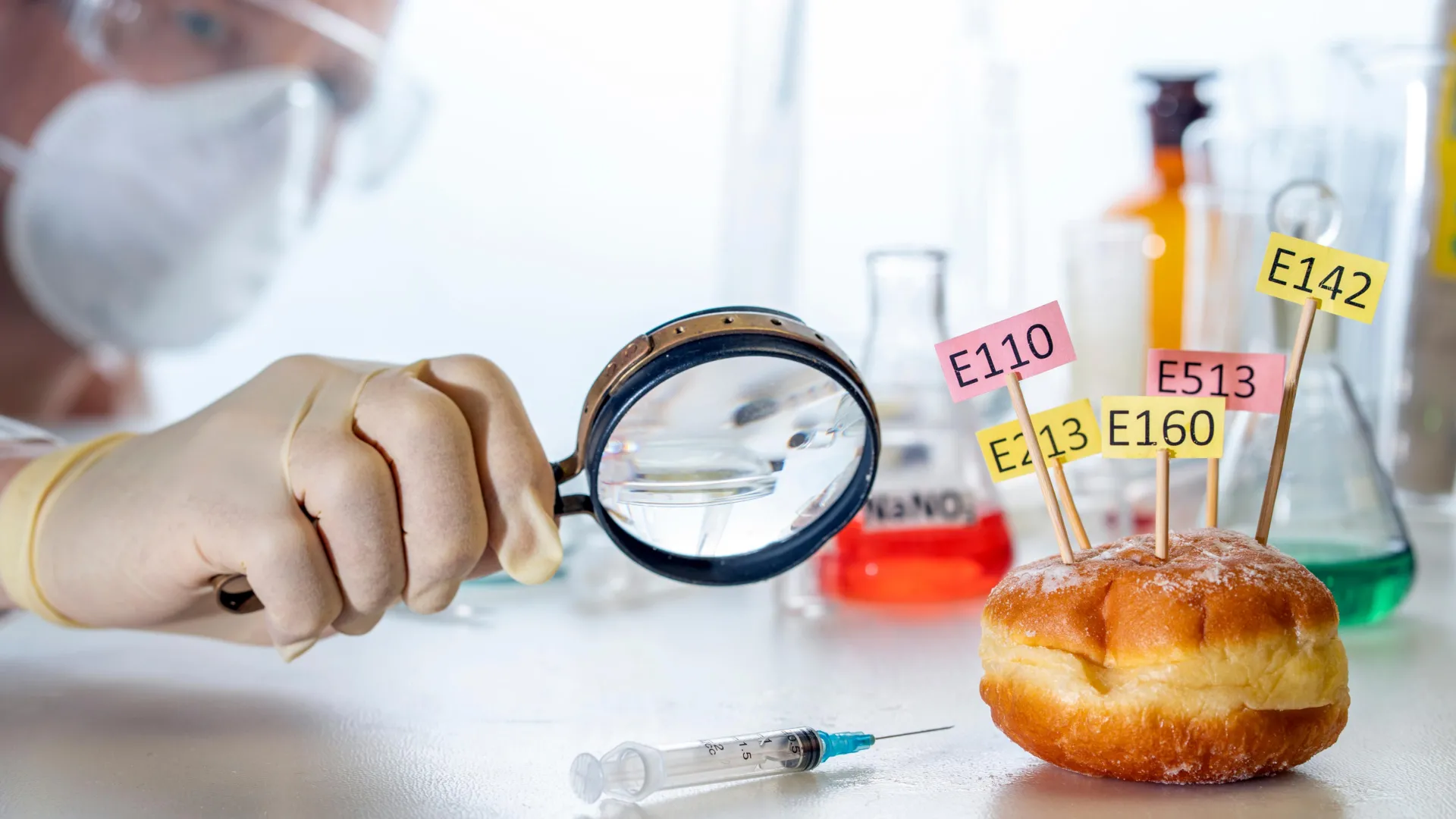
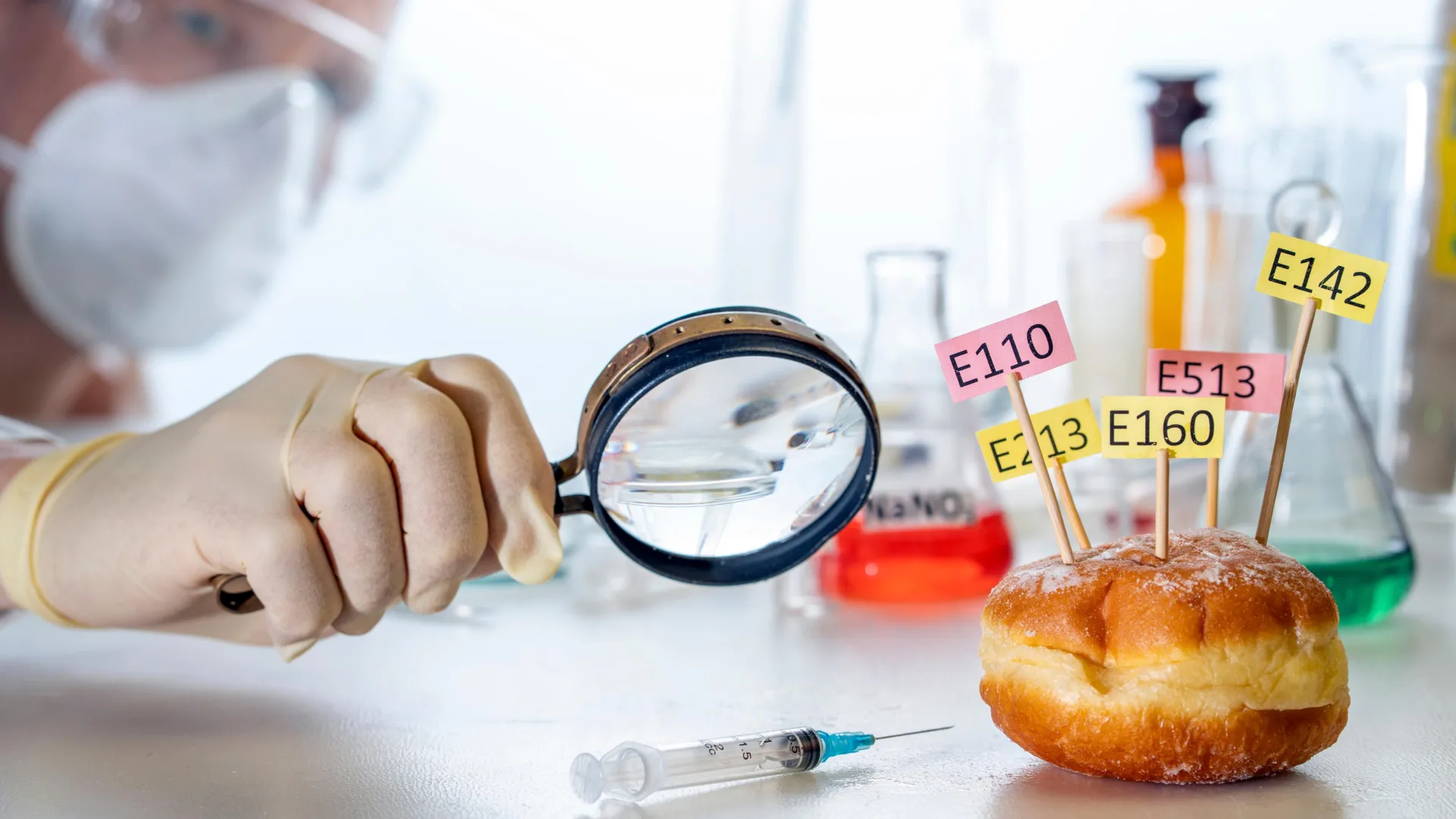
The limitations of our current understanding are stark. Traditional nutritional science recognizes roughly 150 chemical compounds in our food supply. However, recent computational models and high-throughput mass spectrometry suggest that the actual number of compounds we ingest is likely north of 26,000.
This creates a crisis of information. If we are consuming tens of thousands of compounds daily, but we only have clinical data on a fraction of one percent, we are essentially navigating our own health in the dark.
The consequences of this ignorance are measurable and dire:
- Global Mortality: Poor diet is now formally linked to approximately one in five deaths among adults aged 25 and older worldwide.
- Cardiovascular Burden: In Europe alone, sub-optimal dietary intake accounts for nearly 50% of all cardiovascular-related deaths.
- The "Dark Matter" Gap: Much like astronomers who realized that 27% of the universe is composed of "dark matter"—a substance that cannot be seen but exerts a gravitational pull on everything else—nutritionists are realizing that the vast majority of food compounds are "nutritional dark matter." These molecules interact with our cells, influence our gut microbiome, and modulate our gene expression, yet they remain largely unmapped.
Official Perspectives and the "Foodome" Initiative
Leading research institutions and health organizations are now pivoting to address this gap. The most prominent effort is the Foodome Project, a collaborative scientific endeavor aimed at cataloging the "food universe." By mapping the chemical structure of foods to their interaction with human proteins, gut microbes, and metabolic pathways, researchers have already listed over 130,000 unique molecules.
Dr. Albert-László Barabási, a pioneer in network medicine, has argued that we cannot understand human health until we understand the "food-disease" network. His work suggests that diseases are not caused by the failure of a single gene, but by the collapse of biological networks—networks that are constantly being fed by the chemical information contained in our diet.
"We have been looking at food like a mechanic looking at a car with a microscope," notes one lead researcher in the field. "We see the bolts and the grease, but we are missing the engine’s entire combustion process."
Implications: The New Frontier of Foodomics
The field of Foodomics—a discipline integrating genomics, proteomics, metabolomics, and nutrigenomics—is poised to rewrite the rules of preventative medicine. The implications of this research are profound, affecting everything from how we treat disease to how we define "healthy" eating.
1. The Gut-Chemical Interface
We now know that our gut microbiome acts as a chemical processing plant. When we consume foods, the bacteria in our colon don’t just "digest" them; they transform them. For example, ellagic acid, found in berries and nuts, is metabolized by specific gut microbes into urolithins. These molecules then travel to our mitochondria, optimizing our cellular energy production. If we lack the right microbial diversity, we essentially lose the benefit of these "invisible" chemicals.
2. Epigenetics: You Are What Your Ancestors Ate
Perhaps the most sobering implication of the new nutritional science is the role of epigenetics—the process by which environmental factors switch genes on or off without altering the DNA sequence itself. Historical data from the "Dutch Hunger Winter" of 1944-1945 provided a tragic, definitive proof of this. Children born to mothers who suffered through the famine experienced lifelong changes in gene expression, leading to higher rates of metabolic syndrome and heart disease. This demonstrates that diet is not just fuel; it is a signal to our genes that can echo through generations.
3. Precision Nutrition
The ultimate goal of mapping nutritional dark matter is the transition from "one-size-fits-all" dietary guidelines to precision nutrition. We have long wondered why a Mediterranean diet might reverse heart disease in one patient but fail in another. The answer likely lies in the interplay between their unique microbiome, their genetic predispositions, and the specific "dark matter" compounds they are able to metabolize.
Toward a New Atlas of Health
As we stand on the precipice of this new era, the message is clear: the food on our plate is a vast, uncharted chemical landscape. We are moving away from the simplistic, reductionist view that has dominated the last century. We are beginning to see that a single apple is not just "carbohydrates and fiber," but a complex cocktail of thousands of molecules that interact with our body’s signaling systems.
The future of nutrition will not be about counting calories or demonizing specific macronutrients. It will be about understanding the complex chemical dance between the environment, our gut, and our genome.
While we are still in the early stages of charting this "nutritional universe," the mapping of dark matter in the cosmos transformed our understanding of the stars. Similarly, uncovering the dark matter in our food promises to transform our understanding of the human body. By decoding these hidden signals, we may finally be able to move beyond simply managing disease to actively designing diets that optimize human health at the molecular level.
The next great medical breakthrough may not come from a pharmaceutical lab or a genomic sequencer, but from the humble, yet incredibly complex, contents of our dinner plates. We have finally begun to look at the shadows, and in doing so, we are discovering that the most important parts of our health have been hiding in plain sight all along.