








For millions of adults worldwide, the nightly ritual of strapping on a Continuous Positive Airway Pressure (CPAP) mask is a necessary, albeit often cumbersome, reality. Obstructive Sleep Apnea (OSA)—a chronic condition characterized by repeated airway collapses during sleep—has long been managed primarily through mechanical intervention. However, the meteoric rise of Glucagon-like peptide-1 receptor agonists (GLP-1s), such as Ozempic and Zepbound, has shifted the conversation. By facilitating significant weight loss, these medications are offering a new pharmacological frontier for patients struggling to breathe through the night.
The Intersection of Obesity and OSA: The Core Problem
To understand why GLP-1s are making waves in sleep medicine, one must first understand the mechanical nature of Obstructive Sleep Apnea. OSA occurs when the muscles in the throat relax excessively or when excess tissue in the neck area collapses, physically blocking the airway. These "apneic events" force the body to wake up—often just for a split second—to gasp for air, leading to fragmented, poor-quality sleep.
Research indicates a powerful correlation between body mass and airway obstruction. Approximately 31% of individuals with OSA are classified as having obesity, while an additional 44% are considered overweight. When extra adipose tissue accumulates around the neck, it narrows the pharyngeal space. Consequently, even minor weight reduction can dramatically improve the structural integrity of the airway. Clinical data suggests a compelling trend: a 20% reduction in Body Mass Index (BMI) is associated with a 57% reduction in sleep apnea symptom severity.
A Chronology of the GLP-1 Breakthrough
The journey of GLP-1s from diabetes management to weight loss and, more recently, to sleep apnea treatment, has been rapid:
- The Foundational Years: GLP-1s were initially developed to mimic hormones that regulate blood sugar in patients with Type 2 Diabetes. Ozempic (semaglutide) became a household name for its efficacy in glycemic control.
- The Weight Loss Pivot: Clinicians and patients soon noted that significant weight loss was a consistent, unintended side effect. This led to the development and FDA approval of Wegovy (semaglutide) specifically for weight management.
- The 2024 Landmark Approval: In a historic shift for sleep medicine, the FDA officially approved Zepbound (tirzepatide) for the treatment of moderate to severe obstructive sleep apnea in adults living with obesity. This marked the first time a drug was cleared specifically to address the respiratory complications of OSA rather than just the underlying obesity.
- The Current Landscape: While Zepbound has blazed the trail, researchers are currently evaluating whether the broader class of GLP-1s can offer similar, standardized results for the millions of Americans affected by sleep-disordered breathing.
Official Regulatory Stances and Insurance Complexities
Despite the excitement, the path to obtaining these medications is fraught with bureaucratic hurdles. It is crucial to distinguish between medications approved for specific conditions and those used "off-label."

FDA Approval Status
Currently, the FDA has not approved Ozempic for the treatment of sleep apnea or weight loss. Its indication remains strictly for Type 2 Diabetes. While some providers may prescribe Ozempic "off-label" for patients struggling with obesity-related OSA, insurance companies rarely cover medications outside their FDA-approved labels. In contrast, Zepbound is the only GLP-1 currently boasting an official FDA indication for moderate to severe OSA.
The Insurance Hurdle
For many patients, the price tag is the primary barrier. Out-of-pocket costs for these medications can exceed $500 to $1,000 per month. Insurance coverage is highly variable and usually contingent on "medical necessity." To qualify, many plans require:
- BMI Thresholds: Proving a BMI in the obese range (typically 30 or higher).
- Failed Interventions: Documentation that the patient has attempted, but failed or was unable to tolerate, CPAP therapy.
- Step Therapy: Proof of participation in structured diet and exercise programs for a set period.
Navigating the Appeals Process
If your insurance provider denies coverage for a GLP-1, the battle is not necessarily over. Providers can submit a "Prior Authorization" request that details the clinical necessity of the drug. If that is denied, patients have the right to an internal appeal.
"The key is documentation," explains a leading sleep specialist. "If we can prove that the patient’s OSA is directly linked to their metabolic health and that they have struggled with conventional treatments, we have a much stronger case for the insurer."
Patients should contact their insurance carrier directly to request a copy of the "formulary"—the list of covered drugs—and ask specifically about the requirements for GLP-1 coverage for obesity-related conditions. If the initial appeal fails, an external review by a third-party medical professional can provide a final, impartial assessment.
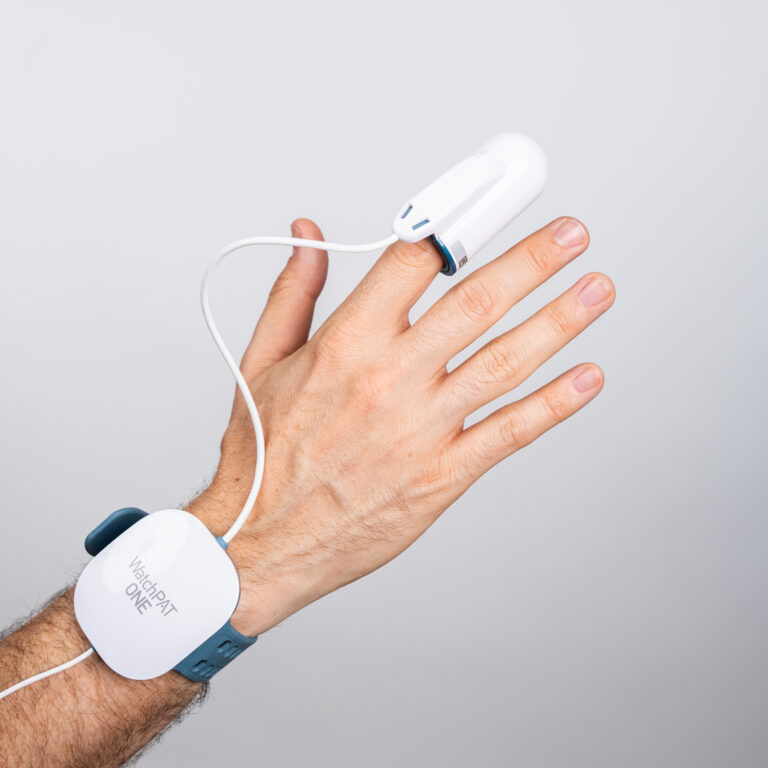
Clinical Implications: What the Studies Say
Not all GLP-1s are created equal. Clinical trials comparing various medications have shown that while weight loss is a universal outcome, the secondary benefits to sleep apnea can vary. For instance, studies have indicated that tirzepatide (Zepbound) may offer more robust improvements in apnea-hypopnea index (AHI) scores—a metric used to measure the severity of sleep apnea—compared to older GLP-1s like liraglutide (Saxenda).
Beyond airway obstruction, GLP-1s appear to have a positive impact on cardiovascular health. Because many people with OSA also suffer from hypertension, the ability of these drugs to stabilize blood pressure and reduce inflammation provides a secondary, systemic benefit that standard CPAP therapy does not address.
Lifestyle Alternatives and Complementary Approaches
While medication is a powerful tool, it is rarely a "magic bullet." Lifestyle modifications remain the bedrock of long-term sleep health. For those who cannot access or afford GLP-1s, the following strategies remain the gold standard:
- The Caloric Deficit: To lose weight, one must maintain a consistent calorie deficit. This is best achieved by working with a nutritionist to create a sustainable, healthy eating plan.
- Structured Exercise: The U.S. Department of Health and Human Services recommends 150 to 300 minutes of moderate-intensity activity per week. Resistance training is particularly effective for those with OSA, as increased muscle mass can improve metabolic rate and reduce the neck circumference associated with airway blockage.
- Standardized Sleep Hygiene: Simple adjustments, such as sleeping on one’s side rather than the back, or using oral appliances, can bridge the gap for those with mild cases of apnea.
Frequently Asked Questions (FAQ)
Does Medicare cover Ozempic for sleep apnea?
Medicare currently does not cover Ozempic for sleep apnea. However, it may provide partial coverage for Zepbound under specific conditions. Because Medicare policies change annually, beneficiaries are encouraged to check their specific Part D or Medicare Advantage plan for the most current formulary.
What if I cannot afford these medications?
If insurance remains a barrier, discuss the "Patient Assistance Programs" offered by the manufacturers of these drugs. Many companies provide significant discounts or free medication to patients who meet specific income and health criteria.

How long do I need to take these drugs to see a difference in my sleep?
Weight loss is a gradual process. Many patients report improvements in sleep quality within the first three to six months as they begin to shed weight. However, these medications are typically intended for long-term use; stopping them often leads to weight regain and the subsequent return of sleep apnea symptoms.
Conclusion: A New Era for Sleep Health
The integration of GLP-1s into the treatment of sleep apnea represents a shift from "managing the symptom" (the collapsed airway) to "treating the cause" (the metabolic and weight-related factors). While the CPAP machine remains a life-saving tool for many, the arrival of FDA-approved weight-loss medications offers a newfound sense of hope.
Patients are encouraged to initiate an open, honest dialogue with their primary care physician or a sleep specialist. By combining clinical expertise with a comprehensive approach to health—including diet, exercise, and, where appropriate, modern pharmacology—a better night’s sleep is more attainable than ever before.
Medical Disclaimer: The content provided in this article is for informational purposes only and does not constitute medical advice, diagnosis, or treatment. Always seek the advice of your physician or other qualified health provider with any questions you may have regarding a medical condition. Never disregard professional medical advice or delay in seeking it because of something you have read here.