








For many individuals over the age of 50, the emergence of an "apron belly"—medically referred to as a panniculus—is a source of both frustration and physical discomfort. This layer of skin and fat, which hangs low across the lower abdomen, does more than alter one’s silhouette; it can impact posture, exacerbate lower back pain, and change how the waistline feels during the simple, repetitive movements of daily life.
While traditional fitness advice often points toward endless sets of crunches or sit-ups, physiological changes associated with aging necessitate a more sophisticated approach. To effectively address the midsection after 50, one must move beyond isolated abdominal work and embrace a holistic strategy that prioritizes total-body conditioning, metabolic health, and structural support.
The Physiology of the Midsection After 50
Understanding the Mechanism
The "apron" is typically composed of subcutaneous fat—fat stored just beneath the skin—and sometimes excess skin resulting from previous weight fluctuations or the natural loss of skin elasticity that accompanies aging. According to researchers at the National Institutes of Health, the body’s metabolic rate begins a gradual decline after the fifth decade, making the maintenance of a lean midsection a more complex task than it was in one’s twenties or thirties.
Crucially, "spot reduction"—the idea that you can burn fat specifically from your stomach by working your abs—is a fitness myth. The body manages fat loss through a systemic, full-body process. When you create a consistent calorie deficit and increase physical demand through movement, the body pulls energy from fat stores across the entire frame.
The Role of Core Integrity
While you cannot "spot reduce" fat, you can build the muscle tissue underneath. A strong, functional core—consisting of the rectus abdominis, obliques, transverse abdominis, and the muscles supporting the spine and hips—acts as a natural corset. Strengthening these muscles provides structural support, improves posture, and gives the midsection a firmer, more "held-in" appearance, even while the body composition continues to shift.
Four Essential Standing Exercises for Total-Body Transformation
The most effective movements for the post-50 demographic are those that engage multiple large muscle groups simultaneously. Standing exercises offer a distinct advantage: they require the core to stabilize the entire body against gravity, turning every repetition into a functional training session.
1. Jogging Intervals: Metabolic Conditioning
Jogging intervals are one of the most efficient ways to elevate the heart rate and improve cardiovascular conditioning. Unlike steady-state cardio, interval training creates a higher "afterburn" effect, which is vital for long-term body composition changes.
- The Mechanics: By alternating short bursts of effort with walking recovery, you keep the heart rate in a zone that optimizes fat oxidation. Your core remains engaged throughout the movement as it stabilizes your hips and torso against the impact of each stride.
- The Strategy: Aim for 8 to 12 rounds. Sprint or jog briskly for 20 to 60 seconds, then recover with a slow walk for 60 to 90 seconds.
- Pro Tip: Focus on "landing softly." A light foot strike reduces joint stress, ensuring that the workout remains sustainable for long-term health.
2. Med Ball Front Slams: Power and Core Engagement
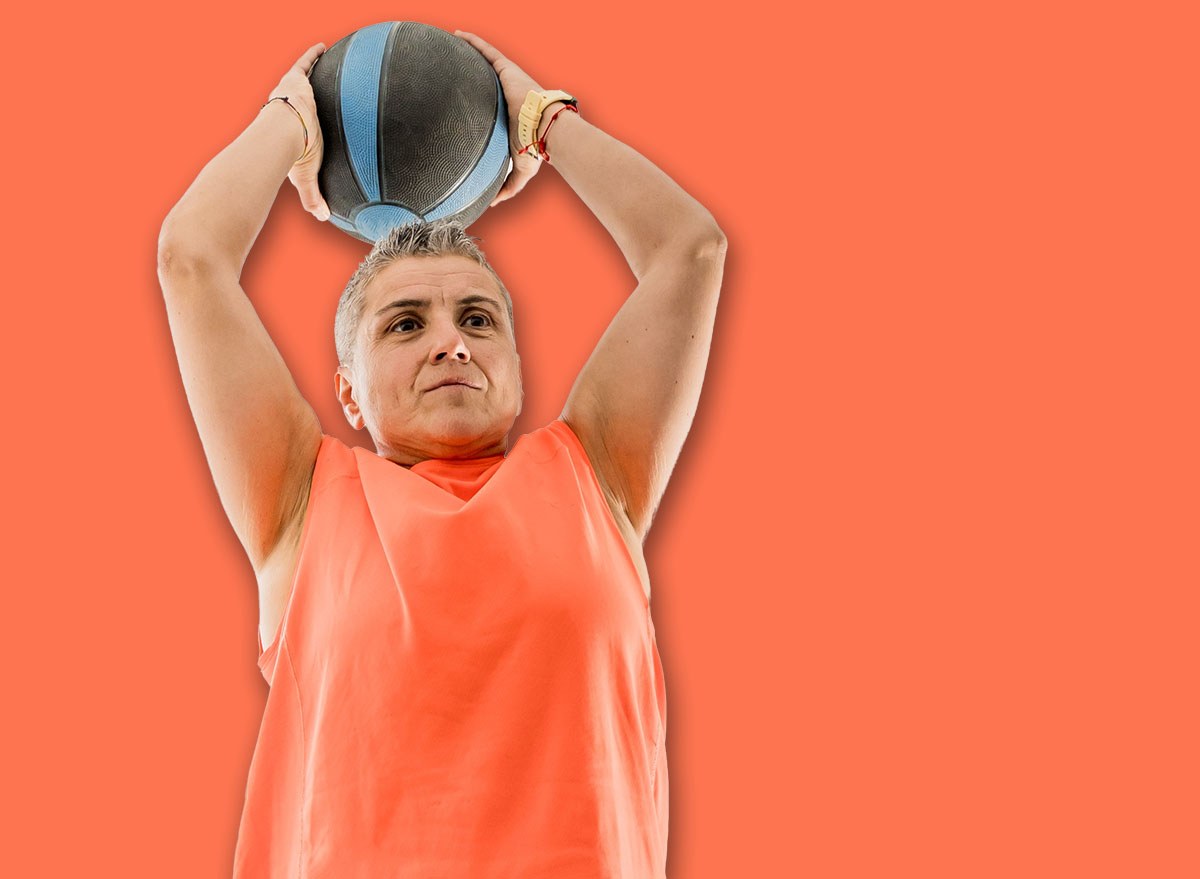
The medicine ball slam is a dynamic, full-body movement that bridges the gap between strength and agility. It is particularly effective for those over 50 because it trains the "posterior chain"—the muscles along the back of the body—while forcing the abdominals to brace sharply upon impact.
- The Mechanics: As you raise the ball overhead, your core lengthens. As you slam it down, your core must contract forcefully to control the descent. This movement engages the lats, shoulders, and hips, providing a high-intensity workout that builds power.
- The Strategy: Perform 3 sets of 8 to 12 repetitions. Ensure you are using your entire body to drive the ball down, rather than simply swinging your arms.
- Pro Tip: If you have shoulder sensitivities, opt for a lighter ball and focus on the speed of the contraction rather than the weight.
3. Dumbbell Push Press: Compound Strength
The push press is a king among compound movements. By using the legs to assist in the vertical drive of a weight, you are able to handle more load, which stimulates greater muscle protein synthesis—a critical factor in preventing age-related muscle loss (sarcopenia).
- The Mechanics: The move starts with a shallow dip in the knees, followed by an explosive drive upward. The core must remain rigid throughout the press to protect the lumbar spine. This movement builds the shoulders, triceps, and glutes, while the abdominal wall acts as a bridge for force transfer.
- The Strategy: 3 sets of 6 to 10 repetitions. Choose a weight that allows you to maintain a "stacked" position, where your ribs and pelvis remain aligned.
- Pro Tip: Do not lean back as the weight goes overhead. Keep your gaze forward and your core tight to maintain a neutral spine.
4. Walking Lunges: Functional Stability
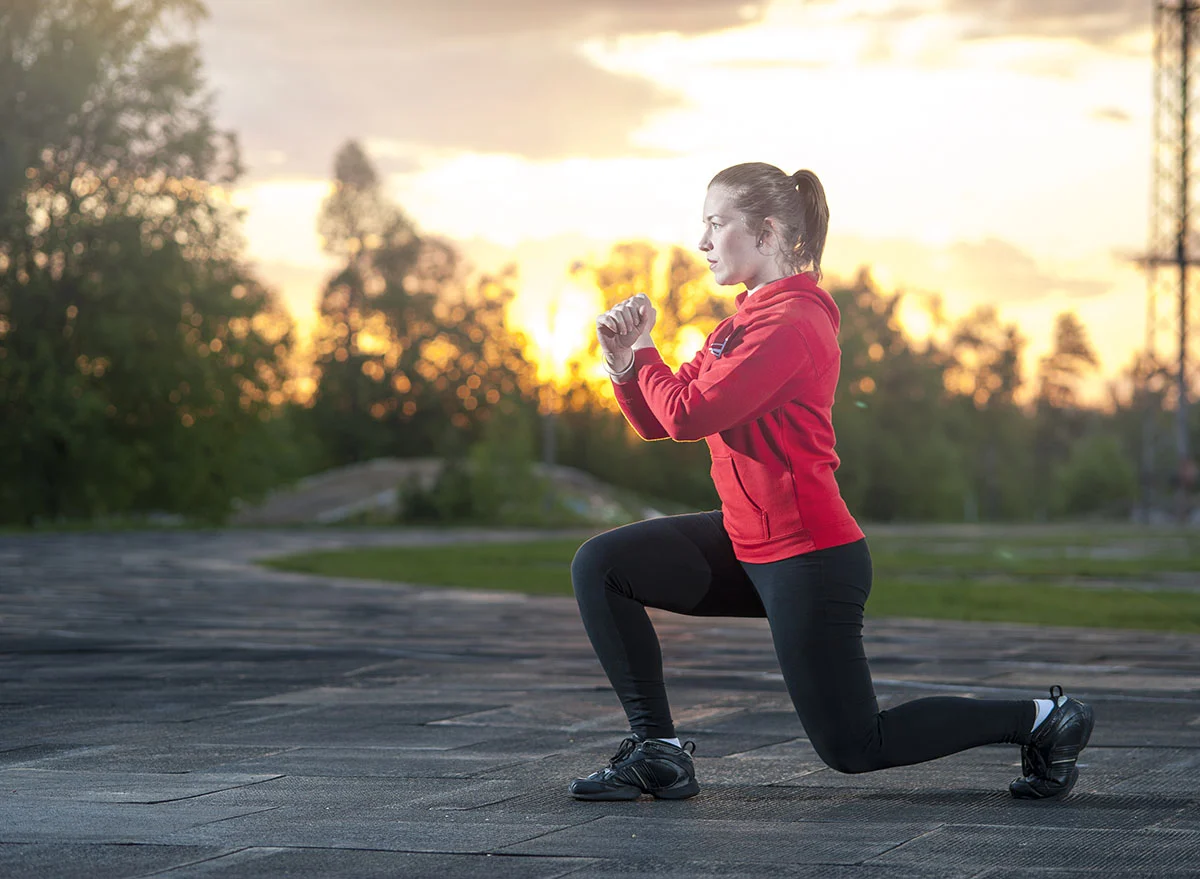
Walking lunges are the ultimate test of unilateral strength and balance. They demand that the core work overtime to keep the torso upright while the legs handle the shifting center of gravity.
- The Mechanics: This exercise targets the quadriceps, hamstrings, and glutes. Because the movement is performed in a walking pattern, it mimics the mechanics of gait, making it highly functional for everyday mobility.
- The Strategy: 3 sets of 8 to 10 repetitions per leg. Allow yourself 45 to 60 seconds of rest between sets to ensure form does not break down.
- Pro Tip: Imagine you are on a tightrope. Keeping your feet slightly apart rather than directly in front of one another will improve your stability and reduce the strain on your knees.
Implications for Long-Term Wellness
The Necessity of a Multidisciplinary Approach
It is important to acknowledge that exercise is only one piece of the puzzle. An apron belly is often the result of complex factors, including hormonal changes, cortisol levels, and nutritional habits. For individuals over 50, the focus must shift from "weight loss" to "body recomposition."
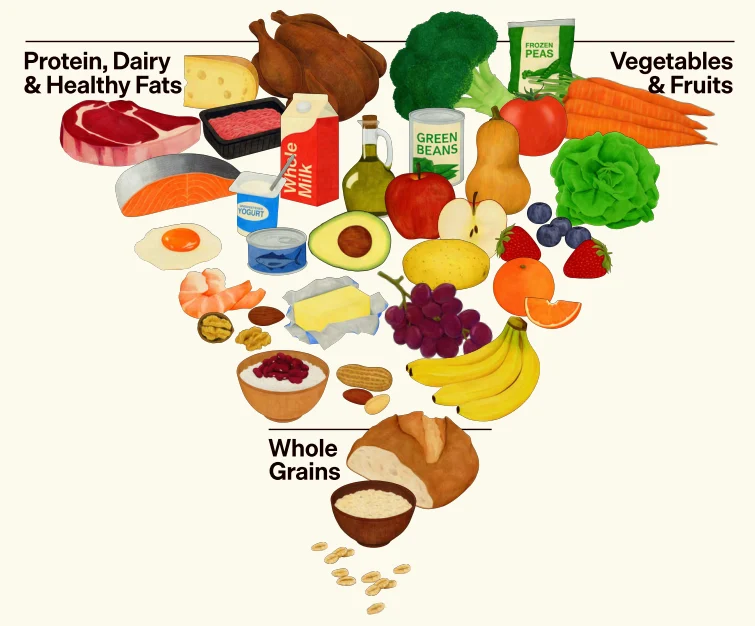
- Nutrition: Achieving a sustainable calorie deficit is essential. Focus on high-protein intake to support muscle maintenance and fiber-rich foods to improve digestion and satiety.
- Consistency over Intensity: The goal is to build a habit that lasts for years, not weeks. Choose the intensity that allows you to recover properly between sessions.
- Medical Considerations: Before beginning any new high-intensity interval program, it is advisable to consult with a primary care physician, especially if you have existing cardiovascular or orthopedic concerns.
Looking Ahead
The transition into your fifties and beyond is a period where physical autonomy becomes paramount. By replacing traditional, low-impact core exercises with these dynamic, standing movements, you are doing more than just addressing a cosmetic concern. You are training your body to be more resilient, stable, and capable of navigating the world with confidence.
The apron belly may be a stubborn byproduct of time, but through targeted, full-body resistance training and mindful nutrition, you can build a stronger, more supported core that serves you well into your later years. The journey to a flatter midsection is not found in the next "miracle" supplement or fad diet, but in the slow, steady, and deliberate application of functional strength and cardiovascular health.