For decades, the fitness industry has sold the image of the "flat stomach" through the lens of the crunch. From late-night infomercials promising six-pack abs in six minutes to the rows of seated abdominal machines found in almost every commercial gym, the narrative has remained largely unchanged: to work your core, you must isolate it.
However, as we cross the threshold into our 60s and beyond, the science of movement and the reality of physiological aging suggest a different approach. The modern consensus among longevity experts and functional trainers is clear: skip the ab machine. If you want a functional, resilient, and aesthetic midsection after 60, you need to stand up.
The Shift in Core Philosophy: Stability Over Isolation
A flatter stomach after 60 is rarely the result of repetitive, isolated spinal flexion—the movement pattern of a standard crunch. Instead, it is the byproduct of a core that is trained to do its primary job: bracing, resisting force, and transferring energy between the upper and lower body.
When you sit in a machine, you offload the responsibility of balance. The machine provides the stability, allowing your abs to work in a vacuum. In the real world, however, your core is never in a vacuum. It must engage when you hoist a grocery bag, stabilize your spine when you step off a curb, and maintain posture during a long walk. By moving your core training to a standing position, you force the muscles of the midsection—the rectus abdominis, obliques, and the deep transverse abdominis—to coordinate with the hips, shoulders, and glutes. This "chain reaction" is what burns more calories, improves posture, and creates a leaner, tighter silhouette.
Chronology of Core Training: From Sedentary to Dynamic
The evolution of exercise science has followed a clear trajectory over the last forty years. In the 1980s and 90s, the "isolation era" reigned supreme. Bodybuilding aesthetics dictated that muscles should be targeted individually. The sit-up and the crunch were the undisputed kings of abdominal training.
By the mid-2000s, the emergence of "functional training" began to shift the focus. Experts recognized that the human body functions as a kinetic chain. The core was redefined as the "bridge" between the extremities. Research in journals like The Journals of Gerontology began to highlight that for the aging population, spinal health and fall prevention were tied directly to core strength.
Today, we are in the "integration era." We now understand that effective core training for those over 60 must prioritize:
- Load: Using external resistance (dumbbells, bands) to demand greater muscle recruitment.
- Anti-Rotation: Training the body to resist twisting, which protects the lumbar spine.
- Compound Movement: Ensuring the core works in tandem with the legs and shoulders, maximizing the metabolic "bang for your buck."
Supporting Data: Why Standing Exercises Prevail
The logic behind standing core training is backed by biomechanical principles. When you stand, your center of gravity is higher, and your base of support is smaller. This creates a "challenge" for the central nervous system.
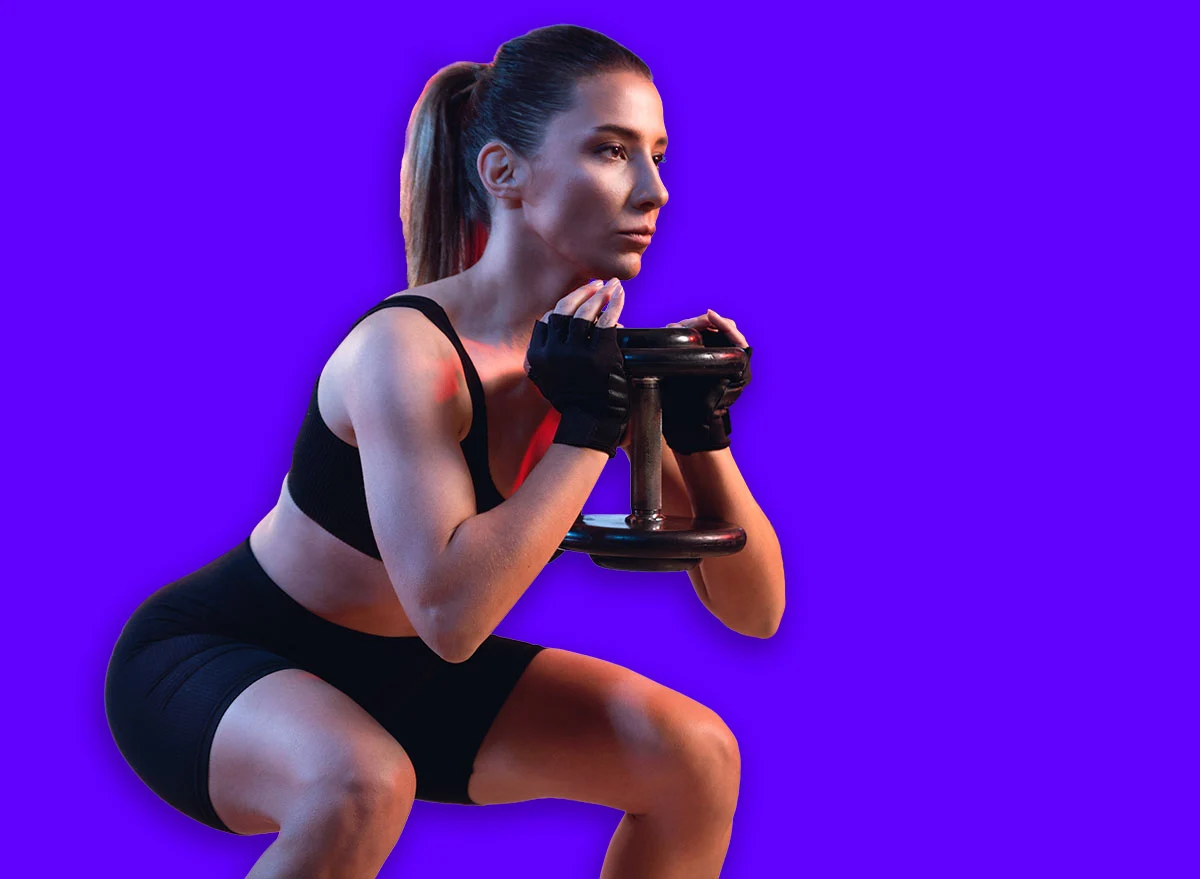
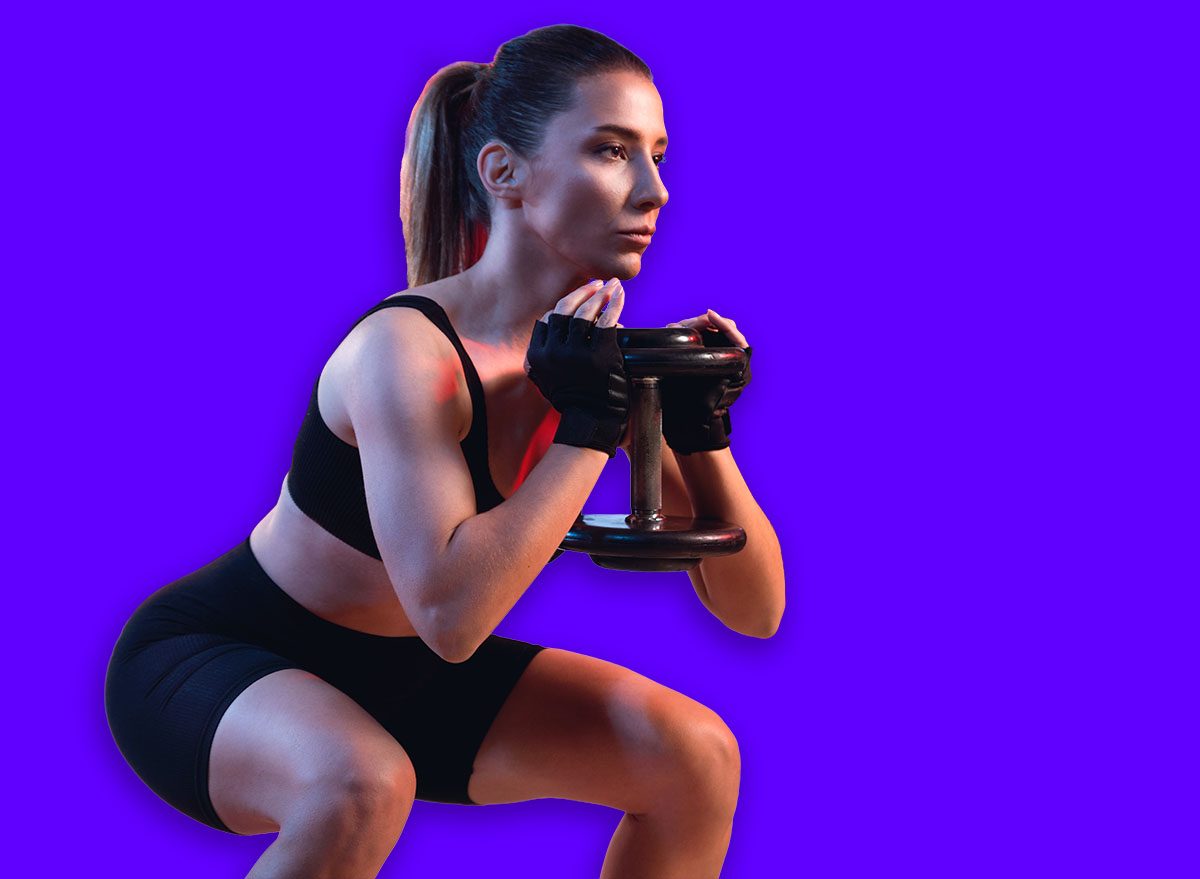
According to studies on geriatric strength training, compound movements—exercises that recruit multiple joints—are superior for fat loss and body composition compared to isolation moves. When you perform a Goblet Squat, for example, your core must maintain a rigid torso while your legs do the heavy lifting. This internal pressure (intra-abdominal pressure) acts as a natural weight belt, protecting the spine while effectively "tightening" the abdominal wall.
Furthermore, research indicates that older adults who engage in multi-planar movement (rotation, lateral shifting) report fewer incidences of chronic back pain. The core is not just a decorative layer of muscle; it is the protective corset for your internal organs and your spine.
The Five Essential Standing Moves
To optimize your core training, integrate these five movements into your weekly routine. Each is designed to prioritize functional strength while demanding maximum core engagement.
1. The Goblet Squat
This is the foundational movement for upright core strength. By holding a weight at chest height, you create a "counterbalance" that forces your abdominals to work overtime to prevent your torso from collapsing forward.
- The Benefit: You aren’t just training your abs; you are strengthening the glutes and quads, which are essential for mobility after 60.
- Form Tip: Imagine there is a string pulling the crown of your head toward the ceiling. Keep your chest proud throughout the descent.
2. The Band Pallof Press
If you only do one exercise for rotational stability, make it this. By anchoring a resistance band to a side pillar and pressing it away from your chest, you create a "rotational moment." Your obliques must fire intensely to keep your body square.
- The Benefit: It prevents the "twist" that often leads to disc herniation and lower back strain during daily tasks.
3. The Suitcase Carry
We often think of core work as "moving," but some of the most effective training is "resisting." By holding a heavy weight in one hand and walking, you force the contralateral (opposite) side of your core to brace against the pull of the weight.
- The Benefit: It builds an incredibly strong, stable waistline and improves grip strength, a key marker of longevity.
4. The Dumbbell Squat to Press
This is a full-body metabolic finisher. It combines the bracing requirements of the squat with the overhead stability needed for the press.
- The Benefit: Because it engages the entire body, it significantly increases the caloric expenditure of your workout, aiding in the fat loss necessary to reveal the abdominal muscles.
5. The Standing Band Woodchop
Rotation is a natural human movement, but it must be controlled. The woodchop teaches you to initiate rotation from the hips and the core, rather than the lower back.
- The Benefit: It mimics real-world movements like swinging a golf club, gardening, or reaching into the backseat of a car.
Official Perspectives: The Medical View on Core Health
Geriatric specialists emphasize that for those over 60, the goal of core training should be "injury resilience." Physical therapists often note that the "flat belly" look is a byproduct of better posture. When the core is weak, the pelvis tilts forward (anterior pelvic tilt), which causes the stomach to protrude regardless of body fat percentage.
By strengthening the deep core through standing exercises, you effectively pull the pelvis back into a neutral position. This not only makes the stomach appear flatter instantly but also alleviates the strain on the hip flexors and the lower back.
Implications for Your Fitness Routine
Transitioning to this style of training requires a shift in mindset. You are no longer "chasing the burn" in a specific muscle group. Instead, you are building a body that can handle the stresses of daily life.
How to integrate this:
- Consistency over Intensity: You do not need to train your abs every day. Three sessions a week, focused on these five compound moves, is sufficient to see progress.
- The Role of Nutrition: A "flat stomach" is ultimately dictated by body composition. Even the strongest core will be obscured if systemic inflammation or excess body fat is present. Pair these exercises with a high-protein, fiber-rich diet to support muscle maintenance.
- Mind-Muscle Connection: During every rep, focus on "bracing" as if someone were about to gently poke you in the stomach. This intentional tension is the secret to getting more value out of every single repetition.
Conclusion: A New Chapter of Strength
Reaching the age of 60 should not signal a move toward "easier" or "softer" training. If anything, it signals a move toward smarter training. The seated ab machine is a relic of a fitness culture that focused on the superficial. By embracing standing, compound movements, you are investing in a future that values mobility, independence, and structural integrity.
Stop sitting for your core. Stand up, pick up a weight, and start training your body to function as the integrated, powerful machine it was designed to be. Your future self—and your midsection—will thank you for it.