









In an era where hypertension—the "silent killer"—affects over a billion people globally, the quest for non-pharmacological interventions has never been more urgent. A comprehensive new meta-analysis published in the open-access journal BMJ Nutrition Prevention & Health offers a compelling, plant-based prescription for heart health. The study suggests that incorporating higher amounts of legumes and soy-based foods into one’s daily diet can significantly lower the risk of developing high blood pressure, providing a scalable, accessible, and nutrient-dense strategy to combat one of the world’s leading causes of cardiovascular disease.
The Core Findings: A Dietary Shield Against Hypertension
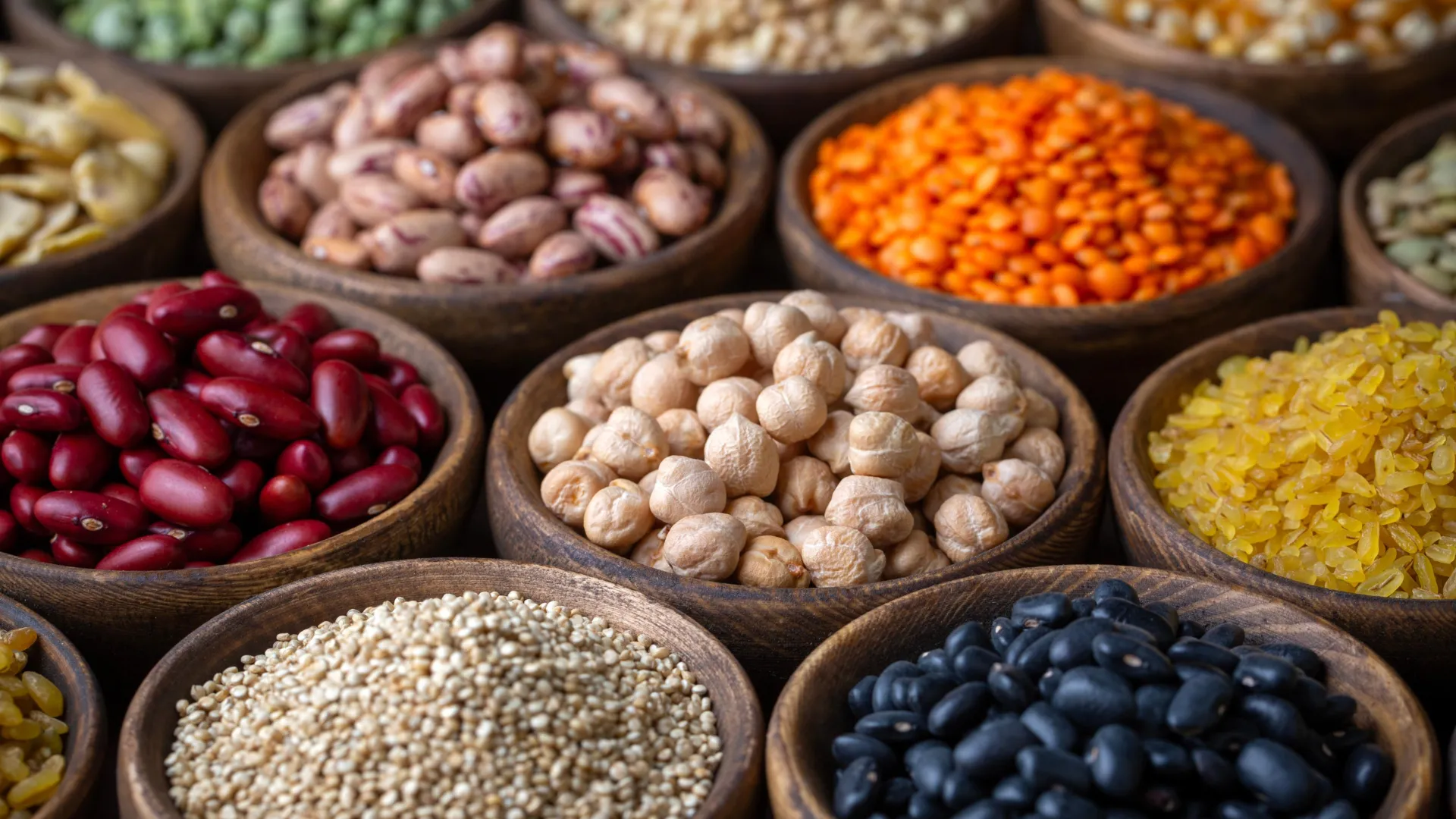
The researchers, who conducted an exhaustive review of data spanning multiple continents, found that individuals who consistently consumed foods such as beans, lentils, chickpeas, tofu, edamame, and soy milk were statistically less likely to develop hypertension compared to those with lower intakes.
The study highlights a clear "dose-response" relationship. For legumes—a category that encompasses peas, lentils, chickpeas, and various beans—the risk of developing high blood pressure dropped by up to 30% when consumption reached approximately 170 grams per day. For soy products—including tofu, soy milk, edamame, tempeh, and miso—the protective benefits peaked at a daily intake of 60 to 80 grams, yielding a risk reduction of roughly 28% to 29%.
Crucially, the researchers noted that while increasing legume intake provided linear benefits up to that 170-gram threshold, soy consumption appeared to hit a "biological plateau." Eating more than 80 grams of soy per day did not yield additional reductions in blood pressure risk, a finding that researchers believe warrants further investigation to determine whether this represents a true physiological limit or a limitation in the available data.
Chronology of the Research: From Inconsistent Evidence to Clear Trends
The link between plant-based proteins and heart health is not a new concept; however, the scientific literature has historically been inconsistent regarding the specific impact on blood pressure. While legumes and soy have long been associated with improved cardiovascular markers, such as cholesterol levels and arterial flexibility, the evidence linking them directly to the prevention of hypertension was often fragmented.
To reconcile these inconsistencies, researchers embarked on a rigorous meta-analysis of studies published up to June 2025. The scope of this project was global, aggregating data from 10 published papers that represented 12 long-term observational studies conducted across the United States, Europe, and Asia.
A Global Data Pool
The diversity of the data set was a primary strength of the study:
- Geographic Breadth: Five studies were sourced from the United States, five from Asian nations (including China, Japan, South Korea, and Iran), and two from Europe (specifically France and the UK).
- Demographic Inclusion: The study analyzed a vast population, with participant counts ranging from just over 1,000 to nearly 90,000 in single cohorts. Nine of the studies included both men and women, while others provided gender-specific data, allowing for a nuanced look at how these foods impact different demographics.
- The Burden of Disease: The studies tracked a combined total of thousands of hypertension cases, ranging from 144 to over 35,000, providing the statistical power necessary to draw meaningful conclusions about long-term risk reduction.
Supporting Data: The Biological Mechanics of Heart Health
Why exactly do chickpeas and tofu help regulate blood pressure? The study authors point to several "biologically plausible" mechanisms that explain the cardiovascular benefits of these foods.
1. The Nutrient Powerhouse
Legumes and soy are dense with potassium, magnesium, and dietary fiber. Potassium is well-documented for its ability to help the body excrete excess sodium and ease tension in blood vessel walls. Magnesium plays a vital role in regulating muscle function, including the relaxation of smooth muscle tissue in the arteries. Fiber, meanwhile, assists in maintaining healthy blood sugar and cholesterol levels, both of which are inextricably linked to vascular health.
2. The Gut-Heart Axis
A particularly exciting finding in the review pertains to the role of the gut microbiome. Recent research suggests that the soluble fiber found in legumes and soy can be fermented by gut bacteria to produce short-chain fatty acids (SCFAs). These compounds are increasingly recognized for their ability to promote systemic vasodilation—the widening of blood vessels—which lowers overall pressure.
3. The Isoflavone Factor
Soy foods, in particular, contain isoflavones—phytoestrogens that act as antioxidants. These compounds have been shown in various studies to improve endothelial function (the health of the inner lining of blood vessels), thereby preventing the hardening of arteries that often leads to chronic hypertension.
Official Responses and Expert Commentary
The publication of this study has sent ripples through the nutritional science community, with experts praising the methodology and the practical nature of the findings.
Professor Sumantra Ray, chief scientist and executive director of the NNEdPro Global Institute for Food, Nutrition and Health, emphasized that this research provides a much-needed evidence base for the "cardioprotective" benefits of plant-based diets.
"The authors have significantly added to the case for using legumes and soy as primary dietary strategies to mitigate the global burden of hypertension," Professor Ray stated. He noted that the dose-response analysis is particularly useful for clinical settings, as it gives nutritionists and physicians concrete targets to share with patients.
However, Professor Ray also provided a balanced perspective, cautioning against over-interpreting the data. "We cannot entirely rule out the influence of unmeasured confounding factors, such as overall physical activity levels or other aspects of the participants’ diets," he noted. Furthermore, he highlighted that the plateau in soy benefits requires deeper study. "It remains unclear if this reflects a true biological limit or is simply a byproduct of the current, limited number of studies available for analysis."
Implications: A Call to Action for Public Health
The findings of this meta-analysis arrive at a critical juncture. As the prevalence of hypertension continues to rise globally, the shift toward a more plant-forward diet is becoming a matter of public health necessity rather than just individual preference.
The "Gap" in Western Diets
Perhaps the most striking implication of the study is the discrepancy between current dietary habits and nutritional recommendations. The researchers highlighted that in many Western nations, specifically across Europe and the UK, average legume intake is currently estimated at only 8 to 15 grams per day. This is a staggering deficit when compared to the 65 to 100 grams per day recommended for general cardiovascular health.
To bridge this gap, the authors argue that public health policy must move beyond simple "eat more vegetables" messaging and start prioritizing specific, accessible protein sources like legumes and soy.
Practical Application for Consumers
For the average person looking to lower their blood pressure, the study provides a roadmap. Translating the gram measurements into real-world portions:
- 100 grams of legumes/soy is roughly equivalent to one cup of cooked beans, lentils, or peas.
- A "palm-sized" serving of tofu constitutes roughly 100 grams.
- The Target: By aiming for roughly 1.5 to 2 cups of these foods daily, individuals could potentially move their blood pressure metrics into a safer, more sustainable range.
Future Research Directions
While the evidence suggests a "probable" causal relationship—the highest grade of confidence according to the World Cancer Research Fund’s criteria—the authors acknowledge that more work remains. Future studies must account for the wide variability in how these foods are prepared (e.g., canned vs. dried, heavily salted vs. plain) and how they fit into broader cultural dietary patterns.
As global health systems grapple with the economic and physical toll of heart disease, this research offers a hopeful, low-cost intervention. By integrating more beans, lentils, and soy into the standard diet, we may find that the most effective tool for managing blood pressure has been in our kitchen pantries all along. The study concludes with a firm recommendation: it is time to prioritize legumes and soy not just as side dishes, but as foundational pillars of a heart-healthy diet.