In an era defined by rapid technological advancement and constant sensory stimulation, the modern wellness industry has become saturated with a dizzying array of "detox" protocols. From restrictive juice cleanses to complex supplement regimens, the quest for physical purity is a multi-billion dollar pursuit. Yet, amidst the noise of trending fads, one ancient system continues to stand as the definitive gold standard for deep-tissue rejuvenation: Panchakarma.
Rooted in the ancient wisdom of Ayurveda—the "Science of Life"—Panchakarma is far more than a simple reset. It is a sophisticated, highly personalized medical process designed to bridge the gap between the physical body, the mental state, and the spiritual essence. As we explore the intricacies of this transformative practice, we uncover why it remains the cornerstone of holistic healing in a world that often ignores the harmony between the individual and the environment.
Main Facts: The Philosophy of Equilibrium
Ayurveda posits that human health is not merely the absence of disease, but a state of dynamic balance. According to the teachings of renowned Ayurvedic scholar Vasant Lad, BAM&S, MASc, the individual is a mirror of the macrocosm. Every environmental factor—from the food we consume and the air we breathe to our interpersonal relationships and professional stress—leaves an imprint on our physiological and energetic constitution.
Defining Health and Imbalance
In Ayurvedic terminology, Prakruti represents one’s innate, balanced state of health, while Vikruti describes the current state of imbalance. Modern living often forces individuals into a state of Vikruti through the constant bombardment of the sensory organs. To combat this, Ayurveda employs two primary healing modalities:
- Shamana (Palliative Support): This is the management of health through lifestyle alignment. It includes diet, daily routines (dinacharya), yoga, pranayama, and sleep hygiene. It is the "maintenance" phase of wellness.
- Shodhana (Cleansing): This is the "detox" phase. Shodhana aims to cleanse the deep tissues of the body to ensure that the subtle channels (srotas) are clear, allowing Prana (life force) to flow unobstructed.
Chronology: The Evolution of Ayurvedic Cleansing
The history of Panchakarma is as deep as the history of Vedic civilization itself. For millennia, sages and healers have refined these processes, moving them from empirical observation to a structured science of medicine.
- The Ancient Roots: Originating thousands of years ago, these cleansing rituals were initially practiced in forest retreats to help individuals align with the seasonal shifts of nature.
- The Classical Period: The foundational texts of Ayurveda, such as the Charaka Samhita, codified the five distinct actions (the literal meaning of Panchakarma)—Vamana (emesis), Virechana (purgation), Basti (enema), Nasya (nasal administration), and Raktamokshana (bloodletting).
- The Modern Integration: Throughout the 20th and 21st centuries, leaders like Vasant Lad brought these classical teachings to the West, adapting the ancient protocols for the modern body, which is often compromised by processed diets, chronic stress, and environmental toxicity.
Supporting Data: Why Modern Detoxes Fall Short
The fundamental distinction between a standard "wellness retreat" and a true Panchakarma program lies in the depth of intervention.
The "Surface" vs. "Root" Approach
Most contemporary detox programs—such as juice or water fasts—focus on the gastrointestinal (G.I.) tract. While these methods provide temporary relief by giving the digestive system a rest, they often fail to address the root cause of systemic toxicity, known in Ayurveda as Ama.
Ama is the metabolic byproduct of improper digestion and accumulated stress that lodges itself deep within the tissues. While a juice fast might leave a person feeling "light" by clearing the bowels, it rarely pulls the stagnant, deep-seated Ama from the cellular level.
The Panchakarma Mechanism
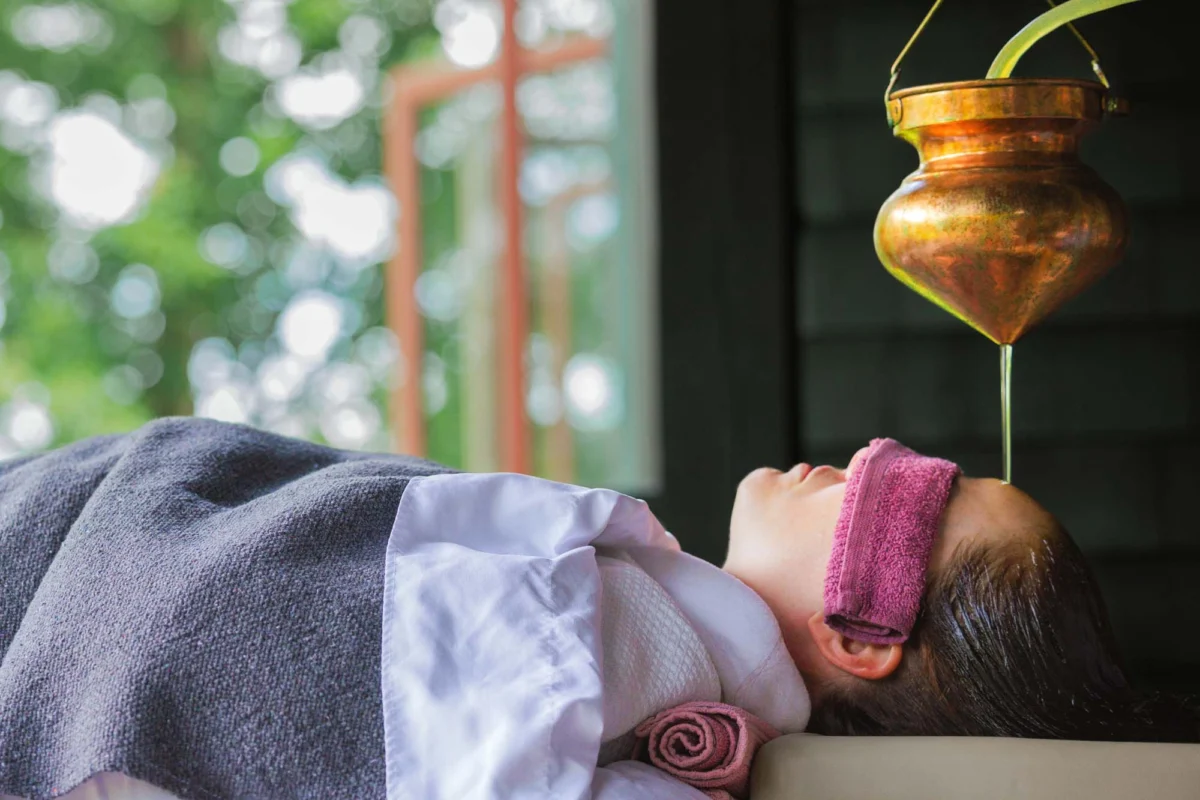
Panchakarma works differently. By utilizing specialized herbal preparations and therapeutic oils, the process acts as a magnet. It loosens the Ama from the tissues and brings it back into the G.I. tract for systematic elimination. This is why a Panchakarma process often includes treatments like Abhyanga (therapeutic oil massage) and Basti (medicated enema therapy). These treatments are not merely "pampering"; they are medical procedures intended to mobilize toxins that are otherwise impossible to flush through diet alone.
Official Perspectives: The Role of the Practitioner
The efficacy of Panchakarma is entirely dependent on the skill of the practitioner. Because every human body is a unique biological and energetic blueprint, there is no "one-size-fits-all" protocol.
The Responsibility of the Healer
Professional Ayurvedic practitioners undergo years of rigorous study to understand the nuances of pre-cleansing, active cleansing, and post-cleansing recovery. At institutions like The Ayurvedic Institute, the training goes beyond the memorization of Sanskrit texts. Students are taught to observe the subtle shifts in a client’s pulse and tongue—indicators of internal toxicity—to adjust treatments in real-time.
"How are we holding a client in our awareness?" asks Vasant Lad. This question highlights the heart of the practice: compassion and grace. The practitioner is tasked with ensuring that the detoxification process is neither too aggressive nor too gentle, ensuring that the client’s Agni (digestive fire) remains supported throughout the journey.
Institutional Oversight
Practitioners observe these protocols in controlled environments, such as the SoHum Mountain Healing Resort in Asheville, NC, or the Vasanta Institute of Ayurveda in Pune, India. These clinical settings provide the necessary infrastructure to manage the complexities of deep detoxification, ensuring that clients are monitored daily to prevent adverse reactions and to maximize the therapeutic outcomes.
Implications: The Seasonal Imperative
One of the most critical questions in the Ayurvedic tradition is: "How often should I cleanse?" The answer is rooted in the rhythms of the natural world.
Seasonal Transitions
Ayurveda advocates for cleansing at the transition of each season—typically 2 to 3 times per year. This allows the body to "shed" the accumulation of the previous season and prepare for the demands of the next. By staying ahead of doshic imbalances, individuals can prevent the onset of chronic disease.
Pre-requisites for Success
It is vital to recognize that Panchakarma is a powerful medical intervention. It is not recommended for everyone at all times. Those with certain underlying conditions, physical weakness, or severe emotional instability must undergo preparatory phases to ensure their system is strong enough to handle the elimination of toxins. This reinforces the necessity of being under the guidance of a trained Ayurvedic professional.
The Future of Wellness
As the scientific community continues to explore the "gut-brain axis" and the impact of chronic inflammation on human health, the ancient wisdom of Panchakarma is increasingly validated. We are beginning to understand that the body is not just a collection of organs, but a complex, interconnected system that requires holistic maintenance.
Panchakarma offers a pathway to this maintenance. By pulling the toxicity of modern life from our deepest tissues, we do more than improve our digestion; we restore our capacity for mental clarity, emotional stability, and physical vitality. It is a return to the self—a process of shedding the unnecessary so that we may live in harmony with the greater macrocosm.
In conclusion, for those seeking a profound, medically-grounded, and personalized approach to health, Panchakarma remains unmatched. It is a commitment to oneself—a sacred and scientific journey toward the restoration of one’s natural state of grace. Whether you are looking to address a specific imbalance or simply wish to align your being with the changing seasons, the path of Ayurveda provides the wisdom and the tools to thrive in the modern age.
For those interested in exploring these ancient arts, further information on professional training can be found through The Ayurvedic Institute, while those seeking a clinical experience may consult the resources available at the SoHum Mountain Healing Resort.