











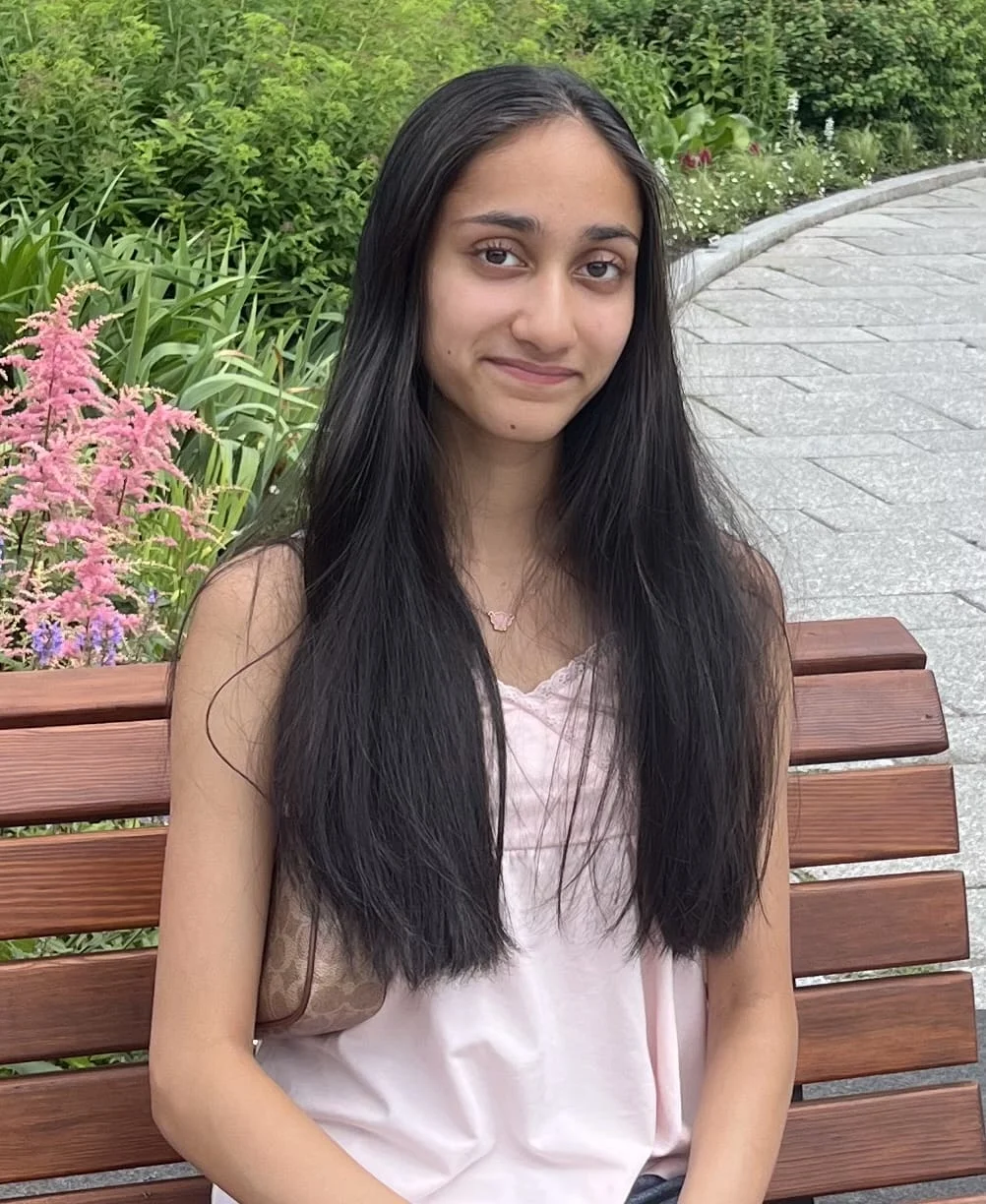
By [Your Name/Journalist Name]
Special Report based on Research by Yashvi Bharariya
August 11, 2026
Main Facts: The Invisible Barrier in the Therapist’s Office
In the evolving landscape of mental healthcare, the medical model has long prioritized the "diagnosis" over the "individual." However, emerging qualitative research suggests that for neurodivergent people of color (POC), this clinical focus creates a profound disconnect that can render therapy ineffective or even harmful.
A year-long study conducted by researcher and advocate Yashvi Bharariya has brought to light the systemic failures occurring at the intersection of neurodiversity and cultural identity. Through a series of in-depth interviews with neurodivergent individuals from diverse backgrounds, Bharariya identified a recurring theme: the clinical environment often strips away the cultural context of the patient, treating neurodivergent traits as isolated symptoms rather than parts of a complex, lived experience.
The core findings of the study reveal that:
- Identity Erasure: Neurodivergent POC often feel treated as a "piece of paper" or a set of diagnostic criteria rather than as humans with specific cultural histories.
- Misinterpretation of Traits: Behavioral markers of ADHD and Autism are frequently misread as character flaws—such as laziness or emotional instability—due to cultural biases.
- Linguistic Gaps: Western therapeutic vocabulary (e.g., "boundaries," "sensory overload") often fails to translate into the domestic lives of POC, creating a "therapy vacuum" where progress stays within the clinic walls and never reaches the home.
- The Power of Curiosity: Effective care does not necessarily require a perfect demographic match between therapist and patient, but rather a high degree of "cultural curiosity" and a willingness to see the "whole picture."
Chronology: From Personal Observation to Qualitative Research
The journey to these findings began over a year ago when Yashvi Bharariya, a student advocate and researcher, began noticing a pattern in how neurodivergent peers from minority backgrounds discussed their mental health journeys. While the clinical world was increasingly discussing "neuro-inclusion," the actual experience of patients on the ground remained one of isolation and misunderstanding.
The Research Phase (2025–2026)
Throughout the latter half of 2025 and early 2026, Bharariya interviewed six individuals—a small but deeply representative sample—whose stories mirrored the systemic gaps in the American mental health system.
The research was not merely about documenting "bad" therapy sessions; it was about tracing the life cycle of a diagnosis. For many participants, the chronology of their struggle began in childhood, where neurodivergence was masked by cultural expectations of high achievement or stoicism. By the time these individuals reached a therapist’s office in their 20s, they weren’t just seeking a prescription; they were seeking a reconciliation of their entire identity.

The Discovery of "The Same Barrier"
As the interviews progressed, a startling realization emerged. While the participants came from different backgrounds—Latine, Chinese-American, and others—the obstacles they faced were functionally identical. The barriers were not separate hurdles (one for race, one for neurodiversity); they were an intertwined mesh. When a clinician failed to understand a cultural nuance, it immediately skewed their interpretation of the patient’s neurodivergent traits. This realization shifted the research focus toward "intersectionality"—a term coined by Kimberlé Crenshaw that, while not used by the participants themselves, perfectly described their reality.
Supporting Data: The Cost of Misalignment
The qualitative data provided by Bharariya’s participants offers a harrowing look at the cost of clinical "blind spots."
The Latine Experience and the "Diagnosis vs. Person" Gap
One 26-year-old Latine woman with ADHD provided a cornerstone quote for the study: “I was given a prescription for a diagnosis on a piece of paper, not for a Hispanic woman in her early 20s.”
This participant did not reject the medical validity of her ADHD, but she highlighted that the treatment plan ignored the cultural expectations placed upon her as a woman in her community. When therapy focuses solely on executive dysfunction without addressing how that dysfunction affects a woman’s role in a Latine family structure, the "cure" feels incomplete.
The Linguistic Barrier in Chinese-American Households
For a Chinese-American man with autism, the data showed that the "language of therapy" is often a Western construct. He noted that terms like "sensory overload" or "setting boundaries" sounded overly dramatic or even disrespectful when translated into the context of his family life.
Data points from the study suggest:
- Therapeutic Retention: Patients are less likely to return to clinics where they feel they must "translate" their culture for the therapist.
- Diagnosis Delays: One female participant was tested five times before receiving an ADHD diagnosis. Because her symptoms manifested as "internal chaos" rather than "external disruption," she was overlooked for years. This delay resulted in years of self-blame, where she internalized her neurodivergence as a personal failure of will.
The "Character Flaw" Fallacy
A significant portion of the research focused on how neurodivergent traits are "read" by society and clinicians before a diagnosis is reached. In POC communities, the study found that:

- Difficulty focusing is frequently labeled as laziness.
- Emotional intensity is dismissed as being dramatic.
- Executive disorganization is viewed as carelessness.
By the time these individuals receive a medical explanation, they have already built an identity around these negative labels. The diagnosis then has to "argue" with a decade or more of accumulated self-stigma.
Official Responses: The Call for "Cultural Curiosity"
In response to these findings, advocates and mental health organizations are calling for a paradigm shift in how clinicians are trained. Organizations like Active Minds, which focuses on youth mental health and advocacy, emphasize that "inclusive care" must go beyond simple diversity checklists.
The Shortage of Minority Clinicians
Industry experts acknowledge a significant hurdle: there are currently not enough neurodivergent clinicians of color to provide "identity matching" for every patient. According to data from the American Psychological Association (APA), the psychology workforce remains significantly less diverse than the population it serves.
The "Curiosity" Mandate
However, Bharariya’s research offers a pragmatic solution. One participant noted that her most successful therapeutic relationship was with a clinician who was not Latine but was "culturally educated."
The participant stated: “For the first time, someone was looking at the whole picture. I was able to be seen as all three [ADHD, woman, Latine].”
The official stance from advocacy groups following this research is that curiosity is a learnable clinical skill. Clinicians are being urged to:
- Ask about the whole life: Move beyond the DSM-5 checklist and ask how a patient’s culture influences their view of their symptoms.
- Validate the "Internal Chaos": Recognize that neurodivergence looks different in populations that have been socialized to "mask" or remain "non-disruptive."
- Acknowledge Systemic Stress: Recognize that for POC, neurodivergent traits are often exacerbated by the stress of navigating systemic racism.
Implications: Moving Toward a "Whole Person" Model
The implications of Bharariya’s research are clear: the mental health field must move toward a "Whole Person" model of care. If the industry continues to treat neurodivergence in a vacuum, it will continue to alienate the very populations that are currently most underserved.

For the Neurodivergent Individual
For neurodivergent POC, the research serves as a validation of their struggles. The message is clear: if therapy has felt like a "bad fit," it is likely not a personal failure. The study encourages patients to be proactive, suggesting that when seeking care, they should ask potential providers directly: "How do you think about culture and neurodivergence together?" The response to this question is a primary indicator of whether the therapeutic environment will be truly safe.
For the Clinical Community
For providers, the research is a call to action. It suggests that the "standard picture" of neurodivergence—often based on studies of white, male children—is an insufficient map for a diverse patient base. The cost of a missed diagnosis is not just a delay in medication; it is the fundamental warping of a person’s self-image.
Future Research and Advocacy
Yashvi Bharariya’s work, currently under review for publication, represents a vital addition to a historically sparse area of study. While six stories do not represent the entirety of the human experience, they provide a blueprint for a more empathetic, inclusive, and effective mental health system.
As the article concludes, the ultimate goal is a world where no one has to choose between their cultural identity and their mental health support. Everyone deserves to be seen as a whole person.
For those seeking resources or looking to advocate for more inclusive mental health care, organizations like Active Minds provide platforms for community connection and policy change. Discover more at ActiveMinds.org.
All quotes and findings are drawn from original qualitative research conducted by Yashvi Bharariya.