







When a person receives a cancer diagnosis, the focus of the medical world—and often the patient themselves—narrows immediately to the biology of the disease: the stage, the tumor markers, and the treatment protocols. However, beneath the clinical data lies a human reality that is frequently overlooked: the "village." Behind every patient, there exists a complex, sprawling network of family, friends, medical professionals, and even strangers, all of whom play an instrumental role in the trajectory of the journey.
As we observe World Cancer Support Month, it is time to shift the spotlight toward the people who show up when the prognosis is uncertain and the path is daunting. From organizing meal trains to navigating the labyrinthine insurance systems and offering a steady hand during the darkest hours, this collective support is not merely a comfort—it is a critical component of healing.
The Anatomy of a Support System: Main Facts
The modern cancer journey is rarely a solitary endeavor. Data from oncology support groups and patient advocacy networks suggest that patients with robust support systems experience better mental health outcomes, higher adherence to treatment regimens, and, in some cases, improved physical recovery.
The "village" is defined by its diversity. It includes:
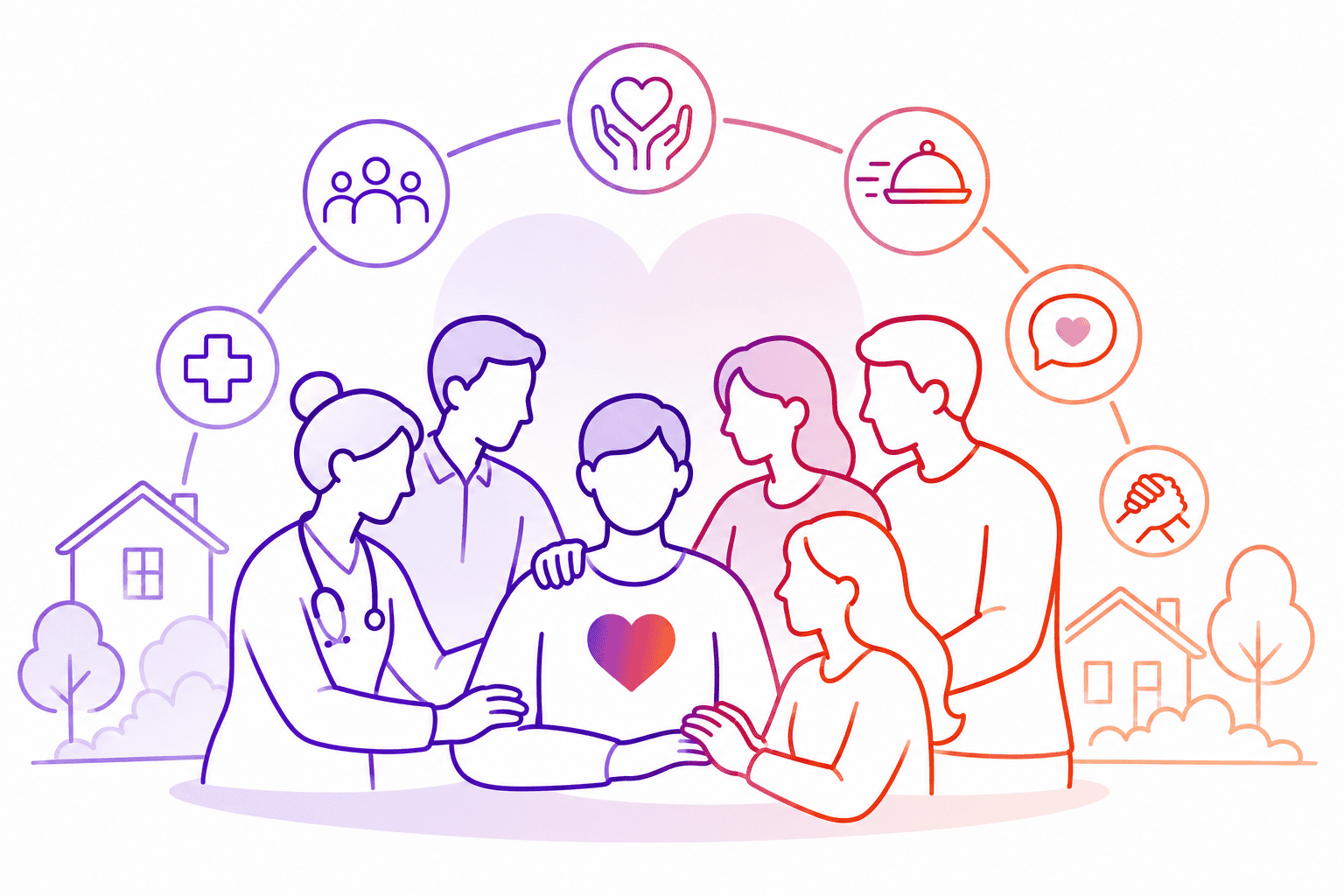
- Medical Advocates: Nurses, coordinators, and specialists who act as buffers between the patient and the complexities of the healthcare system.
- The Inner Circle: Spouses, partners, and parents who provide the daily, granular care that keeps a household functioning.
- The Extended Network: Neighbors, community members, and volunteers who alleviate the burden of daily chores, such as transportation, meal preparation, and childcare.
- The Peer Community: Fellow survivors who offer a unique brand of empathy that only those who have walked the path can provide.
Chronology of Resilience: Stories of Transformation
The stories of those who have survived stage 4 diagnoses underscore a common theme: the intervention of others often provided the pivot point between despair and recovery.
The Search for Options: Dana Deighton
When Dana Deighton was diagnosed with stage 4 esophageal cancer, the medical prognosis was bleak. She was told her options were limited. Yet, Deighton’s village began with an unexpected ally: a nurse coordinator who navigated the insurance hurdles that would have otherwise paralyzed her. "She really moved mountains and made things happen," Deighton recalls. Her journey continued when a friend facilitated a connection to a specialist, leading to a 15-hour surgery and, eventually, a successful course of immunotherapy. Today, Deighton has come full circle, serving as a mentor to newly diagnosed patients.
Building Family: Oswald Peterson
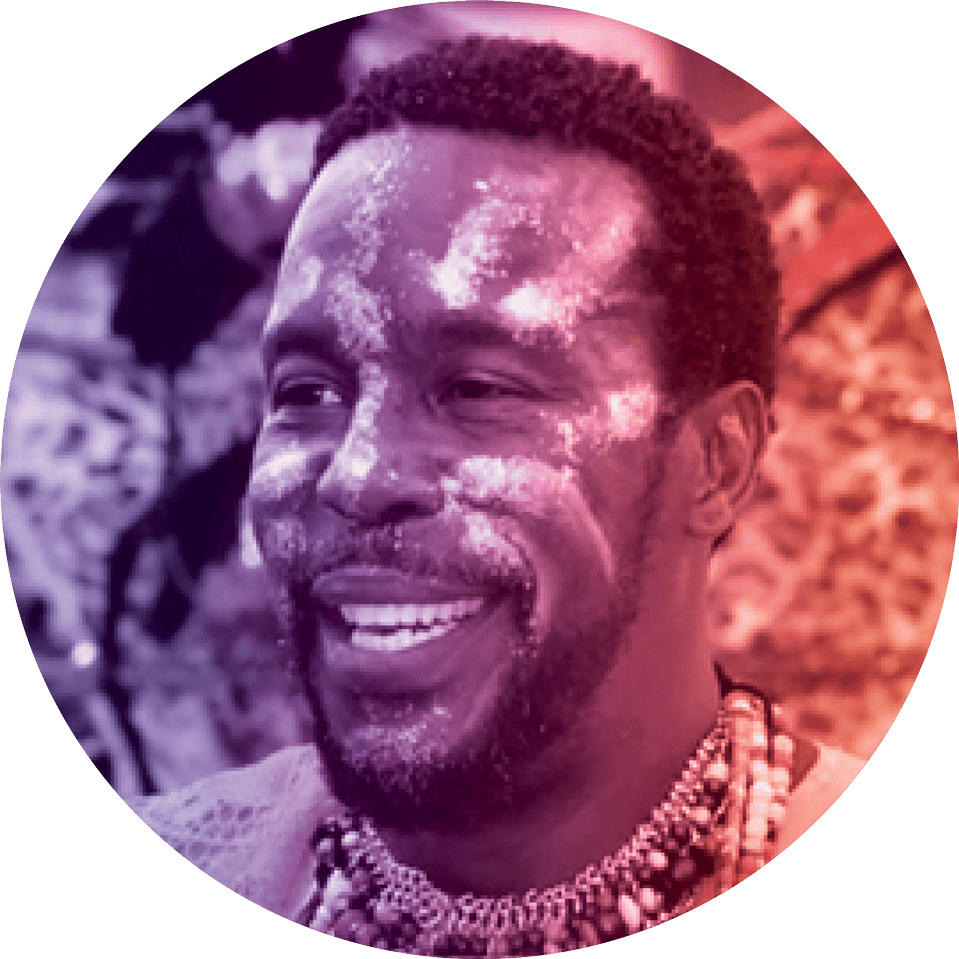
For Oswald Peterson, a lung cancer diagnosis in the wake of losing his mother and partner felt like an isolating void. However, his community proved resilient. Over 45 years of friendships were tested and strengthened as his network organized shifts to ensure he was never alone during his hospitalization. His oncologist, Dr. Catherine Shu, provided the medical breakthrough, but his friends provided the daily stability—cleaning his home and preparing meals—that allowed him to focus on his recovery and eventually return to the vibrancy of Trinidad’s Carnival.
The Power of Persistence: Jeff Atkinson
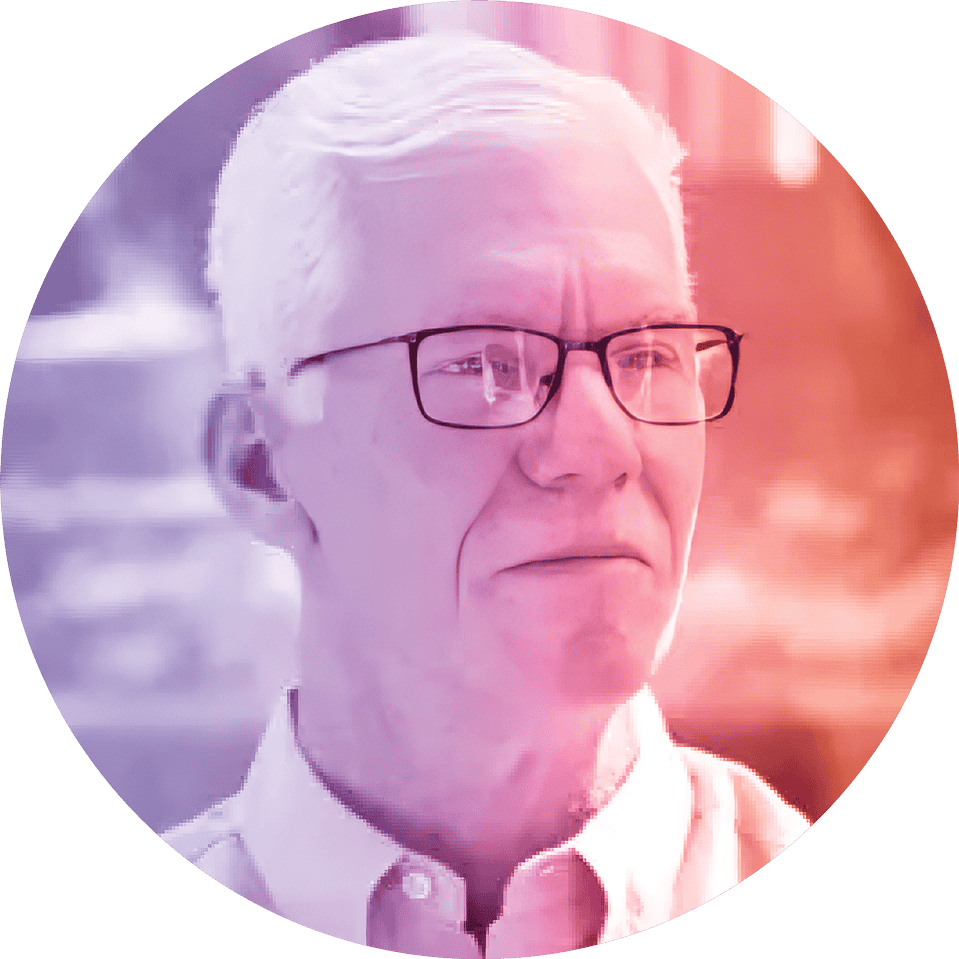
Jeff Atkinson’s diagnosis of stage 4 mucosal melanoma in 2016 came with a devastating "no cure" label. Yet, his oncologist, Dr. Justin Favero, refused to accept that finality, introducing Atkinson to the potential of immunotherapy. Despite a significant adverse reaction that forced a temporary pause in treatment, the unwavering support of his wife and the persistence of his care team allowed him to resume. In 2017, he was declared cancer-free, and as he approaches his 10-year anniversary, he now uses his voice to educate others on the evolving landscape of cancer research.
Navigating the Impossible: Jenney Bitner
Jenney Bitner’s story is a harrowing testament to the "village" in action. Diagnosed with stage 4 metastatic melanoma while 22 weeks pregnant, her recovery involved two brain surgeries and the premature birth of her son. The support she received was structural; while her husband managed medical appointments, a vast web of neighbors and church members rallied to provide meals and childcare for nearly a year. Her advice is visceral: "If someone needs help, just do something. Don’t even ask what they need… Just find something and do it."
The Long-Term Survivor: Gordon Levine
Gordon Levine’s journey with stage 4 colorectal cancer highlights the importance of the "second opinion" and the ongoing nature of survivorship. After a clinical trial failed, Dr. Aaron Miller at UC San Diego re-evaluated his case, identifying a hidden immune response. That pivot saved his life. Today, Levine views advocacy as a pillar of his survivorship, emphasizing that the cancer journey does not end when the scans show no evidence of disease; it continues into a life of purpose and community building.
Supporting Data: The Clinical Impact of Community
While emotional support is often viewed as "soft" science, its impact on physiological recovery is increasingly recognized in oncological research. Studies on patient quality-of-life (QOL) show that:
- Reduced Cortisol Levels: Patients with high social support demonstrate lower levels of stress-related hormones, which are known to suppress the immune system.
- Treatment Adherence: Patients who have someone to assist with transportation and medication management are statistically more likely to complete complex immunotherapy or chemotherapy cycles.
- The "Caregiver Effect": Caregivers who feel supported themselves provide better care, creating a "virtuous cycle" that reduces hospital readmission rates.
Official Responses: A Call to Action
Leading oncologists and health organizations emphasize that the "village" model is a necessary evolution in patient care.
"We are moving toward a more holistic model of oncology," says a spokesperson for a leading cancer research institute. "We are recognizing that the doctor’s role is to treat the tumor, but the community’s role is to sustain the patient. Our clinical protocols are increasingly including social worker referrals and community outreach as part of the standard of care."
Furthermore, researchers are advocating for "caregiver-centric" policies. This includes legislation that supports family leave and provides financial tax credits for the informal labor provided by friends and family. As medical science advances through immunotherapy and genomic targeting, the "human factor"—the ability to show up—remains the most reliable, non-clinical variable in patient survival.
Implications: The Future of Survivorship
The implications of these stories are profound for both the healthcare system and the public.
For the Healthcare System
Medical institutions must treat the patient’s support network as an extension of the clinical team. This means improved communication with family members, the provision of resources for caregivers to prevent burnout, and the integration of patient advocacy groups into the hospital setting.
For the Public
The message is one of empowerment. You do not need to be a medical professional to be a life-saver. The act of "showing up"—whether through a meal, a ride, or a listening ear—is a quantifiable act of medical support. As the stories of Deighton, Peterson, Atkinson, Bitner, and Levine illustrate, these small, consistent acts of grace are what often make the breakthroughs of modern medicine possible.
The Collective Narrative
As we move through World Cancer Support Month, we are reminded that cancer is an isolating experience that, ironically, requires the opposite of isolation to defeat. We must continue to support not only the patients but the infrastructure of their lives. When we show up for someone facing a cancer diagnosis, we are not just providing support; we are validating their fight and ensuring that, no matter the stage of the disease, they are never walking the path alone.
In the end, the most powerful technology in oncology may not be the latest drug or the most advanced scanner, but the collective, unwavering commitment of a village that refuses to leave a member behind.