Introduction: The Weight of the Ordinary
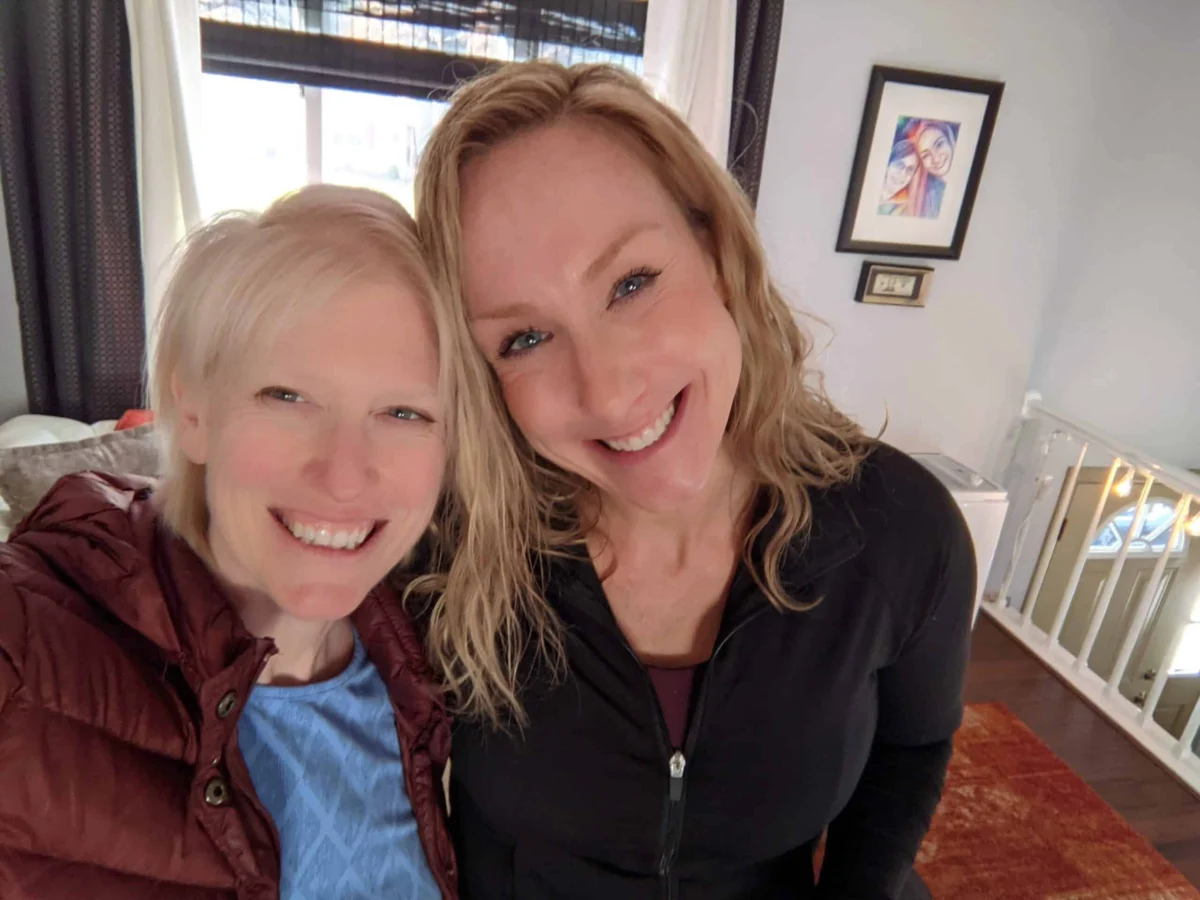
For most, the rhythm of daily life—the school run, the grocery store commute, the preparation of dinner, or the planning of a child’s birthday party—is background noise, a mundane tapestry of existence that often goes unappreciated. For Sharon Belvin and Jenney Bitner, however, these ordinary moments are the hard-won victories of a lifetime. Both women have walked the precipice of stage 4 melanoma, a diagnosis that typically carries a terminal prognosis. Their survival is not merely a testament to their personal fortitude, but a profound narrative arc of scientific progress, detailing how early, desperate leaps of faith in clinical research have evolved into life-saving standards of care.
Main Facts: A Shared History Across Decades
The intersection of Sharon Belvin and Jenney Bitner’s lives is a story of medical evolution. Sharon, diagnosed at the age of 22, was forced to confront a future that seemed to evaporate before it had even truly begun. In the early 2000s, options for stage 4 melanoma were almost non-existent. Her survival was contingent upon entering a nascent, unproven clinical trial for immunotherapy—a gamble that would define the rest of her life.
Years later, Jenney Bitner found herself in a similar, albeit distinct, crisis. While navigating the complexities of motherhood during a global pandemic, she discovered a brain tumor that signaled a metastatic melanoma diagnosis. By this time, the scientific landscape had shifted. The very immunotherapy that had been an experimental beacon for Sharon had become a vital, established tool in the oncologist’s arsenal. Their meeting, facilitated by a coincidental connection between their families, cemented a bond that transcends mere friendship—it is a partnership of advocacy and shared survival.
Chronology: The Evolution of a Breakthrough
The Early Years: Sharon’s Leap of Faith
In the early 2000s, stage 4 melanoma was a diagnosis that left patients with little hope. When Sharon Belvin was diagnosed at 22, she was faced with the harrowing reality that the medical community had few answers. At that time, clinical trials were not just a path to potential recovery; they were the only path. Choosing to participate in an early immunotherapy trial was a profound act of bravery. It was a "leap of faith" taken when there was nowhere else to land. Against the odds, the treatment succeeded. The cancer retreated, and Sharon was gifted a second chance at life, a promise she made to herself while lying in an MRI machine: if she survived, she would spend her life paying that gift forward.
The Pandemic Crisis: Jenney’s Battle
Fast forward to February 2020. Jenney Bitner, a mother of four, began experiencing symptoms that would eventually lead to a devastating diagnosis. Her battle was fought on two fronts: the physical trauma of multiple brain surgeries and the emotional exhaustion of caring for her young family while facing an aggressive, life-threatening illness. Her survival was not a singular event; it was a grueling sequence of uncertainties, each requiring immense resilience. By October 2020, following four rounds of immunotherapy—a treatment that had matured significantly since Sharon’s original trial—Jenney was declared "no evidence of disease."
The Meeting of Minds
The connection between the two women was serendipitous. After seeing Sharon featured in the documentary Breakthrough—which chronicles the life and work of immunologist Jim Allison—Jenney’s husband realized that he and Sharon hailed from the same small town. A message was sent, a connection was made, and the two women discovered that their paths were inextricably linked by the same scientific breakthrough.
Supporting Data: The Impact of Immunotherapy
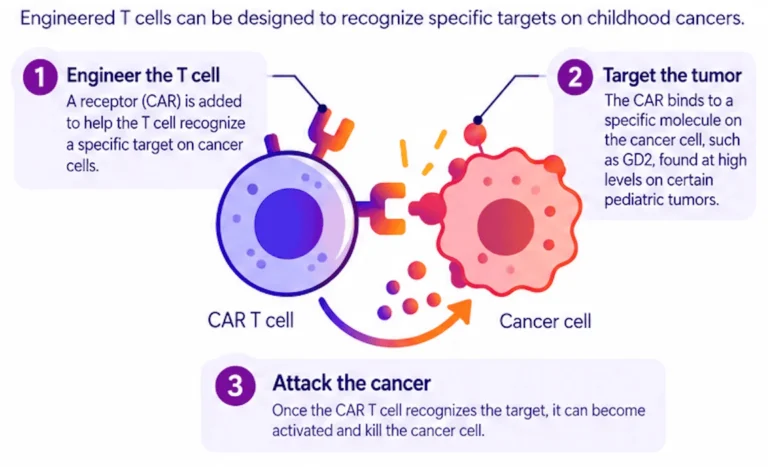
The scientific advancements that saved Sharon and Jenney represent a paradigm shift in oncology. Immunotherapy works by empowering the patient’s own immune system to recognize and attack cancer cells, a marked departure from traditional chemotherapy or radiation, which often damage healthy cells along with the malignant ones.
According to data from the Cancer Research Institute and other oncology research bodies, the long-term survival rates for metastatic melanoma have seen a significant, measurable increase since the introduction of checkpoint inhibitors and other immunotherapies.
- Historical Context: Prior to the widespread adoption of immunotherapy, the five-year survival rate for stage 4 melanoma patients was less than 10%.
- Contemporary Results: Modern clinical data now suggest that a significant percentage of patients treated with advanced immunotherapy combinations achieve long-term, durable remission, with many survivors living for decades post-diagnosis.
These statistics are not just numbers; they represent the "years added" and "milestones reached" that both Sharon and Jenney celebrate daily.
Official Perspectives: The Role of Advocacy
The medical community views the relationship between patients like Sharon and Jenney as a critical component of the treatment journey. Beyond the clinical administration of drugs, the "patient voice" plays a pivotal role in clinical trial recruitment, emotional support, and public awareness.
"Cancer is such a lonely diagnosis," says Jenney. "You feel like you’re the only one in the world who’s ever had it." The medical establishment increasingly recognizes that connecting patients with "survivor mentors" can improve mental health outcomes and adherence to treatment protocols. Sharon’s commitment to "paying it forward" by mentoring patients like Jenney is a form of peer-to-peer advocacy that fills the gaps left by traditional clinical care.
Experts note that this "village of survivors" creates a support system that understands the unique language of trauma—the fear of a follow-up scan, the guilt of survival, and the persistent, quiet anxiety that can linger even after a successful recovery.
Implications: A New Era of Survivorship
The story of Sharon and Jenney provides several key implications for the future of cancer treatment and survivorship:
- The Necessity of Clinical Research: Without the willingness of patients like Sharon to participate in early-stage trials, the progress that saved Jenney would not exist. There is a continuous need for volunteer participation in research to push the boundaries of what is possible.
- Redefining Survivorship: Survivorship is not a static state of being "cured." It is a dynamic, ongoing process that is, as they describe, "layered with everything that came before." It involves integrating the memory of the illness into a life that is once again filled with the mundane.
- The "Worst Club with the Best Members": This concept, coined by the survivors, highlights the necessity of community. It suggests that while the medical community focuses on the biology of the disease, there is a profound human need for a community that understands the psychological landscape of the "after."
- The Multi-Generational Benefit: When a mother survives stage 4 cancer, the ripple effect is immense. Her children grow up with their parent, and the generational trauma of a potential loss is replaced by the presence of a survivor who understands the value of every day.
Conclusion: Choosing to Lean In
Sharon Belvin and Jenney Bitner serve as living proof of the tangible, life-saving potential of scientific progress. Their journey from the edge of the abyss to the comfort of their own homes is not just a personal victory; it is a beacon of hope for thousands of others facing similar diagnoses.
As they continue to meet, interact, and advocate for other patients, their story remains a powerful reminder of why we invest in cancer research. It is about more than just numbers on a chart or the success of a clinical trial. It is about "more mornings, more laughter, and more ordinary, extraordinary moments." It is about the ability to look at a life that was once almost lost and choose, with every passing day, to lean into it fully. Through their combined voices, they remind us that while a cancer diagnosis can shatter the future, scientific discovery and human connection have the power to piece it back together—one ordinary day at a time.