




In the high-stakes world of oncology, the distance between a theoretical breakthrough in a laboratory and a life-saving clinical treatment is often measured in decades and millions of dollars. Recognizing that the most transformative ideas often languish due to a lack of early-stage financial support, the Cancer Research Institute (CRI) has officially announced its 2026 cohort of recipients for two of its most prestigious initiatives: the Clinic and Laboratory Integration Program (CLIP) and the Technology Impact Award.
These awards represent a strategic pivot in how the medical community approaches cancer research. By explicitly funding projects that bridge the "bench-to-bedside" gap and incentivizing the development of high-risk, high-reward technological tools, the CRI is positioning itself at the vanguard of a new era in precision medicine.
The Mandate for Innovation: The Core Facts
The 2026 award cycle focuses on two distinct but complementary pillars of oncology. The CLIP initiative is designed to fast-track translational research—science that takes discoveries made in a petri dish and tests their efficacy in clinical settings. Conversely, the Technology Impact Award acts as a venture-capital-style catalyst, providing seed funding for engineers and biologists who are building the "next generation" of diagnostic and analytical tools.
The initiative aims to address the persistent barriers that prevent immunotherapy from becoming a universal cure. While checkpoint inhibitors and CAR-T cell therapies have revolutionized care for specific cancers, significant populations remain unresponsive. The CRI’s 2026 cohort was selected based on their potential to decode why these treatments fail and how to engineer smarter, more durable immune responses.
A Chronology of Progress: From Concept to Clinical Reality
The trajectory of cancer immunotherapy is a history of persistent, often unconventional questioning. To understand the significance of the 2026 awards, one must view them as the latest chapter in a decades-long evolution:
- 1953–1970s: The Foundations of Immune Surveillance. Early researchers proposed that the immune system could recognize and destroy cancer cells. For years, this was dismissed as fringe science.
- 1990s–2000s: The Checkpoint Era. The discovery of CTLA-4 and PD-1 pathways finally provided the keys to "releasing the brakes" on the immune system, leading to the first wave of FDA-approved immunotherapies.
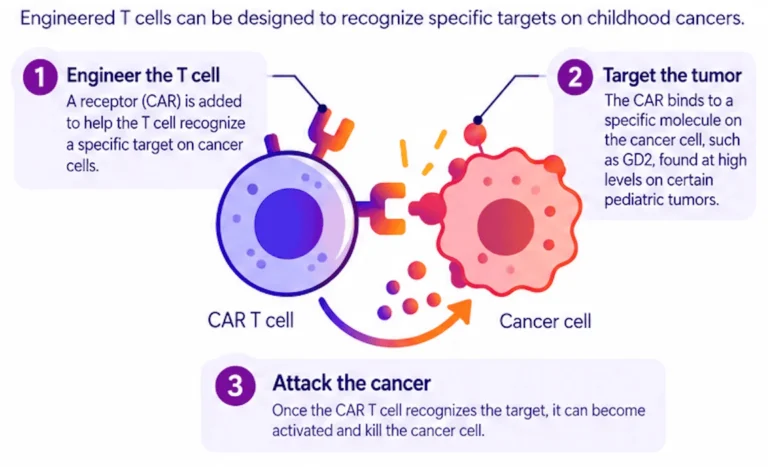
- 2010s: The Rise of Engineering. The advent of CRISPR and advanced cell-sorting technologies allowed for the first successful CAR-T treatments, where patient cells are genetically reprogrammed to hunt cancer.
- 2020–2025: The Integration Gap. As we enter the mid-2020s, the field faces a new bottleneck: the sheer complexity of the tumor microenvironment (TME). Current tools are often too blunt to capture the nuanced "dialogue" between a tumor and the immune system.
- 2026: The CLIP and Tech Impact Awards. By focusing on integration and technological novelties, the CRI is now aiming to move past the "trial and error" phase of drug development into a phase of predictive, data-driven precision.
Supporting Data: Why Targeted Funding Matters
The urgency behind these awards is rooted in hard statistics. While immunotherapy has turned terminal diagnoses into manageable conditions for millions, the "responder rate" for many solid tumors remains stubbornly low.
According to recent oncology data:
- The Resistance Gap: Only about 20% to 30% of patients with solid tumors show a durable response to current immune checkpoint inhibitors.
- Technological Deficit: A significant portion of "failed" clinical trials are not due to poor drug design, but rather a lack of accurate biomarkers to identify which patients would benefit from the treatment before the trial begins.
- Economic Impact: The cost of bringing a single new therapeutic to market now averages between $1 billion and $2.5 billion, with development timelines often stretching beyond 10 years. By de-risking the "proof of concept" stage through grants like the CLIP and Technology Impact Awards, the CRI significantly shortens the time-to-market for promising interventions.
Official Responses: Challenging Conventional Thinking
The leadership at the Cancer Research Institute views these awards not merely as a grant program, but as a cultural intervention in the scientific community.
"Progress in cancer immunotherapy depends on scientists who are willing to challenge conventional thinking and pursue bold new approaches," said CRI CEO Alicia Zhou, PhD. "These projects reflect the kind of innovative, high-impact science that has the potential to improve outcomes for patients and shape the future of cancer treatment. We are looking for the ‘what if’ thinkers—those who aren’t afraid to look at the current limitations of our field and suggest that we have been asking the wrong questions."
Dr. Zhou emphasizes that the 2026 cohort was selected specifically for their "disruptive potential." The CRI’s peer-review process prioritized proposals that seek to uncover the "invisible" aspects of the immune system—such as how T-cells become exhausted in the TME or how metabolic shifts in tumor cells can be weaponized against them.
The CLIP Program: Bridging the Translational Divide
The Clinic and Laboratory Integration Program (CLIP) remains the CRI’s flagship for translational success. The 2026 investigators are tasked with a clear mission: to ensure that laboratory findings do not die in the transition to human trials.
These researchers are working on projects that involve:
- Dynamic Monitoring: Developing ways to observe the immune response to immunotherapy in real-time within the patient.
- Combination Strategies: Testing how traditional therapies (like radiation or chemotherapy) can be used as "primers" to make immunotherapy more effective.
- Microenvironment Manipulation: Engineering the "neighborhood" of the tumor to be more hospitable to immune infiltration.
The Tech Impact Award: Building the Tools of Tomorrow
If CLIP is the architect of the new immunotherapy landscape, the Technology Impact Award provides the shovel and the microscope. The 2026 recipients are focused on:
- Advanced Imaging Platforms: Technologies capable of capturing high-resolution 3D images of how immune cells interact with tumor cells in live tissue.
- Computational Systems: Using AI and machine learning to predict how specific genetic mutations will affect a patient’s response to different immunotherapy cocktails.
- Novel Biological Tools: Creating synthetic proteins that can act as "sentinels," alerting the immune system to the presence of cancer markers that were previously undetectable.
Implications: A Future Immune to Cancer
The long-term implications of these 2026 awards extend far beyond the laboratory. By investing in these specific areas, the CRI is effectively lowering the barrier to entry for the next generation of life-saving drugs.
The successful implementation of these projects could lead to:
- Personalized Immunotherapy: Instead of one-size-fits-all treatments, patients could receive a "molecular map" that dictates exactly which immunotherapy regimen will be most effective for their specific tumor profile.
- Increased Survivability: By solving the issue of drug resistance, the field could move toward turning even the most aggressive cancers into chronic, manageable conditions, or potentially eradicating them entirely.
- Global Equity: Through the development of more efficient technological tools, the hope is that high-quality cancer diagnostics and treatments become less resource-intensive, eventually allowing for broader access to care in under-resourced regions.
Conclusion: The Path Forward
As the 2026 CLIP and Technology Impact Awardees begin their research, the global medical community watches with anticipation. The CRI’s commitment to funding high-risk, high-impact science acknowledges a fundamental truth: we cannot solve the problems of today with the same methodologies that got us here.
By empowering investigators to pursue the "bold ideas" that others might overlook, the Cancer Research Institute is not just funding projects; it is building a roadmap to a future where cancer is no longer a terminal diagnosis. As Dr. Zhou noted, the goal is to create a future "immune to cancer"—a future where the immune system is perfectly empowered, perfectly informed, and perfectly capable of defending the human body against its most formidable adversary.
For those interested in the ongoing progress of these projects, the CRI will continue to provide updates, findings, and milestones as these researchers turn their visions into the breakthroughs of the next decade. The work has only just begun, but the foundation laid in 2026 is undoubtedly designed to endure.