By Cindy Steinberg
Meaningful advancements in healthcare are rarely confined to the quiet, clinical atmosphere of an exam room or the controlled environment of a laboratory. While medical breakthroughs provide the tools for healing, the framework within which those tools are deployed—the accessibility, the funding, and the equity of care—is forged in the high-stakes arena of legislative chambers.
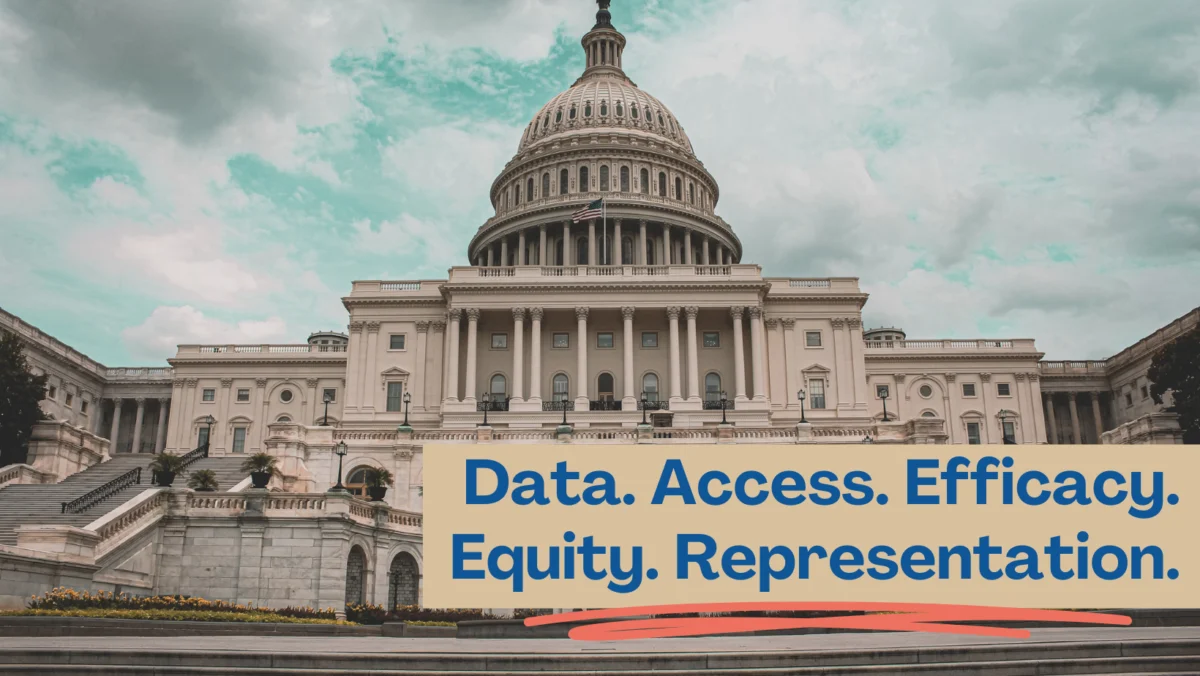
For more than 60 million Americans living with chronic pain, the status quo is increasingly untenable. As we look toward the horizon of 2026, the introduction of the Advancing Research for Chronic Pain Act (ARCPA) represents a potential turning point. By shifting the focus from fragmented, reactive care to a systematic, data-driven legislative approach, we can begin to dismantle the barriers that have left millions without relief.
The Current Crisis: A Statistical Snapshot
Chronic pain is not merely a symptom; it is a public health epidemic. As of 2023, data from the Centers for Disease Control and Prevention (CDC) indicated that nearly 1 in 4 U.S. adults live with chronic pain. This figure is staggering, yet it remains a surface-level metric. We lack a granular understanding of the demographic, socioeconomic, and geographic distribution of these conditions.
Without a comprehensive map of who is suffering, where they are, and what their specific barriers are, our national response remains akin to treating a systemic illness with a topical cream. The ARCPA legislation seeks to change this by mandating that the CDC collect and publish robust, longitudinal data. This includes not only the prevalence of pain conditions but also the efficacy of various treatments, the impact on socioeconomic mobility, and the true, unvarnished economic cost of pain in America.
Chronology of the Policy Shift
The movement toward a federal policy overhaul did not happen overnight. It is the culmination of years of advocacy and a growing recognition of the failure of the "one-size-fits-all" approach to pain management.
- 2016: Congress mandates the creation of the Pain Management Best Practices Inter-Agency Task Force, a landmark effort to synthesize multidisciplinary expertise into a actionable framework.
- 2019: The Task Force releases its final report, establishing that the gold standard of care must be individualized, multimodal, and multidisciplinary. Despite this, implementation across the private insurance and public health sectors remained uneven.
- 2023: The CDC releases definitive reports highlighting that pain disproportionately burdens marginalized communities, including American Indians, Alaska Natives, and those in rural poverty, formalizing the link between pain and health inequity.
- 2026: Introduction of the Advancing Research for Chronic Pain Act (S.5041), a bipartisan legislative effort aimed at codifying the need for better data, equitable research, and refined clinical pathways.
Supporting Data: The Economic Imperative
For too long, the debate over pain management has been polarized, often neglecting the cold, hard reality of economics. A widely cited estimate from the last decade placed the annual cost of pain in the United States—factoring in medical expenses and lost productivity—between $560 billion and $635 billion.
This figure, however, is dated. In our current economy, the cost of fragmented care, repeated diagnostic testing, and the "trial-and-error" approach to medication is likely significantly higher. By requiring the collection of current, comprehensive cost-of-care data, ARCPA provides the economic justification for a shift toward multidisciplinary pain centers. When we can prove that proactive, effective care is cheaper than a cycle of ineffective treatment, policy shifts toward coverage and accessibility follow.
The Eight Pillars of Reform
To transform the landscape of chronic pain management, we must address eight distinct areas where policy serves as the catalyst for change:
1. Quantification of the Crisis
We cannot manage what we do not measure. ARCPA demands that we move beyond broad estimates to a detailed understanding of how pain impacts the ability to work, parent, and participate in society.
2. The Economic Case for Affordability
By analyzing the cost of failure—the years spent in ineffective treatment—we can argue for investments in multidisciplinary care that actually improve patient outcomes, rather than just sustaining a status quo of chronic illness.
3. Strengthening Research & Innovation
Federal funding often follows the data. By identifying research gaps through better population mapping, we can direct public and private funding toward the conditions and populations that have been historically underserved.
4. Precision Treatment
The "dartboard" approach to pain management—where providers guess which medication or therapy might work—is archaic. We need data-backed guidelines that answer: What works best, for whom, and under what circumstances?
5. Expanding Geographic and Digital Access
The COVID-19 pandemic proved the efficacy of telehealth. Permanently codifying telehealth access into law ensures that those with mobility issues or those living in rural "healthcare deserts" are not abandoned by the system.
6. Ensuring Equitable Care
Disparities in pain treatment are not accidental; they are structural. Whether due to race, gender, or geography, we must use data to identify where the system is failing specific groups and mandate corrective actions.
7. The Power of Lived Experience
Policy is often crafted by people who have never experienced chronic pain. We must ensure that patients are not just "consulted," but are central architects in the design of clinical trials, insurance coverage policies, and regulatory decisions.
8. Translating Evidence to Practice
We possess the knowledge of what works—multidisciplinary, non-pharmacologic, and individualized care—but we lack the dissemination infrastructure. Policy must mandate that these "best practices" move from report PDFs to clinical reality.
Official Responses and Political Momentum
The introduction of ARCPA has been met with broad support from a coalition of patient advocacy groups and healthcare organizations. Senators Kaine, Cramer, Kim, and Daines, who introduced the legislation, have emphasized that this is a non-partisan issue—pain does not discriminate by political affiliation.
The endorsement of over 70 organizations, ranging from patient advocacy groups to specialized medical associations, signals that the medical community is ready for a change in how we define and treat chronic pain. By aligning with these leaders, the patient community is exerting collective pressure to ensure that these recommendations move beyond the hearing room and into the statute books.
The Broader Implications
The implications of passing legislation like ARCPA extend far beyond the individual patient. It represents a shift in the American healthcare philosophy: moving from a model that views pain as an annoyance to be suppressed, to one that views pain management as a cornerstone of public health and economic productivity.
When we prioritize the needs of the 60 million, we strengthen the entire workforce. When we invest in research that targets the root of pain, we reduce the societal reliance on systemic, often addictive, medications. When we demand that insurance providers prioritize evidence-based outcomes over restrictive "fail-first" utilization management, we restore the sanctity of the doctor-patient relationship.
Conclusion: A Call to Action
Policy, while often feeling distant from the daily struggle of living with pain, is the most powerful tool we have for systemic change. It is the bridge between the discovery of a treatment and the ability of a patient to afford and access it.
The ARCPA is not a silver bullet, but it is a necessary architecture for the future of pain care. It is an opportunity to hold our systems accountable, to ensure that the patient voice is the loudest in the room, and to finally provide the care that millions of Americans have been denied for too long.
As we move forward, the strength of this movement lies in our collective voice. By staying informed, registering for advocacy alerts, and engaging with our legislators, we ensure that the #OneVoiceForPain is heard at the highest levels of government. The time to transition from passive sufferers to active policy-shapers is now. The future of pain care is not just being researched; it is being written in the halls of Congress. Let us ensure that what is written reflects the reality, the struggle, and the hope of those who live it every day.