










By Kari McBride
The intersection of chronic pain and parenting is a landscape rarely discussed in the public sphere, yet it is a reality for thousands of families across the globe. It is a world defined by invisible battles, the exhaustion of medical advocacy, and the constant, quiet management of physical distress. For many, this journey is marked by isolation—a feeling that one is perpetually explaining the unexplainable.
However, during the annual Pediatric Pain Warrior Family Summer Camp, the dynamic shifts. In this space, the burden of explanation is lifted, replaced by the profound, unspoken language of shared experience. It is a place where "I understand" is not a platitude, but a statement of fact.
The Anatomy of an Emotional Storm
The incident began with a subtle shift in the atmosphere. It started with a quiet, sharp "Hmmph" and the defensive posture of crossed arms. Within minutes, the signs of escalating distress were undeniable: exaggerated groans, muttered complaints, and the classic, dramatic eye rolls of a child reaching their physical limit.
As a parent, the instinct to intervene is immediate. I attempted to redirect the energy, ushering my daughter outside in hopes that a change of scenery might break the cycle of frustration. But the physical toll of a rigorous morning of summer camp activities had already breached her defenses. The emotional storm clouds finally broke, resulting in a flurry of tears, kicks, and screams on the patio.
It was a visceral reminder of the dual reality we inhabit: the pain of a child struggling to regulate her body, and the exhaustion of a parent trying to provide a steady anchor. We retreated to the cool, quiet safety of the health center—a sanctuary where we could navigate the moment, one breath at a time.
A Lesson in Silent Support: The Chronology of Care
When I sent a simple text message to a friend asking for water, I did not expect a mobilization of support. I was looking for hydration; I was offered humanity.
The response was immediate and transformative. My friend’s inquiries were not invasive, nor were they filled with the unsolicited medical advice that often plagues parents of children with chronic conditions. Instead, the questions were focused on the present need: "What do you need?" "How can we help?" "I am here if you need me."
Internal Dialogues: The Needs of the Moment
As I sat in the quiet of the health center, I processed my own requirements:
- For my daughter: I needed her breathing to normalize and her acute pain flare to subside.
- For myself: I needed to reclaim my own breath, to center my own nervous system after the chaos of the public outburst.
The Power of Presence
The community response that followed served as a masterclass in empathetic caregiving:
- Validation: "It’s OK. We’re OK." The reassurance that this was a known struggle, one we had survived before and would survive again.
- Boundaries: There were no requests for clinical details or diagnostic updates. There was only quiet, respectful understanding from other parents who have walked the same path.
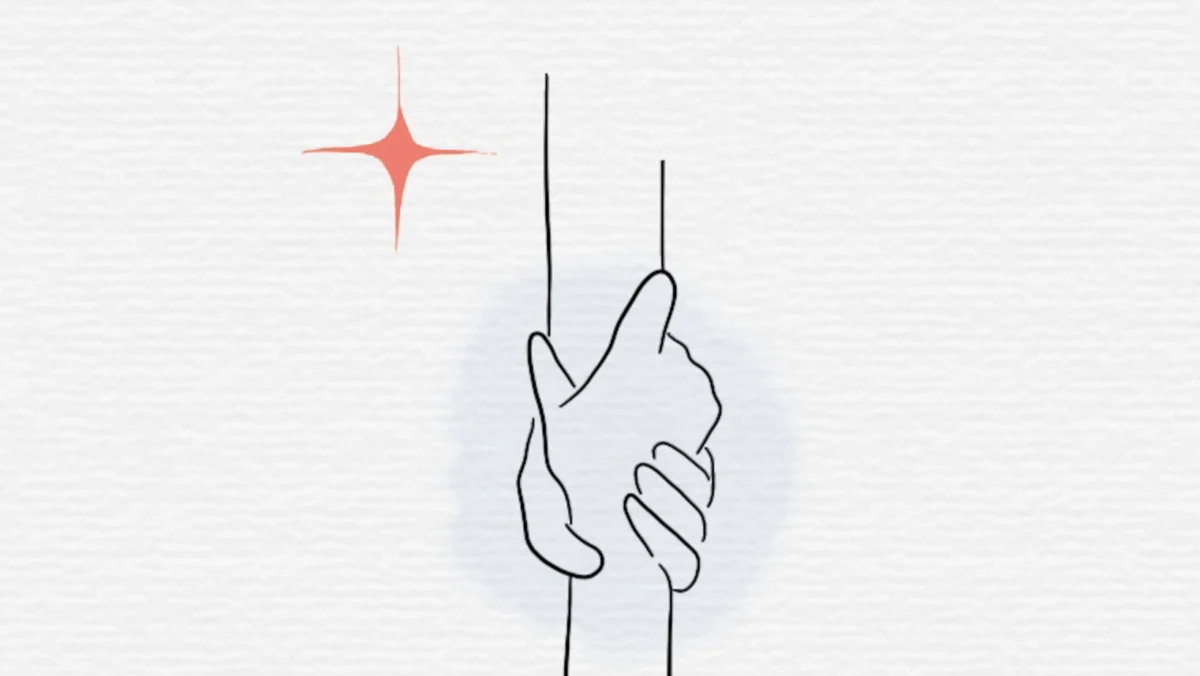
- Physical Connection: The final, most impactful gesture was a simple hug from a fellow mother. "You are doing a great job," she whispered. In that moment, the weight I had been carrying—the stress of managing my child’s pain while simultaneously navigating my own chronic health journey—suddenly felt lighter.
Supporting Data: The Prevalence of Chronic Pain in Youth
The experiences shared at the Pediatric Pain Warrior Family Summer Camp are not isolated incidents. According to data from the American Academy of Pediatrics, chronic pain—defined as pain that persists for more than three months—affects approximately 15% to 20% of children and adolescents.
These conditions, which include chronic migraines, juvenile idiopathic arthritis, fibromyalgia, and complex regional pain syndrome, do not just affect the child; they fundamentally reshape the family unit. Research published in the Journal of Pediatric Psychology highlights the "caregiver burden," noting that parents of children with chronic pain report higher levels of anxiety, depression, and physical exhaustion compared to parents of neurotypical or healthy children.
Furthermore, the "social isolation" factor is a significant contributor to poor health outcomes for both the child and the parent. The lack of peer support groups in mainstream settings often forces families to operate in a vacuum, where they must constantly educate teachers, coaches, and relatives about the nature of their child’s condition.
Official Responses and Clinical Perspectives
Medical professionals who specialize in pediatric pain management are increasingly emphasizing the "biopsychosocial model" of care. This approach recognizes that while medication and physical therapy are essential, social and emotional support are equally critical components of the healing process.
Dr. Elena Rossi, a pediatric pain specialist, notes: "We often focus on the pharmacological intervention, but the ‘village’ is a clinical necessity. When parents feel supported, their ability to co-regulate with their child improves significantly. A regulated parent is the best tool a child has for managing a pain flare."
The Pediatric Pain Warrior Family Summer Camp serves as a practical application of this model. By providing a safe environment, the camp allows families to step away from the role of "patient" or "advocate" and simply exist as a family unit among peers.
Implications: The Necessity of the "Pain Village"
The implications of this camp experience are clear: we must normalize the need for parent-to-parent support networks. For those who do not have access to a formal camp, the lessons remain the same.
1. The Art of Asking (and Receiving)
Many parents, myself included, become so conditioned to being the primary caregiver that we forget how to accept help. We become "experts" at tracking medications, relaxation techniques, and flare-up protocols. We lose the ability to acknowledge our own limits. The lesson from the patio was that asking for "water"—a small, practical need—can open the door to the support we actually crave.
2. Moving Beyond Advice
One of the most important takeaways from our interaction was the absence of unsolicited advice. In the chronic pain community, there is a tendency for outsiders to offer "cures" or "suggestions" that are often reductive. True support, as evidenced by our experience, requires listening without the need to "fix."
3. Permission to Be Human
Parenting a child with chronic pain often requires a stoic exterior. We feel the need to be strong for our children. However, the emotional breakdown on the patio and the subsequent support I received proved that strength does not mean silence. It means acknowledging the difficulty of the journey and allowing others to help carry the load.
Conclusion: A Shift in Perspective
As the week at the Pediatric Pain Warrior Family Summer Camp concluded, the impact remained profound. I realized that my daughter and I are not merely navigating a medical condition; we are members of a community.
At camp, we are not the family that has to explain why we are late, why we are tired, or why a child is having a meltdown in a public space. We are simply a family. There is a unique, quiet beauty in being in a place where understanding does not have to be earned through justification or detailed medical history.
Looking back on that afternoon, I didn’t realize how much I needed help. I thought I was asking for water; I was actually asking for a witness to my experience. I was asking for someone to acknowledge that this life is hard, but that I am doing a good job.
The village exists. Sometimes, we just have to be brave enough to open the door and let them in. We are not meant to carry the weight of chronic pain alone, and through the shared humanity of our experiences, we find the resilience to continue the journey—together.