For decades, the fitness industry has preached that a strong core is built on the floor. From endless crunches to marathon sit-up sessions, the traditional approach to abdominal training has long focused on spinal flexion. However, as we cross the threshold of 60, our training priorities must shift. The goal is no longer just "the burn"; it is functional longevity, spinal health, and the prevention of the mobility decline that often plagues later life.
Recent breakthroughs in sports science suggest that heavy, high-velocity movements—like kettlebell swings—while effective for power, may carry a higher barrier to entry for the aging athlete. Instead, experts are pivoting toward standing core training. By integrating the midsection into real-world, gravity-based movements, individuals over 60 can build a resilient, supportive "corset" of muscle that makes daily tasks safer and more efficient.
The Core Paradigm Shift: From Crunches to Integration
Main Facts: The Anatomy of Functional Stability
The core is not merely a collection of "six-pack" muscles. It is a complex network of internal and external obliques, the transverse abdominis, the multifidus, and the erector spinae. These muscles are designed to do one primary job: protect the spine while allowing the limbs to move.
When you perform a floor-based crunch, you isolate the muscles in a static position. When you perform a standing exercise, you force the core to act as a bridge between the upper and lower body. This is known as "force transfer." Whether you are carrying heavy groceries, navigating a flight of stairs, or reaching for a high shelf, your core must stabilize your spine against external forces.
Chronology of Fitness Evolution
In the late 20th century, the "ab-blaster" craze dominated gyms, emphasizing high-rep isolation. As the 21st century dawned, the focus shifted toward "functional fitness," popularized by the CrossFit and movement culture movements. Today, the demographic shift of an aging global population has necessitated a third wave: "longevity-based training." This approach prioritizes joint health, balance, and the preservation of muscle mass (sarcopenia prevention) over aesthetic perfection.
The Six Pillars of Standing Core Stability
To restore strength after 60, we must move away from the "all-or-nothing" mentality and embrace movements that mimic the demands of daily life. Here are the six essential moves that provide the highest return on investment.
1. The Goblet Squat: Building the Foundation
The Goblet Squat is the king of standing core builders. By holding a weight against your chest, you create a front-loaded counterbalance that forces your core to engage to prevent your torso from folding forward.
- The Science: This exercise strengthens the quadriceps and glutes while requiring constant isometric contraction of the deep abdominal wall to maintain an upright, proud posture.
- Practical Application: If you can master the goblet squat, you have mastered the art of getting out of a chair, lifting a heavy box, and maintaining balance while carrying weight.
2. The Pallof Press: The Anti-Rotation Master
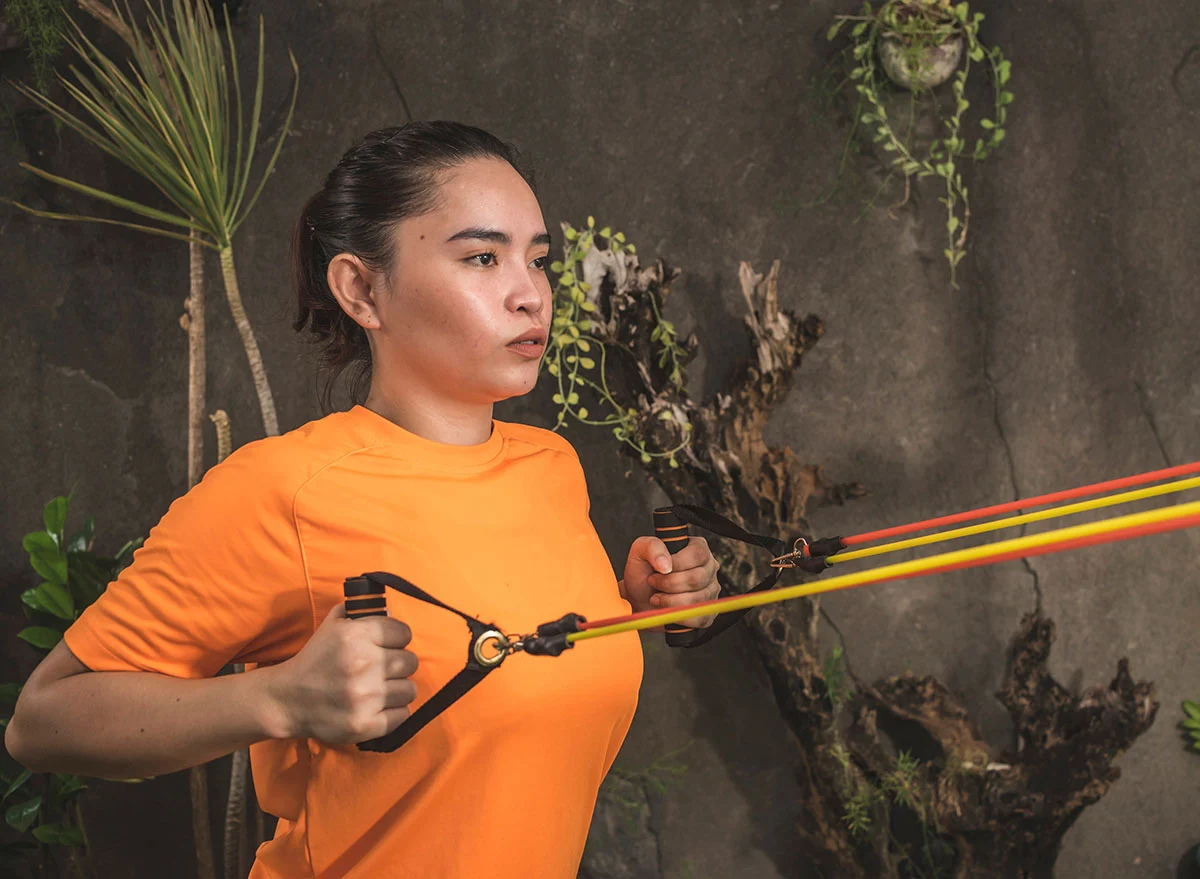
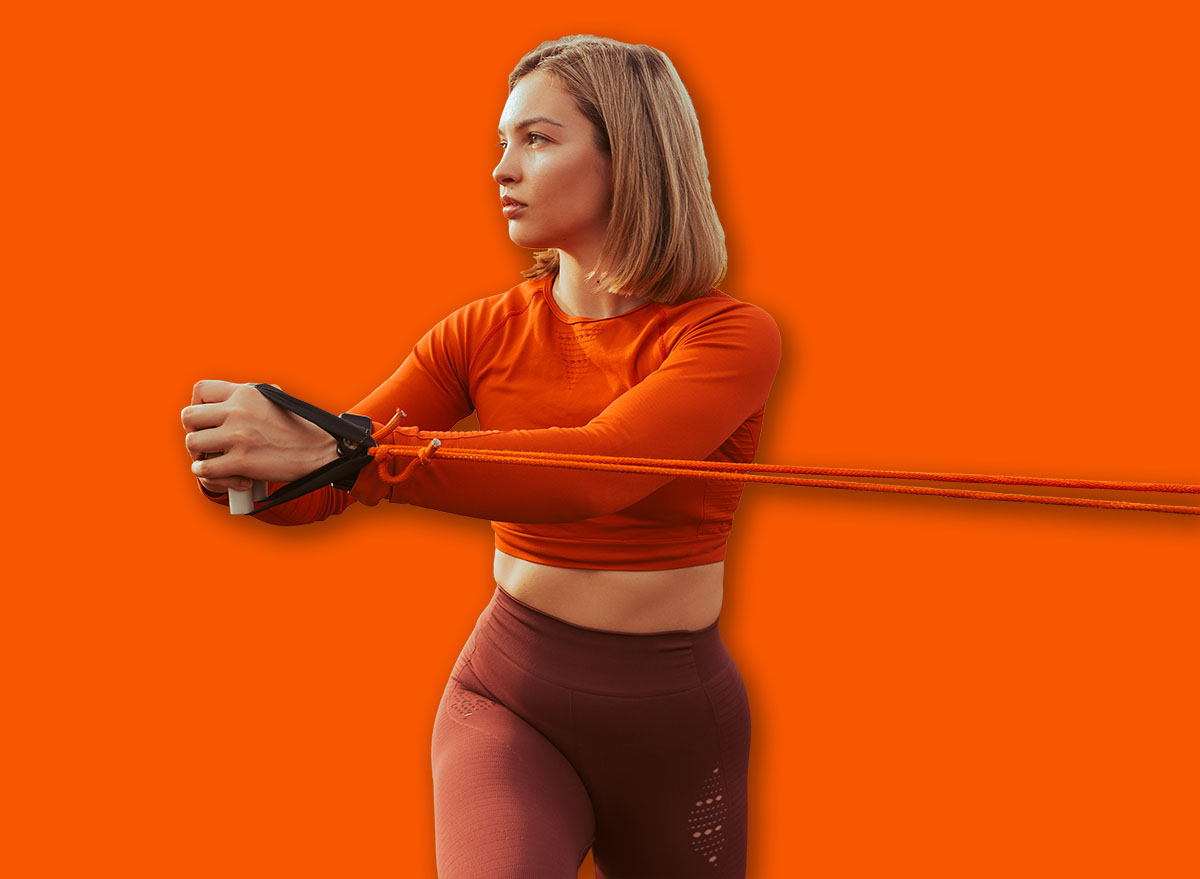
If you suffer from lower back pain, the Pallof Press is your best friend. This movement trains the body to resist rotation, which is arguably the most vital function of the core in preventing spinal injury.
- The Mechanics: Using a resistance band or cable, you press your hands away from your chest. The weight tries to pull your torso toward the anchor point, and your core must fire to stay perfectly square.
- The Benefit: This builds "rotational stiffness," a critical factor in preventing falls and maintaining stability when walking on uneven surfaces.
3. The Suitcase Carry: Unilateral Loading
Nature rarely loads our bodies symmetrically. When you carry a bag of mulch, a heavy suitcase, or a gallon of water, you are performing a "suitcase carry."
- The Technique: Hold a weight in one hand while walking with a tall, stable gait. The weight will try to pull you to the side, forcing your obliques to fire as a stabilizer.
- Why it Works: It builds grip strength, shoulder stability, and lateral core strength, effectively bulletproofing your spine against the asymmetrical loads of daily life.
4. The Dumbbell Woodchopper: Controlled Rotation
Many people fear rotation after 60, but avoiding it completely leads to stiffness. The key is controlled rotation.
- The Execution: Moving a weight diagonally across the body forces the hips and shoulders to work in tandem. By keeping the movement controlled, you are strengthening the rotational pathways that allow you to turn your head, reach behind you in the car, or swing a golf club safely.
5. The Single-Arm Dumbbell Press
Pressing weight overhead with both arms is standard, but pressing with one arm changes everything.
- The Core Challenge: Because only one side is loaded, your core must work overtime to stabilize your pelvis and ribs. If your core is weak, your torso will lean away from the weight.
- The Result: You are effectively performing a standing side-plank and an overhead press simultaneously, maximizing time-efficiency and core tension.
6. The Dumbbell March: Dynamic Balance
Balance is the primary indicator of physical health after 60. The Dumbbell March combines loaded stability with unilateral movement.
- The Movement: Holding weights by your sides, lift one knee at a time, pausing momentarily at the top. This forces your standing leg to stabilize while your core ensures your torso doesn’t shift or wobble.
Supporting Data: Why "Standing" Outperforms "Floor"
According to research from the Journal of Strength and Conditioning, standing exercises demonstrate a 25% higher activation of the stabilizer muscles compared to traditional supine crunches. Furthermore, clinical trials published in the National Library of Medicine highlight that older adults who prioritize "anti-rotational" and "anti-lateral flexion" training (the pillars of the moves above) report a significant reduction in chronic low-back pain within 12 weeks.
The primary reason for this is neurological. When you are on the floor, your body feels "supported" by the ground, reducing the need for the brain to recruit stabilizer muscles. When you are standing, your nervous system is in a state of high-alert, constantly micro-adjusting your muscles to maintain balance. This constant feedback loop is what truly strengthens the midsection.
Official Perspectives and Expert Advice
Physical therapists and longevity experts agree: the goal of training after 60 is to build a body that doesn’t just look good, but "functions with intent."
"The biggest mistake I see in clients over 60 is the obsession with ‘abs’ rather than ‘stability,’" says one leading sports performance consultant. "If you train your core as a stabilizer, the strength will be there when you need it. If you only train it for aesthetic endurance, you’ll be left with a body that is tired, but not necessarily stronger."
Implications for Daily Living: The "Carryover" Effect
Why do these exercises matter? The implications go far beyond the gym:
- Fall Prevention: By training your core to resist lateral and rotational forces, you gain the ability to catch yourself if you trip, significantly reducing the risk of fracture.
- Increased Independence: The ability to lift objects from the floor (via the goblet squat) or carry heavy loads (via the suitcase carry) is the literal definition of independent living.
- Posture and Pain: Most back pain in the aging population stems from a weak core that allows the spine to collapse under gravity. These exercises reinforce the "bracing" pattern, keeping the spine neutral and pain-free.
Conclusion: A New Way Forward
Restoring your core after 60 isn’t about transforming yourself into a bodybuilder; it is about reclaiming the foundation of your movement. By swapping the floor-based crunches for these six standing, functional movements, you are investing in your future self.
Start slowly, focus on the quality of your bracing, and remember: every time you brace your midsection to perform a controlled goblet squat or a deliberate suitcase carry, you aren’t just working out. You are building the strength required to live your life on your own terms, with the stability, confidence, and physical freedom that you deserve.
Next Steps for Your Routine:
- Consistency: Aim for 2–3 sessions per week.
- Progressive Overload: Increase the weight only when your form is perfect.
- Mind-Muscle Connection: Think about "bracing" your stomach as if someone were about to poke you in the gut. That is the feeling you want to maintain throughout every movement.
Your core is the engine of your life. It is time to treat it with the respect and the challenge it needs to keep you moving strong for years to come.