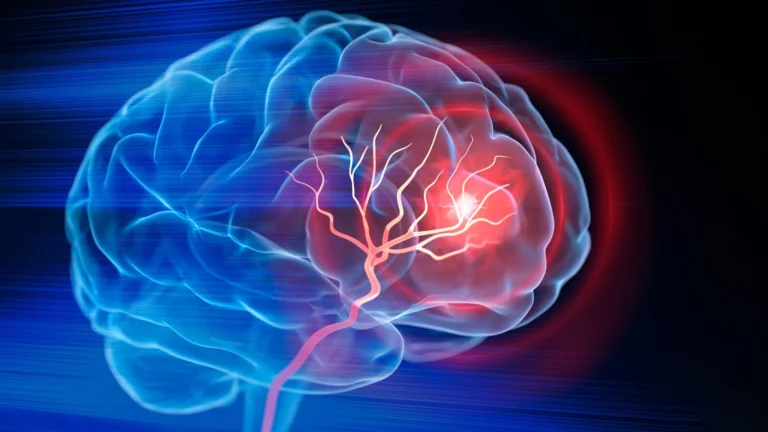
For decades, the standard laboratory model for studying the human circulatory system has relied on a fundamental, yet deeply flawed, assumption: that blood vessels are simple, uniform, straight tubes. While this reductionist approach facilitated basic discovery, it fundamentally ignored the physiological reality of the human body. Human blood vessels are dynamic, organic structures that branch, curve, narrow, and expand, creating a complex architectural landscape that dictates the very movement of blood.
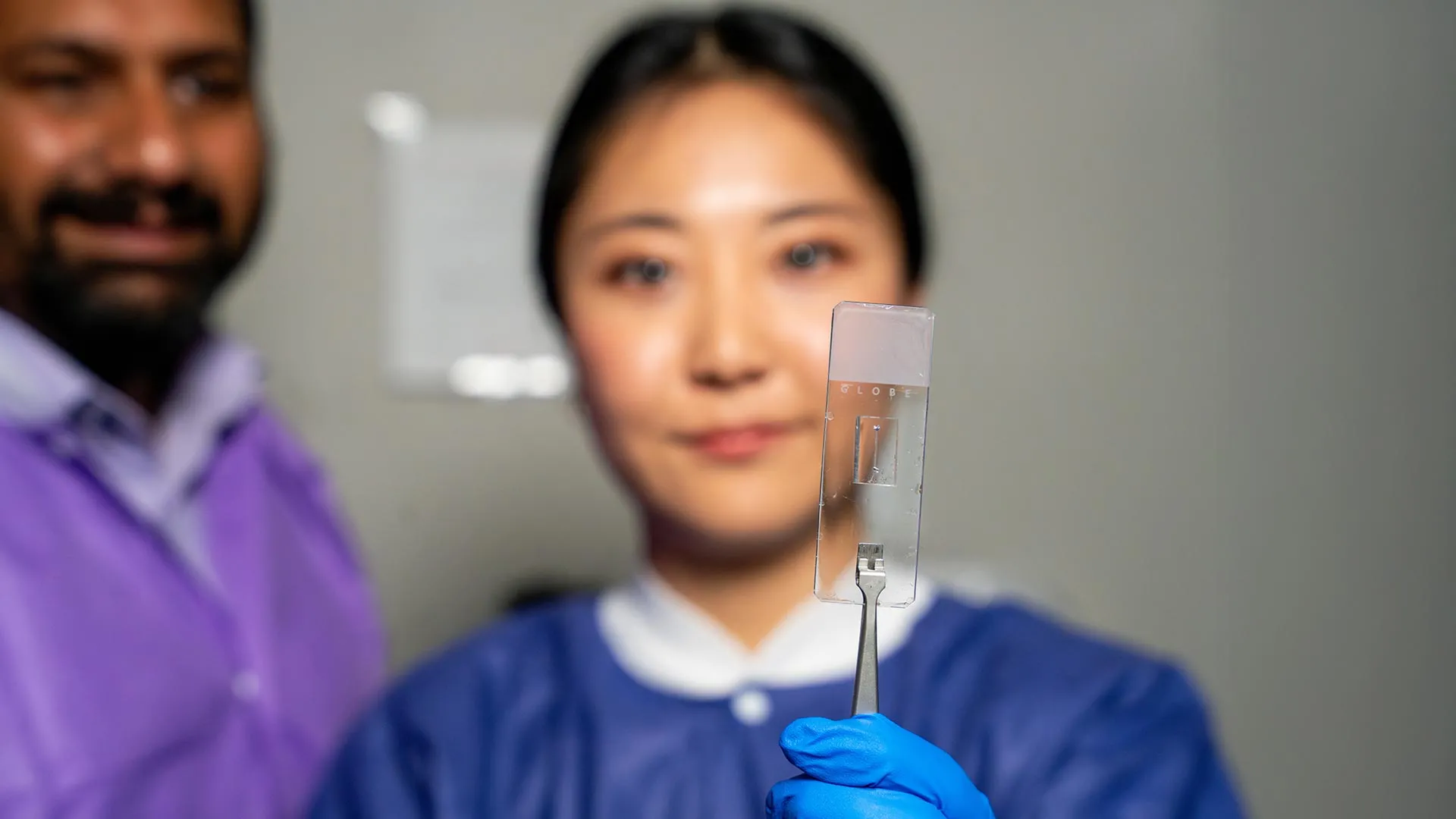
In a significant leap forward for biomedical engineering, researchers at Texas A&M University have unveiled a sophisticated, customizable "vessel-chip" system. This innovation bridges the gap between oversimplified laboratory models and the intricate reality of human vascular health, offering a transformative platform for drug discovery and disease modeling.
The Architectural Challenge of Vascular Modeling
The human vascular system is a marvel of fluid dynamics. As blood traverses the body, it encounters diverse geometries—from the bifurcations of arterial branches to the sudden, pathological expansions known as aneurysms and the restrictive narrowing of stenosis. These structural variations are not merely incidental; they fundamentally alter local blood flow patterns, inducing specific mechanical forces known as "shear stress."
"There are branched vessels, or aneurysms that have sudden expansion, and then stenosis that restricts the vessel," explains Jennifer Lee, a master’s student in the Department of Biomedical Engineering at Texas A&M. "All these different types of vessels cause the blood flow pattern to be significantly changed, and the inside of the blood vessel is affected by the level of shear stress caused by these flow patterns. That’s what we wanted to model."
For years, these nuances were lost in "straight-tube" microfluidic models. By failing to replicate the geometry of disease-prone sites, previous models could not accurately predict how cells respond to the mechanical stresses that often precede or exacerbate vascular conditions. The new vessel-chip system, developed in the Bioinspired Translational Microsystems Laboratory, changes that paradigm by allowing for the precise, customizable reproduction of complex vascular architectures.
Chronology of Innovation: From Straight Tubes to Complex Systems
The development of the current vessel-chip is the culmination of a multi-year research trajectory. The journey began under the mentorship of Dr. Abhishek Jain, an associate professor and the Barbara and Ralph Cox ’53 Faculty Fellow in Biomedical Engineering.
- Initial Foundations: Several years ago, Dr. Tanmay Mathur, a graduate student in Dr. Jain’s lab, successfully developed the foundational straight-vessel microfluidic device. This project established the baseline for "organs-on-a-chip" technology within the lab, proving that synthetic environments could sustain human vascular cells.
- The Conceptual Shift: Recognizing the limitations of the straight-tube design, the lab pivoted toward architectural complexity. Jennifer Lee joined the team as an undergraduate honors student, tasked with the high-risk, high-reward challenge of creating a system that could accommodate non-uniform vessel shapes.
- Engineering the Chip: Through an iterative design process, Lee engineered a platform capable of mimicking the exact geometry of various vascular anomalies. Her work, which meticulously balances fluid dynamics with cellular biological requirements, has been recognized for its innovation and impact.
- Publication and Recognition: The findings were published in the prestigious journal Lab on a Chip. The significance of this breakthrough is underscored by its selection as the cover feature for the journal’s May 2025 issue, marking a major milestone for the Texas A&M team.
Official Perspectives: The Vision for Vascular Health
The leadership behind the Bioinspired Translational Microsystems Laboratory views this development as a foundational change in how scientists conceptualize "living" research tools.
"We can now start learning about vascular disease in ways we’ve never been able to before," Dr. Jain notes. "Not only can you make these structures complex, you can put actual cellular and tissue material inside them and make them living. These are the sites where vascular diseases tend to develop, so understanding them is critical."
The shift from inanimate plastic models to living, architectural replicas represents the "fourth dimension" of organ-on-a-chip technology. According to Jain, the field is moving beyond simply observing cells and flow in isolation; it is now entering an era where the interaction between complex geometry and biological response can be studied in real-time. This holistic approach provides a more accurate mirror of the human body, potentially reducing the industry’s long-standing reliance on animal models for pharmaceutical testing.
Bridging the Gap: The Role of Undergraduate and Graduate Talent
The success of the vessel-chip project is as much a testament to the university’s pedagogical approach as it is to its scientific prowess. Jennifer Lee’s progression from an undergraduate honors student with no prior experience in organ-on-a-chip technology to a lead researcher on a cover-story project highlights the efficacy of Texas A&M’s fast-track research initiatives.
"Jennifer demonstrated perseverance, curiosity, and creativity and started taking up research projects very quickly," Dr. Jain says. "Our fast-track program enables students like Jennifer to take on high-impact, high-risk research and not just do a science project, but take it all the way to its outcome and get it published."
For Lee, the experience provided more than just a line on a resume; it offered a masterclass in the soft skills that define a professional scientist. The collaborative nature of the lab—where undergraduates work alongside doctoral students and postdoctoral fellows—fostered a culture of communication, problem-solving, and professional work ethic.
"It’s such a good environment to interact with not only peers but also graduate students and postdoctoral researchers," Lee reflects. "You’re able to learn teamwork and communication, work ethic, and just trying different things out. I think it’s such a valuable experience that students have available."
Future Implications and Expanding the Model
While the current iteration of the vessel-chip is a technological triumph, the research team is already looking toward the next horizon. The existing model focuses on endothelial cells, which form the vital interior lining of blood vessels. However, the human vascular system is composed of multiple layers of different cell types that communicate in a constant, dynamic feedback loop.
The next generation of the vessel-chip aims to incorporate these additional cell types, allowing researchers to study how various tissues interact with one another in the presence of blood flow. This multi-cellular complexity is essential for studying conditions like atherosclerosis, where inflammation and plaque buildup involve complex cellular crosstalk.
Furthermore, the implications of this technology for the pharmaceutical industry are profound. By creating patient-specific vessel-chips—using cells derived from individual patients—researchers could theoretically conduct "clinical trials on a chip." This would allow for the evaluation of drug efficacy and toxicity in a personalized manner, potentially accelerating the development of treatments for cardiovascular diseases that currently claim millions of lives annually.
Supporting the Science: A Collaborative Effort
The breadth of support for this research underscores its national importance. The project has been bolstered by a diverse array of organizations, reflecting a cross-sector consensus on the need for more realistic, non-animal testing models. Contributors include:
- Department of Defense/Military: The U.S. Army Medical Research Program.
- Space Exploration: NASA, which has a vested interest in understanding vascular changes in microgravity environments.
- Regulatory and Health Agencies: The National Institutes of Health (NIH), the U.S. Food and Drug Administration (FDA), and the Biomedical Advanced Research and Development Authority (BARDA).
- Fundamental Science: The National Science Foundation (NSF).
- Institutional Support: The Texas A&M University Office of Innovation Translational Investment Funds.
As the scientific community continues to move toward more sophisticated, human-relevant models, the Texas A&M vessel-chip stands as a beacon of progress. By embracing the messy, curved, and complex nature of the human body rather than stripping it away, researchers are finally beginning to understand the true nature of vascular disease—and the paths toward curing it.