In the traditional understanding of oncology, tumor suppressor genes are the body’s ultimate sentinels. They function like an internal quality-control department, producing proteins that meticulously maintain and repair DNA, thereby preventing the accumulation of harmful mutations that lead to malignant growth. For decades, the medical consensus has been clear: when these genes are silenced or depleted, the door to cancer swings wide open.
However, a groundbreaking study published in Nature Communications has challenged this paradigm, suggesting that the body’s defense mechanisms can be just as dangerous when they are hyperactive as when they are dormant. Researchers at Penn State College of Medicine have discovered that the excessive activity of a specific DNA repair protein, known as EXO1, can act as a catalyst for genomic instability—a hallmark of cancer—effectively turning a protective tool into a destructive weapon.
The Dual Nature of EXO1
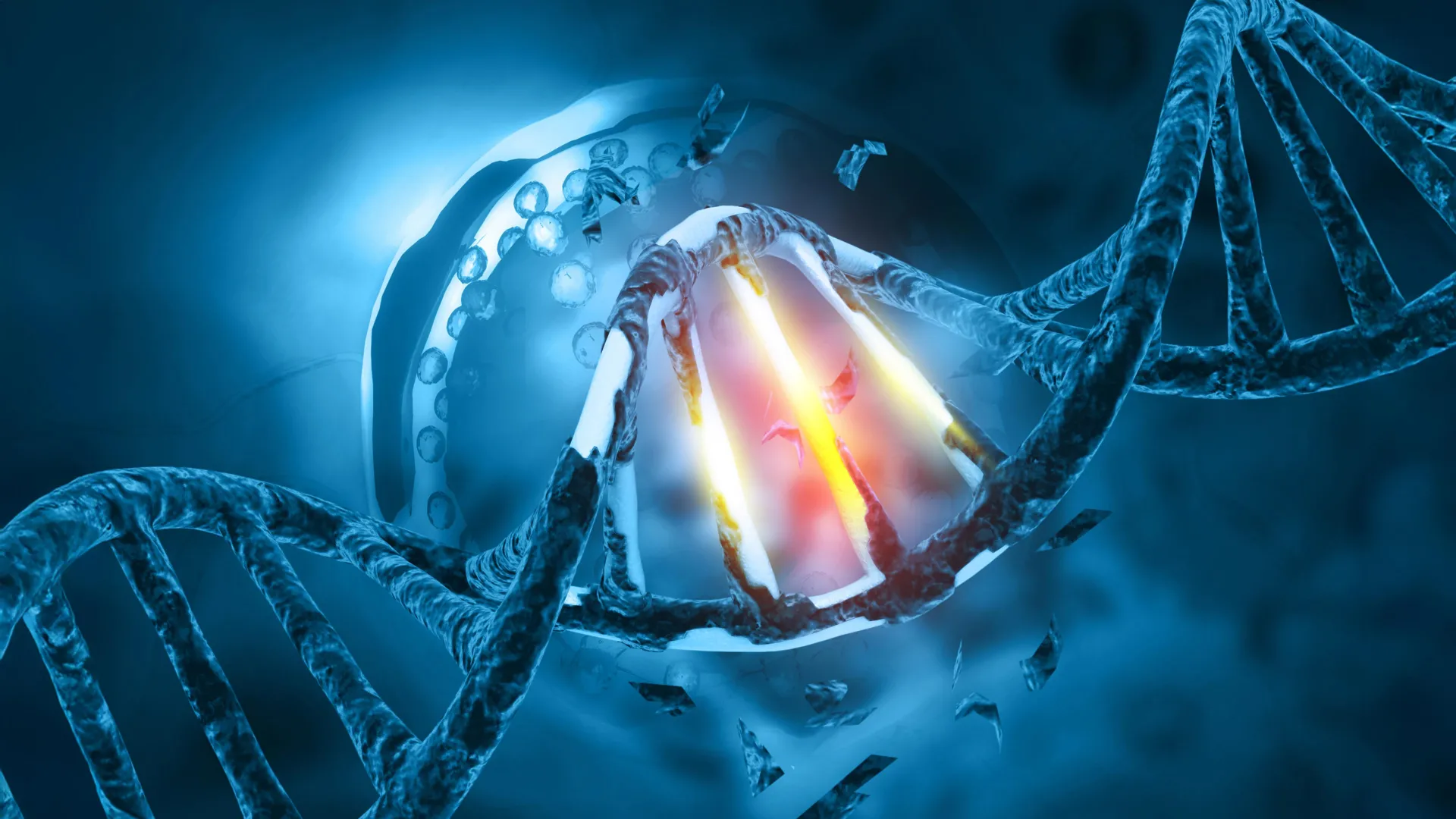
To understand the significance of this finding, one must first understand the role of EXO1 in healthy cellular function. Under normal conditions, EXO1 acts as a pair of "molecular scissors." Its job is to trim and prune damaged segments of DNA, allowing for a clean repair process. It is a vital component of the cellular maintenance toolkit.
However, the team at Penn State, led by George-Lucian Moldovan, a professor of molecular and precision medicine, found that when EXO1 is overexpressed, these scissors become indiscriminate. Instead of repairing damaged genetic material, the protein begins cutting through DNA structures that are perfectly healthy. This results in the erosion of the genome, the creation of toxic lesions, and the accumulation of double-strand breaks—the very conditions that drive cancer progression.
Chronology of a Discovery
The journey to this discovery began with a comprehensive analysis of the National Cancer Institute’s The Cancer Genome Atlas. By examining tumor data across a spectrum of malignancies, the researchers identified a consistent pattern: EXO1 was significantly overexpressed in 20% to 30% of breast and ovarian cancers. Furthermore, this overexpression was present in melanoma, testicular, cervical, and hepatobiliary cancers (including liver, gall bladder, and bile duct tumors).
Once the correlation was established, the team moved to the laboratory to observe the mechanisms at play. Using human cancer cells, they artificially induced higher levels of EXO1. To ensure that the observed damage was the result of the protein’s enzymatic activity rather than its sheer presence, they created a "disabled" version of the protein—one that occupied space in the cell but lacked the ability to cut DNA. The results confirmed their hypothesis: the DNA damage was strictly linked to the hyperactive enzymatic "scissors" of the functional EXO1 protein.
The BRCA-Mimicry Phenomenon
Perhaps the most striking discovery of the study is the way EXO1-overexpressing cells mirror the behavior of cells with BRCA mutations. The BRCA1 and BRCA2 genes are household names in oncology, known for their role in hereditary breast and ovarian cancers. When these genes are mutated, the cell loses the ability to repair DNA correctly, leading to a specific vulnerability that doctors have learned to exploit with targeted therapies.
The Penn State researchers found that EXO1 overexpression essentially creates a "BRCA-like" state. Even in the absence of any BRCA mutations, high levels of EXO1 overwhelm the cell’s protective mechanisms. The protein works in tandem with another molecule, MRE11, to expand DNA gaps and generate the same type of structural instability seen in hereditary cancer syndromes.
"Mechanistically, this overexpression does exactly what the loss of the BRCA pathway does in BRCA-mutant tumor cells," Dr. Moldovan explained. However, he noted a critical distinction: unlike BRCA mutations, which are often inherited and drive the initial onset of cancer, it is not yet known if EXO1 overexpression is a primary cause of cancer or a secondary consequence of tumor evolution.
Supporting Data and Molecular Mechanisms
The study provided granular detail on how exactly EXO1 destabilizes the genome. According to lead author Alexandra Nusawardhana, who conducted this research as part of her doctoral studies, the protein attacks the cell during its most vulnerable phase: DNA replication.
"EXO1 overexpression leads to the generation and accumulation of toxic lesions in DNA," Nusawardhana noted. The protein facilitates this through two primary pathways:
- Expansion of single-stranded DNA gaps: EXO1 degrades the stretches of DNA that are currently being copied, creating dangerous voids.
- Degradation of reversed replication forks: As the cell’s replication machinery hits an obstacle, it often reverses direction to preserve the DNA. Excess EXO1 cuts these reversed forks, causing the cell to lose critical genetic material.
These processes ensure that the cancer cells remain under constant stress, which, paradoxically, may be the very trait that makes them susceptible to specific medical interventions.
Official Responses and Expert Perspective
The findings have been met with excitement from the medical community, as they offer a potential "shortcut" to more personalized cancer care. By identifying EXO1 as a biomarker, clinicians may be able to categorize patients who are eligible for therapies that were previously considered "off-limits" for them.
"EXO1 doesn’t predict cancer risk, but it could potentially serve as a biomarker to help predict which patients are more likely to respond to certain chemotherapy treatments," said Dr. Moldovan. He emphasizes that this is a shift away from "organ-based" medicine toward "mutation-based" medicine. "We shouldn’t treat cancers based on what tissue they come from but based on the landscape of the genetic mutations present in the tumors. That would result in high-efficiency treatment. That’s the future of cancer treatment."
Implications for Future Cancer Treatment
The clinical potential of this research is substantial, particularly regarding the use of PARP inhibitors like olaparib. Currently, olaparib is the gold standard for treating BRCA-mutant cancers. Because EXO1-overexpressing tumors exhibit similar repair-pathway defects, the researchers tested the drug against these cells and found them to be highly sensitive.
This opens the door to expanding the use of these drugs to a much wider patient population—those who do not carry the BRCA mutation but whose tumors mimic its genetic profile. Furthermore, the team investigated the use of cisplatin, a conventional chemotherapy drug. Their data suggests that patients with high EXO1 levels might achieve the same, or even better, tumor shrinkage with lower doses of cisplatin, which would significantly reduce the toxic side effects that patients typically endure during treatment.
Conclusion: A New Frontier in Precision Medicine
The research, supported by the National Institutes of Health and the Four Diamonds fund, serves as a poignant reminder that biology is rarely black and white. In the complex world of the human genome, "more" is not always "better," and "repair" can quickly devolve into "destruction" if the cellular environment is not carefully balanced.
As the team at Penn State prepares to move this research toward clinical trials, the medical world watches with anticipation. If validated in humans, the use of EXO1 as a biomarker could fundamentally change the treatment landscape for basal-like breast cancer, melanoma, and several other aggressive malignancies. By identifying these "BRCA-like" tumors that lack the actual mutation, doctors may soon be able to provide safer, more targeted, and more effective therapies, moving closer to the ultimate goal of precision oncology: the right treatment for the right patient, based on the unique genetic signature of their disease.
The work of Dr. Moldovan, Dr. Nusawardhana, and their colleague Claudia Nicolae highlights that the next great breakthrough in cancer treatment might not come from finding a new drug, but from better understanding the paradoxical behaviors of the proteins already residing within our cells.