







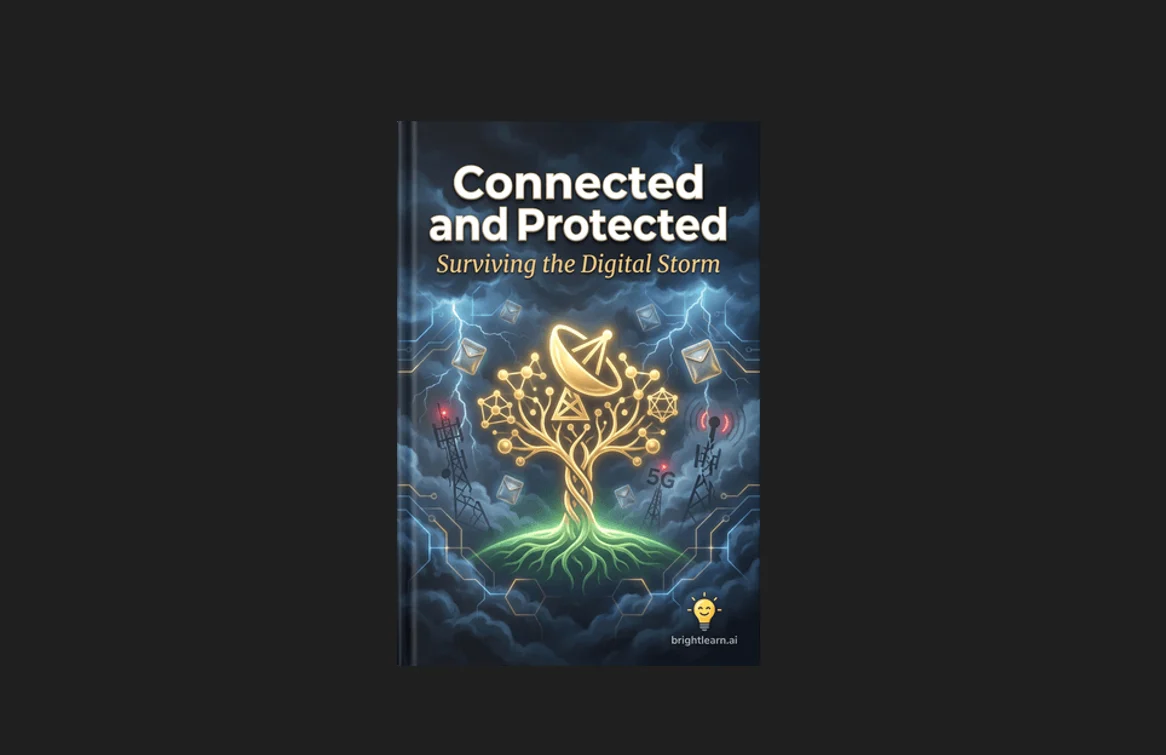
In the modern era, we are tethered to a digital umbilical cord. We carry pocket-sized devices that promise total connectivity, instantaneous information, and the comfort of a global community. Yet, beneath this veneer of convenience lies a sobering reality: we have traded our personal sovereignty for a system that is fundamentally brittle, profoundly invasive, and increasingly susceptible to catastrophic failure.
Mike Adams and the research team behind the new survival manual, Connected and Protected: Surviving the Digital Storm, argue that we are living in a period of "magnificent illusions." Their work serves as a tactical manifesto for those seeking to reclaim their autonomy in an age where the infrastructure of daily life—the power grid, the internet, and cellular networks—is standing on a knife’s edge.
The Illusion of Infrastructure Stability
The modern narrative of technological advancement suggests that the grid is infallible. However, historical data paints a much bleaker picture. The fragility of our systems is not a hypothetical scenario; it is a recurring event.
A Chronology of Systemic Failure
To understand the necessity of Connected and Protected, one must look at the timeline of infrastructure vulnerability:
- 2003 (The Northeast Blackout): A single sagging power line in Ohio initiated a cascade failure that left 55 million people in total darkness, paralyzing the most technologically advanced nation on Earth.
- 2017 (Hurricane Maria): The total destruction of Puerto Rico’s communication infrastructure left an entire territory in a "communication black hole" for weeks, demonstrating how quickly modern society can revert to the pre-digital age when the grid collapses.
- 2021 (Colonial Pipeline Cyberattack): A ransomware attack on a single entity caused immediate, widespread fuel shortages across the East Coast, highlighting the vulnerability of the "Just-in-Time" supply chain.
The authors note that the smartphone, which many view as an extension of their own agency, is essentially a tether. Its utility is entirely dependent on a network of cell towers, which in turn rely on a centralized power grid. When the power grid fails—whether due to a solar flare, a tree branch, or a malicious cyberattack—the "connected" individual instantly becomes the most isolated.
The Surveillance State: Privacy as an Act of Resistance
Beyond the physical vulnerability of the grid lies the encroaching shadow of digital surveillance. The book provides a damning indictment of the modern digital landscape, where every interaction is logged, indexed, and monetized.
Data Harvesting and Geofencing
The surveillance described in Connected and Protected is not merely theoretical. The authors cite the rise of "geofencing warrants," a practice where law enforcement agencies request location data from tech giants for every device present in a specific area during a specific timeframe. This effectively turns every citizen into a potential suspect, regardless of their actions.
Furthermore, the book highlights the weaponization of personal data in social and domestic spheres. From protesters being tracked via their digital footprints to domestic violence survivors being stalked through shared account settings, the authors argue that privacy is no longer a luxury—it is a prerequisite for human safety. "Privacy," the authors write, "is not about hiding something illegal. It is about protecting everyone from the unaccountable power of institutions."
The Hidden Health Crisis: The EMF Debate
Perhaps the most controversial and essential contribution of this work is its deep dive into the electromagnetic field (EMF) crisis. While many preparedness guides focus exclusively on physical survival, Connected and Protected addresses the physiological toll of constant connectivity.
The Biological Impact of Non-Ionizing Radiation
Drawing upon the research of experts like Dr. Joseph Mercola and Dr. Martin Pall, the book explains the mechanism through which non-ionizing radiation from mobile devices and Wi-Fi networks affects the human body. The authors posit that this radiation impacts voltage-gated calcium channels in our cells, leading to increased levels of oxidative stress.
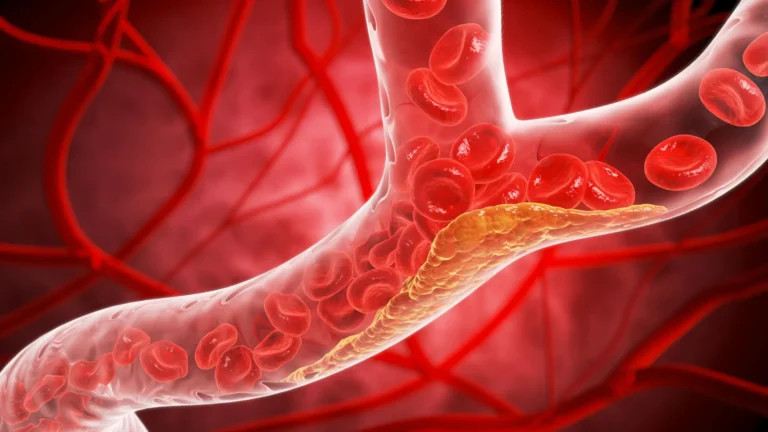
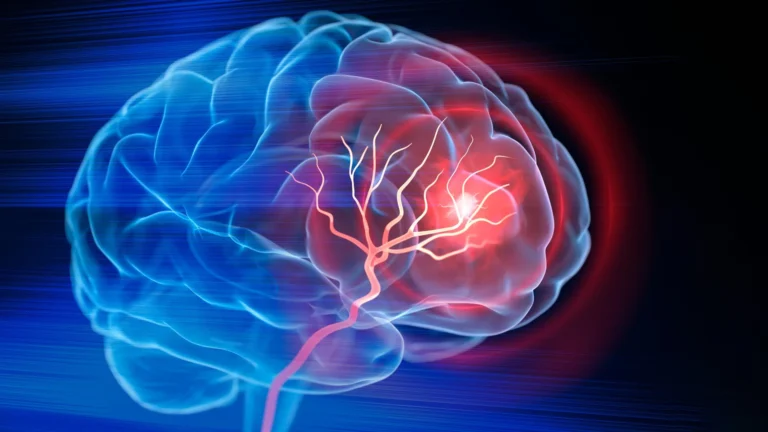
This, they argue, is not a benign side effect of progress. It is a driver of chronic health issues, including neurological disorders, heart disease, and an increased risk of cancer. The authors place a particular emphasis on the vulnerability of children, whose physiological development is being subjected to an unprecedented level of exposure throughout their formative years. The manual provides actionable advice to mitigate these risks, including the use of Faraday bags to neutralize device emissions and grounding techniques to discharge accumulated environmental stress.
Satellite Communication: Reclaiming Autonomy
If the grid is the cage, satellite communication is the key. Connected and Protected makes a compelling case for the transition from centralized cellular networks to decentralized satellite communication.
The Case for Personal Sovereignty
The book categorizes satellite phones not as luxury items for explorers, but as essential tools for the modern citizen. By comparing the major networks—Iridium, Globalstar, and Inmarsat—the authors highlight why the Iridium network, with its 66 low-earth-orbit satellites, provides the most robust global coverage.
The strategic advantage of a satellite phone is clear: it acts as a "personal cell tower." Because it bypasses the terrestrial grid, it cannot be easily hacked, taken down by a local power failure, or throttled by a central provider. In the eyes of the authors, this represents a fundamental shift in power dynamics, moving the user from a dependent participant in a corporate ecosystem to an independent operator.
A Multi-Layered Strategy for Survival
The authors reject the "silver bullet" approach. Instead, they advocate for a multi-layered defense strategy designed to ensure that no single point of failure can render an individual helpless.
The Six-Pillar Framework
- Digital Hygiene: Minimizing the digital footprint through encrypted communications and strict app management.
- Physical Shielding: Utilizing Faraday technology to protect critical electronics from EMP events and unauthorized tracking.
- Communication Independence: Investing in satellite-based systems that function off-grid.
- Energy Resilience: Implementing personal solar power and battery storage systems to maintain operation during grid-down events.
- Resource Stockpiling: Maintaining fundamental supplies of food, water, and medical necessities.
- Simulation Testing: Conducting regular, 72-hour "grid-down" drills to identify gaps in personal preparedness.
This framework is supported by a 30-day action plan that guides the reader from basic vulnerability assessment to the implementation of a fully realized survival strategy.
Official Responses and Expert Perspectives
While mainstream media and technology companies continue to promote the virtues of an increasingly connected, "smart" world, the perspective offered by Adams and his team provides a necessary counter-balance. Industry experts, particularly those in cybersecurity, have long warned that our reliance on interconnected systems has outpaced our ability to secure them.
While there has been no formal "official" government response to the philosophy of Connected and Protected, the rise in cyber-security initiatives from entities like CISA (Cybersecurity and Infrastructure Security Agency) tacitly acknowledges that the threats identified in the book—ransomware, grid instability, and data breaches—are very real. The difference lies in the proposed solution: the government advocates for increased regulation and centralized security, while Connected and Protected advocates for individual responsibility and decentralization.
Implications for the Future
The implications of the "digital storm" are profound. We are approaching a threshold where the cost of convenience—our data, our health, and our freedom—will far outweigh the benefits. As economic instability, geopolitical tension, and natural disasters continue to test the limits of our infrastructure, the ability to operate independently will become the defining characteristic of survival.
Connected and Protected is a call to action that refuses to succumb to fatalism. It does not suggest that we should retreat to the woods and abandon all technology; rather, it proposes a new, enlightened relationship with the tools we use. It suggests that we should use technology on our own terms, with an awareness of the risks, and with the necessary safeguards in place to ensure that when the lights go out, we are not left in the dark.
For those interested in exploring these concepts further, the Health Ranger, Mike Adams, offers a wealth of additional resources, including interviews on the future of AI, Starlink, and grid-down emergencies, available on Brighteon.com.
In the end, the message is clear: The digital storm is gathering. The systems you rely on are fragile. The choice to build your own resilience is yours, and the time to make that choice is now. Whether through a satellite phone, a Faraday bag, or simply a shift in mindset, the path to independence begins with the decision to step out of the illusion and into the reality of a self-reliant life.