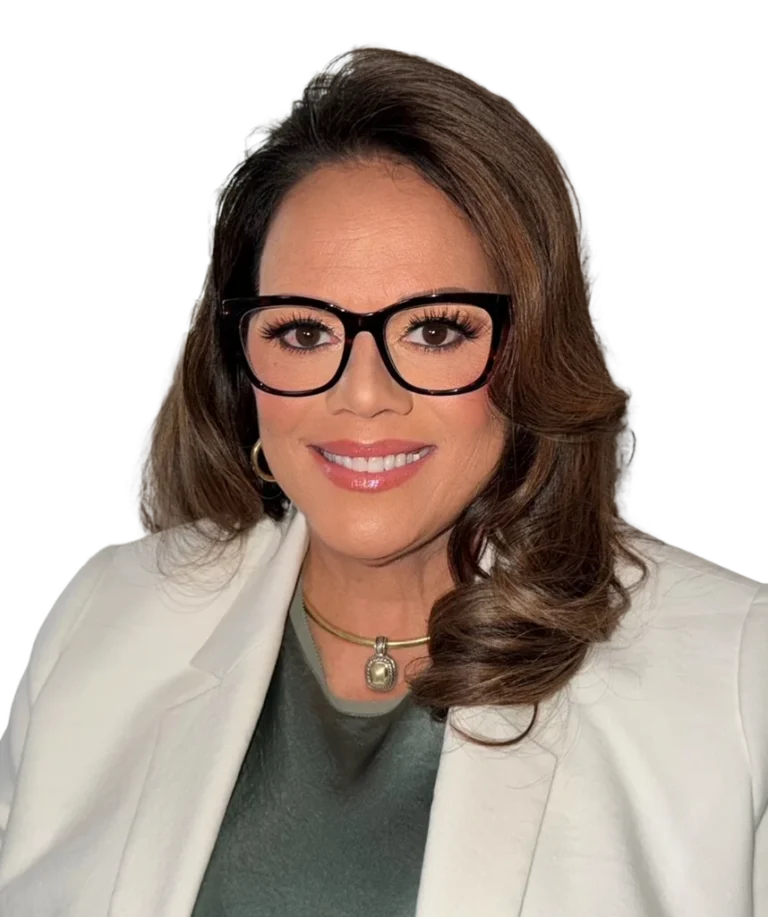












The recent, unsettling reports regarding the alleged abduction of 84-year-old Nancy Guthrie—the mother of prominent television host Savannah Guthrie—have sent shockwaves through the public consciousness. While the details of such a high-profile case naturally command attention, for the millions of individuals navigating the "Sandwich Generation"—those balancing the care of aging parents while managing their own families and careers—the story serves as a stark, urgent reminder of the vulnerabilities faced by older adults living alone.
In the latest episode of the "Caregiving Club On Air" podcast, host Sherri Snelling, a noted gerontologist and author, moves beyond the sensationalism of the news cycle to address the core issue: how we can proactively ensure the safety, health, and independence of our aging loved ones. By consulting with leading experts in geriatric nursing and AgeTech, Snelling provides a roadmap for families to turn these frightening headlines into actionable safety strategies.

The Anatomy of Risk: Why Safety is a Multi-Faceted Challenge
When we discuss the safety of an older adult living independently, we often default to physical security. However, as Dr. Tina Sadarangani, Assistant Professor at NYU and creator of the Enlightened Caregiver platform, explains, the risks are far more complex.
"When an older adult is placed in a high-stress, potentially traumatic situation, their physiology reacts differently than that of a younger person," says Dr. Sadarangani. She highlights that the physiological "stress load" can trigger a cascade of health issues:

- Cardiovascular Strain: Increased heart rate and blood pressure, which can be particularly dangerous for those with pre-existing conditions or implanted devices like pacemakers.
- Cognitive and Emotional Impact: Acute anxiety can exacerbate confusion, leading to compromised decision-making during crises.
- Physical Resilience: Issues like dehydration, electrolyte imbalance, and pre-existing mobility challenges can rapidly deteriorate in a stressful environment.
The challenge for the Sandwich Generation is to address these risks without infringing on the dignity and autonomy of their loved ones. The goal is not to "cage" our elders, but to create a "safety net" that remains largely invisible until it is needed.
The Role of AgeTech in Modern Caregiving
The Nancy Guthrie case has brought the utility of personal technology into the spotlight. Reports indicate that Guthrie utilized an Apple Watch to synchronize with her pacemaker, along with Google Nest surveillance cameras and a smartphone. These tools are no longer just "gadgets"; they are critical lifelines.

Abbie Richie, a renowned Tech Guru for The Smarter Service, emphasizes that we are living in the golden age of AgeTech. "The technology that Nancy Guthrie used is a perfect example of how the internet of things (IoT) can protect our most vulnerable," Richie notes. "However, the technology is only as good as the family’s ability to implement it and the senior’s willingness to use it."
Essential AgeTech Categories:
- Wearables: Devices like the Apple Watch or specialized medical alerts that monitor heart rate, fall detection, and GPS location.
- Environmental Monitoring: Smart home cameras, motion sensors, and smart doorbells that provide caregivers with peace of mind without requiring a constant physical presence.
- Communication Hubs: Simplified tablets or voice-activated devices that allow seniors to reach out for help with a single command.
Bridging the Gap: Overcoming Privacy and Resistance
One of the most significant barriers to implementing AgeTech is the pushback from older adults who fear a loss of privacy or a "surveillance state" in their own homes.

Richie suggests a collaborative approach: "Don’t present these devices as ‘tracking tools.’ Present them as ‘independence enablers.’ Explain that the goal is to ensure they can stay in their own home for as long as possible, and that these tools are the bridge that makes that stay safe."
Families should focus on the "why" rather than the "how." By framing the conversation around the shared desire for the senior to remain in their beloved home, the resistance to cameras or sensors often diminishes significantly.

Lessons for the Sandwich Generation: Starting the Conversation
How do you discuss potential abduction, health emergencies, or home security with a parent without causing unnecessary anxiety? Sherri Snelling advocates for using current events as a "teachable moment."
"It is entirely appropriate to say, ‘I saw this news story, and it made me think about you. I want to make sure we have a plan in place so that I can sleep better at night knowing you’re safe,’" says Snelling. By framing the conversation through the lens of the caregiver’s peace of mind, the older adult often feels less like they are being scolded and more like they are participating in a mutual safety strategy.

Save the Date: CareCon 2026
The conversation on safety, health, and caregiver well-being continues at CareCon 2026. On Wednesday, February 25, Sherri Snelling will host a featured workshop titled, "Managing Anxiety and Protecting Your Well-Being as a Caregiver."
Founded by Lauren Miller Rogen and Seth Rogen through their Hilarity for Charity (HFC) initiative, CareCon is the premier virtual event for dementia and aging care support. This free, day-long event offers celebrity panels, expert-led workshops, and a community of support for those who often feel isolated in their caregiving journey. Register now at bit.ly/carecon2026 to participate in this life-changing experience.

Expanding the Support Network
The "Caregiving Club" is committed to providing ongoing resources to help families navigate the complexities of aging. Recognizing that caregiving is a 24/7 reality, they have transitioned their Caregiver Wellness News and Well Home Design News to a dedicated YouTube channel.
Subscribers can expect bi-weekly updates covering:

- Latest Research: New findings in gerontology and brain health.
- Practical Resources: Where to find respite care, legal aid, and financial planning assistance.
- Self-Care Solutions: A library of "7-Minute" videos designed to help caregivers manage stress, practice mindfulness, and improve their own physical health—especially vital during Heart Health Month.
Official Resources for Families:
- Eldercare Locator: A public service of the U.S. Administration on Aging, providing access to local community assistance. Call 1-800-677-1116.
- CareMobi App: Developed by Dr. Tina Sadarangani, this tool helps streamline care coordination for the modern family.
- The Smarter Service: Expert tech support tailored specifically for seniors and their families.
Conclusion: A Proactive Future
The Nancy Guthrie case is an anomaly in terms of its publicity, but the underlying fears—the vulnerability of living alone, the potential for medical crisis, and the anxiety of the adult children—are universal. By integrating thoughtful technology, fostering open communication, and prioritizing the caregiver’s own mental health, families can transform their approach to aging.
We cannot control every variable in our loved ones’ lives, but we can build a foundation of safety that empowers them to live with dignity. As Sherri Snelling and her team at the Caregiving Club continue to emphasize, the most powerful tool in any caregiver’s kit is not just the latest device, but the connection and foresight they share with those they love.

For those looking to deepen their understanding, the full library of "Self-Care in 7 Minutes" videos and the latest episodes of the "Caregiving Club On Air" podcast—which recently ranked #3 among the top 80 caregiving podcasts—are available on the Caregiving Club YouTube Channel.
Stay informed, stay connected, and most importantly, stay proactive. Your peace of mind is not just a luxury—it is a necessity for the long road of caregiving.