








For years, the diagnostic landscape for patients suffering from chronic lightheadedness, debilitating fatigue, brain fog, and exercise intolerance has been dominated by a single, rigid threshold: the 30-beat-per-minute (bpm) increase. For those who fit the clinical picture of Postural Orthostatic Tachycardia Syndrome (POTS) but fall just short of this heart-rate criterion—perhaps recording a 28 bpm jump instead of the required 30—the result has often been medical dismissal.
However, a landmark consensus paper released in late 2026 is poised to dismantle this barrier. Representing a global collaboration of 40 experts across seven countries, this initiative signals a pivotal shift in how the medical community identifies and treats a subset of patients previously left in a diagnostic limbo: those with "non-POTS dysautonomia."
The Diagnostic Dilemma: When Symptoms Outpace Criteria
To understand the gravity of this shift, one must first understand the current clinical process. A patient presents to their general practitioner with a cluster of autonomic symptoms: palpitations, headaches, near-fainting upon standing, and cognitive impairment. If the physician is well-versed in autonomic disorders, they order a tilt-table test.
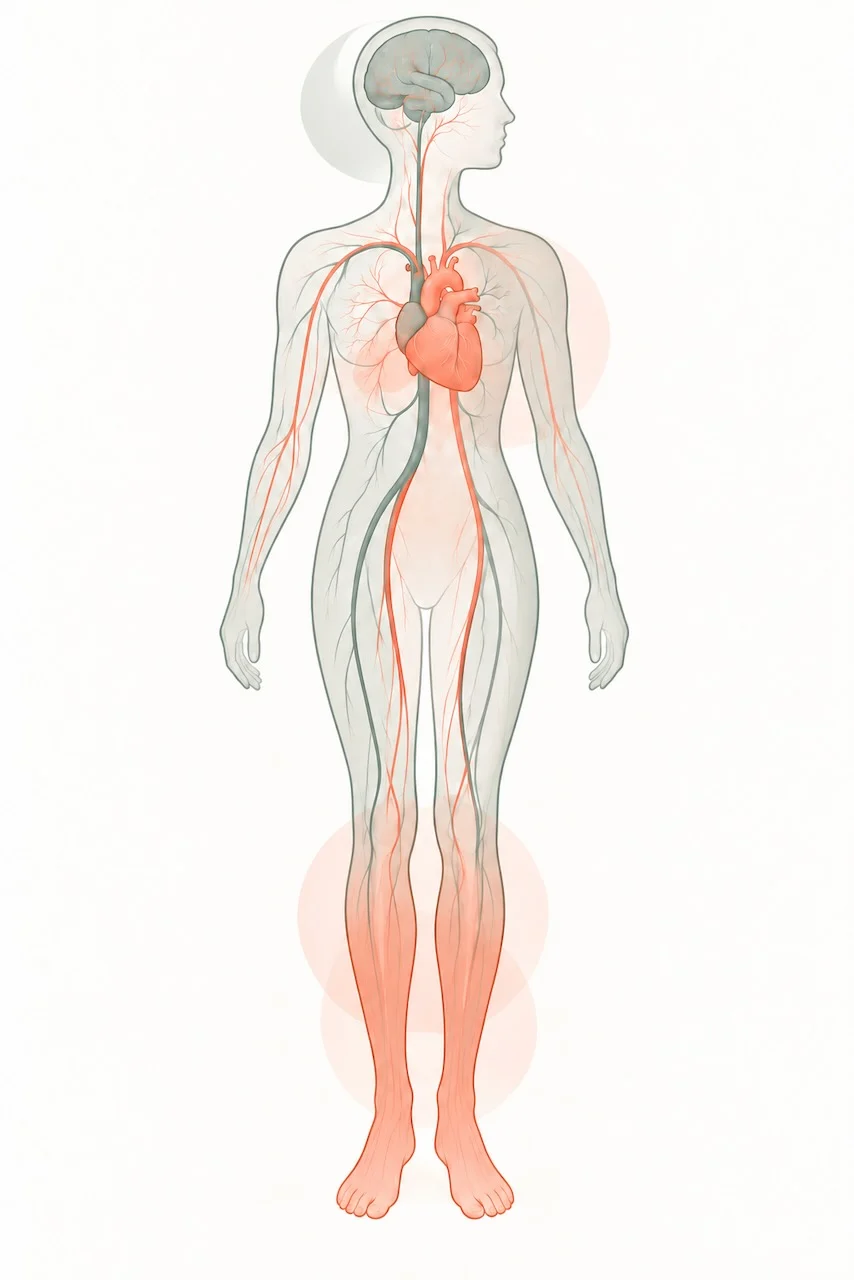
During this procedure, the physiological evidence often screams "dysautonomia." The patient may exhibit preload insufficiency—a failure of the body to return sufficient blood to the heart—or reduced end-tidal CO2, a common marker of autonomic dysregulation. In rare, specialized research settings, transcranial Doppler testing might even confirm a substantial drop in cerebral blood-flow velocity while the patient is upright.
Yet, despite this objective evidence of physiological dysfunction, the diagnosis is frequently denied. If the patient’s heart rate fails to meet the strict numerical threshold required by clinical guidelines, the conversation often ends. For the patient, this isn’t merely a failure of paperwork; it is a denial of access to essential treatments, insurance coverage, and workplace or educational accommodations.
Chronology of a Medical Paradigm Shift
The movement to address this diagnostic gap did not happen overnight. It is the culmination of years of advocacy from patient groups and clinical observation by autonomic specialists.
- The Observation Phase (2020–2024): Neurologists and cardiologists increasingly began reporting that their most symptomatic patients often sat just below the diagnostic cutoff for POTS. These patients showed identical biomarkers, such as reduced cerebral perfusion, yet were technically excluded from the POTS category.
- The Multidisciplinary Collaboration (2025): Recognizing that "non-POTS" patients were being excluded from clinical trials and research registries, a global panel was assembled. This group included neurologists, cardiologists, pediatricians, and, crucially, patient advocacy representatives.
- The Consensus Process (Early 2026): The panel conducted a rigorous, multi-stage voting process. They reviewed 31 distinct clinical statements, ranging from the necessity of new terminology to the validation of functional impairment in the absence of tachycardia.
- The Consensus Publication (October 2026): The resulting paper provided a formal framework for acknowledging this patient population, moving the conversation from anecdotal observation to documented, expert-backed consensus.
Supporting Data: The Case for Clinical Validity
The consensus paper is underscored by robust data that validates the suffering of those previously labeled as "non-POTS." The panel’s findings were not merely based on opinion; they were rooted in the shared experience of 40 international experts who analyzed the clinical reality of autonomic dysfunction.
The Power of Consensus
The strength of the findings lies in the unanimity of the panel. Consider the following results from the expert voting:
- 95% Agreement: The panel agreed that a formal recognition of "non-POTS dysautonomia" is necessary for patients who present with all the hallmarks of POTS but lack the specific heart-rate increase.
- 100% Agreement on Functional Impact: Every expert involved agreed that the functional impairment and reduced quality of life experienced by this group are indistinguishable from those who meet the strict POTS criteria.
- 100% Agreement on Accommodations: The experts reached total consensus that this patient group requires the same level of support—including medical leave, school accommodations, and ergonomic support—as traditional POTS patients.
The data suggests that the heart-rate criterion is a narrow window through which to view a much broader systemic issue. By focusing exclusively on tachycardia, clinicians have been missing the forest for the trees, ignoring the underlying hypoperfusion and autonomic failure that truly drives patient disability.
What Is "Non-POTS Dysautonomia"?
A critical distinction made by the expert panel is that "non-POTS dysautonomia" is not a new formal diagnostic code or a static disease entity. The authors are careful to avoid the trap of creating another rigid box that might eventually cause the same exclusionary problems as the current POTS criteria.
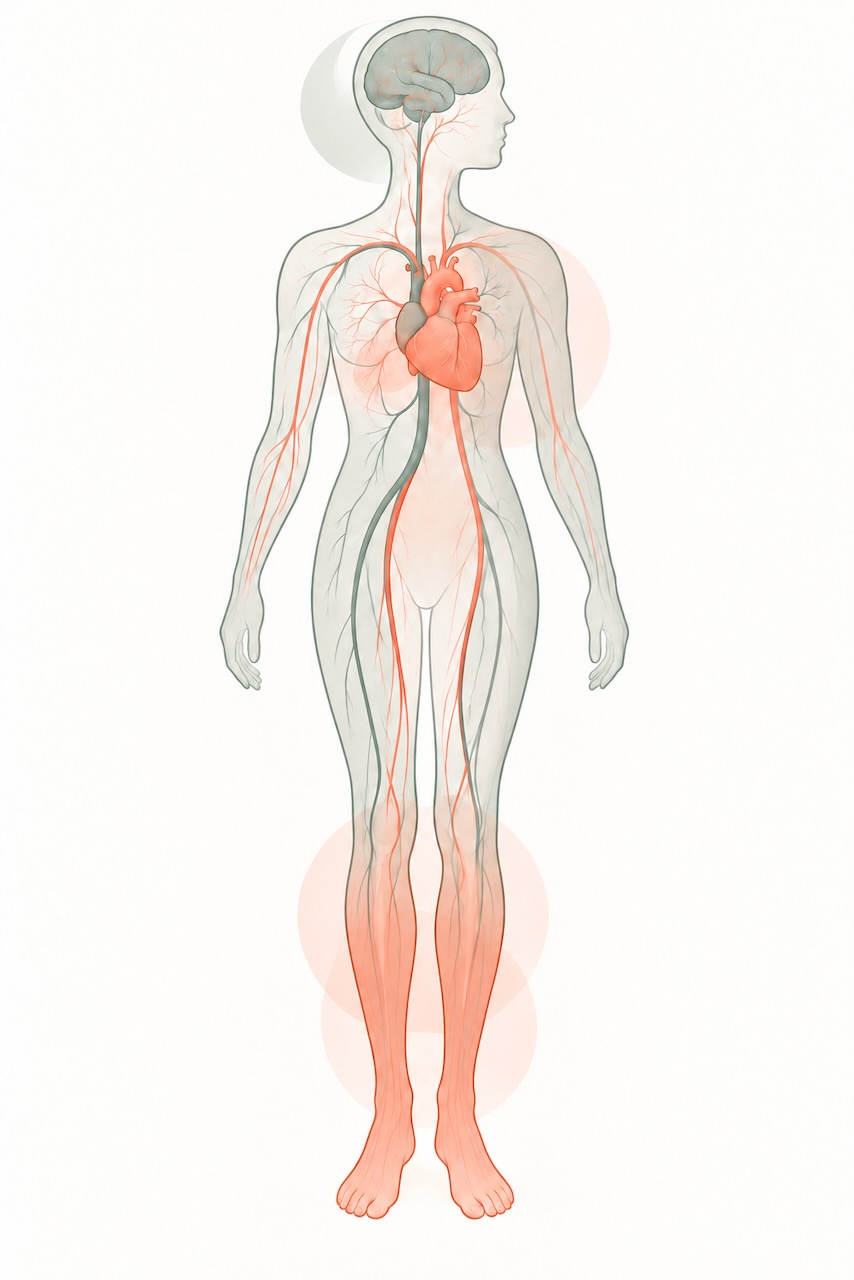
Instead, the term is a working label. It is a placeholder intended to facilitate research and clinical communication. The panel debated several potential future names to better classify these patients, including:
- Orthostatic Cerebral Hypoperfusion Syndrome (OCHOS): Highlighting the primary issue of blood flow to the brain.
- Hypocapnic Cerebral Hypoperfusion (HYCH): Focusing on the respiratory/autonomic link.
- Postural Symptoms without Tachycardia (PoSWoT): A descriptive term that removes the pressure of the heart-rate requirement.
- POTS Spectrum Disorder: A term suggesting that these conditions exist on a continuum rather than as binary "yes/no" diagnoses.
For the time being, the medical community is encouraged to use the "non-POTS" label simply as a bridge to ensure these patients receive the care they need while long-term diagnostic criteria are developed.
Implications for Patients and Physicians
The release of this consensus paper has immediate, practical implications for the doctor-patient relationship.
For Patients: The Power of Documentation
If you are a patient who has been told "you don’t have POTS" despite experiencing the symptoms of orthostatic intolerance, the landscape has changed. You are no longer being told that your symptoms don’t exist; you are now part of a medically recognized subset of dysautonomia.
Patients are encouraged to print the consensus paper and bring it to their primary care providers or specialists. When a doctor says, "Your heart rate didn’t go high enough," you now have a tool to say, "The latest expert consensus acknowledges that my symptoms and impairment are clinically significant regardless of that specific heart-rate threshold."
For Healthcare Providers: Broadening the Scope
The consensus is a call to action for the medical community to look beyond the heart-rate monitor. It encourages doctors to consider:
- Comprehensive Testing: Moving beyond the tilt-table test and considering broader autonomic assessments.
- Symptom-Based Treatment: If the patient is struggling with dizziness and fatigue, the treatment—such as compression garments, increased salt/fluid intake, or pharmacotherapy—should be based on the symptoms, not just the diagnosis.
- Validation: Acknowledging the patient’s disability is the first step in effective management. Dismissing symptoms due to a failure to meet a arbitrary numerical cutoff is no longer consistent with modern clinical consensus.
Future Directions: Where Do We Go From Here?
While this consensus is a triumph for patient advocacy, the authors of the paper emphasize that this is only the beginning. The criteria for POTS remain unchanged for now, but the door has been opened for:
- Biomarker Research: Moving toward blood tests or autonomic nervous system markers that can confirm dysfunction more reliably than a simple heart-rate measurement.
- Clearer Diagnostic Pathways: Establishing standardized clinical guidelines for those who fall into the "non-POTS" category to ensure they receive consistent care regardless of where they live.
- Educational Reform: Updating medical school curricula to ensure that the next generation of physicians understands the nuances of the autonomic nervous system, rather than relying on a "one-size-fits-all" approach to tachycardia.
Final Thoughts
For those who have lived in the shadows of "it’s all in your head" or "you don’t fit the criteria," the message from this global panel is clear: your experience is valid, your suffering is real, and the medical community is finally listening. The heart-rate cutoff is no longer a wall, but a starting point for a more inclusive, more compassionate, and more accurate approach to treating dysautonomia.
By prioritizing patient function over rigid numerical thresholds, we are moving toward a future where "not POTS" no longer means "no care."
Key Takeaways:
- Consensus Reached: 40 experts from 7 countries have validated the existence of "non-POTS dysautonomia."
- Functional Parity: There is 100% agreement that these patients experience the same level of disability as those with formal POTS diagnoses.
- Terminology: "Non-POTS dysautonomia" is a temporary working term, not a new, final diagnosis.
- Advocacy Tool: Patients are encouraged to use this consensus to advocate for their own care, access to medication, and workplace/school accommodations.
- The Goal: To encourage further research and ensure that no patient is denied help due to a rigid diagnostic threshold.