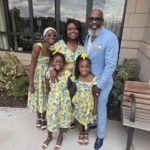




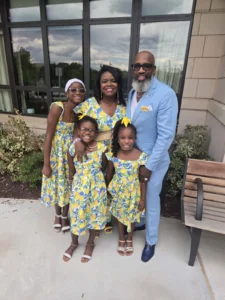

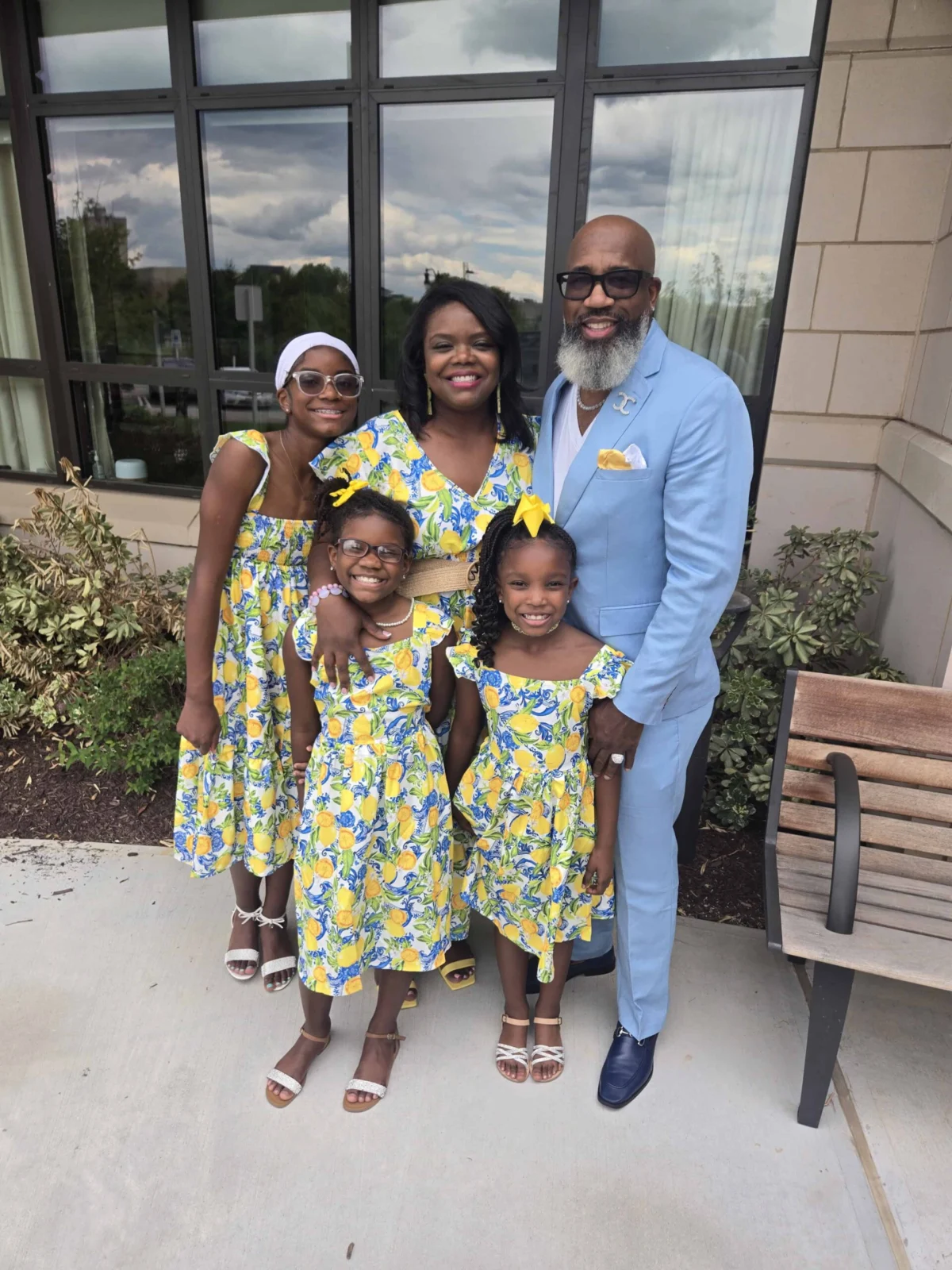
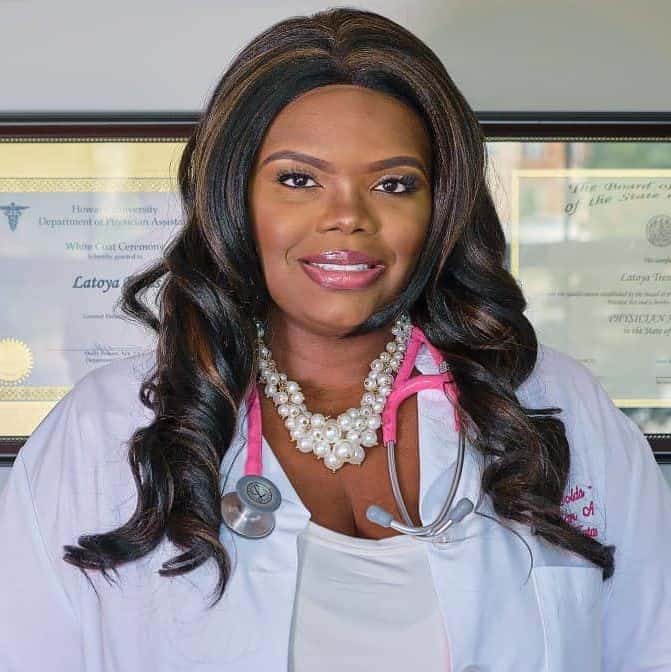
For most of her professional life, LaToya Bolds-Johnson stood on the familiar side of the stethoscope. As a seasoned physician assistant, she spent years guiding others through the complexities of the healthcare system. However, in July 2021, the landscape of her life shifted irrevocably. At 36, she moved from the role of caregiver to that of a patient, diagnosed with stage 3 triple-negative breast cancer (TNBC).
Her journey, which eventually led her to the frontier of immunotherapy and clinical research, serves as a profound case study for Breast Cancer Awareness Month. It highlights a critical intersection between personal advocacy and scientific advancement, illustrating why clinical trials are not merely a last resort, but a vital component of the modern medical ecosystem.
The Reality of a Complex Diagnosis
Breast cancer is not a singular entity; it is a heterogeneous collection of diseases, each requiring distinct approaches to treatment. Globally, it remains the most frequently diagnosed cancer among women. According to projections by the American Cancer Society, the United States expects approximately 321,910 new cases of invasive breast cancer in 2026.
Biological classification is key to survival. Clinicians categorize tumors based on the proteins they express. Hormone receptor-positive cancers rely on estrogen or progesterone to fuel their growth, while HER2-positive cancers are driven by the overexpression of the HER2 protein.
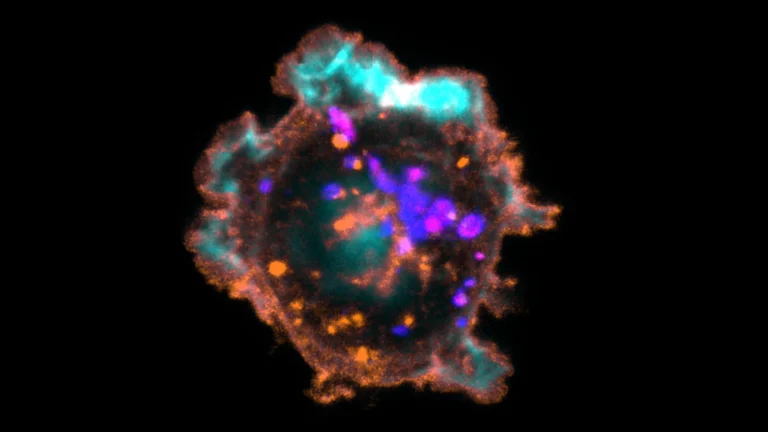
LaToya’s diagnosis, triple-negative breast cancer, represents a more aggressive subset. Lacking both hormone receptors and high levels of HER2, TNBC is notoriously difficult to treat because it does not respond to hormonal therapies or drugs that target the HER2 pathway. This classification necessitates aggressive standard treatments—often chemotherapy—but also makes patients like LaToya ideal candidates for the rapidly evolving field of immunotherapy. By using biomarker and genetic testing, researchers are learning how to prime the immune system to recognize and eliminate these elusive cancer cells.

A Chronology of Advocacy and Evolution
LaToya’s path from diagnosis to survivor and researcher was not linear. Following her July 2021 diagnosis, she was thrust into the daunting world of oncology. She recalls the initial shock of balancing the duties of a mother of three young daughters with the immediate, visceral demands of chemotherapy and clinical investigation.
By April 2023, LaToya had completed her treatment regimen, which included immunotherapy. However, her transition back into "normal" life was nuanced. She emphasizes that the cancer journey does not conclude the day treatment ends; it persists in the form of psychological vigilance, physical adjustments, and a renewed sense of purpose.
This sense of purpose propelled her back to her professional roots. Having experienced the clinical trial process firsthand, she pivoted her career, transitioning from a clinical practitioner to a clinical research sub-investigator. Today, she works on the other side of the trial, helping to bridge the gap between complex research protocols and the human beings they are designed to save. Furthermore, she authored the children’s book When Life Gives You Lemons, Make Pink Lemonade, helping her own daughters and families everywhere navigate the emotional terrain of a parent’s diagnosis.
Supporting Data: Why Trials Are the Engine of Progress
Clinical trials are the backbone of oncology. They are, in essence, the "medical trust fund" of society. For the individual patient, a trial may provide early access to cutting-edge therapies, such as checkpoint inhibitors, therapeutic cancer vaccines, or personalized cell and gene therapies that have not yet reached the broader market.
From a research perspective, trials provide the data necessary to answer fundamental questions:
- Safety and Efficacy: How does the body react to the intervention?
- Precision Medicine: Which biomarkers indicate that a patient will respond to a specific treatment?
- Synergy: Can we combine existing standards of care with new immune-based agents to create a more potent result?
Current research is exploring combinations of immunotherapy with traditional chemotherapy, radiation, and novel antibody-drug conjugates. By participating in these studies, patients are contributing to a cumulative knowledge base that refines care for every subsequent patient. The data collected from one participant can influence treatment protocols for thousands, effectively "moving the needle" on survival rates and quality of life.
Official Perspectives on Clinical Equity
A major barrier to progress in cancer research is the lack of diversity in clinical trial populations. Historically, trials have struggled to recruit participants who reflect the demographic reality of the disease. This is a critical issue, as biological differences—often rooted in ancestry and environmental factors—can influence how a drug is metabolized or how a patient responds to immunotherapy.
Advocates like LaToya are instrumental in changing this narrative. She argues that diversity in clinical research is a matter of both ethics and science. When clinical trial data fails to represent the full spectrum of the human population, the resulting treatments may be less effective for those underrepresented groups.
The medical community is responding. Institutions are increasingly prioritizing "clinical trial equity," working to demystify the process for marginalized communities and ensuring that recruitment occurs in community hospitals and local clinics, not just elite, high-cost research centers. By fostering trust and accessibility, researchers hope to ensure that the breakthroughs of tomorrow are available to everyone today.
Implications for the Patient: How to Navigate Your Care
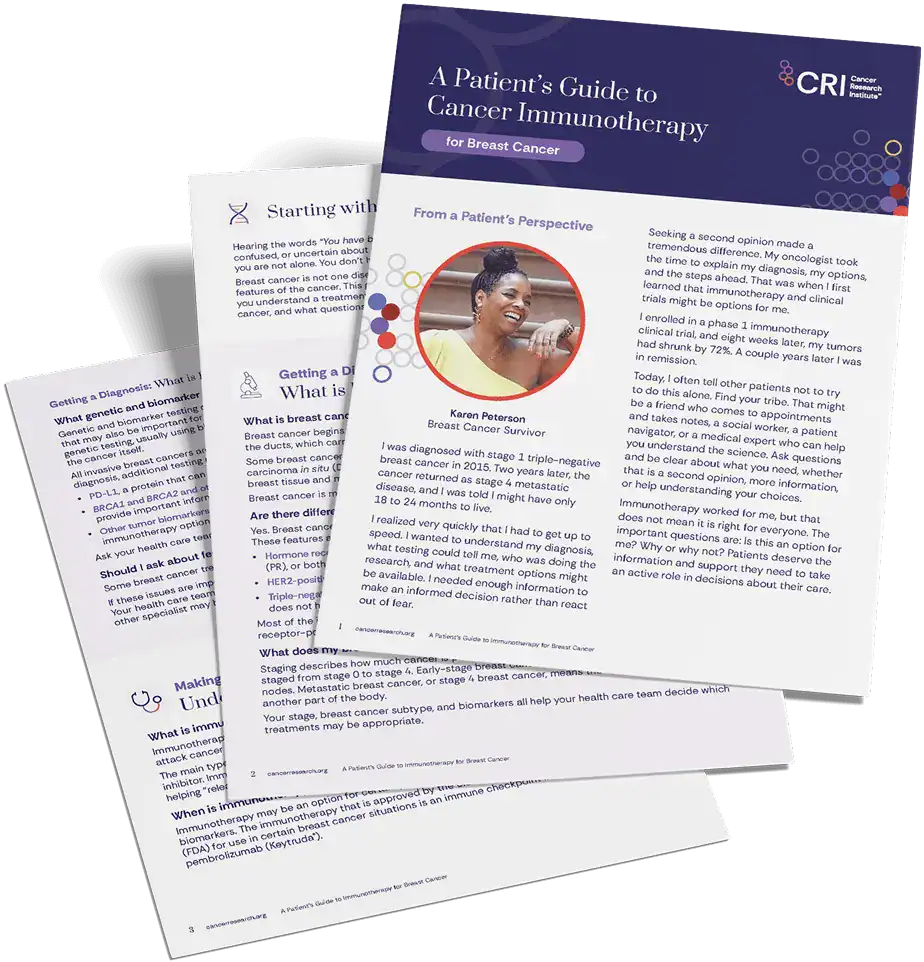
The most important takeaway from LaToya’s story is the power of self-advocacy. Patients should never feel like passive recipients of care. Instead, they should view themselves as active partners in their medical journey.
Essential Questions to Ask Your Oncology Team:
- "Are there any clinical trials currently open for my specific tumor profile?"
- "How would participating in this trial affect my current standard of care?"
- "What are the specific time and travel commitments required for this study?"
- "Are there any financial or logistical support programs for trial participants?"
Asking these questions does not signal a lack of trust in your doctor; rather, it indicates a commitment to exploring every available avenue. Many patients fear that trials are "last resorts" or that they will be treated with placebos. In the context of cancer research, placebos are rarely used, and when they are, they are typically paired with the current gold-standard treatment, ensuring that no patient is left without care.
Addressing Common Misconceptions
To demystify the process, it is helpful to look at the FAQ of clinical research:
- Safety: Every trial is governed by strict regulations, overseen by the FDA and Institutional Review Boards (IRBs). Participant safety is the primary endpoint of every protocol.
- Access: Many trials do not require you to switch providers. You can often maintain your primary relationship with your local oncologist while working with a research team for the specific trial intervention.
- Data Usage: You maintain control over your samples and data. You have the right to know how your information is being used and to grant or deny permission for its use in future, secondary research.
Conclusion: A Future Built on Collective Effort
LaToya Bolds-Johnson’s decision to participate in a clinical trial was driven by a mother’s foresight. By contributing her data and her experience, she is essentially investing in a future where her daughters—and the world—have more, and better, options.
Her transition from patient to advocate and researcher underscores a vital truth: the "war on cancer" is not won by breakthroughs alone, but by the courage of individuals who choose to contribute to the collective body of scientific knowledge. As we continue to advance our understanding of the immune system’s role in fighting breast cancer, the importance of clinical trials will only grow.
For those currently navigating a diagnosis, remember that knowledge is the most effective tool in your arsenal. Seek out clinical trial navigation resources, engage your medical team, and ask the difficult questions. Your participation is not just a treatment choice; it is an act of service to the generations that will follow. The path forward is being paved by those willing to explore the unknown, ensuring that when the next person is diagnosed, the options are clearer, the treatments are stronger, and the hope is more tangible than ever before.