









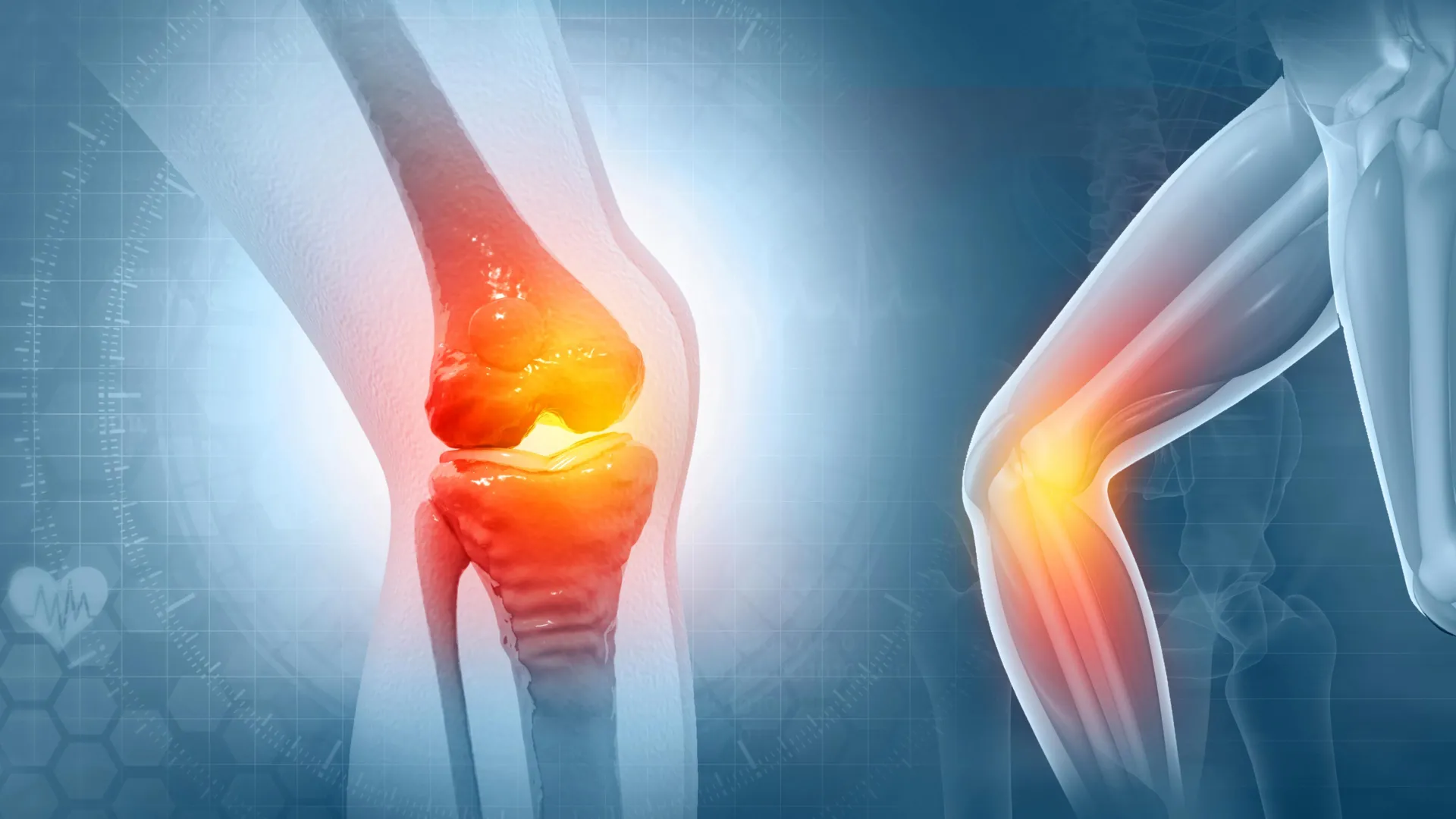
For thousands of young athletes and active individuals, an Anterior Cruciate Ligament (ACL) tear is viewed as a definitive "before and after" moment in their lives. The standard narrative suggests a linear path: injury, surgical reconstruction, intensive physical therapy, and a triumphant return to sport. However, for a staggering number of patients, this narrative is a myth. New, groundbreaking research from La Trobe University has illuminated a path forward for those trapped in the "limbo" of chronic post-surgical pain, offering a evidence-based lifeline that could redefine the standard of care for ACL recovery worldwide.
The Silent Crisis of Post-Surgical Recovery
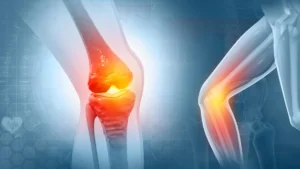
While surgical techniques for ACL reconstruction have advanced significantly over the past two decades, the long-term functional outcomes for patients remain sobering. Recent clinical data indicates that approximately 50% of patients report dissatisfaction with their knee health two years post-operation. Even more alarming is the trajectory toward degenerative joint disease; roughly half of all ACL-reconstructed patients show radiographic signs of early-onset knee osteoarthritis (OA) within a decade of their surgery—often before they reach the age of 40.
For a demographic that is typically in the prime of their physical life, this reality is devastating. It impacts the ability to work, perform routine daily tasks, and participate in social or recreational activities. Despite these high failure rates, clinical practice has been hampered by a persistent, outdated fear: the belief that loading an injured knee through progressive exercise might accelerate cartilage wear and exacerbate the very osteoarthritis that surgeons are trying to prevent.
The SUPER-Knee Trial: A Paradigm Shift
To challenge these clinical anxieties, researchers at the Sport and Exercise Medicine Research Centre at La Trobe University launched the "SUPER-Knee" clinical trial. This study represents the first rigorous attempt to evaluate the efficacy of a structured, supervised exercise and education program specifically for patients who are more than nine months post-ACL reconstruction—a period where medical support typically drops off, even as symptoms persist.
The trial enrolled 184 participants aged 18 to 40, all of whom were struggling with persistent knee symptoms between one and three years after their initial surgery. By isolating this specific window of recovery, the researchers aimed to address the "forgotten" patient population—those who have moved past the initial post-operative phase but have not returned to full functionality.
The participants were divided into two cohorts: one group engaged in a four-month, progressive exercise therapy program guided by a physical therapist, while the control group received only a single educational session. The results, recently published in the Annals of Internal Medicine, were conclusive: the supervised intervention group demonstrated significant, quantifiable improvements in knee health, muscle strength, pain reduction, and overall quality of life.
A Personal Account: The Reality of Life After the Tear
The cold data of the clinical trial finds a human face in people like Ruby Cumming. In 2019, at just 24 years old, Cumming was an avid Australian rules football player when she suffered an ACL tear. Like many, she approached her recovery with a "do-what-it-takes" mentality, undergoing reconstruction surgery within six weeks of the injury.
"I thought if I had the surgery and did the rehab I’d be able to get back to normal," Cumming reflects. "After surgery impacted my entire life—not just footy—I changed my outlook and decided I wanted to avoid re-injuring my knee ever again so haven’t played contact sport since."
Despite her dedication to physical therapy and a consistent exercise regimen, Cumming remained trapped in a cycle of chronic, daily pain for three to four years. Simple activities like commuting to work or living independently became exhausting hurdles. It was not until she enrolled in the SUPER-Knee trial that she saw a true shift.
"When I joined the SUPER-Knee program and did weekly physio-supervised rehab, this improved my pain significantly," she says. Her experience highlights a critical gap in the current healthcare system: patients are often left to navigate the long-term recovery phase alone, without the structure or professional guidance necessary to safely push their physical limits.
Addressing the Cartilage Myth
One of the most significant contributions of the SUPER-Knee trial is its dismantling of the "cartilage damage" myth. For years, clinicians and patients alike have operated under the assumption that exercise could be "too much" for a compromised knee joint, fearing it would trigger or accelerate the onset of osteoarthritis.
The trial’s findings provide a robust rebuttal to this concern. The researchers found no evidence that the four-month exercise program caused additional damage to knee cartilage or worsened the signs of osteoarthritis. On the contrary, the exercise-based approach strengthened the surrounding musculature, which in turn provided better stability for the knee joint, reducing the mechanical stress that often leads to pain.
Official Perspectives: Setting a New Global Standard
Associate Professor Adam Culvenor, the lead researcher on the study, believes the findings provide the "missing link" in modern orthopedic care. "Currently, we don’t have any high-quality evidence for what treatments should be offered to young people at risk of early-onset knee osteoarthritis," Dr. Culvenor noted. "Our SUPER-Knee study changes this, and addresses a globally recognized research priority."
For the medical community, this study serves as a call to action. The intervention is designed to be highly accessible; it requires minimal specialized equipment and does not necessitate extensive new training for physical therapists, making it a "plug-and-play" solution for clinics worldwide.
"Our study showed physiotherapist-supervised exercise therapy and education is safe and should be recommended to improve the knee health of young people at high risk of early-onset osteoarthritis following ACL reconstruction," says Dr. Culvenor. "The evidence generated by the SUPER-Knee trial can be used to update international clinical practice guidelines for rehabilitation following ACL reconstruction and could be a lifeline for young people struggling after serious knee injuries."
Implications for Future Clinical Practice
The findings of the SUPER-Knee trial have profound implications for how we view long-term injury recovery. Currently, the "end" of physical therapy is often marked by a return to basic mobility, but the La Trobe research suggests that the "true" rehabilitation—the kind that builds long-term resilience against osteoarthritis—should extend much further.
Key Takeaways for Clinicians and Patients:
- Extended Support is Essential: The post-surgical journey should not end at nine months. Targeted, supervised programs are vital for patients who have not achieved full satisfaction with their recovery.
- Exercise is Medicine, Not a Threat: The fear that movement causes joint degradation in post-ACL patients is largely unsupported by current evidence. Progressive, supervised loading is a safe and effective way to manage pain and improve joint health.
- Low Barrier to Implementation: Because the SUPER-Knee protocol utilizes standard physical therapy practices, it can be integrated into existing clinical services immediately without the need for high-cost technology or specialized staff training.
- A Proactive Stance on OA: While the study did not definitively prove that the program prevents osteoarthritis in the decades to follow, it clearly demonstrates that it improves current quality of life without accelerating damage—a massive win for a population currently left with few, if any, evidence-based options.
Conclusion: A More Resilient Future
The journey of the ACL-reconstructed patient is no longer destined to end in chronic pain or an inevitable march toward premature joint replacement. By shifting the focus from passive recovery to active, structured, and supervised strength training, the medical community can provide young adults with the tools they need to reclaim their lives.
As international clinical practice guidelines begin to catch up with this new evidence, the hope is that stories like Ruby Cumming’s will become the exception rather than the norm. With the support of organizations like Australia’s National Health and Medical Research Council, the research team at La Trobe has not only provided data but has also restored a sense of agency to patients who had been told that "learning to live with the pain" was their only option.
The SUPER-Knee trial is a testament to the power of high-quality research to challenge ingrained medical dogma. It is a reminder that in the world of sports medicine, the most effective tool for healing a joint is often the very thing we are most afraid to use: the body’s own potential for strength and adaptation. As this new approach gains traction, it promises a future where a serious knee injury is a hurdle to be overcome, not a lifelong sentence of limitation.