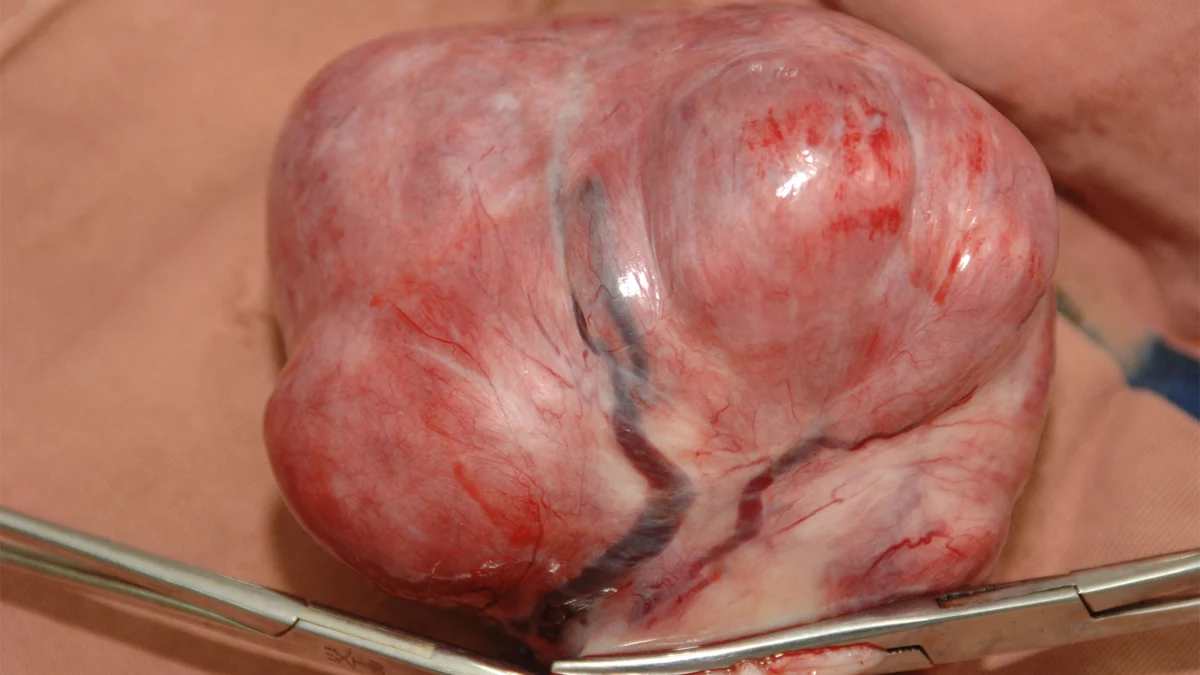
For millions of women of reproductive age, the diagnosis of uterine leiomyomas—commonly known as fibroids—represents more than just a medical condition; it is a life-altering challenge. Affecting an estimated 70% to 80% of women by the age of 50, these benign pelvic tumors can cause debilitating pain, heavy menstrual bleeding, and significant psychological distress. While hysterectomy has historically been the "gold standard" for definitive treatment, a growing movement in gynecology is prioritizing uterine-preserving techniques.
A significant new study published in Obstetrics & Gynecology provides much-needed clarity on the efficacy of two of the most popular minimally invasive, uterus-sparing options: laparoscopic radiofrequency ablation and myomectomy. The findings suggest that while both procedures offer life-changing results, the path to recovery and the nuances of symptom relief may differ, providing a clearer roadmap for shared decision-making between patients and surgeons.
The Main Facts: A Comparative Analysis of Two Procedures
The study, known as the prospective ULTRA (Uterine Leiomyoma Treatment with Radiofrequency Ablation) trial, sought to address a critical gap in medical literature. While both myomectomy and radiofrequency ablation are widely used, there has been a lack of robust, long-term, multicenter data comparing the two.
Understanding the Procedures
- Laparoscopic Myomectomy: This surgical procedure involves the physical removal of fibroids from the uterine wall. It is the traditional standard for those wishing to preserve the uterus. However, it is an invasive surgery that can result in uterine scarring, which often necessitates a cesarean section for any future pregnancies.
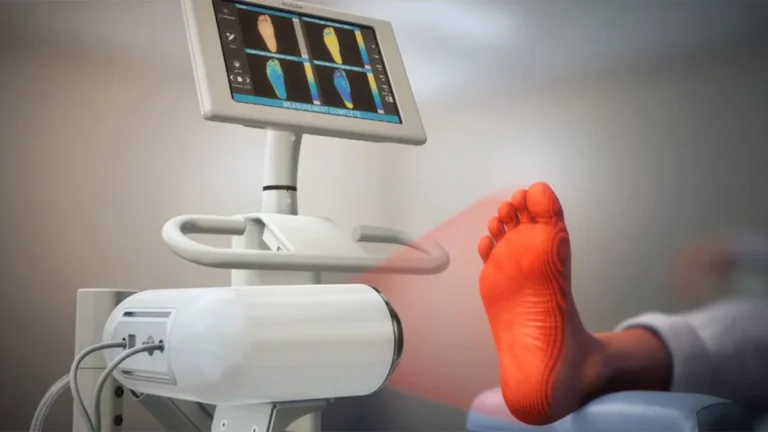
- Laparoscopic Radiofrequency Ablation: A newer, less-invasive technique, this procedure uses thermal energy to ablate the center of the fibroid. Over time, the fibroid shrinks, significantly reducing symptoms while leaving the uterine structure largely intact. This is often touted as a more favorable option for women who wish to avoid the long-term risks of cesarean delivery.
The study followed 401 premenopausal women across the United States. Researchers found that both cohorts experienced "significant and sustained improvements" in their quality of life and symptom severity over a 24-month period.
Chronology: How the ULTRA Study Unfolded
The ULTRA study began in 2014, spanning academic and community medical centers across the U.S. The goal was to track the longitudinal impact of these surgeries on patients who explicitly rejected hysterectomy.
Baseline to 6 Months
At the onset of the study, participants reported a high baseline of symptom burden. The cohort was racially diverse—53% Black, 20.2% white, 13.4% Hispanic, and 7.1% Asian—reflecting the epidemiology of a condition that disproportionately affects Black women, who often present with larger and more numerous fibroids at an earlier age.
At the 6-month follow-up mark, patients who underwent myomectomy reported slightly better improvements in symptom severity compared to the ablation group. However, the researchers noted that these early advantages were "modest."
24-Month Milestone
As the study progressed to the two-year mark, a fascinating trend emerged: the performance gap between the two procedures narrowed significantly. By 24 months, the statistical differences in patient-reported outcomes had essentially disappeared. Both groups reported high satisfaction rates, durable relief from heavy bleeding and pelvic pain, and a marked increase in overall health-related quality of life (HRQOL).
Supporting Data: Parsing the Numbers
While both procedures proved effective, the statistical nuances provide a deeper look at the patient experience.
In propensity-weighted models, the study reported:
- Symptom Severity: The myomectomy group saw a reduction in symptom scores of -33.0, compared to -27.7 in the radiofrequency ablation group.
- HRQOL Improvements: The myomectomy group scored an improvement of 34.92, while the ablation group scored 28.29.
The "Clinical Significance" Threshold:
Perhaps the most important takeaway from the data is the distinction between statistical significance and clinical significance. While the myomectomy group showed numerically superior scores, these differences fell well below the thresholds for "minimally clinically important changes" (10 points for symptoms and 20 points for HRQOL).
In layman’s terms, while a statistician might flag a difference in the numbers, the average patient would not feel a meaningful difference in their daily life between the two procedures after two years. Both methods are, by clinical standards, highly successful.
Official Responses and Expert Perspective
Dr. Antoinette Allen, a physician at Weill Cornell Medicine and the lead author of the study, emphasized the importance of these results for the future of gynecological care.
"Longitudinally, they both work really, really well," Dr. Allen told MedPage Today. She acknowledged that while myomectomy may provide a slight "initial advantage" in terms of how quickly or thoroughly a patient feels relief, the durability of radiofrequency ablation is equally impressive.
The authors conclude that the "effectiveness of both procedures supports individualized treatment selection." Rather than pushing for one "standard" surgery, the study advocates for a personalized approach that weighs the patient’s specific goals, such as future fertility, the desire for a vaginal delivery, and the specific location and size of their fibroids.
Clinical and Personal Implications
The implications of this study reach far beyond the operating room. For decades, the "default" for many surgeons facing complex fibroid cases was to perform a hysterectomy. This study provides clinical validation for the hesitation many patients feel toward such a permanent solution.
The Cost of Hysterectomy
The authors noted that while hysterectomy is the "definitive" treatment, it carries significant risks, even when ovaries are conserved. Research has consistently linked hysterectomy to long-term cardiovascular and metabolic risks, particularly in younger women. By proving that uterine-preserving options are effective and durable, this study empowers patients to push back against the necessity of hysterectomy.
Fertility and Delivery Choices
A key factor in the decision-making process is the future of the patient’s reproductive life. Myomectomy, while effective at removing the "source" of the fibroids, creates a surgical scar on the uterus that may necessitate a cesarean section in future pregnancies. Radiofrequency ablation, by shrinking the fibroid without full excision, may preserve more uterine integrity, potentially keeping the door open for vaginal delivery. This distinction is paramount for patients who prioritize not only fertility but also the nature of their birthing experience.
Addressing Health Disparities
Given that Black women are at a higher risk for more severe fibroid cases, the diversity of the ULTRA study cohort is a major strength. The results demonstrate that these less-invasive options are viable and effective for the very populations that suffer most from the disease. This data can be used to advocate for equitable access to advanced, organ-sparing treatments across diverse patient demographics.
Limitations and Future Outlook
Despite the rigor of the ULTRA study, the researchers were transparent about its limitations. The study was non-randomized, meaning patients chose their procedure based on discussions with their doctors. This could introduce "selection bias," where patients with specific types of fibroids might have been steered toward one procedure over the other. Furthermore, there were variations in baseline characteristics and the timeline of patient enrollment, which may have introduced confounding variables.
However, the size of the cohort—401 participants—and the multi-year follow-up period make this one of the most reliable comparative studies in the field to date.
Conclusion: The Future is Personalized
The ULTRA study marks a transition in gynecological care. The era of the "one-size-fits-all" approach to fibroids is fading. By providing evidence that both myomectomy and radiofrequency ablation offer substantial, long-term relief, the medical community can now engage in more meaningful shared decision-making.
Patients no longer have to choose between a definitive cure that requires the sacrifice of their uterus and a procedure that they fear might not "last." The message from the data is clear: both procedures are highly effective at restoring quality of life, and the best choice is the one that aligns with the patient’s unique health profile, lifestyle, and reproductive goals. As technology advances and more long-term data becomes available, the focus of fibroid treatment will continue to shift toward precision, preservation, and patient-centered outcomes.