






For many individuals navigating life with Ehlers-Danlos syndrome (EDS) and hypermobility spectrum disorders (HSD), the most visible symptoms are often musculoskeletal: joint dislocations, chronic pain, and profound fatigue. However, beneath the surface, a more insidious and often overlooked challenge is silently affecting the quality of life for a significant portion of this community: dysphagia, or difficulty swallowing.
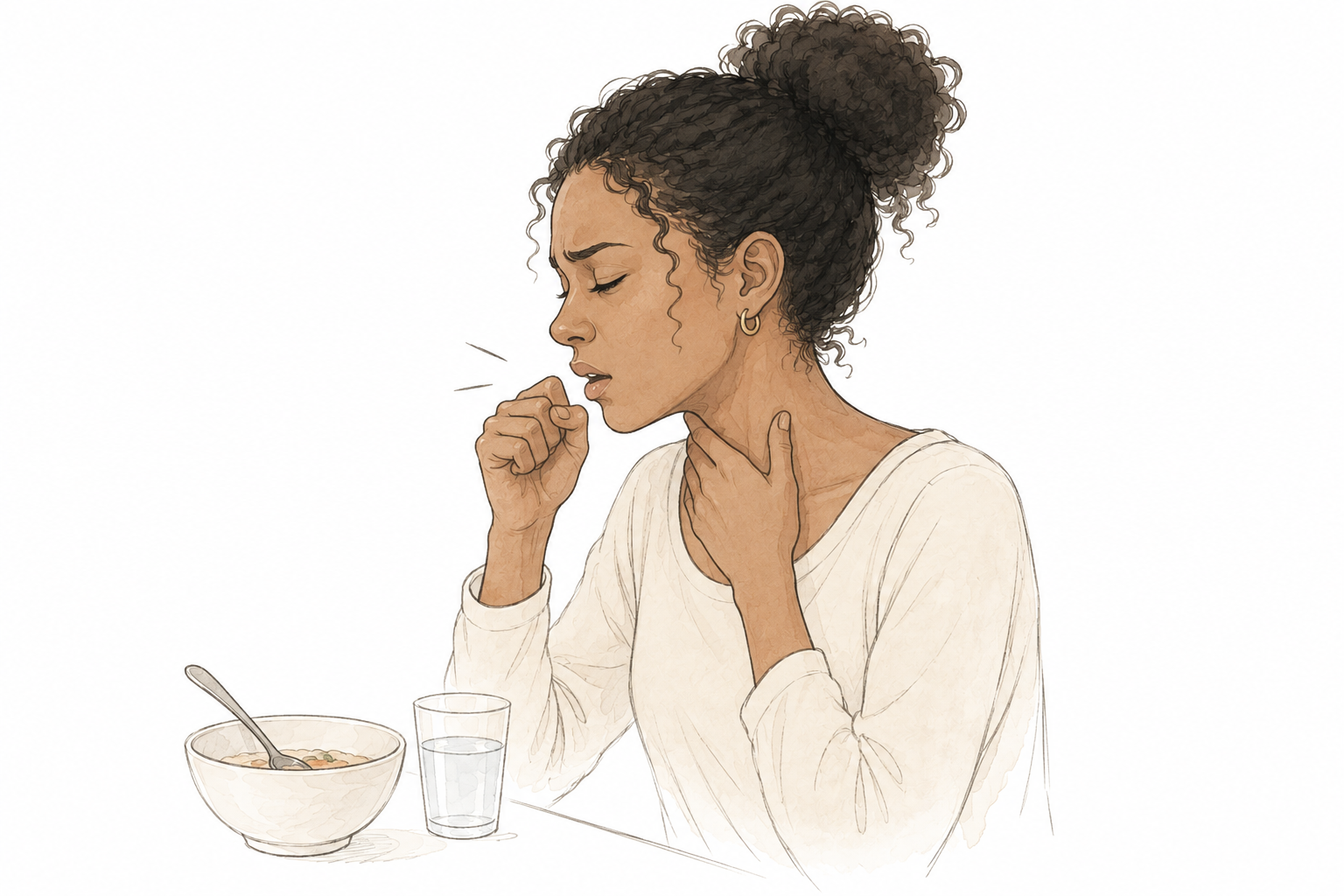
Whether it manifests as a persistent cough during meals, the terrifying sensation of food lodging in the throat, or the gradual avoidance of favorite foods due to physical discomfort, swallowing dysfunction is no longer being dismissed as a mere "side effect." As medical literature catches up to patient reports, it is becoming increasingly clear that for the EDS and HSD population, the act of eating is fraught with complexity.
The Reality of Dysphagia: More Than Just a "Choking Hazard"
Dysphagia is a broad clinical term used to describe any disruption in the process of moving food, liquids, or even saliva from the mouth to the stomach. While the common perception of swallowing disorders involves acute, life-threatening choking episodes, the reality for patients with connective tissue disorders is often more nuanced.
For many, symptoms are chronic and nagging rather than acute. Patients frequently report the need for multiple swallows to clear a single bolus of food, a prolonged duration for meals, or a sensation of "stuckness" behind the sternum. While these symptoms may not always result in an airway obstruction, they fundamentally alter the patient’s relationship with nutrition. The psychological burden of constant vigilance during meals, combined with the physical fatigue of chewing and swallowing, can lead to dietary restrictions, social anxiety, and, in severe cases, unintended weight loss and malnutrition.
A Chronology of Discovery: From Anecdote to Clinical Focus
For decades, swallowing difficulties were relegated to the margins of EDS clinical discussions, often overshadowed by the high-acuity needs of joint stability and pain management. However, the trajectory of recent research marks a significant shift in how the medical community views these gastrointestinal (GI) comorbidities.
- The Early Recognition Phase: Initial reports of GI dysfunction in EDS were largely restricted to functional bowel disorders like irritable bowel syndrome (IBS) and constipation. Dysphagia was frequently anecdotal, shared in support groups rather than peer-reviewed journals.
- The Quantitative Shift (2015–2020): As clinical awareness grew, researchers began to formalize the study of throat and esophageal health. Studies began identifying that the prevalence of reflux and esophageal dysmotility was disproportionately higher in hypermobile populations.
- The Modern Era (2020–Present): Recent large-scale studies have moved beyond simple association, investigating the intersection of the autonomic nervous system, connective tissue integrity, and immunological responses (such as Eosinophilic Esophagitis) to explain the high prevalence of dysphagia. We are now in a period where dysphagia is being codified as a core "extra-articular" manifestation of EDS.
Supporting Data: The Scale of the Problem
The statistical evidence linking hypermobility to swallowing dysfunction is now too robust to ignore. Recent data highlights that this is not an isolated issue but a widespread systemic challenge.
Key Research Findings
- The Pediatric/Young Adult Perspective: A landmark study analyzing 435 young patients with hypermobile EDS (hEDS) and joint hypermobility syndrome revealed that 32% reported dysphagia. This made it the second most prevalent GI complaint, trailing only constipation.
- The Mayo Clinic Data: Independent research from the Mayo Clinic reinforced these findings, identifying that 34% of their hEDS/HSD cohort struggled with swallowing—a figure significantly higher than the baseline for the general population.
- The Broad Spectrum Survey: In a massive survey of over 1,600 adults with EDS and HSD, the data became even more striking. Nearly 80% (79.4%) of participants reported some form of swallowing difficulty, with a noted correlation: those with the hEDS diagnosis tended to experience greater severity of symptoms than those with HSD.
Why Does It Happen? A Multi-Factorial Puzzle
The question of "why" remains the subject of intense investigation. Currently, researchers believe that dysphagia in these populations is rarely caused by a single defect, but rather by the "perfect storm" of three primary physiological contributors.
1. Esophageal Motility Disorders
The esophagus relies on a coordinated wave of muscular contractions (peristalsis) to move food downward. In EDS, the connective tissue that provides the structural integrity for these muscles may be compromised, leading to inefficient movement. Research suggests that approximately 40% of hypermobile patients with dysphagia exhibit measurable motility issues. Interestingly, the remaining 60% suffer from "functional dysphagia," where symptoms are profound despite "normal" test results, suggesting that our current diagnostic tools may be missing subtle, tissue-level dysfunction.
2. Acid Reflux and Hypersensitivity
Chronic acid reflux is a hallmark of EDS. The persistent backflow of stomach acid can irritate the delicate lining of the esophagus, causing inflammation, narrowing (strictures), and a heightened sensitivity to food passage. This cycle of reflux-induced irritation creates a feedback loop that makes swallowing increasingly uncomfortable.
3. The Immunological Link: Eosinophilic Esophagitis (EoE)
Perhaps the most critical discovery in recent years is the eightfold increase in the risk of Eosinophilic Esophagitis (EoE) among those with connective tissue disorders. EoE is a chronic allergic condition where white blood cells accumulate in the esophageal lining. When left untreated, it causes tissue stiffness and narrowing. Because EoE is highly treatable through targeted elimination diets and specific medications, identifying it is a top priority for clinicians working with EDS patients.
The Autonomic Connection: Does POTS Exacerbate Symptoms?
The relationship between the autonomic nervous system (ANS) and the esophagus is profound. Because the ANS governs the involuntary muscles responsible for swallowing, the high rate of comorbid Postural Orthostatic Tachycardia Syndrome (POTS) in the EDS population is significant.
Research indicates that patients suffering from both hypermobility and dysautonomia report more severe swallowing and reflux symptoms than those with hypermobility alone. A recent qualitative study underscored the human impact, where patients reported that their swallowing issues—compounded by POTS—profoundly disrupted their emotional well-being and their ability to navigate healthcare systems. The consensus among experts is that treating the autonomic dysfunction may provide a secondary, but vital, benefit to the swallowing mechanism.
Implications for Patient Care: When to Seek Help
Patients are often told that their symptoms are "normal" for their condition, a narrative that is increasingly being rejected by specialists. You do not have to accept chronic difficulty swallowing as an inevitable burden.
Red Flags for Consultation
If you experience any of the following, it is imperative to schedule an appointment with a gastroenterologist or an ear, nose, and throat (ENT) specialist:
- Regular coughing or choking during meals.
- The sensation of food being "stuck" in the chest or throat.
- A gradual shift toward soft or liquid-only diets.
- Unexplained weight loss or fatigue.
- Persistent regurgitation of food or liquids.
Medical professionals will likely utilize a combination of diagnostic tools, including upper endoscopy to check for tissue damage or EoE, swallowing evaluations (such as a modified barium swallow study) to watch the mechanics of the throat in real-time, and esophageal manometry to measure the strength of the muscular contractions.
Strategies for Daily Living
While waiting for a clinical evaluation, there are practical steps patients can take to reduce the risk of choking and improve comfort:
- Upright Posture: Always eat while sitting fully upright, and maintain that posture for at least 30 minutes after finishing.
- Controlled Bolus Size: Take smaller bites and ensure you are chewing thoroughly before initiating a swallow.
- Hydration: Sip water between bites to assist in "clearing" the esophagus.
- Texture Modification: If specific textures (like dry bread or meat) consistently cause trouble, focus on moister, softer foods until you are evaluated by a speech-language pathologist (SLP).
Conclusion: A Call for Proactive Management
The growing body of research makes one thing clear: dysphagia in the EDS and HSD community is not a minor inconvenience. It is a frequent, under-diagnosed, and potentially dangerous manifestation of systemic hypermobility.
By validating these symptoms and seeking specialized care—whether through gastroenterology, speech-language pathology, or autonomic medicine—patients can move beyond passive endurance. The path to better health begins with the acknowledgment that every symptom, no matter how "silent," deserves to be heard and addressed. As the research landscape continues to expand, the hope is that earlier diagnosis and more personalized treatments will soon become the standard of care for every individual living with these complex disorders.