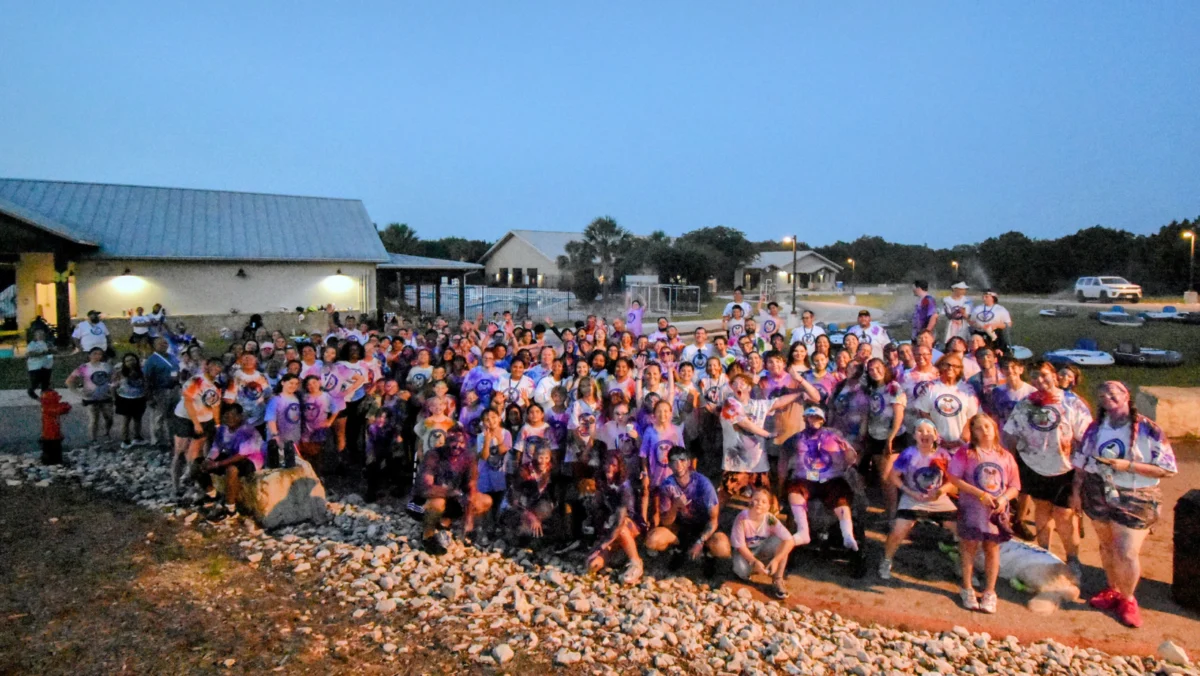
In the heart of San Antonio, Texas, where the sun stretches across the sprawling grounds of Morgan’s Camp, a quiet revolution took place this June. For five days, the silence of chronic pain was replaced by the boisterous laughter of children, the supportive murmurs of parents, and the thrill of discovery. The fifth-annual Pediatric Pain Warrior Family Summer Camp, a signature initiative of the U.S. Pain Foundation’s Pediatric Pain Warrior Program, set a new milestone this year, hosting 61 families—a record-breaking attendance of more than 250 individuals.
For many of these children, teens, and their families, the camp represents more than just a summer getaway; it is a rare, life-changing sanctuary where the physical and emotional burdens of chronic illness are met not with clinical coldness, but with radical acceptance.
The Foundation of Accessibility
Morgan’s Camp is not merely a recreational facility; it is an Ultra-Accessible™ environment designed specifically to dismantle the physical barriers that often exclude children with disabilities from the joys of childhood. By hosting the event here, the U.S. Pain Foundation ensured that every participant, regardless of their mobility device, pain levels, or medical requirements, could engage in the full breadth of the camp’s offerings.
This level of inclusivity meant that the "impossible" suddenly became tangible. Campers who might be sidelined in traditional settings found themselves scaling rock walls, navigating complex obstacle courses, and flying through the air on zip lines. They raced miniature cars, rode horses, and participated in high-energy activities like archery and swimming. In this space, wheelchairs, crutches, and medical equipment were not treated as impediments but as inherent parts of the campers’ lives. For the first time for many, the necessity of taking a break or asking for help didn’t come with the weight of social stigma or the need for tedious explanations.
A Chronology of Connection: The Five-Day Journey
The camp’s structure is meticulously designed to balance high-octane adventure with moments of quiet reflection and community building.
The Arrival: The first day is dedicated to breaking the ice. As 61 families arrived, the initial hesitation—often stemming from years of feeling like "the outsider" in school or social settings—began to evaporate. By the end of the first evening, the "us vs. them" barrier had collapsed, replaced by the collective understanding that everyone present understood the language of chronic pain.
Days Two and Three: Empowerment and Activity: The middle of the week was defined by physical activity and workshops. Whether it was the exhilarating "Color Wars," where families engaged in a spirited, paint-filled battle, or the quieter, more introspective moments at the art therapy station, the goal remained the same: to foster a sense of agency. During these days, the schedule seamlessly blended active physical play with educational sessions, ensuring that the camp nurtured both the body and the mind.
Day Four: Community and Reflection: As the camp entered its final full day, the focus shifted toward the emotional impact of the week. This was the day for the "Flags for Headache" installation, a poignant display coinciding with Headache Awareness Month. Hundreds of attendees, dressed in purple, planted small flags in the earth, creating a visual testament to the widespread, yet often invisible, prevalence of migraine and headache diseases.
The Departure: The final day was marked by the exchange of contact information and the promise of ongoing support. Families left the camp not as isolated individuals struggling with mysterious ailments, but as members of a nationwide, interconnected community of warriors.
Supporting Data and Therapeutic Impact
The efficacy of the Pediatric Pain Warrior Family Summer Camp is not merely anecdotal; it is rooted in the principles of peer-led support. Research consistently shows that social isolation is a primary driver of depression in children with chronic pain. By placing these children in a setting with peers who navigate similar medical complexities, the U.S. Pain Foundation addresses a critical, often neglected aspect of pediatric care: the psychological health of the patient and their family.
Educational Pillars
The camp’s curriculum goes beyond physical recreation, providing vital resources for both parents and children:
- Navigating Bureaucracy: Parent sessions, led by experts like patient services specialist Windy Rodriguez, provided actionable advice on overcoming insurance denials—a major stressor for families managing high-cost medical care.
- Mental Health Advocacy: Social worker and camp parent Meredith de Saint-Albin facilitated discussions on the mental health toll of parenting a child with chronic pain, providing a space for caregivers to acknowledge their own trauma and fatigue.
- Medical Literacy: Dr. Asha Patel Shah of Kenvue bridged the gap between clinical science and daily life, presenting on skin health and its intricate ties to systemic pain, ensuring parents left with a deeper understanding of their children’s physiology.
- Creative Healing: Artist and camp parent Derek McCarty led workshops demonstrating the therapeutic potential of art, allowing children to externalize their internal pain in a non-verbal, creative way.
Official Perspectives: The Value of "No Explanations Needed"
Casey Cashman, the director of the Pediatric Pain Warrior Program, serves as the guiding force behind this mission. Reflecting on the week, she emphasized that the camp’s true magic lies in the absence of judgment.
"What makes this camp so unique, and so life-changing, is that you don’t have to explain or apologize for your pain," Cashman stated. "No one looks at you funny when you need to use your wheelchair or sit out for a bit. Everyone is in the same boat—and that gives these families what is often their first opportunity to take a breath and know that they are truly understood and accepted."
This sentiment is echoed by the parents and children alike. For the families, the camp is a "recharging station." It provides a temporary reprieve from the daily battle of justifying their medical needs to school districts, insurance providers, and skeptical peers. By providing a judgment-free zone, the camp allows these families to re-establish their identity beyond the diagnosis.
Implications for the Future of Pediatric Chronic Pain Care
The growth of this program over the past five years—expanding from a modest gathering to a record-setting, multi-family event—highlights a significant gap in the current healthcare landscape. While hospitals focus on the physical management of pain, there is a profound lack of community-based support for the long-term emotional and social well-being of pediatric patients.
The success of the U.S. Pain Foundation’s camp suggests that a holistic, community-centric model is essential for long-term health outcomes. By integrating educational workshops, peer support, and accessible recreation, the Foundation is setting a standard for how chronic illness support should be structured in the 21st century.
The "Flags for Headache" Significance
The inclusion of the "Flags for Headache" installation was more than a ceremonial gesture. By aligning the camp with national advocacy efforts—supported by organizations such as the Alliance for Headache Disorders Advocacy and the Danielle Byron Henry Migraine Foundation—the organizers transformed a private camp experience into a public advocacy statement. It reminded the families that their personal struggles are part of a larger national conversation, one that demands more funding, more research, and greater societal empathy.
Conclusion: A Legacy of Resilience
As the final flags were pulled from the ground and the last campers departed the grounds of Morgan’s Camp, the impact of the week remained. The Pediatric Pain Warrior Family Summer Camp has become a beacon for families across the United States. It is a testament to the idea that while pain may be a part of these children’s lives, it does not have to define their horizons.
"I truly believe this camp has saved lives," Cashman concluded. "It has certainly changed hundreds of lives. We are grateful to the families who take a chance and step out of their comfort zones to join us each year. They are what make camp truly special and transformative."
With plans for future expansion and continued support from donors, the U.S. Pain Foundation is proving that when you remove the barriers to participation, you don’t just enable play—you empower a community of warriors to reclaim their lives, one day at a time.