











The landscape of metabolic medicine has been fundamentally reshaped by the emergence of glucagon-like peptide-1 (GLP-1) receptor agonists. Drugs like semaglutide and tirzepatide have moved from niche diabetes treatments to mainstream weight-loss blockbusters, offering unprecedented efficacy for millions struggling with obesity. As a practicing emergency medicine physician with over 25 years on the front lines, I have witnessed firsthand the profound physical and social tolls that obesity inflicts. For decades, our patients were dismissed, told their struggle was merely a failure of willpower. We now understand that obesity is a complex, chronic, and multifactorial disease driven by genetics, hormonal signaling, sleep disruption, and environmental stressors.
However, as we celebrate this medical breakthrough, a critical, silent crisis is unfolding: the inadvertent acceleration of sarcopenia—the age-related loss of skeletal muscle mass and function—on a population-wide scale. While the scale shows a downward trajectory, the quality of that weight loss is being ignored, potentially trading one epidemic for another.
The Chronology of a Paradigm Shift
The medical community’s understanding of weight management has evolved through three distinct phases:
- The Era of Willpower (Pre-2000s): Obesity was viewed primarily as a behavioral issue. Clinical advice focused almost exclusively on “eat less, move more,” ignoring the complex hormonal and neurological drivers of appetite.
- The Pharmacological Dawn (2000s–2010s): Research began to identify the hormonal underpinnings of satiety and glucose regulation. While early pharmacotherapy had limited success and significant side-effect profiles, the foundation for targeted endocrine intervention was laid.
- The GLP-1 Era (2020–Present): With the introduction of potent incretin mimetics, we have entered an age where substantial, consistent weight loss is achievable for most patients. Currently, roughly 12% of U.S. adults are utilizing these medications.
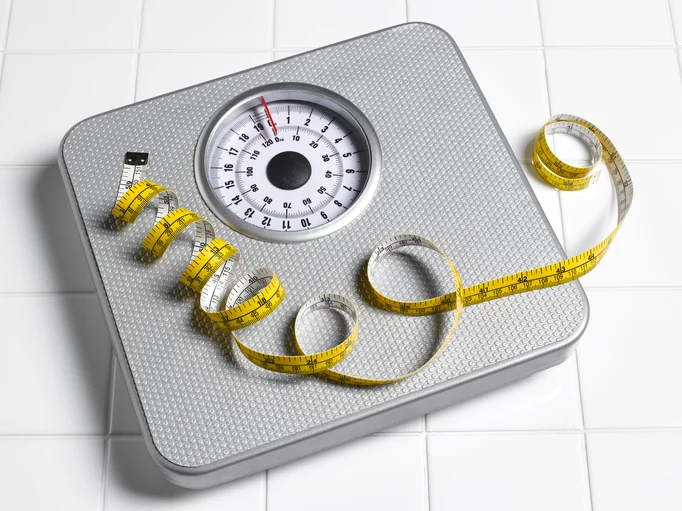
However, our clinical measurement tools have failed to keep pace with the efficacy of our drugs. We are still relying on the scale as the primary indicator of success, a tool that is functionally blind to body composition.
Supporting Data: The Muscle Mass Conundrum
The clinical reality is that rapid weight loss induced by GLP-1s does not distinguish between adipose tissue (fat) and lean tissue (muscle and bone). A March 2025 meta-analysis of 22 randomized trials provides a sobering look at this phenomenon, estimating that roughly 25% of weight lost on GLP-1 agonists is lean mass. Other clinical reviews have presented even more alarming data, suggesting that in some cohorts, lean mass loss accounts for as much as 40% to 60% of the total weight reduction.
To put this in perspective: if a patient loses 50 pounds, a significant portion—anywhere from 12 to 30 pounds—could be essential muscle and bone tissue. While the patient appears healthier on paper, their metabolic engine is effectively shrinking.
Why Lean Mass Matters
Skeletal muscle is not merely for aesthetics; it is a metabolic powerhouse. It accounts for up to 80% of insulin-mediated glucose uptake. When we lose muscle, we lose the primary site for blood sugar disposal, potentially impairing glycemic control even as the patient’s BMI reaches a "healthier" range. Furthermore, the loss of bone mineral density, particularly in the aging population, creates a significant risk for fractures. With falls already the leading cause of injury in adults aged 65 and older, this "hidden" weight loss could lead to a spike in catastrophic, life-altering orthopedic events.
The Demographics of Risk
The concern is most urgent among the population currently utilizing these medications the most: adults aged 50 to 64. According to KFF data, 22% of individuals in this age bracket are currently taking GLP-1s. This is the precise demographic where the preservation of muscle and bone is vital for long-term health, independence, and mobility.
As clinicians, we are essentially placing our middle-aged and older patients on a treatment that, if unmonitored, may accelerate their transition into frailty. We are observing a disconnect between clinical outcomes (lower weight) and physiological health (lower strength).
The Call for Advanced Diagnostics: Moving Beyond the Scale
The reliance on basic weight measurements is an antiquated practice in the era of precision medicine. We need to normalize the use of medical-grade imaging to monitor body composition, not just weight.
The Role of DEXA Scans
Historically, Dual-energy X-ray Absorptiometry (DEXA) scans have been pigeonholed as tools solely for diagnosing osteoporosis. This is a narrow view of a highly sophisticated diagnostic instrument. Today, DEXA serves as the gold standard for assessing:
- Visceral Adipose Tissue (VAT): The dangerous fat stored around organs that serves as a primary marker for cardiometabolic disease.
- Appendicular Lean Mass Index (ALMI): The key metric for diagnosing sarcopenia.
- Bone Mineral Content: Essential for tracking the long-term integrity of the skeleton during significant weight shifts.
By integrating regular body composition scans into the care plan, clinicians can provide data-driven feedback. If the data shows a patient is losing muscle too quickly, the intervention can be modified: increasing protein intake, implementing a structured resistance training program, slowing the dose escalation of the GLP-1 medication, or incorporating physical therapy.
Implications for Clinical Practice
The definition of "success" in obesity treatment must shift. It is no longer about the lowest possible number on the scale; it is about sustained body recomposition that preserves metabolic resilience.
1. Re-educating the Workforce
Medical schools and continuing medical education programs must pivot toward teaching body composition as a core vital sign. Clinicians need to move past the BMI-only approach, which fails to differentiate between a patient with high muscle mass and a patient with high fat mass.
2. Standardizing Monitoring Protocols
We need to develop standard follow-up cadences for patients on long-term GLP-1 therapy. A patient on a GLP-1 should have a body composition baseline and follow-up scans every 6 to 12 months, similar to how we monitor HbA1c or lipid panels.
3. Policy and Insurance Reform
For this to become a standard of care, insurance providers must recognize body composition imaging as a preventative and diagnostic necessity for patients undergoing weight-loss pharmacotherapy. The cost of a DEXA scan is negligible compared to the long-term medical costs of treating sarcopenia-related falls, fractures, and metabolic syndrome.
Conclusion: Measuring What Matters
The GLP-1 era represents the most significant advancement in the history of obesity treatment. It has provided us with a powerful tool to address one of the most stubborn public health crises of the 21st century. However, as the old adage goes, "what gets measured gets managed."
If we continue to use the scale as our only metric, we are operating in the dark. We risk creating a generation of "skinny-frail" patients who have successfully lost weight but have lost the strength and metabolic health required for a high quality of life. We must demand better monitoring, insist on body composition analysis, and treat our patients with a holistic approach that prioritizes long-term functional health over short-term numerical goals.
We have the tools to ensure that this medical revolution serves the patient, not just the data. It is time to stop pretending all weight loss is the same and start measuring what actually matters.
Vivek Chander, MD, is a telemedicine innovator with over 25 years of experience in emergency medicine and a passion for advancing patient-centered care through cutting-edge technology. He currently serves as the Lead Clinical Advisor of BodySpec.