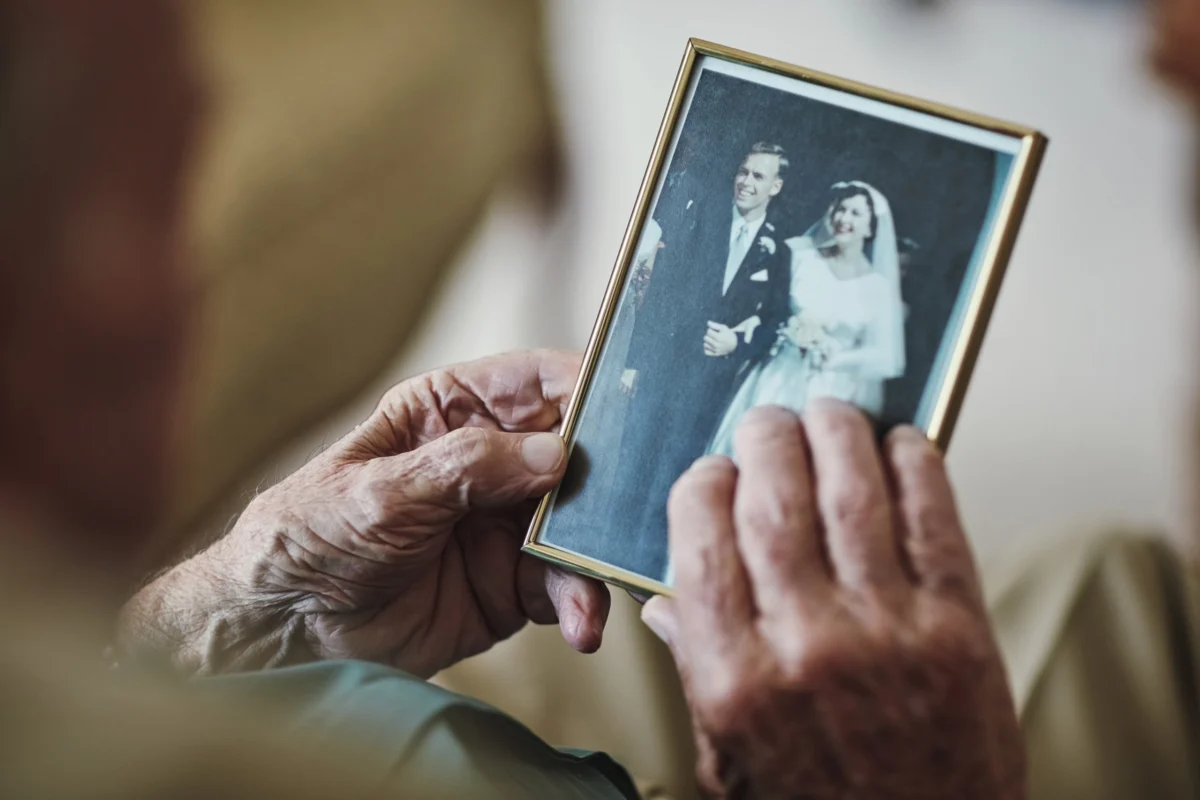
As the calendar turns to May, the nation simultaneously observes Older Americans Month and Mental Health Awareness Month. This dual observance serves as a poignant reminder of the intersection between aging and psychological well-being. While society often focuses on the physical ailments associated with longevity, there is a pervasive, often invisible condition that threatens the health of millions: chronic loneliness and social isolation.
According to data from the National Institute on Aging (NIA), one in four adults aged 65 and older now experiences social isolation on a regular basis. This is not merely a social inconvenience; it is a burgeoning public health crisis that demands immediate, systemic attention.
The Core Facts: Understanding the Scale of Isolation
Loneliness is a subjective feeling of being alone, regardless of the amount of social contact, while social isolation is the objective lack of social connections. Both states, while distinct, carry significant physiological and psychological weight.
Current research indicates that loneliness among the elderly is not a localized issue but a widespread phenomenon exacerbated by modern living arrangements, the digital divide, and the loss of traditional community structures. When an individual reaches their mid-60s and beyond, the risk factors for isolation begin to compound. These include the loss of spouses and peers, the cessation of career-based social interaction, and, frequently, a decline in physical mobility.
The health implications are stark. Medical research has consistently linked persistent loneliness to a significant increase in the risk of premature death from all causes—a risk profile comparable to smoking up to 15 cigarettes a day.
A Chronological Perspective: How We Reached This Point
To understand the current state of elderly isolation, one must look at the shifting demographic and social landscape of the last several decades.
The Mid-20th Century: The Foundation of Community
In the post-war era, multi-generational living was more common, and neighborhoods were often tighter-knit. Older adults maintained roles as central figures in their extended families and local community organizations. Social interaction was built into the daily fabric of life, largely centered on physical proximity and local civic engagement.
The Turn of the Century: The Digital Shift
As technology advanced, the nature of communication changed. While digital tools bridged gaps for some, they created a barrier for others. The "Digital Divide" became a major driver of isolation for those unable to navigate increasingly complex online interfaces, which became the primary medium for social and service-based interaction.
The 2020s: The Catalyst of Global Change
The global pandemic served as a massive, involuntary accelerator for isolation. For many older adults, the measures taken to protect their physical health during this period inadvertently severed the social lifelines that kept their mental health intact. Even as the world has "reopened," many seniors have struggled to regain the confidence or the physical ability to reintegrate into society, leading to a state of sustained withdrawal.
Supporting Data: The Physiological Toll
The science of loneliness has moved beyond anecdotal observation into clinical rigor. The impacts of social isolation on the human body are profound, manifesting in ways that modern medicine is only now fully documenting.
Cardiovascular Health
Research published by the American Heart Association has highlighted that social isolation is associated with a 29% increase in the risk of heart disease and a 32% increase in the risk of stroke. The stress response triggered by chronic loneliness keeps the body in a heightened state of "fight or flight," increasing blood pressure and inflammation.
Cognitive Decline
The link between loneliness and dementia is particularly alarming. Studies suggest that lonely individuals have a 50% higher risk of developing dementia compared to those who maintain active social networks. The lack of cognitive stimulation provided by regular social interaction can accelerate the degradation of neural pathways.
The Immune System
Chronic isolation has been shown to alter the expression of genes in immune cells, leading to increased inflammation and a reduced ability to fight off viral infections. This creates a vicious cycle: the older adult becomes more susceptible to illness, which then limits their ability to leave the house and interact with others, further deepening their isolation.
Barriers to Connection: Why It Happens
Social isolation is rarely a choice. It is often the result of an accumulation of systemic and personal hurdles.
The Mobility Crisis
Many seniors suffer from "community mobility" limitations. The ability to drive, walk through a neighborhood, or navigate public transit is essential for maintaining social ties. When an older adult can no longer safely operate a vehicle or navigate a city, their world shrinks to the size of their home. This loss of independence is a primary driver of depression.
Sensory Impairment
The subtle, gradual loss of hearing and vision often goes under-treated. This creates a barrier to communication that is both frustrating and exhausting. When an individual has to strain to hear or see others, they often choose to opt out of social gatherings entirely to avoid the stress and embarrassment of the interaction.
The Loss of "Third Spaces"
Sociologists point to the decline of "third spaces"—community centers, libraries, and local cafes—as a major contributing factor. As these spaces become less accessible or disappear, the opportunities for "passive" social interaction (the simple act of being around others) vanish.
Official Responses and Strategic Interventions
Government and non-profit organizations have begun to treat loneliness as a priority policy issue rather than a personal problem.
The National Institute on Aging (NIA) Initiative
The NIA has developed comprehensive toolkits designed to help older adults and their caregivers bridge the gap. These resources focus on:
- Technology Training: Helping seniors master video calling and digital communication.
- Community Engagement: Programs that pair older adults with local volunteer opportunities.
- Health Literacy: Teaching seniors how to communicate their feelings of loneliness to their healthcare providers, reducing the stigma.
The Eldercare Locator
The Eldercare Locator, a service of the U.S. Administration for Community Living, serves as a centralized hub for finding support. This service connects older adults and their families with local area agencies on aging that provide transportation services, nutrition programs (like Meals on Wheels), and social day programs.
Implications: The Path Forward
The challenge of loneliness in the elderly population requires a shift in how we design our communities and our healthcare systems.
A New Paradigm for Healthcare
Medical providers must begin to screen for loneliness with the same rigor used for blood pressure or cholesterol. If a patient is chronically isolated, a prescription for social activity should be as standard as a prescription for medication. This is known as "social prescribing," a model currently gaining traction in the United Kingdom and beginning to see pilot programs in the United States.
Designing Inclusive Infrastructure
Urban planners must consider the needs of an aging population. This means better lighting, longer pedestrian signal times at crosswalks, and more accessible public transportation. When an environment is designed for the elderly, it is generally safer and more accessible for everyone.
The Power of Intergenerational Connection
We must move away from segregating our populations by age. Programs that integrate senior living with youth services—such as daycare centers located within retirement homes—have shown extraordinary results in reducing loneliness on both ends of the age spectrum.
Conclusion: A Call to Action
The month of May provides a window of opportunity to look at our neighbors, our parents, and our grandparents with a new perspective. Loneliness is a silent epidemic, but it is not an incurable one. It requires a collective effort to recognize the symptoms, provide the necessary logistical support to ensure mobility, and foster an environment where every member of our society feels seen and valued.
As we move forward, let us remember that the strength of a nation is measured not just by its economic output, but by the dignity and connection afforded to its most experienced citizens. If you or a loved one are experiencing the weight of isolation, reach out. The resources are there, the community is willing, and the first step toward reconnection is often the most important one.
Katie Riley serves as Vice President of Communications at the Alliance. For more information on resources for aging, visit the Eldercare Locator or the National Institute on Aging online.