





For over a decade, the Alzheimer’s Association has utilized the summer solstice—the day with the most daylight—as a poignant metaphor for the battle against Alzheimer’s disease. Known historically as "The Longest Day," the campaign sought to shine a light on the darkness of a condition that robs millions of their memories, autonomy, and identity. It also served as a stark, empathetic nod to the millions of caregivers who navigate the grueling, often exhausting reality of providing round-the-clock support, where every single day can feel like the "longest day."
However, as of 2026, the Alzheimer’s Association has embarked on a significant evolution of this movement. Rebranded as Do What You Love to End ALZ, the initiative is shedding its calendar-bound constraints to become a year-round engine for advocacy, fundraising, and community support. By shifting the focus from a single date in June to an ongoing, flexible call to action, the organization is empowering individuals to transform their personal hobbies into powerful tools for medical research.
Main Facts: A Paradigm Shift in Advocacy
The core premise of Do What You Love to End ALZ remains rooted in the belief that grassroots mobilization is as vital as institutional research funding. The initiative invites participants to take any activity they are passionate about—whether it be baking, long-distance hiking, playing bridge, or hosting a community karaoke night—and leverage that activity to raise funds for care, support, and critical scientific inquiry.
Unlike traditional charity galas or marathons, which require substantial overhead and physical stamina, this campaign is designed for inclusivity. By removing the "one-day-only" pressure of the summer solstice, the Alzheimer’s Association is encouraging a sustained, year-round commitment. Participants no longer need to wait for June to make an impact; they can launch a fundraiser at any time, tailoring the activity to their lifestyle and resources.
The primary goal is twofold: to provide immediate financial resources for the Alzheimer’s Association’s research and support programs, and to raise awareness about the diverse, often hidden, challenges faced by families living with the disease.
Chronology: The Evolution of a Movement
The history of this campaign reflects the changing landscape of medical fundraising in the 21st century.
- 2013–2025 (The Era of "The Longest Day"): For more than twelve years, the Alzheimer’s Association utilized the summer solstice as its primary touchpoint. The strategy was centered on the symbolic power of the sun—a metaphor for fighting the "darkness" of dementia. During this era, thousands of teams across the globe participated in creative activities, successfully raising millions of dollars for research and caregiver support.
- Late 2025 (Strategic Assessment): Internal reviews by the Alzheimer’s Association identified a growing demand from the community for more flexibility. Supporters expressed a desire to fundraise during times of the year that carried personal significance, such as birthdays or anniversaries, rather than being restricted to a mid-June deadline.
- June 2026 (The Rebrand): The organization officially launched Do What You Love to End ALZ. This transition was not merely a change of name, but a shift in organizational philosophy. By decoupling the campaign from the solstice, the organization acknowledged that Alzheimer’s is a 365-day-a-year crisis, and the response should be equally continuous.
Supporting Data: The Scope of the Crisis
The necessity for such a robust, ongoing fundraising initiative is underscored by the sobering statistics surrounding neurodegenerative diseases. According to data from the Alliance for Aging Research and the Alzheimer’s Association, the prevalence of the disease continues to climb as the global population ages.

- Economic Burden: The annual cost of caring for individuals with Alzheimer’s and other dementias in the United States alone is estimated in the hundreds of billions of dollars. This figure includes direct medical costs and the staggering economic value of unpaid care provided by family members.
- Caregiver Strain: Caregivers often suffer from higher rates of depression, anxiety, and physical health issues compared to their peers. The "Longest Day" metaphor was not just a branding exercise; it was a reflection of the 65% of caregivers who report that the emotional toll of the disease is the most challenging aspect of their journey.
- Research Milestones: While recent years have seen the FDA approval of new therapies aimed at slowing the progression of early-stage Alzheimer’s, these are merely the first steps in a long process. Funding provided by initiatives like Do What You Love to End ALZ is essential for the "translational gap"—the space between laboratory discovery and clinical application.
Official Responses and Expert Perspectives
Katrin Werner-Perez, the Director of Health Programs at the Alliance for Aging Research, emphasizes the importance of these community-driven efforts. "The shift to Do What You Love to End ALZ acknowledges that every individual has a unique capacity to contribute," Werner-Perez notes. "When we empower people to use their personal passions—whether it’s gardening, painting, or organizing a book club—we aren’t just raising money; we are fostering a culture of active, engaged advocacy that refuses to be sidelined."
The Alzheimer’s Association has also highlighted that the rebranding allows for better synergy with other health initiatives. By integrating these fundraisers into daily life, participants can educate their social circles, reduce the stigma surrounding cognitive decline, and provide a roadmap for others who are just beginning their journey as caregivers.
Implications: The Road Ahead
The long-term success of this new model depends on the sustained participation of the public. By removing barriers to entry, the Alzheimer’s Association is betting that the cumulative power of thousands of small, personal fundraisers will be more impactful than fewer, larger-scale events.
How to Take Part
The process for joining the movement is designed to be as frictionless as possible:
- Select Your Passion: Identify an activity you enjoy. It can be physical, artistic, social, or competitive.
- Register Your Event: Utilize the official Do What You Love to End ALZ portal to set up a personalized fundraising page.
- Spread the Word: Use social media and personal networks to share your "why"—the reason you are supporting the fight against Alzheimer’s—and invite friends and family to donate.
Expanding the Scope of Understanding
Beyond fundraising, the movement is inextricably linked to the broader body of research supported by organizations like the Alliance for Aging Research. The shift in the campaign’s structure also coincides with a push for better public understanding of complex topics, including:
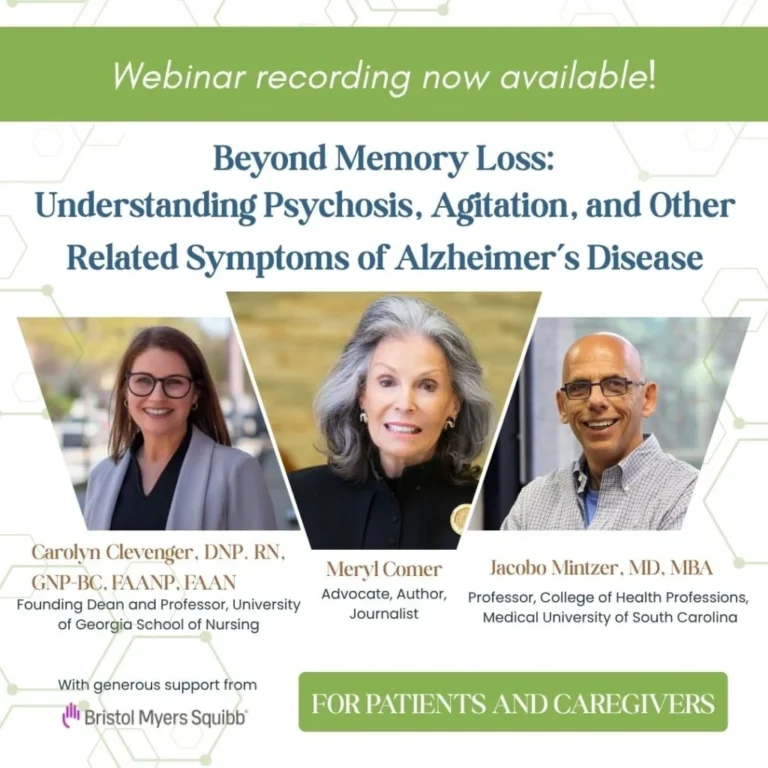
- Neuropsychiatric Symptoms: Moving beyond memory loss to address the agitation, anxiety, and behavioral changes that often define the patient experience.
- Caregiver Education: Providing practical tips for managing the daily demands of caregiving, as highlighted in programs like Project PAUSE.
- Scientific Innovation: Keeping the public informed about clinical trials and the next generation of diagnostics.
Conclusion
The evolution from The Longest Day to Do What You Love to End ALZ represents a maturing of the Alzheimer’s advocacy movement. It moves away from the idea of "crisis-based" fundraising toward a sustainable, lifestyle-integrated approach. As the medical community makes incremental gains in the laboratory, the grassroots community is simultaneously building a social and financial foundation that ensures no family has to face the disease alone.
Whether it is a group of seniors exercising in a park or a local baking competition, every contribution—no matter how small—serves to build the momentum required to finally turn the tide on a disease that has affected far too many for far too long. The darkness of Alzheimer’s is profound, but by doing what we love, we ensure that the light of research and advocacy never fades.