






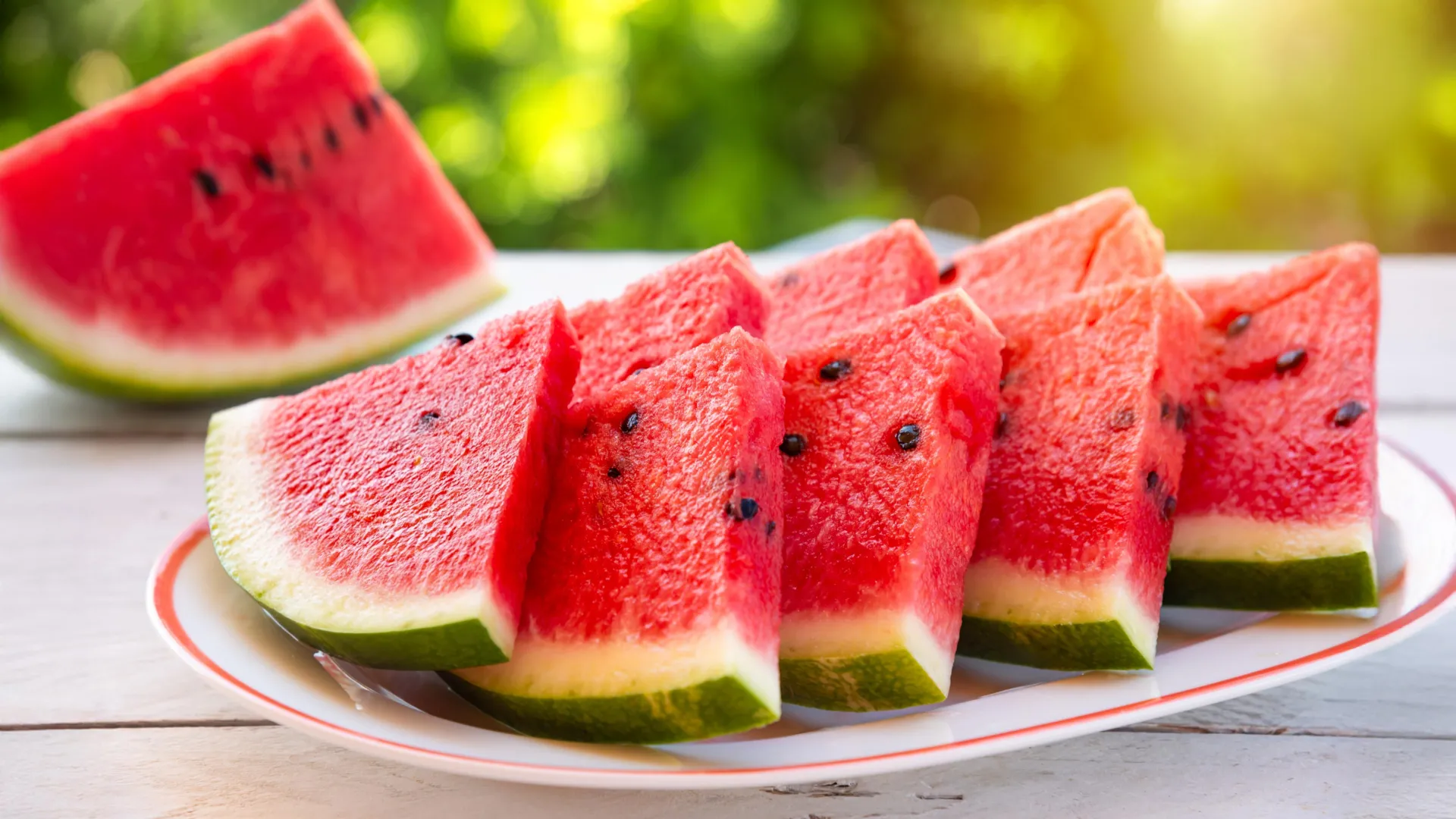
For generations, the watermelon has been the quintessential symbol of summer—a cooling, sugary respite from the sweltering heat of July and August. Yet, as nutrition science advances, researchers are beginning to peel back the layers of this oversized fruit to reveal a profile far more complex than simple hydration. Emerging clinical evidence suggests that watermelon is not merely a seasonal treat, but a legitimate functional food capable of supporting heart health, enhancing metabolic function, and anchoring a high-quality, nutrient-dense diet.
The Core Findings: A Nutritional Heavyweight
At the heart of the recent scientific interest in watermelon is its unique biochemical composition. While it is famously comprised of 92% water, the remaining 8% is a concentrated reservoir of vitamins, minerals, and bioactive compounds.
The primary health benefits of watermelon stem from its role as one of the richest natural sources of L-citrulline and L-arginine—amino acids that serve as precursors to nitric oxide. In the human body, nitric oxide acts as a vasodilator, signaling the smooth muscles surrounding blood vessels to relax. This relaxation allows vessels to expand, facilitating better blood flow and reducing the mechanical strain on the cardiovascular system. Coupled with its high concentrations of lycopene—a potent carotenoid antioxidant—and essential vitamins such as C, A, and B6, watermelon functions as a multi-pronged defensive tool for long-term health.
Chronology of Clinical Inquiry
The journey to understanding watermelon’s health implications has been a steady progression from observational population studies to targeted clinical trials.
2022: The Dietary Quality Benchmark
The academic momentum began to shift significantly in 2022 when researchers utilized data from the National Health and Nutrition Examination Survey (NHANES). By analyzing the dietary patterns of thousands of Americans, the study established a distinct correlation: watermelon consumers consistently exhibited superior dietary profiles compared to non-consumers. The findings were granular, revealing that those who ate watermelon were less likely to consume added sugars and saturated fats, while simultaneously hitting higher benchmarks for fiber, magnesium, and potassium intake.
Post-2022: The Louisiana State University Trials
Following the observational data, researchers at Louisiana State University (LSU) sought to move from correlation to causation. In a randomized, double-blind, placebo-controlled crossover study, investigators tracked 18 healthy young adults who consumed watermelon juice daily for two weeks. The trial specifically examined how the fruit’s compounds buffered the body during periods of hyperglycemia (elevated blood sugar). The results provided tangible evidence that the bioactive profile of watermelon helped preserve vascular function even when metabolic markers were stressed, effectively serving as a protective shield for the endothelium—the thin membrane that lines the inside of the heart and blood vessels.
The Modern Era: Meta-Analyses and Ongoing Research
Since the LSU trials, the scientific community has moved into a phase of synthesis. Recent meta-analyses have aggregated data from various studies on L-citrulline supplementation and whole-fruit consumption. These reviews have consistently pointed toward improvements in pulse wave velocity—a key indicator of arterial stiffness—and endothelial health. As of 2024, the focus has shifted toward determining optimal dosage and the long-term impacts of consistent, year-round consumption.
Supporting Data: The Nutritional Breakdown
To understand why watermelon is being touted as a "superfood," one must look at the density of its nutritional delivery system. A standard 2-cup serving (approximately 280 grams) delivers a remarkable return on investment for the average caloric budget:
- Caloric Efficiency: At just 80 calories per 2-cup serving, it provides high satiety with low caloric density, an essential factor in weight management.
- Vitamin C (25% DV): Beyond immune support, vitamin C is a critical antioxidant that helps neutralize free radicals, thereby protecting blood vessels from oxidative stress.
- Vitamin B6 (8% DV): Necessary for brain health and energy metabolism, B6 works synergistically with other nutrients to maintain overall vitality.
- Lycopene Density: Often associated with tomatoes, lycopene is actually found in higher concentrations in red watermelon. This carotenoid is widely studied for its role in reducing oxidative stress and inflammation, both of which are precursors to chronic heart disease.
- Electrolyte Balance: The presence of magnesium and potassium, combined with the high water content, makes it an ideal recovery fuel for athletes or those living in arid climates.
Official Responses and Expert Perspective
The scientific community remains cautiously optimistic, emphasizing the need for larger, more diverse longitudinal studies. Dr. Jack Losso, Ph.D., a professor at Louisiana State University’s School of Nutrition and Food Sciences, has been a leading voice in this discourse.
"We acknowledge that while the sample size of our initial clinical trials was small, the results add significantly to the body of evidence supporting the regular intake of watermelon for cardio-metabolic health," Dr. Losso noted. He emphasizes that the fruit’s benefit is derived from the "food matrix"—the complex way in which antioxidants, amino acids, and vitamins work together, rather than in isolation.
While nutritionists generally warn against "miracle food" labels, the consensus among cardiovascular experts is that incorporating nutrient-dense, low-calorie whole foods like watermelon into a balanced diet is a low-risk, high-reward strategy. The American Heart Association and similar bodies continue to stress the importance of fruit and vegetable consumption as a primary defense against hypertension and cardiovascular disease, and watermelon fits squarely into these dietary recommendations.
Implications for Public Health
The implications of this research are profound, particularly given the current state of nutrition in the United States. The Dietary Guidelines for Americans (DGA) recommend that individuals consume between 1.5 and 2.5 cups of fruit daily. Yet, data consistently shows that most Americans—both children and adults—are consuming barely half of that amount.
Bridging the Gap
Watermelon presents a unique solution to this public health challenge. Because of its high palatability, it is an "easy win" for consumers who struggle to meet fruit intake goals. Unlike more bitter vegetables or fibrous fruits that may require preparation, watermelon is highly accessible and generally well-liked across all age demographics.
Cardiovascular Protection
For the average American, the silent accumulation of vascular damage—often fueled by modern diets high in processed sugars—is a leading cause of long-term health decline. If consistent watermelon consumption can aid in the production of nitric oxide and maintain vascular flexibility, it could act as a simple, affordable, and delicious tool in the public health arsenal against heart disease.
A Holistic Approach to Wellness
Ultimately, the research on watermelon highlights a shift in nutritional science toward "whole-body" health. It is no longer enough to look at a food simply for its macronutrient profile (carbs, fats, proteins). Instead, we must look at how food compounds—like L-citrulline—interact with our physiological systems.
As we move forward, the integration of such fruits into daily dietary patterns could offer a path toward better circulation, lower oxidative stress, and improved overall metabolic health. Whether served in a salad, blended into a post-workout recovery smoothie, or simply enjoyed as a refreshing slice on a warm day, the humble watermelon is proving itself to be an essential component of a heart-healthy lifestyle.
Conclusion: A Future in the Fruit Bowl
While the scientific community continues to conduct larger, more comprehensive studies to solidify these findings, the current evidence is compelling. Watermelon stands as a testament to the fact that nutrition does not have to be clinical or complex to be effective. By bridging the gap between refreshing, convenient snacking and evidence-based cardiovascular support, watermelon has rightfully earned its place as more than just a summer staple. It is a vital, nutrient-dense ally in the ongoing pursuit of long-term health and vitality. As research continues to explore the molecular pathways influenced by this fruit, one thing remains clear: adding a few extra slices of watermelon to your weekly rotation is a simple, evidence-backed step toward a healthier heart.