





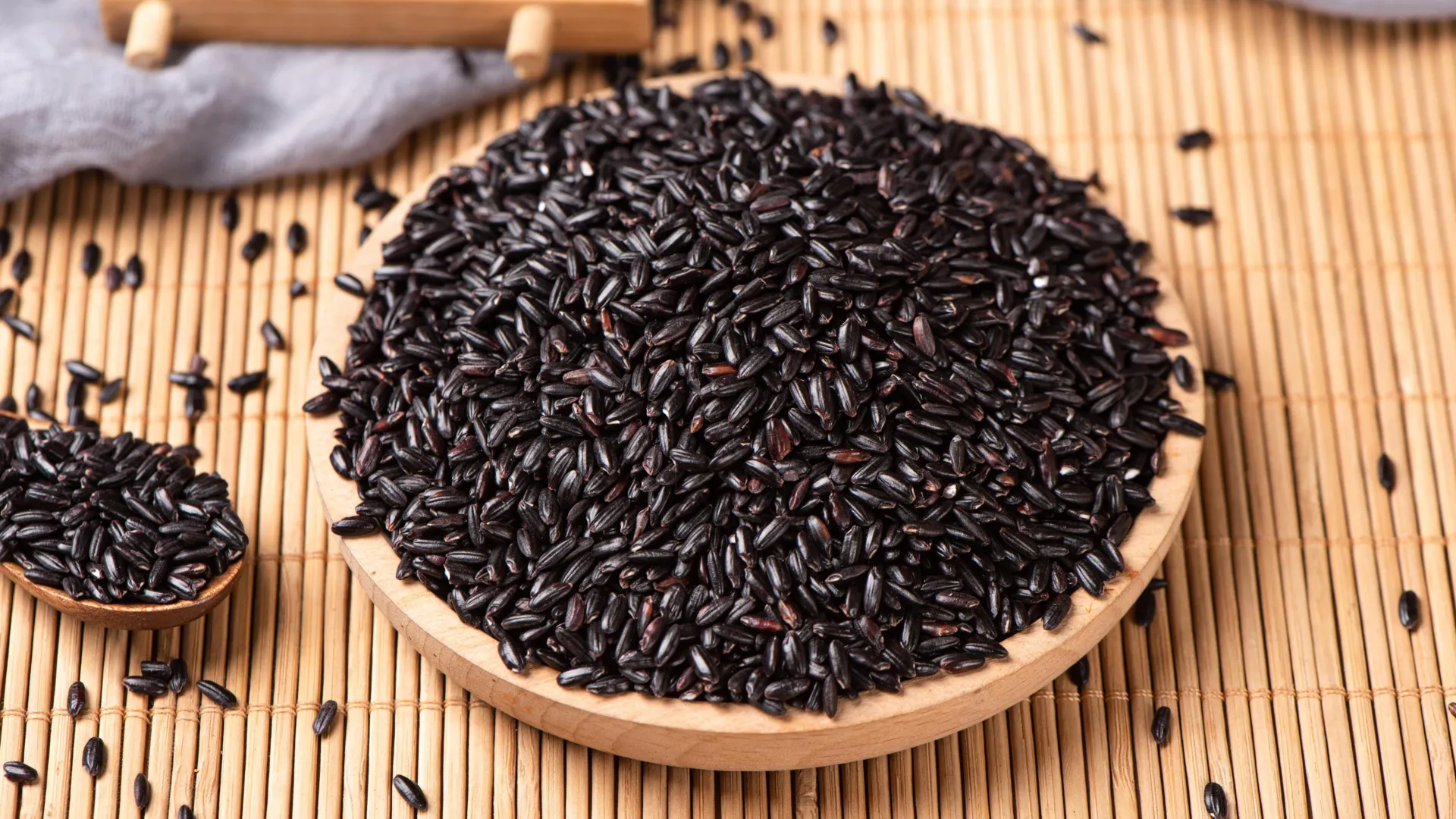
For more than half of the global population, rice is not merely a side dish; it is the fundamental pillar of daily caloric intake. Despite its ubiquity, our scientific understanding of this grain has remained curiously lopsided. For decades, the spotlight of nutritional science has been fixed firmly on starch, which constitutes over 85% of the grain’s composition. However, a groundbreaking study from Hokkaido University is shifting the narrative, suggesting that the true secret to rice’s health potential lies not in its carbohydrates, but in the minuscule, often ignored fraction of lipids that make up a mere 2% of the grain.
The Overlooked Component: Why Lipids Matter
While proteins (10%) and fats (2%) represent a small portion of the total grain, their impact on human health is disproportionately significant. Lipids are not merely caloric storage units; they are vital components of cell membrane integrity, energy storage, and the complex signaling processes that govern human metabolism.
"Although lipids make up only a small proportion of rice, they are critical in determining its nutritional value," explains Associate Professor Siddabasave Gowda, the study’s lead author. "They help maintain cell membrane integrity, store energy, and support essential signaling processes in the body."
Despite this, because lipids represent such a minor share of the grain, they have historically received far less attention than starch. The Hokkaido University team’s research, published in Food Research International, represents a paradigm shift, treating these fats not as background noise, but as the primary drivers of nutritional quality, flavor, and health-promoting potential.
Chronology of the Investigation
The research project was meticulously structured to bridge the gap between traditional agricultural knowledge and modern molecular science. The chronology of the discovery proceeded through several rigorous phases:
- Collection and Selection: The researchers curated a library of 56 distinct japonica rice cultivars collected from across Japan. Japonica—the short- to medium-grain variety prized for its soft, tender, and sticky texture—accounts for approximately 15% of global rice consumption. The sample set was diverse, encompassing brown, red, green, and black varieties.
- Molecular Mapping: Utilizing state-of-the-art analytical techniques, specifically liquid chromatography and mass spectrometry, the team performed a comprehensive lipidomic analysis. This allowed them to identify and catalog 196 distinct lipid molecules, categorized into five major groups.
- Digestive Simulation: Moving beyond composition, the team sought to understand biological impact. They utilized a laboratory-based, in vitro digestive model, treating cooked rice samples with human digestive enzymes to simulate the process of starch degradation.
- Comparative Analysis: By measuring the kinetics of starch breakdown, the team established a correlation between specific lipid profiles and the speed at which glucose is released into the bloodstream.
Supporting Data: The Case for Pigmented Varieties
The findings offer a compelling argument for the superiority of pigmented rice—specifically black and green varieties—over the standard white rice that dominates the global market.
The most striking discovery was the presence of two specific classes of lipids: FAHMFAs (fatty acid esters of hydroxy medium-chain fatty acids) and LNAPEs (N-acyl-lysophosphatidylethanolamines). While LNAPEs are known in some scientific circles, this study marks the first time that FAHMFAs have been identified within rice. In other biological systems, these lipids have been linked to significant anti-inflammatory effects and the promotion of metabolic health.
When the research team analyzed the digestive performance of these pigmented grains, the data was stark. The starch in black and green japonica rice broke down at a notably slower rate than that of traditional white rice. In a physiological context, this slower degradation translates to a more gradual rise in blood sugar, preventing the rapid glucose spikes that often lead to metabolic strain and insulin resistance.
Official Responses and Expert Insights
The study has been met with enthusiasm by the nutritional science community, largely because it provides a scientific foundation for dietary recommendations that have long been based on anecdotal evidence.
Associate Professor Gowda emphasizes that this work is merely the "tip of the iceberg" in terms of how we view food chemistry. "Our research group has discovered novel bioactive lipids in Japanese dietary fish, herbal teas, and seaweeds," Gowda notes. "By applying these same advanced analytical techniques to rice, we are shedding light on Japan’s underexplored lipid-rich food resources."
The research team advocates for a more informed consumer approach. By understanding that "rice" is not a monolith—and that the color of the husk is a proxy for complex, beneficial chemistry—consumers can make choices that actively participate in disease prevention.
Implications for Global Health and Functional Foods
The implications of this research extend far beyond the laboratory, potentially reshaping the multi-billion-dollar food industry. The data suggests that the unique lipid profile of pigmented rice could be leveraged to create "functional foods"—products specifically engineered to address lifestyle-related illnesses.
1. Managing the Diabetes Epidemic
With Type 2 diabetes reaching epidemic proportions globally, the search for dietary interventions that do not rely solely on medication is paramount. The discovery that black and green japonica rice can act as a natural, slow-release glucose source offers a non-pharmaceutical strategy for blood sugar management. If these rice varieties were integrated into school lunches, hospital menus, or mass-produced grain products, the cumulative impact on public health could be profound.
2. Redefining "Grain Quality"
Historically, "grain quality" in the rice industry has been defined by aesthetic appearance, cooking consistency, and yield. This research necessitates a move toward a more holistic definition of quality—one that includes the presence of bioactive lipids. As consumers become increasingly health-conscious, the demand for "nutrient-dense" rather than "calorie-dense" rice will likely force agricultural producers to prioritize the cultivation of these pigmented varieties.
3. The Future of Functional Food Development
The research team is already looking toward the future, hoping to collaborate with food manufacturers to isolate these beneficial lipids. By concentrating the bioactive components found in black and green rice, manufacturers could potentially fortify other foods, creating a new generation of health-focused products. Whether through the development of specialized rice-based supplements or the marketing of "functional" rice strains, the goal is to provide accessible, affordable, and effective tools for long-term health maintenance.
Conclusion: A Shift in Perspective
The Hokkaido University study serves as a timely reminder that nature’s most complex nutritional profiles are often hidden in plain sight. For generations, we have viewed rice through the narrow lens of starch, neglecting the nuanced chemistry of its lipids.
By identifying 196 distinct lipid molecules and confirming the anti-inflammatory and glycemic-regulating benefits of black and green rice, the researchers have provided the scientific community with a new roadmap for nutritional research. As we look toward the future of global food security and the management of metabolic diseases, it is clear that the solution may not lie in creating something new, but in better understanding what we have been eating all along.
"People may be interested in learning about the health benefits of different pigmented rice varieties and, based on this knowledge, choosing the type that best suits their needs," concludes Gowda. "We hope our findings will support the development of new ‘functional’ rice products to better manage diabetes and other lifestyle-related diseases."
As this research gains traction, it is likely that the "rice bowl" of the future will look very different—more colorful, more chemically complex, and, ultimately, much better for our collective health.