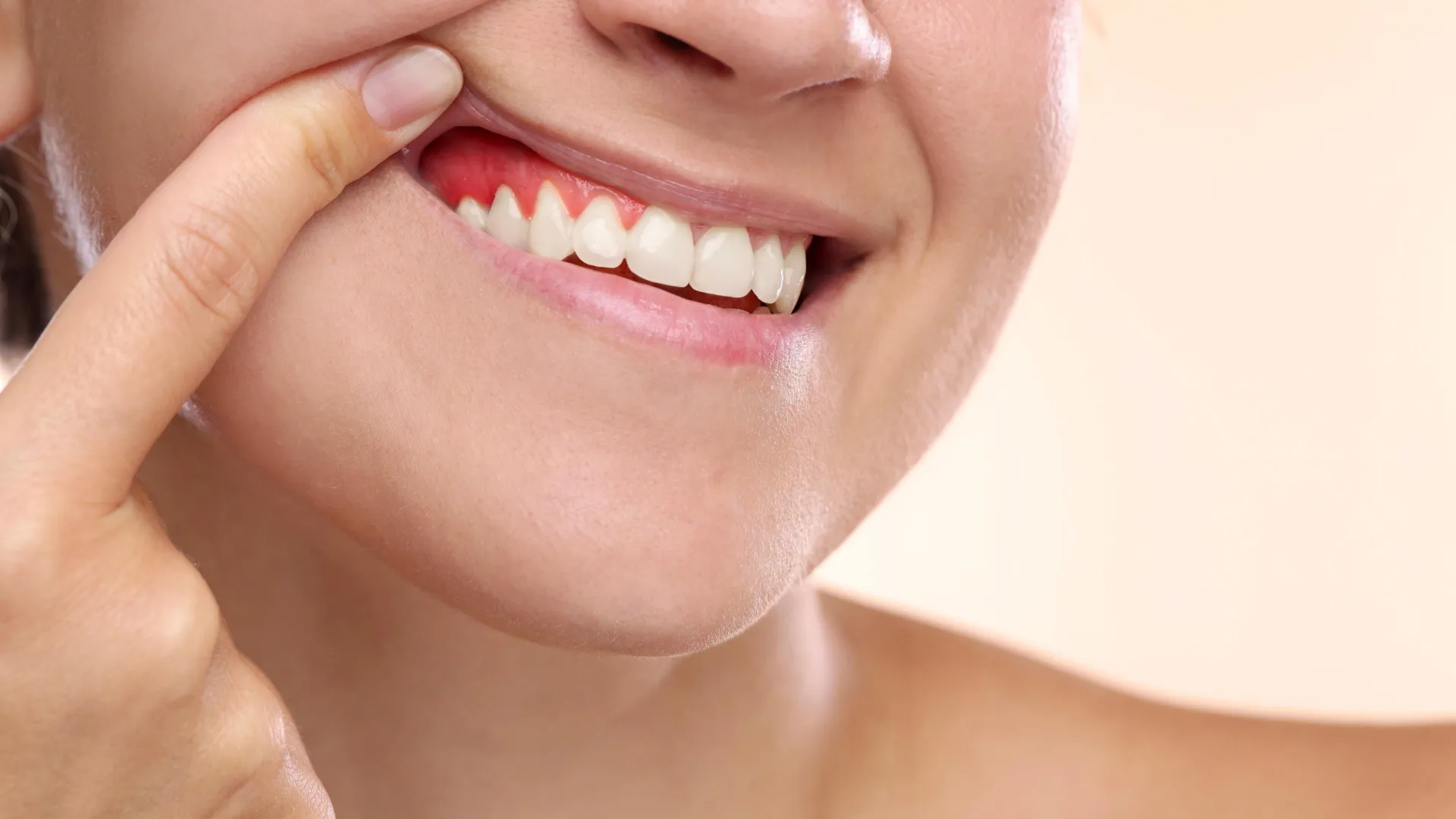
Introduction: A New Frontier in Oral Health
For decades, the standard of care for periodontal disease—a widespread, inflammatory condition that causes gum degradation and tooth loss—has been binary: professional plaque removal followed by rigorous daily oral hygiene. However, new research from King’s College London suggests that the key to managing gum disease may not just be found in the bristles of a toothbrush, but in the metabolic signals sent by the body during periods of caloric restriction.
In a landmark study published in the Journal of Clinical Periodontology (JCP), researchers have established a compelling link between a short-term, low-calorie, fasting-mimicking diet and a measurable reduction in systemic and oral inflammation. This study represents a significant shift in how dental medicine perceives the interplay between nutrition, metabolic health, and the oral microbiome.
The Chronic Burden of Periodontitis
Periodontitis is far more than a localized issue of "bleeding gums." It is a chronic, inflammatory disease that affects millions of people globally. Characterized by the destruction of the tissues that support the teeth, it is also intrinsically linked to severe systemic health conditions, including type 2 diabetes and cardiovascular disease.
Current clinical protocols focus almost exclusively on mechanical intervention—scaling and root planing to remove bacterial biofilms (plaque). While effective, these methods often fail to address the underlying systemic inflammation that allows the disease to persist or recur. As the global prevalence of metabolic disorders rises, the dental community has been searching for adjunctive therapies that can address the body’s inflammatory response from the inside out.
Chronology of the Clinical Trial
To investigate whether dietary intervention could alter the course of gum disease, researchers from King’s College London, in collaboration with clinical sites across Spain, conducted a controlled study involving 28 participants. The trial was structured to evaluate whether periodic, short-term fasting could serve as a manageable lifestyle intervention for periodontal patients.
The Six-Month Protocol
The participants were divided into two cohorts: a control group, which maintained their standard dietary habits, and an intervention group, which adhered to a specific, three-cycle fasting-mimicking protocol over the course of six months.
- Days 1–2: Participants consumed 1,100 calories per day.
- Days 3–5: Caloric intake was reduced to 750 calories per day.
- Day 6: A transition phase occurred where caloric intake was gradually increased using soft, easily digestible foods.
- Day 7: Participants returned to their normal, unrestricted diets.
This cycle was repeated at intervals throughout the six-month study period. Crucially, researchers noted that the participants reported the regimen as "relatively easy to follow," suggesting that the short duration of the restriction—rather than a permanent, daunting lifestyle overhaul—may increase long-term compliance among patients.
Analyzing the Data: Inflammation in Focus
At the conclusion of the six-month trial, the research team performed an exhaustive analysis of biological samples. They targeted two primary areas: systemic blood markers and the gingival crevicular fluid (GCF). The GCF is a vital diagnostic medium, as it acts as the primary defense mechanism within the periodontal pocket, protecting the gums from pathogenic microbes.
Key Findings
The results were stark:
- Reduction in Systemic Inflammation: The fasting group showed significantly lower levels of C-reactive protein (CRP), a master regulator and marker of systemic inflammation. This suggests that the diet was not just helping the gums, but was actively cooling down the body’s inflammatory "thermostat."
- Localized Gum Improvement: Molecules specifically associated with gum tissue inflammation were downregulated in those who fasted.
- Microbiological Implications: While further research is required, the reduction in inflammatory markers suggests that the oral environment became less hospitable to the bacteria that thrive in high-inflammation states.
Official Responses and Expert Insight
The research team at King’s College London emphasizes that these findings are a "proof of concept" rather than an immediate recommendation for all patients.
The Biological Mechanism
Prof. Luigi Nibali, the senior author of the study, provides a multifaceted explanation for why fasting appears to be so effective. "There may be multiple reasons why fasting is beneficial to gum disease patients," Nibali explains. "Fasting reduces oxidative stress, a common culprit in cellular and DNA damage. When we reduce the intake of high-calorific foods and refined carbohydrates—which are staples of the modern diet and known triggers for systemic inflammation—the body’s stress response naturally calms down."
Nibali also hints at the role of the microbiome. It is hypothesized that fasting may act as a "reset" button for the body’s community of beneficial bacteria, potentially favoring a healthier oral ecology.
Clinical Perspectives
Dr. Giuseppe Mainas, the study’s lead author, underscores the necessity of a nuanced approach. "Our study suggests that lifestyle modifications could be important alongside proper tooth brushing," he states. However, he is quick to warn against a "one-size-fits-all" application.
"We must be cautious," Mainas notes. "There are specific patient groups—particularly those living with diabetes or other metabolic vulnerabilities—for whom calorie restriction can be dangerous. Our next phase of research involves identifying how to deliver these metabolic benefits safely to high-risk groups who may not be medically cleared for fasting."
Implications: The Future of Periodontal Care
The implications of this study are vast, suggesting that the future of dentistry lies in an integrated, "whole-body" approach to treatment.
Bridging the Gap Between Oral and Systemic Health
This research builds upon a long history of study at King’s College London regarding the oral-systemic link. Last year, the same institution released findings indicating that the Mediterranean diet could reduce the severity of gum disease, and that successful treatment of periodontitis can, in turn, lower the risk of heart disease and diabetes.
By adding fasting-mimicking diets to the therapeutic toolkit, dentists could soon be prescribing "nutritional protocols" in addition to standard cleanings. This shift would position the dental office as a primary care hub, where oral health is treated as a vital indicator of overall physiological well-being.
The Path Toward Larger Trials
While the current study is a promising start, the researchers acknowledge the limitations of a 28-patient cohort. The next logical step is a large-scale, multi-center clinical trial to determine:
- Optimal Duration: How many cycles of fasting are necessary to maintain long-term gum health?
- Personalization: How can we tailor these diets to match a patient’s specific health history?
- Safety Protocols: What clinical monitoring is required to ensure that patients do not experience negative side effects?
Conclusion: A New Philosophy for Dentistry
The findings published in the Journal of Clinical Periodontology represent a paradigm shift. For too long, dentistry has been compartmentalized from the rest of medicine. By acknowledging that systemic metabolic states directly influence local gum tissue health, researchers have opened a new door.
If future, larger-scale studies confirm these initial findings, the "prescription" for gum disease may soon evolve. It may involve a combination of professional mechanical cleaning, rigorous home care, and a medically supervised, periodic dietary intervention.
As we move forward, the message from the researchers at King’s College London is clear: the path to a healthier smile may be as much about what we put into our bodies as what we brush off our teeth. The era of the "whole-body dentist" has arrived, and it promises a future where the health of the mouth is finally recognized for what it truly is—the gateway to the health of the entire person.
Funding for this research was provided through a Medical Research Council-Impact Accelerator Account (MRC-IAA) grant. The study is accessible in full via the Journal of Clinical Periodontology.