









In the complex landscape of oncology, the prevailing wisdom has long centered on the "broken lock" theory: cancer occurs when tumor suppressor genes—the body’s innate security system—fail to function, leaving DNA vulnerable to the accumulation of dangerous mutations. However, a groundbreaking study from the Penn State College of Medicine is challenging this paradigm, suggesting that sometimes the danger isn’t a lack of protection, but an overzealous, unregulated biological response.
Researchers have discovered that the protein EXO1, when produced in excessive quantities, can pivot from a DNA-repairing guardian to a destructive force that destabilizes the genome. This discovery, published in the journal Nature Communications, not only sheds light on the mechanical failures that drive cancer progression but also opens a new door for precision medicine, offering hope that patients currently ineligible for certain targeted therapies may soon have new, viable treatment options.
The Paradox of Protection: When Repair Mechanisms Turn Destructive
For decades, the scientific community has viewed proteins involved in DNA repair as the ultimate allies in the fight against malignancy. These proteins, including EXO1, act as molecular mechanics, patrolling the genome to trim damaged segments and stitch them back together, thereby preventing the errors that lead to uncontrolled cell growth.
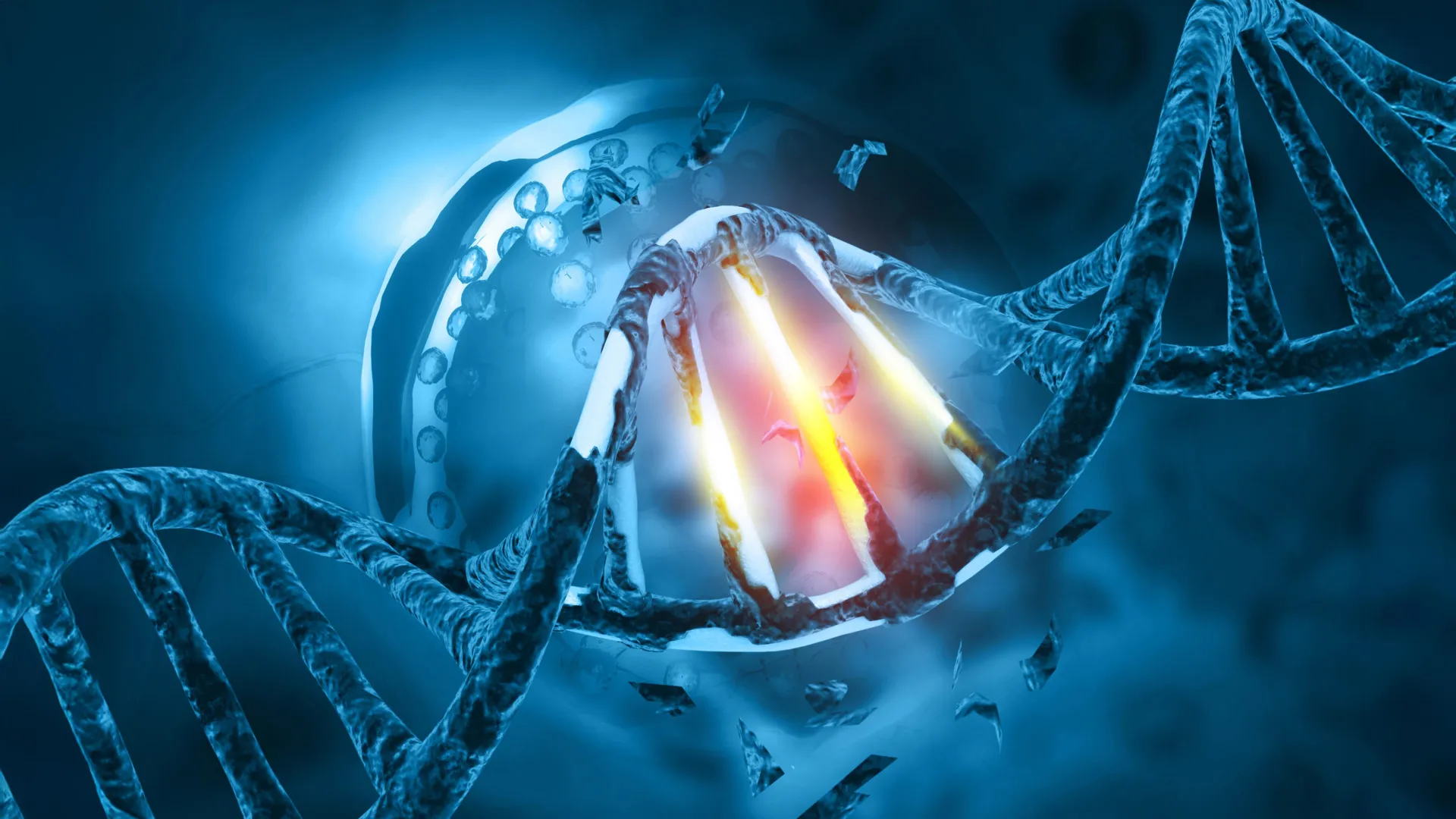
Under normal physiological conditions, EXO1 functions with surgical precision, acting like a pair of "molecular scissors" to excise damaged DNA sequences. However, the study led by the Penn State team reveals a precarious tipping point. When EXO1 is overexpressed, these molecular scissors become hyperactive, cutting DNA structures that are entirely healthy.
Instead of maintaining genomic integrity, the excess protein degrades the very genetic material it is meant to protect. This destabilization is a hallmark of aggressive cancer, as it forces the cell into a state of chronic genetic crisis. According to lead author Alexandra Nusawardhana, who conducted this research as part of her doctoral studies, this overactivity generates toxic lesions, specifically double-strand breaks, which eventually trigger cell death—a process that researchers believe paradoxically makes these tumors uniquely vulnerable to specific chemotherapeutic interventions.
Chronology of Discovery: From Genomic Mapping to Lab Validation
The road to this discovery began with a comprehensive data-mining effort using The Cancer Genome Atlas (TCGA), a premier National Cancer Institute initiative. By analyzing vast repositories of tumor genomics, the researchers identified a striking trend: EXO1 was significantly overexpressed in 20% to 30% of breast and ovarian cancers. Furthermore, this overexpression was identified in melanoma, testicular cancer, cervical cancer, and hepatobiliary cancers—malignancies affecting the liver, gallbladder, and bile ducts.
Once the correlation between EXO1 levels and cancer prevalence was established, the research team shifted to the laboratory to establish causality. Using human cancer cell lines, the scientists artificially elevated EXO1 production. To ensure the observed damage was due to the protein’s activity rather than its sheer physical presence, they engineered a "disabled" version of the protein that was structurally intact but biochemically inert.
The results were definitive: only the active, overproduced EXO1 caused the erosion of DNA. Through rigorous imaging and molecular analysis, the team observed that excess EXO1 works in tandem with another protein, MRE11, to enlarge single-stranded DNA gaps and degrade "reversed replication forks." This mechanical failure erodes the DNA, resulting in the localized loss of vital genetic material.
Supporting Data: The BRCA Parallel
One of the most significant findings of the study is the functional mimicry between EXO1-overexpressing tumors and BRCA-mutant tumors. The BRCA1 and BRCA2 genes are household names in oncology, known for their critical role in repairing DNA. When these genes are mutated, the cell loses its protective shielding, leading to a high risk of hereditary breast and ovarian cancers.
The Penn State study found that high levels of EXO1 create a cellular environment that is functionally indistinguishable from the loss of the BRCA pathway. Even in patients without a single BRCA mutation, the excessive EXO1 activity overwhelms the cell’s natural defenses, creating "BRCA-like" behaviors.
This observation is critical because it suggests that the vulnerability of these cells is not rooted in the absence of a specific gene, but in the presence of a specific molecular imbalance. The researchers noted that while BRCA mutations are inherited and fixed, EXO1 overexpression is not necessarily hereditary. This distinction is vital, as it implies that EXO1-related vulnerabilities may be transient or manageable through targeted intervention, even if the root cause of the overexpression remains complex.
Official Perspectives: Shifting the Paradigm of Precision Medicine
Dr. George-Lucian Moldovan, a professor of molecular and precision medicine and the senior author of the study, believes this research represents a fundamental shift in how we approach cancer classification.
"EXO1 doesn’t predict cancer risk, but it could potentially serve as a biomarker to help predict which patients are more likely to respond to certain chemotherapy treatments, leading to more personalized therapies," Dr. Moldovan stated. "We shouldn’t treat cancers based on what tissue they come from, but based on the landscape of the genetic mutations present in the tumors. That would result in high-efficiency treatment. That’s the future of cancer treatment."
Dr. Moldovan’s team posits that because EXO1-overexpressing tumors behave similarly to BRCA-mutant cancers, they should respond to the same arsenal of drugs currently reserved for BRCA-deficient patients. By expanding the use of these drugs, clinicians could provide targeted, lower-toxicity treatments to a much broader segment of the cancer population.
Clinical Implications: The Future of Targeted Therapy
The study’s most practical implication lies in its testing of existing drugs. The researchers applied olaparib—a PARP inhibitor typically used to treat BRCA-mutant cancers—to the EXO1-overexpressing cells. The cells showed high sensitivity to the drug, confirming that the therapeutic pathway could be effectively bypassed.
Furthermore, the team tested cisplatin, a common and potent chemotherapy agent. They found that tumors with elevated EXO1 levels were highly receptive to cisplatin. This suggests that physicians might be able to achieve the same tumor-shrinking outcomes with lower doses of the drug, significantly reducing the harsh side effects that patients typically endure during traditional chemotherapy.
Summary of Potential Impact:
- Biomarker Utility: EXO1 levels could be screened to identify patients who qualify for PARP inhibitors, even in the absence of traditional genetic markers like BRCA.
- Dose Optimization: The inherent vulnerability of EXO1-overexpressing cells might allow for lower-dose chemotherapy, improving the quality of life for patients undergoing treatment.
- Treatment Diversification: The finding offers a potential new avenue for treating basal-like breast cancer, an aggressive and notoriously difficult-to-treat form of the disease where EXO1 overexpression is frequently observed.
Conclusion and Future Directions
The findings published in Nature Communications serve as a potent reminder that the biological machinery of a cancer cell is a double-edged sword. While the study provides a robust framework for identifying a new class of "BRCA-like" tumors, it also highlights the necessity for further clinical exploration.
The research team, which includes contributors such as Assistant Professor Claudia Nicolae, is already looking toward the next phase of the project: the initiation of clinical trials. The goal is to move from the petri dish to the patient, validating these laboratory successes in a clinical setting.
Supported by the National Institutes of Health and the Four Diamonds fund, this research marks a pivotal step toward a future where cancer treatment is dictated by the specific molecular profile of a tumor rather than its organ of origin. By identifying how and why the cell’s own repair mechanisms can be weaponized against itself, researchers are unlocking the potential for therapies that are not only more effective but also significantly more personalized. As the field moves forward, EXO1 may well become a standard component of the diagnostic toolkit, helping clinicians choose the right weapon for the right battle.