








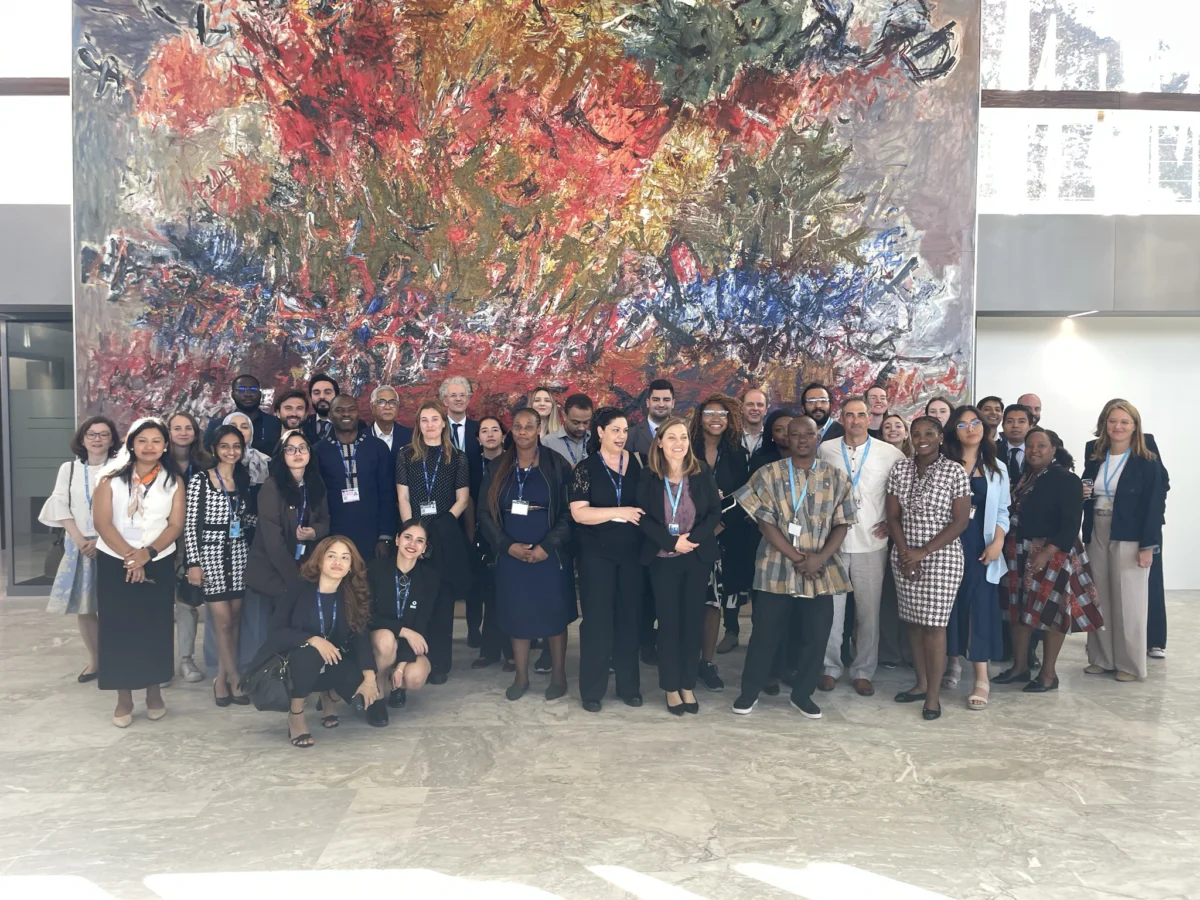
GENEVA, SWITZERLAND — The 79th World Health Assembly (WHA79) concluded last week in Geneva, marking a pivotal moment for the future of global respiratory health. As the primary decision-making body of the World Health Organization (WHO), the Assembly brought together delegates from 194 member states, alongside international health organizations and civil society leaders. While the plenary sessions covered a vast spectrum of global health security issues, a significant portion of the discourse focused on the urgent need to overhaul systems for the diagnosis, treatment, and environmental protection of the millions living with chronic lung conditions.
For patients suffering from conditions such as asthma, chronic obstructive pulmonary disease (COPD), and lung cancer, the outcomes of WHA79 are not merely bureaucratic footnotes; they represent the potential for structural change in how primary healthcare is delivered and how air quality is regulated on a global scale.
The Core Mandate: Bridging the Gap in Respiratory Care
Chronology of Discussions
The week-long assembly featured a high-profile side event titled, “From Global Commitments to Integrated Lung Health Action: Advancing early diagnosis of lung cancer and access to inhaled medicines for COPD and asthma.” Hosted by Malaysia in collaboration with the International Union Against Tuberculosis and Lung Disease, the Union for International Cancer Control, and the Forum of International Respiratory Societies, the session served as the week’s centerpiece for respiratory advocacy.
Representatives from Kenya, the Philippines, and Brazil shared regional perspectives, illustrating a common narrative: despite significant advancements in medical technology, the “last mile” of healthcare delivery remains fractured. The discussion centered on the implementation of the WHO Lung Health Resolution—a landmark policy framework designed to mandate that member states prioritize respiratory care within their national universal health coverage (UHC) schemes.
The Two Pillars of Reform
Speakers identified two critical failures in the current global health landscape that prevent effective lung health management:
- Diagnostic Delays: In many low- and middle-income countries, the absence of accessible spirometry and diagnostic imaging leads to late-stage discovery of lung conditions. By the time a patient is symptomatic enough to seek help, the disease has often progressed to a point where treatment efficacy is drastically reduced.
- Access to Essential Medicines: Even when diagnosed, patients often face a lack of consistent access to affordable, high-quality inhalers. These devices are the frontline defense against symptom exacerbation and hospitalization, yet supply chain instabilities and high costs remain significant barriers.
Supporting Data: The Invisible Crisis of Air Quality
While clinical care is essential, the WHA79 sessions underscored that medicine alone cannot solve the global respiratory burden if the environment remains toxic. Data presented at the assembly was stark: almost every human being on the planet is currently exposed to levels of air pollution that exceed WHO safety guidelines.
The Indoor Air Quality Initiative
A notable focus of WHA79 was the push for a future WHO Resolution on Healthy Indoor Air. It is estimated that humans spend approximately 90% of their time indoors, yet indoor air quality—often impacted by biomass burning, cooking fuels, poor ventilation, and chemical pollutants—remains a neglected pillar of public health.
The implications for respiratory patients are severe. For someone with asthma or COPD, an unventilated home is not just a living space; it is a trigger for life-threatening exacerbations. The assembly heard compelling arguments that investments in clean indoor air are essentially "preventative medicine." By reducing exposure to pollutants, nations can lower the incidence of chronic respiratory disease, thereby alleviating the crushing financial pressure on national health systems.
The Role of Lived Experience in Policy Making
A defining feature of WHA79 was the unprecedented inclusion of civil society and patient advocates. Through the WHO Civil Society Commission, patient representatives—including advocates like Kjeld, who participated in high-level dialogues—ensured that the voices of those directly affected were woven into the policy fabric.
The Case for Sustainable Funding
The European Lung Foundation (ELF), in coordination with the Civil Society Commission, joined a coalition of organizations to release a joint statement on sustainable healthcare funding. The statement warned that as global budgets tighten, essential services for chronic conditions are often the first to face austerity measures.
The coalition’s argument was clear: health systems must move away from a "hospital-centric" model. Instead, they advocated for:
- Primary Care Integration: Strengthening community-based clinics where diagnosis and maintenance medication are readily available.
- Participatory Governance: Ensuring that patient organizations are not merely spectators but active partners in the decision-making processes regarding how health budgets are allocated.
- Health Equity: Prioritizing the needs of vulnerable populations, particularly in the Global South, to ensure that geography and socioeconomic status do not dictate one’s ability to breathe.
Implications for the Future
As the delegates return to their respective nations, the real work of WHA79 begins. The resolutions passed and the commitments made in Geneva are set to guide global health strategy for the next decade.
Strengthening National Policies
The influence of WHA79 will be felt in the coming years as countries begin to update their national respiratory health strategies. The focus is shifting toward "integrated care," where lung health is not treated in isolation but as part of a comprehensive approach to non-communicable diseases (NCDs). This means that a primary care physician should be as equipped to manage a COPD patient as they are to manage a diabetic patient.
The Path Forward
The assembly made it clear that the status quo is unsustainable. With millions of premature deaths linked to air pollution and the rising prevalence of chronic lung conditions, the WHO is signaling a shift toward more proactive, preventive, and patient-centered policies.
For organizations like the ELF, the challenge now lies in holding governments accountable to the pledges made in Geneva. The inclusion of lived experience has set a new precedent for transparency; moving forward, global health policy can no longer be drafted behind closed doors without the input of those whose lives depend on the outcome.
A Call to Action
As the global community reflects on the outcomes of WHA79, the consensus is that the tools for change exist—be it the medical technology for inhalers, the policy frameworks for cleaner air, or the models for community-based care. The remaining hurdle is political will.
The progress made at WHA79 provides a roadmap. If member states honor the resolutions regarding lung health and clean air, we may see a significant reduction in the burden of respiratory disease by the end of the decade. However, this will require a sustained, multi-sectoral effort that recognizes the fundamental human right to breathe clean air and access the care necessary to sustain that right.
Summary of Key Takeaways
- Integration: Lung health must be integrated into primary and community-based healthcare to ensure early diagnosis and ongoing treatment.
- Environment as Health: Indoor and outdoor air quality are now recognized as critical determinants of respiratory outcomes, with a formal push for a global resolution on healthy indoor air.
- Patient Agency: The formal role of the Civil Society Commission at WHA79 marks a shift toward more democratic, experience-led health governance.
- Sustainable Funding: Protecting healthcare budgets during economic downturns is vital to preventing a surge in avoidable hospitalizations and long-term health crises.
For more detailed information on the proceedings and the specific resolutions adopted, stakeholders are encouraged to visit the official WHA79 documentation portal. As the global health community moves forward, the success of these initiatives will be measured not in meetings held, but in the improved quality of life for the millions of people living with lung conditions worldwide.