








Aging research is currently undergoing a fundamental paradigm shift. For over a decade, the scientific community has been captivated by the concept of "zombie cells"—senescent cells that have permanently exited the cell cycle, accumulating in tissues and secreting a toxic cocktail of inflammatory molecules. Historically, the prevailing consensus was clear: these cells are the primary culprits behind age-related decline, and the logical solution was to eradicate them entirely.
However, a landmark review published on May 4, 2026, in Volume 18 of Aging-US suggests that this binary view of "good cells versus bad cells" is dangerously reductive. The study, titled "Cellular senescence: from pathogenic mechanisms to precision anti-aging interventions," challenges the status quo, arguing that senescent cells are not inherently pathogenic. Instead, they represent a highly diverse, context-dependent population that can serve as either a biological hazard or a vital guardian of tissue integrity.
The Complexity of Cellular Senescence: A New Understanding
Led by first author Jian Deng and corresponding author Dong Yang from the Department of Targeting Therapy and Immunology at West China Hospital, Sichuan University, the review synthesizes years of mounting evidence to provide a more nuanced roadmap for future geroprotection.
Defining the Senescent State
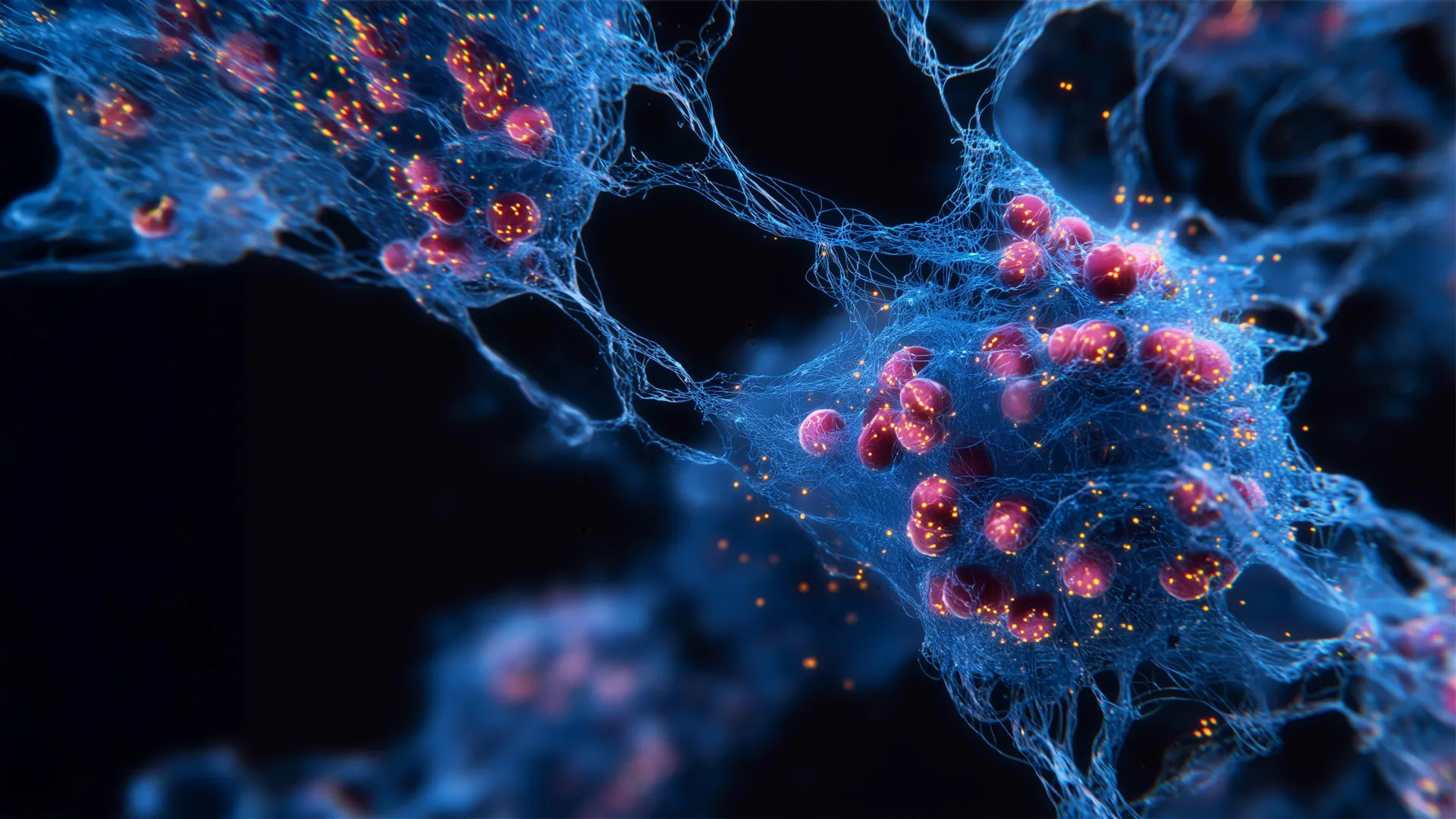
Senescent cells are defined by their permanent cell-cycle arrest, triggered by a variety of stressors including telomere shortening, DNA damage, oxidative stress, mitochondrial dysfunction, and environmental pollutants like ultraviolet radiation. Once triggered, these cells do not simply disappear; they persist, often altering their gene expression profiles and communicating with their neighbors via the senescence-associated secretory phenotype (SASP)—a complex web of cytokines, chemokines, and growth factors.
The Duality of Function
The primary revelation of the Sichuan University study is that senescence is not a monolithic state. In the liver, lungs, kidneys, heart, brain, and skin, these cells play a critical role in embryonic development and wound healing. When a tissue is damaged, certain cells become senescent to prevent the proliferation of damaged DNA and to recruit immune cells to the site of injury. In these instances, they act as "biological scaffolds," facilitating repair and maintaining tissue equilibrium.
It is only when these cells persist long-term, and their SASP becomes chronic, that they transition from helpers to hinderers. When they accumulate in high numbers, they begin to disrupt the normal structure of organs, driving chronic inflammation, metabolic disorders, and even cancer progression.
Chronology: From Discovery to Precision Therapy
The evolution of senescent cell research has moved through distinct phases over the last two decades, reflecting our growing technical sophistication:
- 2000s–2010s: Identification of the "Zombie" Phenomenon. Scientists established that senescent cells accumulate with age and contribute to the "inflammaging" process. The focus was on characterizing the SASP and demonstrating that these cells were present in most age-related pathologies.
- 2015–2020: The Senolytic Boom. The discovery of the first generation of "senolytics"—drugs like dasatinib, quercetin, and fisetin—proved that killing senescent cells could extend healthspan in mouse models. This era was characterized by the "slash and burn" approach: if a cell is senescent, it should be removed.
- 2021–2025: Recognition of Heterogeneity. As researchers began to observe that broad removal of senescent cells caused side effects—such as delayed wound healing and impaired organ structure—the field began to pivot toward understanding cell subtypes.
- 2026–Present: The Era of Precision Geroprotection. The current phase, as highlighted by the Deng and Yang review, focuses on high-resolution mapping and targeted intervention. The goal is no longer to eliminate all senescent cells, but to specifically target "maladaptive" populations while sparing those that remain functional.
Supporting Data: Why Context Matters
The Sichuan University review emphasizes that senescence is highly cell-type specific. A senescent fibroblast in the skin may be crucial for maintaining structural integrity, while a senescent macrophage in the lung may be driving fibrosis.
The Role of Omics and Spatial Profiling
The authors point to emerging technologies—specifically single-cell omics, lineage tracing, and spatial profiling—as the essential tools for the next generation of research. These technologies allow scientists to map the precise location of a senescent cell and determine its functional role based on its neighbors. By analyzing the "neighborhood" of a senescent cell, researchers can distinguish between a cell that is actively aiding in tissue homeostasis and one that is contributing to a pathogenic environment.
The Failure of Indiscriminate Clearance
Data from recent clinical trials and pre-clinical studies cited in the review indicate that indiscriminate removal of senescent cells carries significant risks. In sensitive organs like the heart and brain, the structural integrity provided by certain senescent cell populations is vital. The authors argue that "senolytic" drugs that lack specificity could potentially lead to premature aging of these organs, undoing the very health benefits the therapy was intended to produce.
Official Responses and Strategic Implications
The research community has reacted to these findings with a mix of excitement and caution. Dr. Jian Deng notes that the field is at a crossroads: "We are moving away from the simplistic idea that senescence is purely an aging villain. Our focus must now shift to the evolution of functional phenotypes across diverse tissues."
The Move Toward Senomorphics
One of the most promising alternatives to killing senescent cells is the use of "senomorphic" therapies. Rather than destroying the cell, these interventions aim to modulate the SASP, essentially "muting" the inflammatory signals that cause damage. This allows the cell to remain in place, performing its structural or regulatory roles, without the systemic harm associated with chronic inflammation.
The Rise of CAR-T Immunotherapy
The review highlights that we are beginning to see the adaptation of cancer-fighting technologies to aging. CAR-T cell therapy, which has revolutionized oncology by training the immune system to hunt down cancer cells, is now being repurposed to recognize specific markers on the surface of maladaptive senescent cells. This represents the pinnacle of precision medicine: a "seek and destroy" mission tailored only to the cells that are actively causing harm.
Future Implications: The Path to Personalized Geroprotection
The implications of this research are profound for the future of medicine. We are moving toward a future where "anti-aging" is not a one-size-fits-all supplement or drug regimen, but a highly personalized medical strategy.
The Challenges Ahead
Despite the promise, the authors are clear about the hurdles that remain:
- Biomarker Identification: We still lack a "universal signature" to identify which cells are beneficial and which are harmful in real-time.
- Delivery Mechanisms: Safely delivering therapies to specific organs—like the brain—without inducing systemic side effects remains a significant engineering challenge.
- Long-term Predictability: Because we do not yet fully understand how senescent cell populations shift over decades, the long-term impacts of early intervention are still a matter of debate.
A New Philosophy of Aging
The ultimate takeaway from the Sichuan University review is a shift in philosophy. Aging is not a disease to be cured by erasing the past, but a biological process to be managed with precision. By viewing senescent cells as a double-edged sword, researchers are developing more sophisticated ways to protect the body.
Instead of an indiscriminate war on "zombie cells," the future of longevity medicine will be defined by stewardship—identifying and removing the rogue actors while supporting the cells that help keep us whole. This transition from "senolysis" to "precision geroprotection" marks the most significant advancement in the history of aging research, offering a realistic, science-based path toward a healthier, more vibrant human lifespan.