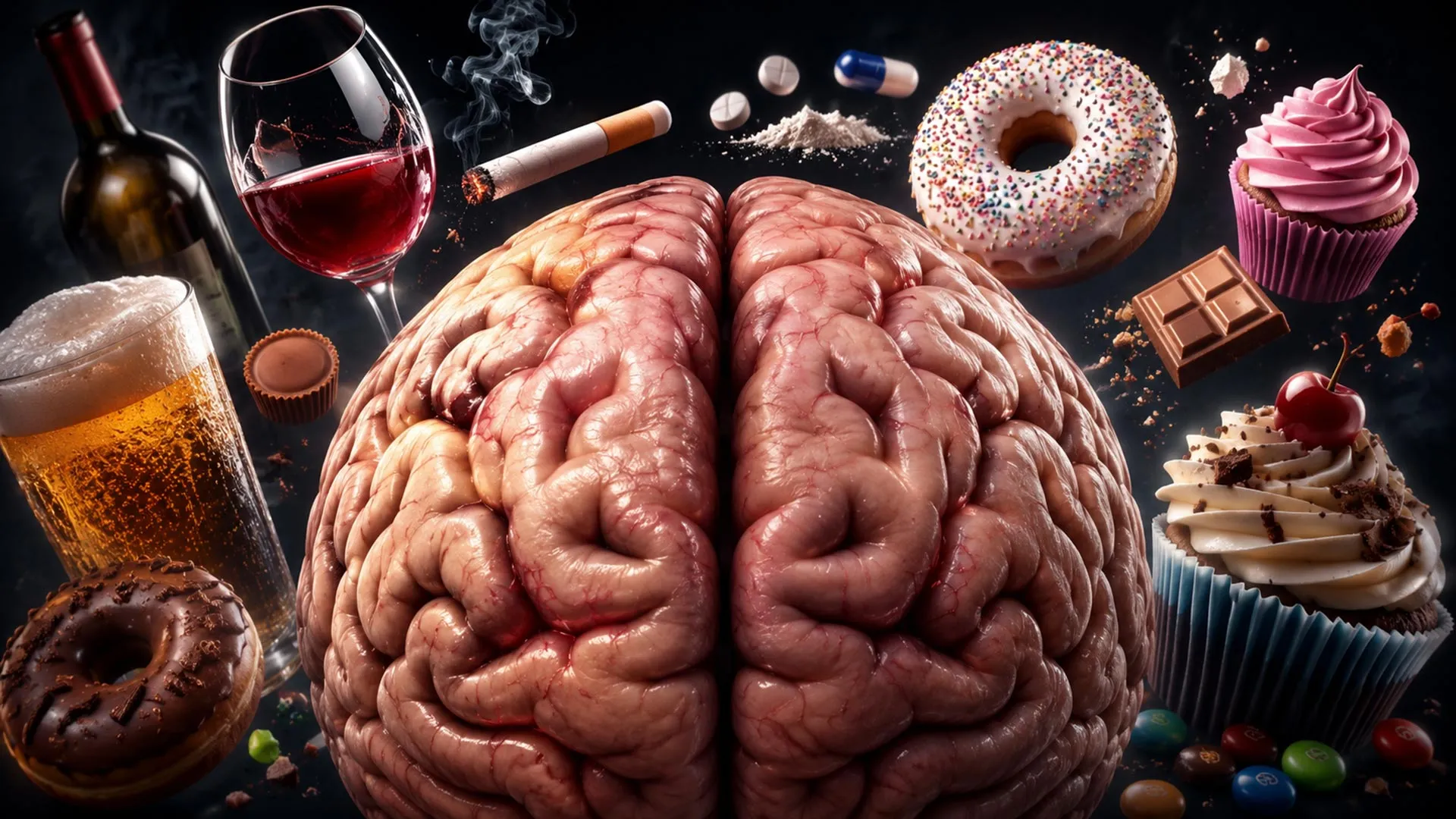
For decades, the human brain’s reward system was viewed as a relatively straightforward mechanism: we desire a stimulus, the brain releases dopamine, we consume the stimulus, and we feel satisfied. However, a groundbreaking discovery involving a new class of medications—originally designed to manage type 2 diabetes—is forcing neuroscientists to rethink how cravings, memories, and physical consumption intersect.
The rise of GLP-1 agonists, such as Ozempic and Wegovy, has transcended their initial purpose of blood sugar regulation. As millions of patients report a mysterious "quieting" of their cravings—not just for food, but for alcohol, nicotine, and even narcotics—researchers are finally identifying the neural control center responsible for translating desire into action.
Main Facts: The GLP-1 Revolution
GLP-1 (glucagon-like peptide-1) agonists mimic a naturally occurring hormone that stimulates insulin release, slows gastric emptying, and induces a profound sense of satiety. While these drugs were approved to combat obesity and diabetes, clinical observations have revealed an unexpected side effect: the dampening of addictive behaviors.
The data is compelling. Studies have indicated that patients on these medications show a marked reduction in alcohol consumption. Preclinical research, meanwhile, has demonstrated that GLP-1 agonists can suppress the urge for addictive substances ranging from cocaine and amphetamines to opioids and nicotine. This shift suggests that the drugs do not merely affect the stomach or the pancreas; they are acting directly upon the architecture of the brain, specifically targeting the regions that govern our "will to consume."
A Chronological History of Reward and Addiction
The study of reward-driven behavior is deeply rooted in the 20th century, but our understanding of its pathology has evolved significantly.
- The 1950s (The Discovery of Septal Rage): In 1953, researchers Joseph Brady and Walle Nauta introduced the concept of "septal rage." By studying the lateral septum—a region of the brain involved in emotional regulation—they discovered that damage to this area triggered extreme aggression, while stimulation could effectively suppress it.
- The 1970s (Vivid Imagery and Addiction): By the late 1970s, psychological research began to solidify the link between vivid mental imagery and substance abuse. Scientists posited that the ability to visualize a reward—a "mental photograph" of a burger or a glass of beer—was a primary driver for addictive behavior.
- The 2000s (Dopamine and the Reward Circuitry): For years, the scientific consensus focused on the ventral tegmental area (VTA) and the nucleus accumbens (NAc). These dopamine-rich areas were considered the "ground zero" of addiction. However, this model had a glaring hole: these regions lack a significant density of GLP-1 receptors, meaning they could not explain why GLP-1 drugs were so effective at curbing cravings.
- The 2020s (The Lateral Septum Breakthrough): Recent research has reframed the lateral septum from a mere emotional regulator into a sophisticated "reward control center." Current studies indicate that this region is the missing link in the chain of addiction, serving as the interface between memory and dopamine production.
Supporting Data: The Neural Mechanism
To understand why GLP-1 agonists work, one must look at the hippocampus—the brain’s GPS and library of episodic memory. The hippocampus contains "place cells," which track where we are in space and time. This spatial information is forwarded to the lateral septum.
Critically, the lateral septum also contains place cells, but with a unique function: they respond to rewards. If the hippocampus tells the brain where you are, the lateral septum adds the context of what is good in that location. This creates a conscious perception of desire.
The lateral septum then communicates this "craving" to the dopamine-producing regions of the brain. When this communication is active, the brain experiences a "go" signal for consumption. The breakthrough realization is that the lateral septum is "loaded" with GLP-1 receptors. When a GLP-1 agonist is introduced, it effectively "mutes" this signal. By reducing activity in the lateral septum, the drug prevents the brain from effectively communicating the "reward value" of a stimulus to the rest of the reward circuitry. In essence, the drug breaks the link between the memory of a reward and the motivation to pursue it.
Official Responses and Clinical Implications
The medical community is currently in a state of cautious optimism. While the anecdotal and preclinical evidence is overwhelming, regulatory bodies like the FDA and health organizations are calling for large-scale, long-term clinical trials to determine the safety and efficacy of using these drugs for addiction disorders.
"The shift in perspective is profound," says one lead researcher in the field. "We are no longer looking at addiction as a mere failure of willpower. We are looking at it as a signaling malfunction in the lateral septum that can be pharmacologically managed."
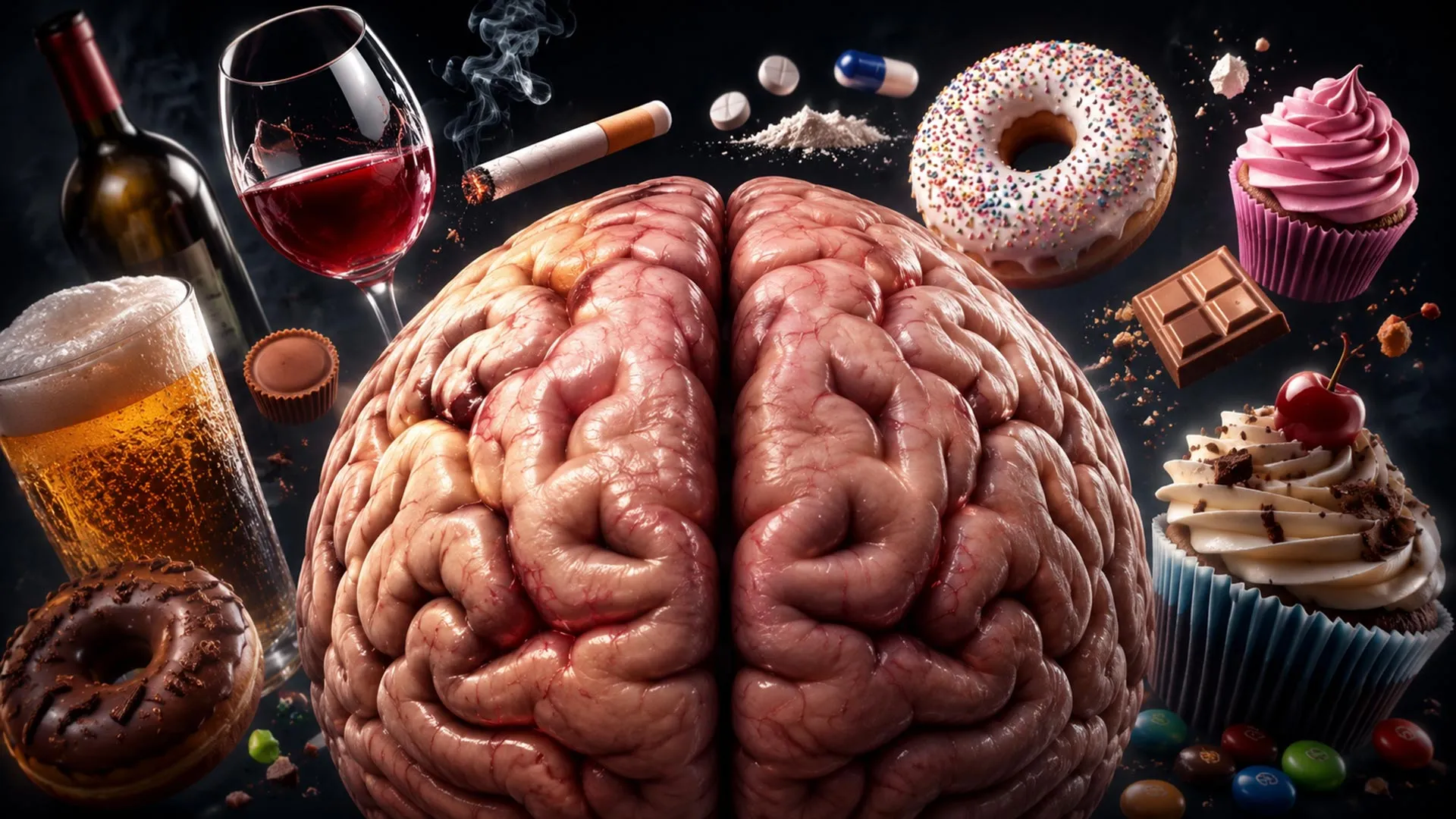
Psychiatrists and addiction specialists have noted that the "anti-consumption" effect is not limited to food. Patients often report that their "background noise" of cravings for tobacco or alcohol simply fades away. This has led to a flurry of new studies exploring the use of semaglutide and liraglutide as potential therapeutic tools for treating substance use disorders (SUDs).
However, experts warn against the "magic pill" narrative. Addiction is a multifaceted condition involving social, environmental, and psychological triggers. While GLP-1 agonists may quiet the neural "call" to consume, they do not erase the underlying habits or traumas that often underpin addictive behaviors.
Implications for Future Medicine
The implications of this research are vast, extending far beyond the current obesity epidemic.
1. A New Framework for Addiction Treatment
By targeting the lateral septum, we may move away from treatments that simply block dopamine (which often cause depression or lethargy) toward treatments that regulate the anticipation of reward. This could lead to a new generation of pharmaceuticals that help patients "decouple" the mental image of a substance from the urge to consume it.
2. Personalized Neuroscience
As we map the connectivity of the lateral septum, we may be able to identify which patients are most susceptible to specific types of addiction based on the density of their GLP-1 receptors. This opens the door to precision medicine, where addiction treatment is tailored to the individual’s neurobiology rather than a one-size-fits-all approach.
3. Rethinking Behavioral Health
The success of GLP-1 agonists in reducing addictive behavior reinforces the theory that the brain is a highly plastic, interconnected system. If we can treat obesity, alcoholism, and smoking through a single pathway, it forces us to ask: what other common behavioral disorders are rooted in this same "reward control center"? Researchers are already looking into whether these drugs could assist with compulsive shopping, gambling, and other behavioral addictions.
4. Ethical Considerations
As with any powerful medication that alters brain function, there are ethical questions to consider. If we can pharmacologically "dampen" the drive for certain rewards, what are the long-term consequences for human motivation? Could the widespread use of such drugs diminish the ability to experience natural, healthy pleasures? These are questions that will require robust public debate as the usage of these drugs continues to scale.
Conclusion: A New Horizon
The discovery that the lateral septum serves as a gateway to the brain’s reward system has changed the landscape of neuroscience. By focusing on how we "think about" rewards rather than just how we "feel" them, we have unlocked a potential new frontier in medicine.
While the journey from a laboratory in 1953 to the current clinical trials of 2025 has been long, the destination appears to be a more nuanced, biological understanding of human desire. We are learning that the "vivid mental images" that drive our behaviors are not immutable commands; they are signals that can be modulated. As we continue to investigate the role of GLP-1 in the lateral septum, we may finally be closing the gap between understanding addiction and effectively treating it.