











In an increasingly fast-paced global society, stress has transitioned from a temporary survival mechanism into a pervasive, chronic condition for millions. While the "fight or flight" response was once essential for human survival against immediate physical threats, the modern landscape of economic instability, digital saturation, and social pressure has created a state of perpetual alertness. Medical experts and mental health organizations, including the Depression and Bipolar Support Alliance (DBSA), are increasingly sounding the alarm: when stress becomes a permanent fixture of life, it ceases to be a motivator and becomes a destructive force affecting every biological system.
Main Facts: The Multi-Systemic Impact of Chronic Stress
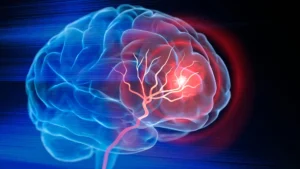
Stress is not merely a "feeling" or a state of mind; it is a complex physiological cascade that begins in the brain and radiates throughout the body. When a person perceives a challenge or threat, the hypothalamus—a tiny region at the base of the brain—sets off an alarm system. Through a combination of nerve and hormonal signals, this system prompts the adrenal glands to release a surge of hormones, most notably adrenaline and cortisol.
Physical Manifestations and Autonomic Disruptions
The immediate physical effects of stress are often the most visible, yet they are frequently dismissed as minor inconveniences. According to clinical data, these symptoms are indicative of a body struggling to maintain homeostasis:
- Neurological and Equilibrium Issues: The sudden influx of adrenaline can lead to significant tremors, dizziness, or a feeling of being "off-balance." This "shakiness" is the result of the body priming its muscles for rapid action that never occurs, leading to jitteriness and physical instability.
- Cardiovascular Strain: Stress is a primary driver of hypertension (high blood pressure). This elevation in pressure often manifests as hot flashes and excessive perspiration. Over the long term, chronic high blood pressure damages the arterial walls and increases the workload on the heart, potentially leading to arrhythmias, chest pain, and a heightened risk of myocardial infarction.
- Metabolic and Endocrine Changes: The hypothalamus-pituitary-adrenal (HPA) axis governs the release of cortisol. Cortisol’s primary function in a crisis is to increase glucose (sugar) in the bloodstream to provide energy. However, chronic elevation of blood sugar can lead to insulin resistance and type 2 diabetes.
- Immune System Suppression: Perhaps the most insidious effect is the gradual erosion of the immune response. Cortisol initially reduces inflammation, but prolonged exposure causes the immune system to become "desensitized," leaving the individual more susceptible to infections and slowing the healing process.
- Gastrointestinal and Somatic Distress: The "gut-brain axis" ensures that mental stress translates directly into digestive upset. This often manifests as chronic diarrhea, stomach cramping, and nausea. Furthermore, the constant tension in the neck and shoulder muscles frequently results in debilitating tension headaches.
The Mental and Emotional Toll
The psychological impact of stress is equally devastating, often serving as a precursor to more severe clinical mental health conditions.
- Emotional Regulation: Chronic stress wears down the brain’s ability to regulate mood, leading to increased irritability, flashes of anger, and a diminished capacity for patience.
- Cognitive Distortion: Individuals under long-term stress often report a "darkened" outlook on life. This is frequently accompanied by irrational feelings of guilt and a sense of hopelessness.
- The Link to Anxiety and Depression: The National Institute of Mental Health (NIMH) identifies chronic stress as a primary risk factor for the development of anxiety disorders and clinical depression. The exhaustion of the brain’s neurotransmitter reserves—such as serotonin and dopamine—leaves the individual vulnerable to mood disorders.
Chronology: From Evolutionary Survival to Modern Malady
To understand the current stress crisis, one must look at the evolution of human biology versus the evolution of human society.
The Pre-Industrial Era: Acute Stress
For the vast majority of human history, stress was "acute." It was a short-term burst of energy required to escape a predator or survive a natural disaster. Once the threat passed, the parasympathetic nervous system would take over, allowing the body to "rest and digest."
The Mid-20th Century: The Discovery of "Stress"
The term "stress" as we use it today was popularized in the 1930s by endocrinologist Hans Selye. He identified the "General Adaptation Syndrome," noting that the body goes through three stages: Alarm, Resistance, and Exhaustion. This was the first time the medical community recognized that staying in a state of "resistance" for too long would inevitably lead to physical "exhaustion" or systemic failure.
The Late 20th Century: The Rise of the Knowledge Economy
As the global economy shifted from physical labor to cognitive labor, the nature of "threats" changed. Deadlines, financial debt, and social competition replaced physical predators. Because these threats are often intangible and persistent, the body’s "off switch" for stress was rarely activated.
The 21st Century: The Digital Age and the Pandemic
The advent of smartphones and the "always-on" work culture eliminated the boundaries between professional and personal life. The COVID-19 pandemic served as a global catalyst, compounding existing stressors with health fears, social isolation, and economic volatility. Today, stress is no longer an occasional visitor; for many, it is the environment in which they live.
Supporting Data: The Magnitude of the Crisis
Recent statistics paint a sobering picture of the prevalence of stress and its secondary consequences:
- Substance Misuse: Data indicates a strong correlation between high stress levels and the misuse of cigarettes, alcohol, and prescription drugs. Many individuals turn to these substances as a form of "self-medication" to dampen the physiological arousal of stress, often leading to addiction and further health complications.
- Sleep Deprivation: The American Psychological Association (APA) reports that nearly 40% of adults lie awake at night due to stress. Insomnia created by stress leads to daytime sleepiness, reduced cognitive function, and a higher risk of workplace accidents.
- Economic Cost: Workplace stress is estimated to cost the U.S. economy more than $300 billion annually in absenteeism, turnover, and diminished productivity.
- Health Risks: Research suggests that 60% to 80% of primary care doctor visits are related to stress-induced illnesses, yet only a small fraction of these patients receive stress management counseling.
Official Responses: Strategies for Management and Mitigation
In response to this growing health crisis, organizations like the DBSA and various clinical bodies have developed frameworks to help individuals regain control.
The DBSA Wellness Wheel
The Depression and Bipolar Support Alliance emphasizes a "holistic" approach to health. Their "Wellness Wheel" is a tool designed to help individuals evaluate their lives across several dimensions:
- Physical: Sleep, diet, and exercise.
- Financial: Managing the stress of debt and budgeting.
- Social: Building a support system to buffer against isolation.
- Environmental: Creating a calm and safe living space.
Clinical Recommendations
Medical professionals advocate for a multi-pronged strategy for managing chronic stress:
- Early Intervention: Recognizing the signs—such as excessive urination, digestive issues, or irritability—before they escalate into chronic disease.
- Professional Consultation: Talking to a primary care physician or a mental health specialist is critical. Doctors can rule out other medical conditions and provide referrals for Cognitive Behavioral Therapy (CBT), which helps reframe stressful thoughts.
- Mindfulness and Breathwork: Techniques that activate the vagus nerve can help bypass the "fight or flight" response and engage the body’s natural relaxation mechanisms.
Implications: The Future of Public Health
The long-term implications of the current stress epidemic are profound. If left unaddressed, the strain on national healthcare systems will continue to rise as stress-related chronic conditions—such as heart disease, diabetes, and mental health disabilities—become even more prevalent.
Furthermore, there is a growing societal implication regarding the "normalization" of burnout. As more people succumb to the effects of chronic stress, there is an urgent need for structural changes in how we work and live. This includes advocating for better work-life balance, mental health days, and destigmatizing the act of seeking help.
The message from the DBSA and the broader medical community is clear: managing stress is not a luxury or a sign of weakness; it is a fundamental necessity for survival in the modern world. By understanding the biological mechanisms of stress and utilizing tools like the Wellness Wheel, individuals can move from a state of constant "alarm" to a state of sustainable wellness. The transition requires a shift in perspective—from seeing stress as an inevitable byproduct of success to viewing it as a manageable health risk that requires proactive care.