




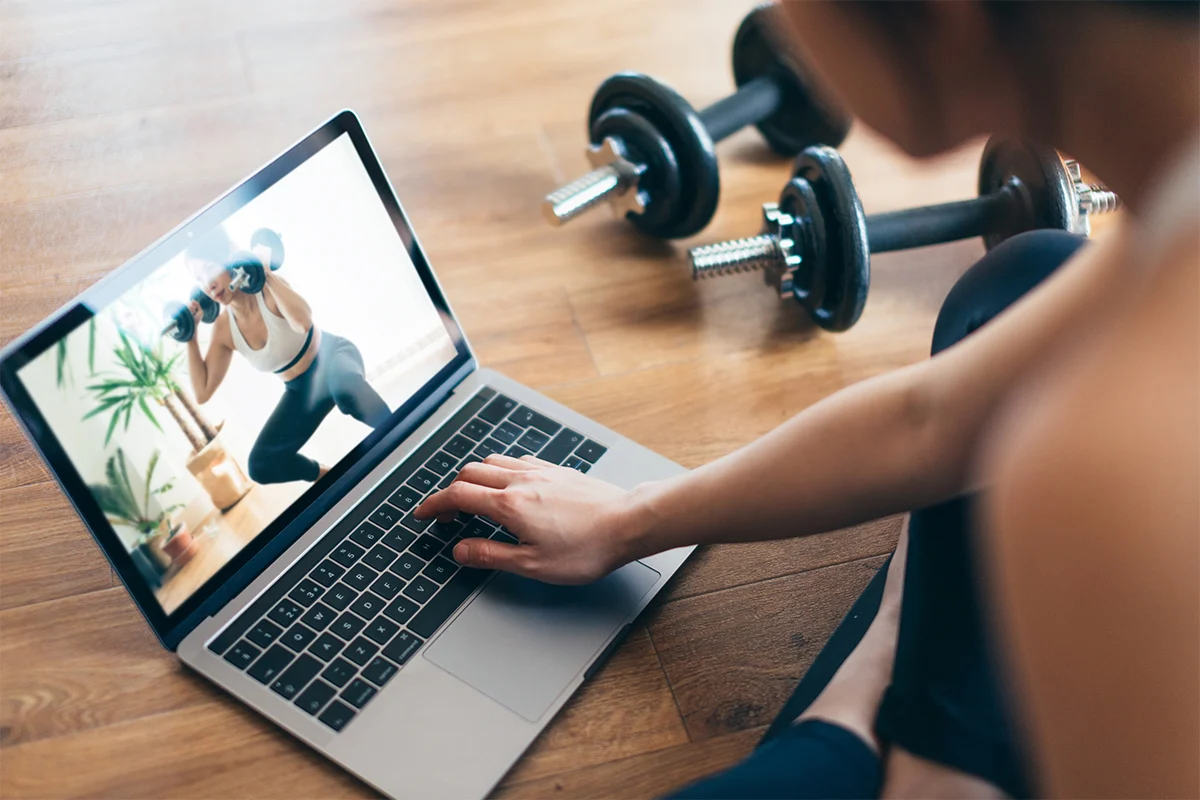
The traditional dichotomy of the fitness industry—the binary choice between the brick-and-mortar gym and the solitary home workout—has officially dissolved. In its place, a sophisticated, multifaceted "hybrid fitness" ecosystem has emerged, reshaping how global populations interact with health, wellness, and movement. According to the Global Fitness Consumer Report (2025) by the International Health, Racquet & Sportsclub Association (IHRSA), the modern exerciser is no longer a "gym member" or an "app user"; they are a hybrid consumer, fluidly moving between digital ecosystems, boutique studios, and outdoor environments.
This shift represents more than a temporary adaptation to changing schedules; it is a fundamental transformation of consumer behavior driven by an insatiable demand for personalization, flexibility, and convenience.
The Evolution of Movement: A Chronology of Change
To understand the current landscape, one must examine the rapid acceleration of fitness accessibility over the last decade.
Phase 1: The Era of Centralization (Pre-2015)
For decades, the fitness industry was defined by the "Big Box" gym model. Success was measured by membership density, high-turnover contracts, and the centralization of equipment. The fitness journey was linear: one traveled to a facility, utilized the available equipment, and returned home.
Phase 2: The Digital Disruption (2015–2019)
The emergence of high-quality streaming platforms and wearable technology began to challenge the gym’s monopoly. Fitness became portable. Early adopters began supplementing their gym routines with on-demand video classes, signaling the first true move toward a bifurcated fitness identity.
Phase 3: The Pandemic Catalyst (2020–2022)
The global pandemic served as the ultimate accelerator. With facilities shuttered, the home became the default gym. This period forced a digital transformation that would have otherwise taken a decade to achieve. Consumers became proficient with fitness apps, virtual personal training, and connected equipment, creating a permanent shift in expectation.
Phase 4: The Hybrid Synthesis (2023–Present)
We are currently in the age of the "Integrated Athlete." The modern consumer now demands that their fitness life mirrors the flexibility of their professional and social lives. They expect their biometric data to sync seamlessly between their morning Peloton session, their afternoon gym strength training, and their evening outdoor run.
Supporting Data: The Metrics of Participation
The Worldwide Survey of Fitness Trends for 2025, authored by W.R. Thompson for ACSM’s Health & Fitness Journal, confirms that the industry is no longer betting on a single delivery method.
Data indicates that over 65% of regular exercisers now utilize at least three distinct modalities to reach their health goals. The shift is quantified by three primary pillars:
- The Rise of the Omnichannel Consumer: Research shows that gym members who engage with their facility’s app or virtual offerings show a 30% higher retention rate compared to those who rely solely on physical facilities.
- Biometric Integration: 82% of respondents in the 2025 IHRSA report cited that wearable technology—ranging from smartwatches to glucose monitors—is now the primary "coach" that dictates their daily movement patterns, bridging the gap between digital and physical workouts.
- The "Third Space" Preference: Consumers are increasingly looking for outdoor spaces and community-led fitness groups to replace the social elements once provided exclusively by gym lobbies. This "third space" allows for social connection without the confinement of a four-walled facility.
The Professional Perspective: Industry Responses
The fitness industry’s response to these trends has been a pivot toward "cooperation rather than competition." Large-scale commercial gym chains, which once viewed apps as existential threats, are now incorporating proprietary digital platforms into their membership tiers.
"The goal is no longer to keep the member in the building," says one industry analyst. "The goal is to be the primary provider of their fitness journey, regardless of where that journey takes place."
Many boutique studios have adopted a "Hybrid Subscription" model. These memberships grant users access to a fixed number of in-person classes while providing unlimited access to a library of on-demand content. By diversifying their service offerings, gyms are mitigating the risks associated with capacity limits and regional economic shifts.
Furthermore, personal trainers are evolving into "fitness architects." They no longer just lead sessions; they curate comprehensive programs that incorporate app-based tracking, dietary coaching, and occasional in-person form correction. This high-touch, high-tech approach has allowed professionals to increase their client capacity while delivering higher perceived value.
Implications for the Future of Wellness
The shift toward a hybrid model carries profound implications for the future of public health, urban planning, and corporate wellness.
The Personalization Imperative
The era of the "one-size-fits-all" workout is effectively over. Consumers now demand data-driven insights. If a workout program cannot be adjusted based on the user’s current sleep metrics, heart rate variability, or specific time constraints, it is increasingly viewed as obsolete. Companies that fail to provide this level of granular customization are seeing a decline in user engagement.
The Impact on Real Estate
The commercial fitness footprint is changing. Large gyms are shrinking their "weight room" footprints to accommodate more functional training space, recovery lounges, and hybrid-work stations. We are seeing a move toward "community hubs" rather than just warehouses for heavy iron.
Democratization of Health
Perhaps the most significant implication is the democratization of professional-grade fitness. A user in a rural location can now access the same high-caliber coaching and programming as someone in a major metropolitan hub. This leveling of the playing field has the potential to move the needle on global health metrics, provided that the digital divide continues to shrink.
Sustainability and Flexibility
The hybrid approach is inherently more sustainable for the average busy professional. By reducing the "all-or-nothing" pressure of gym attendance, users are less likely to quit their fitness journey during busy seasons of life. If a user cannot make it to the gym, they can log a 20-minute bodyweight session at home. This continuity is the "holy grail" of fitness retention—maintaining the habit even when life intervenes.
Conclusion: The Path Forward
The "Hybrid Revolution" is not merely a trend; it is the new standard of operation. As we look toward the latter half of the decade, the winners in the fitness industry will be those who can successfully integrate the physical and digital worlds into a frictionless experience.
The successful gym of 2026 and beyond will be one that understands its role in a broader, data-rich ecosystem. It will be a place where the community thrives, but also a brand that supports the individual in the quiet corners of their home and the open spaces of their neighborhood.
For the consumer, the future is bright. The barriers to health are lower than ever, and the tools for success are at our fingertips. The challenge for the future will not be finding a place to exercise, but rather navigating the abundance of options to build a routine that is as unique, flexible, and dynamic as the modern life itself. As the industry continues to mature, the focus will inevitably shift from the location of the workout to the sustainability of the lifestyle, ensuring that fitness remains a permanent, integrated fixture of the human experience.
References:
- International Health, Racquet & Sportsclub Association (IHRSA). (2025). Global fitness consumer report: Hybrid participation trends and member preferences. Boston, MA: IHRSA.
- Thompson, W. R. (2025). Worldwide survey of fitness trends for 2025. ACSM’s Health & Fitness Journal, 29(1), 12–24.
- Fitness Journal – 2026, Issue 7.