






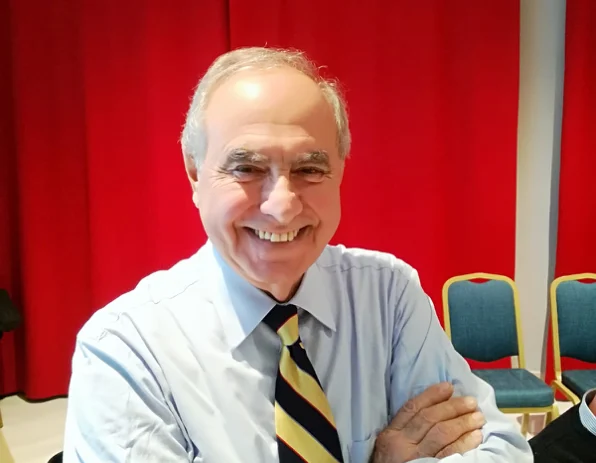
In the high-stakes world of global pharmaceuticals and medical technology, Luciano Cattani spent decades navigating the complexities of healthcare systems from the top down. As a senior executive, he helped shape the industry’s trajectory. However, at age 65, his perspective shifted irrevocably when he found himself on the other side of the clinical encounter, facing a diagnosis of late-onset severe asthma—a condition that would redefine his life’s purpose.
Today, Cattani is a leading voice in the European respiratory community. As a co-founder of AsmaGrave (Italy’s Severe Asthma Association) and a prominent member of the European Lung Foundation’s (ELF) Asthma Patient Advisory Group (PAG), he is bridging the gap between clinical research and the lived experience of patients. His journey highlights a growing movement in medicine: the transition from "treating the patient" to "partnering with the patient."
A Chronology of Crisis and Catalyst
The Unforeseen Diagnosis
Cattani’s transition from a high-powered executive to a patient was abrupt. "This came to a sudden halt when, at the age of 65, I developed late-onset severe asthma—a completely unexpected diagnosis," he recounts. The ensuing years were marked by a harrowing lack of clarity. For five years, he lived in a state of medical limbo, characterized by recurring flare-ups, repeated emergency room visits, and the debilitating physical toll of chronic corticosteroid and antibiotic use.
The Six-Year Odyssey
The road to stability was fraught with systemic barriers. It took six years for Cattani to receive a definitive diagnosis, and an additional two years of navigation before he was prescribed the appropriate biologic therapy that finally restored his quality of life. This period of "medical wandering" was not merely a personal struggle; it was the catalyst for his activism. Witnessing the structural failures within the Italian healthcare system—specifically regarding specialized access—Cattani realized that his professional background in medical devices and pharma provided him with a unique toolkit to drive change.
The Rise of Advocacy
In response, Cattani co-founded AsmaGrave. The organization was designed to serve as a beacon for patients lost in the diagnostic maze, aiming to improve specialized care and provide a unified voice for the severe asthma community. His work eventually caught the attention of the European respiratory community, leading to his integration into the European Lung Foundation (ELF) and his contributions to the European Respiratory Society (ERS).
Supporting Data: The Hidden Burden of Severe Asthma
The experience of Luciano Cattani is far from an outlier. Across Europe, the journey for patients with severe asthma remains characterized by significant delays and suboptimal care.
The Diagnostic Delay
Current data suggests that the average patient waits nearly three years for an accurate diagnosis of severe asthma. During this period, many patients are mismanaged, relying on systemic oral corticosteroids. While these drugs can provide temporary relief, long-term use is associated with a cascade of secondary health issues, including:
- Endocrine Disruptions: Increased risk of Type 2 diabetes.
- Musculoskeletal Decline: Development of osteoporosis and increased fracture risk.
- Cardiovascular Strain: Heightened vulnerability to heart disease.
The Prevalence Gap
As a member of an ERS Task Force, Cattani is currently involved in a pan-European study examining the evolution of severe asthma in older patients across 23 countries. This research is critical; as populations age, the intersection of age-related comorbidities and severe asthma creates a complex clinical landscape that traditional, younger-focused models of care fail to address.
The ERS Congress: A Platform for Partnership
The 2026 ERS Congress represents a significant milestone in the integration of patient voices into high-level medical strategy. For Cattani, his participation in the congress is not merely symbolic—it is a functional necessity.
Moving Beyond Clinical Metrics
"Patients bring invaluable personal experience," Cattani explains. While clinicians measure success through forced expiratory volume (FEV1) or the frequency of hospitalizations, patients define quality of life through the ability to perform daily tasks, work, and engage with their families. By integrating these "Patient-Reported Outcome Measures" (PROMs) into clinical research, the ERS is attempting to redefine what "success" looks like in respiratory care.
The Task Force Agenda
Cattani’s current work with the ERS Task Force is focused on two primary pillars:
- Defining Remission: Establishing standardized parameters for what constitutes "remission" in severe asthma, moving the goalposts from mere symptom management to long-term control.
- Harmonizing Care: Addressing the wild disparity in patient support. For example, some European nations provide "flare-up kits" and clear action plans, while others leave patients to manage crises in isolation.
Implications: A New Era of Collaboration
The theme of the 2026 ERS Congress—partnership between patients, clinicians, and researchers—serves as a blueprint for the future of chronic disease management.
The Four Pillars of Progress
Cattani distills the future of asthma care into four essential objectives:
- Earlier: Identifying high-risk patients before they become chronic users of oral corticosteroids.
- Quicker: Reducing the three-year diagnostic lag through better physician education and referral pathways.
- Effective: Ensuring equitable access to modern, biologic, and targeted therapies.
- Together: Fostering a culture where patients are viewed as partners in the research process rather than passive recipients of care.
Bridging the Knowledge Gap
Effective advocacy, however, requires a dual-sided effort. "Patients need support to be heard and to navigate the language of research," Cattani notes. Conversely, the scientific community must make its discourse more accessible. When these two sides meet, the results can be transformative.
Cattani’s transition from executive to advocate serves as a powerful reminder that the most significant innovations in healthcare often occur when clinical expertise meets the raw, unfiltered truth of the patient experience. His work ensures that the "patient perspective" is no longer an afterthought, but a core component of scientific inquiry.
Conclusion: A Vision for 2026 and Beyond
As Luciano Cattani looks toward the future of respiratory medicine, his optimism is tempered by a pragmatic recognition of how much work remains. The systemic challenges—ranging from diagnostic delays to the uneven implementation of care guidelines—are substantial. Yet, the inclusion of patient representatives in the highest echelons of the ERS signals a fundamental shift in the medical paradigm.
"Ultimately," Cattani says, "its impact is best judged by the researchers and clinicians involved, but it underlines the importance of collaboration." By advocating for a more transparent, rapid, and patient-centered system, he is not just fighting for those currently living with severe asthma; he is helping to construct a more efficient and compassionate framework for all of medicine.
For the medical community, the message is clear: the path forward is a partnership. By listening to those who live the reality of the disease every day, the ERS and its partners are moving closer to a future where "getting one’s life back" is the standard, not the exception.