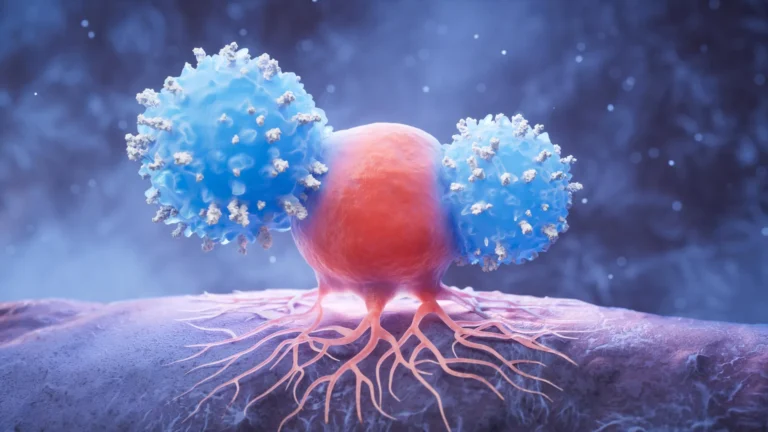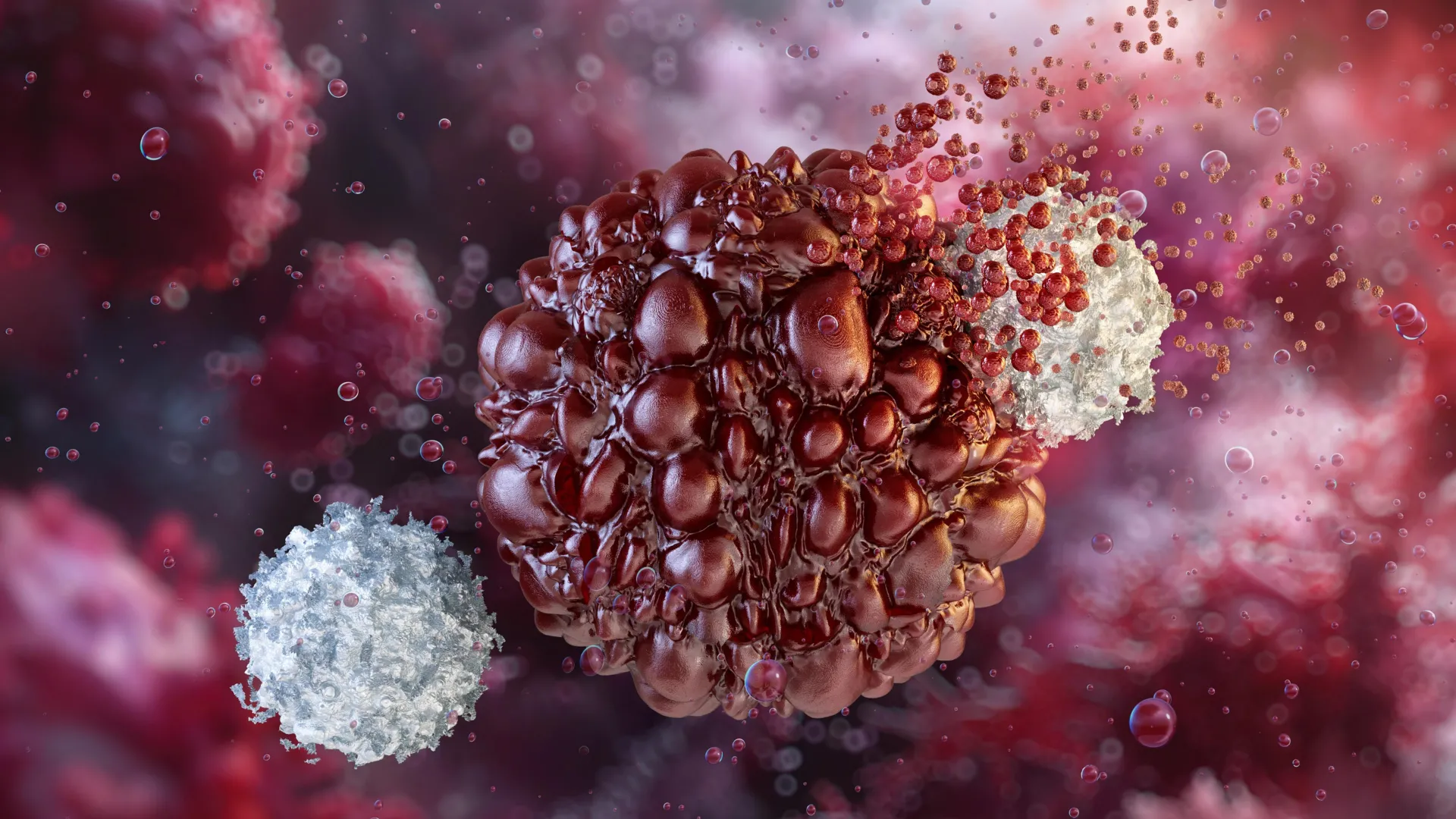
In a landmark study that could redefine the landscape of modern medicine, researchers at USC Stem Cell have unveiled a revolutionary method for generating a renewable and expandable supply of immune cell precursors. This breakthrough, published in the prestigious journal Cell, offers a promising new avenue for cancer immunotherapy, potentially overcoming the persistent hurdles that have limited the efficacy of current cell-based treatments.
The focus of the research lies on granulocyte-monocyte progenitors (GMPs)—a specific subset of precursor cells responsible for generating macrophages and various other vital immune cells. By demonstrating that these cells can be maintained and expanded indefinitely in the laboratory, the team has established a scalable "platform" that could eventually facilitate the development of "off-the-shelf" immunotherapies.
The Science of Self-Renewal: Challenging Conventional Wisdom
For decades, the field of stem cell biology has been governed by a rigid hierarchy. The prevailing consensus was that long-term self-renewal—the capacity for a cell to divide indefinitely while maintaining its original identity—was a unique hallmark of hematopoietic stem cells (HSCs). Progenitor cells, which sit one step down the developmental ladder, were widely viewed as transient, destined to differentiate into mature cells and eventually exhaust their potential.
The USC team, led by corresponding author Qi-Long Ying, MD, PhD, a professor of stem cell biology and regenerative medicine at the Keck School of Medicine of USC, has effectively dismantled this dogma.
"The prevailing view has been that long-term self-renewal in the blood system is primarily a property of the hematopoietic stem cells that can generate any type of blood or immune cell," Dr. Ying explained. "We found that, under the right conditions, GMPs can also self-renew, dividing extensively while keeping their identity and ability to produce functional immune cells."
By utilizing a proprietary chemical cocktail, the researchers successfully halted the natural maturation process of the GMPs, creating a stable environment where the cells could thrive and proliferate without losing their functional capacity. This discovery transforms the GMP from a fleeting developmental intermediate into a robust, scalable resource for clinical application.
Why Macrophages Are the New Frontier in Oncology
While T-cell therapies—such as CAR-T—have achieved remarkable success in treating certain blood cancers, they have struggled to penetrate the "fortress" of solid tumors. This is where macrophages enter the picture. As primary agents of the innate immune system, macrophages are naturally predisposed to infiltrate tumor microenvironments, engulf malignant cells, and orchestrate complex immune responses.
However, using mature macrophages as a therapeutic agent has historically been an uphill battle. They are notoriously difficult to cultivate in the large quantities required for clinical use, resistant to sophisticated genetic engineering, and prone to rapid degradation during freezing and storage. Furthermore, when injected into the body, mature macrophages often sequester in the liver or lungs rather than disseminating to the sites where they are most needed.
By shifting the focus to GMPs—the "ancestors" of macrophages—the USC team has bypassed these structural limitations. Because GMPs can be expanded in the lab and engineered before they differentiate, they provide a much more stable and versatile starting point for therapeutic intervention.
A Chronology of the Discovery
The development of the GMP platform was not an overnight success but the result of meticulous, multi-year laboratory experimentation.
- Initial Conceptualization: The research team, led by first author Shi Yue, MD, sought to identify a pathway that would allow for the indefinite expansion of myeloid progenitors.
- Defining the Chemical Cocktail: Through rigorous screening, the team identified specific chemical signals that could "lock" GMPs in a state of self-renewal, preventing them from differentiating prematurely into mature cells.
- Validation of Stability: Even after extended periods of growth, the researchers confirmed through genetic and molecular analysis that the expanded GMPs retained their identity and their potential to produce functional immune cells.
- Independent Verification: To ensure the robustness of the methodology, the team collaborated with the laboratory of Ravi Majeti, MD, PhD, at Stanford University. The Stanford team independently reproduced the findings, confirming that GMPs could indeed be expanded and genetically modified at scale.
- In Vivo Testing: The final phase of the study involved testing both mouse and human GMPs in animal models. The results were striking: the engineered cells settled into the bone marrow, where they established a permanent "factory" for producing tumor-fighting macrophages, significantly slowing the progression of both blood and solid tumors.
Engineering the Future: The CAR-GMP Platform
The true power of this new platform lies in its "engineerability." The researchers successfully equipped the GMPs with chimeric antigen receptors (CARs)—the same technology used in CAR-T therapy—to help them recognize and target specific markers on cancer cells.
Taking it a step further, the team added a secondary signal designed to activate the broader immune environment. This signal acts as a "call to arms" for the body’s natural defenses, stimulating neighboring T-cells and creating a synergistic effect that amplifies the anti-tumor response.
Perhaps most importantly, the researchers discovered that these engineered GMPs could function effectively even when donor and recipient cells were immunologically mismatched. This suggests a paradigm shift toward "off-the-shelf" therapies. Instead of the current, time-consuming process of harvesting a patient’s own cells and engineering them individually, clinicians could eventually use standardized, pre-manufactured GMP products, significantly reducing the cost and wait times for life-saving treatments.
Official Responses and Expert Perspectives
The academic and clinical communities have responded to the findings with significant enthusiasm, noting the broad potential for translational medicine.
Dr. Ravi Majeti, Director of the Institute for Stem Cell Biology and Regenerative Medicine at Stanford University, highlighted the scalability of the research. "This method for the expansion and engineering of GMPs opens the door to numerous translational applications, much like T-cell expansion and engineering," he said. "We have already demonstrated engineering of these cells to drive multiple potent functions, and there is a lot more to be explored."
The research team is transparent about their disclosures, noting that several members of the study—including Drs. Ying, Yue, and Majeti—are co-founders of Myelogene Inc., a biotechnology company established to explore the commercial potential of this platform. The research has been supported by a robust network of organizations, including the L.K. Whittier Foundation and the Eli and Edythe Broad Innovation Award, signaling a strong belief in the platform’s viability.
Beyond Oncology: Implications for Chronic Disease
While the primary focus of the study was cancer, the implications of the GMP platform extend well beyond the realm of oncology. The researchers successfully tested their approach in a mouse model of chronic granulomatous disease, an inherited disorder that prevents the body from fighting bacterial and fungal infections.
By introducing the engineered GMPs, the team was able to restore the animals’ immune function, effectively curing the defect. This finding suggests that the GMP platform could serve as a foundational technology for treating a wide array of immune-deficiency disorders, potentially offering a curative path where currently only symptomatic management exists.
"Our study suggests that the future of immunotherapy may depend not only on designing better CAR receptors, but also on choosing the right developmental stage of the cell," Dr. Ying remarked. By moving upstream to the progenitor level, scientists may have unlocked a way to command the immune system with greater precision and efficiency than ever before.
Conclusion
The work published in Cell marks a significant departure from conventional cellular therapy strategies. By identifying the self-renewing potential of granulocyte-monocyte progenitors, the researchers at USC have provided a roadmap for a new generation of medicine.
As the field moves from laboratory validation to the next stages of clinical exploration, the promise of this platform is clear: a more accessible, scalable, and powerful way to harness the body’s own immune system to combat some of its most persistent and deadly adversaries. Whether treating complex solid tumors or rare genetic deficiencies, the ability to control and direct the development of immune cells represents a profound leap forward in regenerative medicine and oncological care.