






In a significant leap forward for oncology, researchers at McGill University’s Rosalind & Morris Goodman Cancer Institute and the Research Institute of the McGill University Health Centre (RI-MUHC) have unveiled a novel methodology that enhances the cancer-fighting efficacy of Natural Killer (NK) cells. By effectively bypassing the defensive "shield" that many tumors construct to evade immune detection, this new approach offers a potent, safer, and more scalable alternative to current cell-based cancer therapies.
The findings, published in the April 2026 issue of EMBO Reports, detail a strategy that relies on the temporary inhibition of two specific proteins, a departure from the permanent genetic modifications required by many contemporary immunotherapies. This breakthrough may provide a lifeline for patients battling aggressive, treatment-resistant cancers.
The Biological Landscape: How NK Cells Fight Back
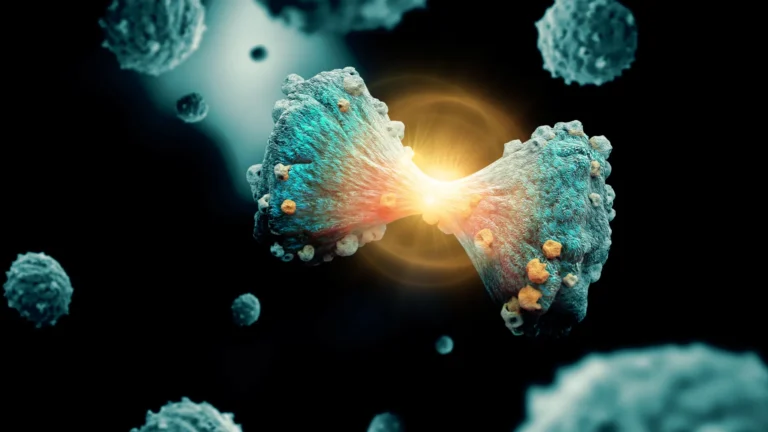
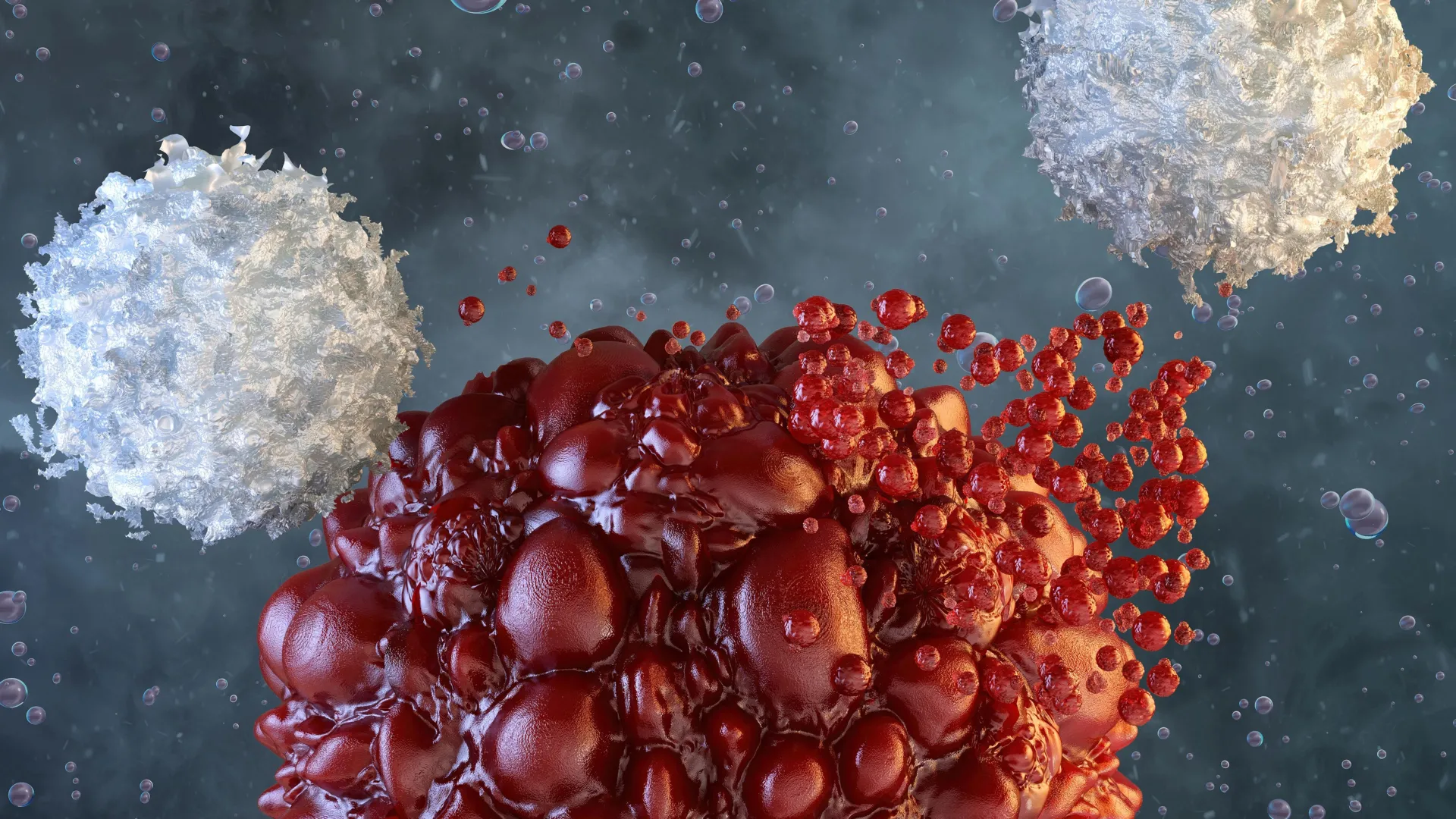
Natural Killer cells represent the body’s "front-line" defense system. Unlike T-cells, which require a specific "priming" to recognize a pathogen or cancer cell, NK cells are designed to patrol the body and instinctively identify and eliminate abnormal cells.
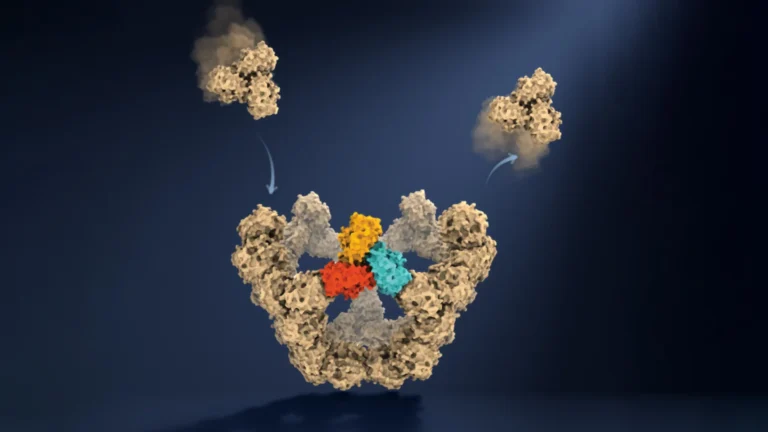
However, solid tumors have evolved sophisticated mechanisms to "switch off" or suppress NK cell activity, effectively creating an immunosuppressive microenvironment that allows the cancer to flourish. The team at McGill, led by Distinguished James McGill Professor Michel L. Tremblay, identified that by inhibiting the proteins PTPN1 and PTPN2, they could effectively release the brakes on these NK cells, allowing them to infiltrate and destroy even the most resilient cancer cells.
Chronology of the Discovery
The road to this discovery was a multi-year effort that bridged the gap between fundamental molecular biology and clinical application.
- Early Phase (2022–2023): Researchers began investigating the role of protein tyrosine phosphatases (PTPs) in regulating immune cell sensitivity. Using CRISPR-based screens, the team identified PTPN1 and PTPN2 as the primary culprits behind the "exhaustion" of NK cells in the presence of tumor-derived factors like TGF-β1.
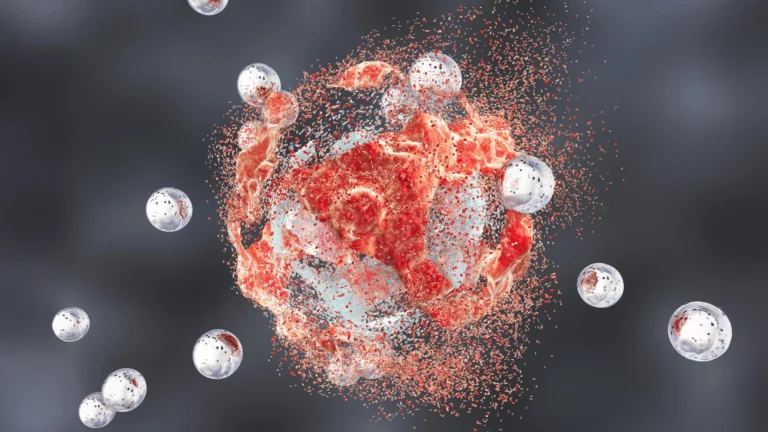
- Preclinical Validation (2024–2025): The team transitioned to in vitro models, testing their pharmacological inhibition strategy against human cancer cell lines. The results were striking: the "unleashed" NK cells demonstrated a marked increase in cytotoxicity against glioblastoma, kidney cancer, triple-negative breast cancer, and acute myeloid leukemia (AML).
- Animal Models (2025): Following the success in cell cultures, the team moved to in vivo studies. Mice treated with the modified NK cells showed a significant reduction in tumor volume compared to control groups, with no signs of the "cytokine storms" or systemic toxicity often associated with aggressive immunotherapy.
- Publication (April 2026): The culmination of this work was published in EMBO Reports, providing a peer-reviewed roadmap for the future of "off-the-shelf" NK cell therapies.
Supporting Data: Efficiency and Efficacy
The strength of the McGill study lies not just in its ability to kill cancer, but in its logistical superiority. Current standard-of-care immunotherapies, such as CAR-T cell therapy, require the extraction of a patient’s own T-cells, which are then shipped to a laboratory, genetically modified, expanded, and infused back into the patient. This process is time-consuming (often taking 3–4 weeks), prohibitively expensive, and carries the risk of the patient’s health deteriorating during the wait.
The "Off-the-Shelf" Advantage
The McGill team utilized umbilical cord blood as a source for NK cells. By establishing a protocol for isolating, culturing, and cryopreserving these cells, they have created a "bankable" therapeutic product.
- Immediate Availability: Because these cells are donor-derived and banked, they are ready for immediate administration upon diagnosis.
- Reversibility: By using small-molecule drugs to induce the anti-tumor state rather than permanent genetic engineering, the treatment is inherently safer. If an adverse event occurs, the drug administration can be stopped, and the cells revert to their natural state, mitigating the risk of long-term autoimmune side effects.
Official Perspectives and Expert Commentary
"This approach is particularly promising for patients who currently have very few options, when standard treatments have failed," said senior author Michel L. Tremblay. His department has spent decades studying how to manipulate the body’s biochemical pathways, and this study represents a pinnacle of that research.
Dr. Chu-Han Feng, a lead research scientist at the Rosalind & Morris Goodman Cancer Institute, emphasized the operational shift this discovery represents. "This approach will make immunotherapy at McGill University Health Centre faster, safer, and more affordable. It avoids the complex, patient-specific process of customizing cells and uses readily available pharmacological inhibitors to reversibly enhance the NK cells’ natural anti-tumor activities."
The laboratory work was significantly bolstered by the contributions of Pierre Laneuville and Linda Peltier at the Cellular Therapy Laboratory of the RI-MUHC. Their expertise in cell storage and maintenance was critical to proving that the enhanced NK cells could remain viable and potent after long-term cryopreservation, a key requirement for any scalable medical product.
Implications for Modern Oncology
The implications of this research are vast, particularly for the treatment of "cold" tumors—cancers that have successfully hidden themselves from the immune system.
A New Standard for Aggressive Cancers
The researchers have set their sights on Acute Myeloid Leukemia (AML) as the primary target for their first human clinical trials. AML is notoriously difficult to treat, and for patients who do not respond to initial chemotherapy, the prognosis is often grim. By providing a ready-to-use, potent NK cell treatment, the researchers hope to bridge the gap between diagnosis and effective intervention.
Regulatory and Economic Hurdles
While the scientific data is compelling, the transition from lab to clinic is complex. The team is currently navigating the regulatory hurdles required for human trials. Funding remains a priority, and the researchers are actively working with federal and private foundations—including the Canadian Institutes of Health Research, the Cedars Cancer Foundation, and Genome Canada—to secure the necessary capital for Phase I clinical trials.
If successful, this model could drastically lower the cost of immunotherapy. By removing the need for individualized cell manufacturing, the "cost-per-dose" could drop from hundreds of thousands of dollars to a fraction of that amount, potentially democratizing access to cutting-edge cancer care.
Future Outlook: Moving Toward Human Trials
As the scientific community digests the implications of the EMBO Reports publication, the focus shifts to the design of the upcoming clinical trials. The researchers are working closely with regulatory bodies to ensure that the safety profile observed in animal models holds true for human participants.
The team also expressed deep gratitude to the mothers who donated umbilical cord blood to the study, acknowledging that the progress of modern medicine is fundamentally rooted in public altruism.
"We are standing on the precipice of a new era in cancer treatment," Dr. Tremblay concluded. "The ability to manipulate the immune system without the need for permanent, irreversible changes is the ‘holy grail’ of immunotherapy. We are one step closer to making that a reality for every patient who needs it."
As the world watches, the McGill team continues to refine their protocols, aiming to bring this "supercharged" NK cell therapy to the bedside, turning the tide against some of the most aggressive diseases known to medicine.
Study Details and Acknowledgments
- Paper PTPN1/PTPN2 inhibition improves NK cancer therapy by enhancing IL-2 and mitigating TGFβ1 response
- Journal: EMBO Reports (April 2026)
- Lead Authors: Chu-Han Feng, Michel L. Tremblay
- Primary Funding Bodies: Canadian Institutes of Health Research (CIHR), McGill University Health Centre Foundation, Jeanne and Jean-Louis Levesque Foundation, Richard and Edith Strauss Foundation, Cedars Cancer Foundation, and Genome Canada/Genome Quebec (GAPP grant).